There’s nothing more disappointing than buying a fresh head of lettuce, only to find it wilted, soggy, or slimy just a few days later. I can’t count how many times I’ve gone to make a salad midweek, opened the crisper drawer, and been greeted by limp leaves that had lost all their crunch. Lettuce, as I discovered, is one of those tricky vegetables that seem to spoil faster than you can eat it.
But recently, I learned a simple trick that changed everything: storing lettuce with paper towels. It sounds almost too easy to make a difference, but this tiny change transformed how long my greens stay fresh. Now, instead of lasting three days, my lettuce remains crisp, bright, and ready to eat for up to a week—or even longer. Here’s how I discovered this method, how it works, and why I’ll never go back to storing lettuce the old way.
The Frustration of Spoiling Greens
If you love salads, you know how quickly lettuce can go bad. Whether it’s romaine, iceberg, butterhead, or mixed greens, it only takes a little excess moisture to turn those leaves from crisp to mushy.
I used to store lettuce right in the produce bag from the grocery store. I’d seal it tightly and put it in the fridge, thinking that would help. Instead, the trapped moisture caused condensation inside the bag, and the lettuce would start to decay. Even prewashed bagged lettuce wasn’t safe—it would wilt before I got halfway through the package.
The waste was not just frustrating—it felt wasteful. Each time I tossed a handful of soggy leaves into the trash, I could practically hear money going down the drain. That’s when I started searching for better ways to keep lettuce fresh.
The Trick I Stumbled Upon
While browsing a cooking forum one day, I came across a thread titled “The Paper Towel Lettuce Trick.” Dozens of people swore that this simple method kept their greens fresher for much longer. Skeptical but intrigued, I decided to give it a try.
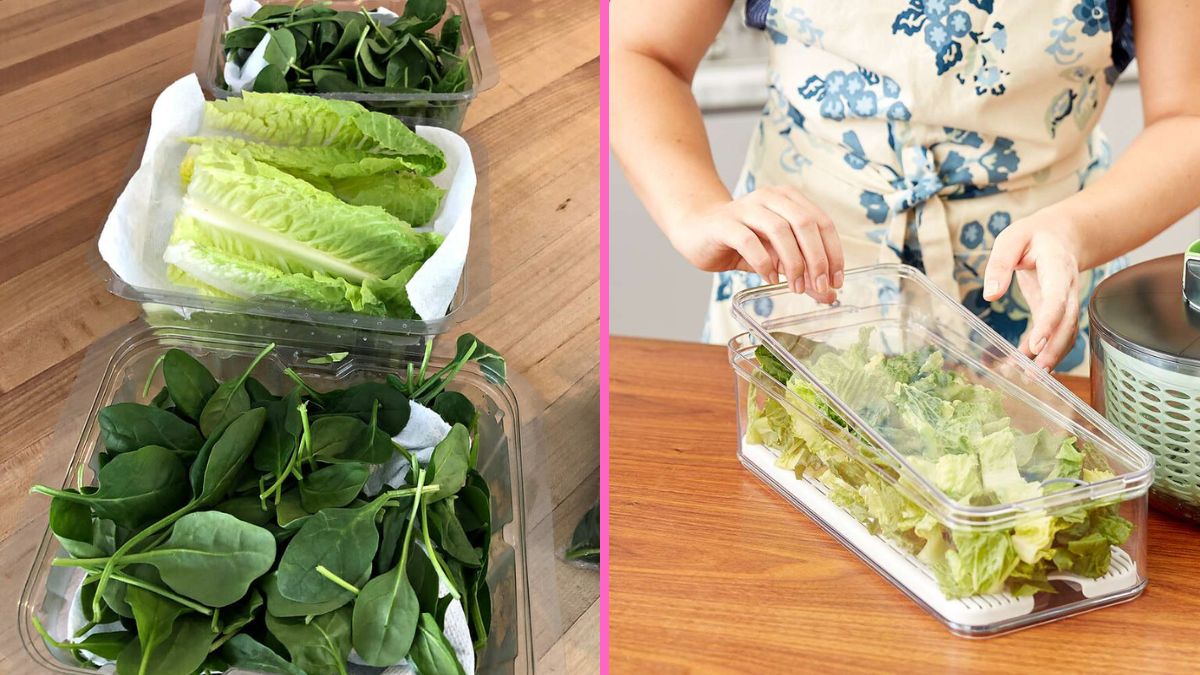
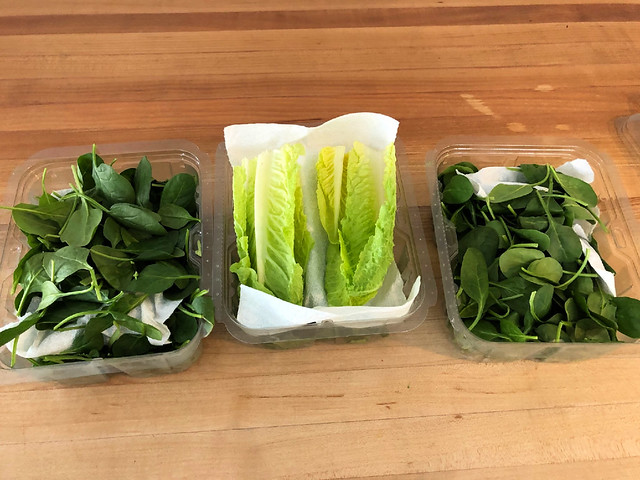
The process couldn’t be simpler: just store lettuce with a paper towel to absorb excess moisture. Moisture, it turns out, is the enemy of freshness. Lettuce leaves naturally release water after being washed or even just from being stored in a humid environment. That trapped water accelerates spoilage.
The paper towel acts like a sponge—it absorbs that excess moisture and keeps the environment inside the container or bag balanced. The lettuce stays crisp, not soggy.
How I Store Lettuce Now
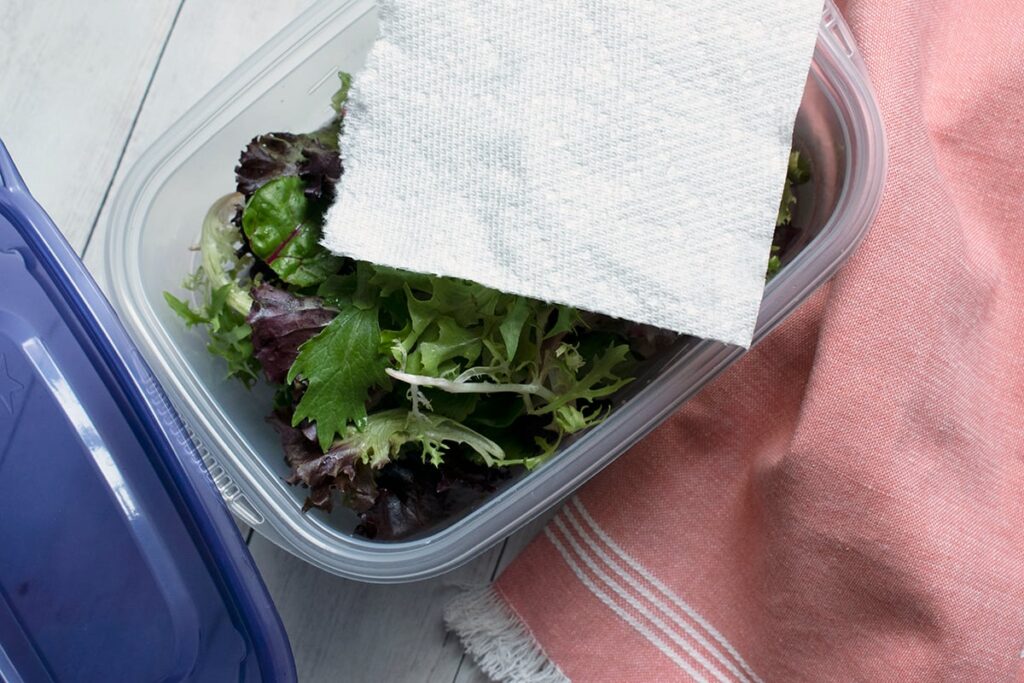
After some trial and error, I found the perfect method that works for both whole heads of lettuce and prewashed greens. Here’s what I do step by step:
Step 1: Wash and dry thoroughly
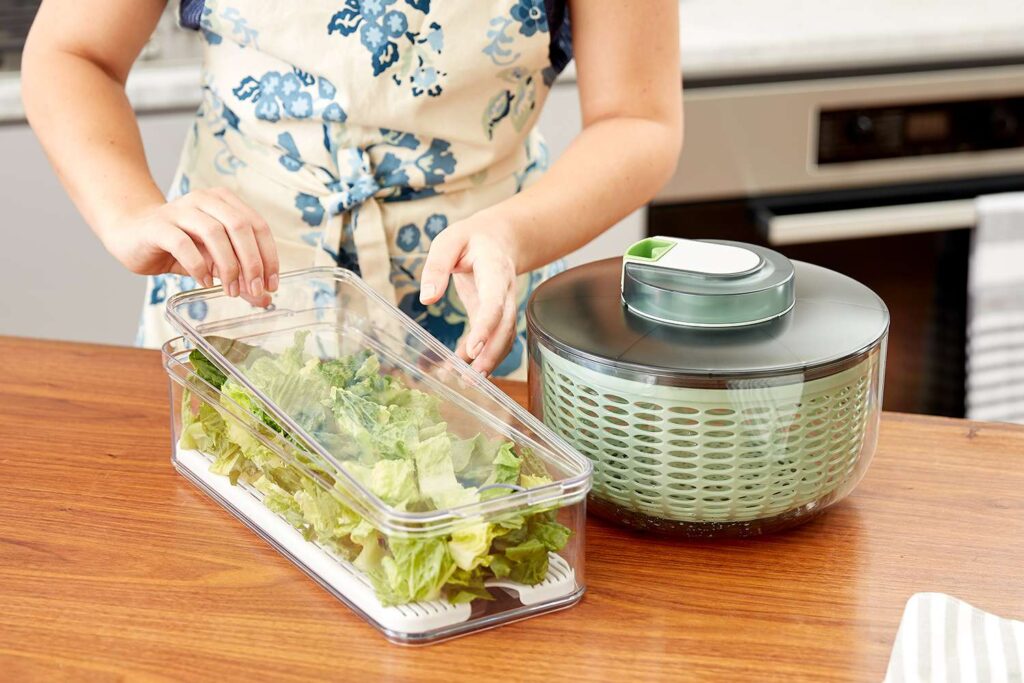
As soon as I bring lettuce home, I separate the leaves and rinse them under cool running water to remove dirt and debris. Then I dry them thoroughly. A salad spinner is perfect for this—it gets rid of most of the surface moisture quickly.
If you don’t have a salad spinner, gently pat the leaves dry with a clean kitchen towel or paper towels. The key is to remove as much water as possible before storing.
Step 2: Line a container with paper towels
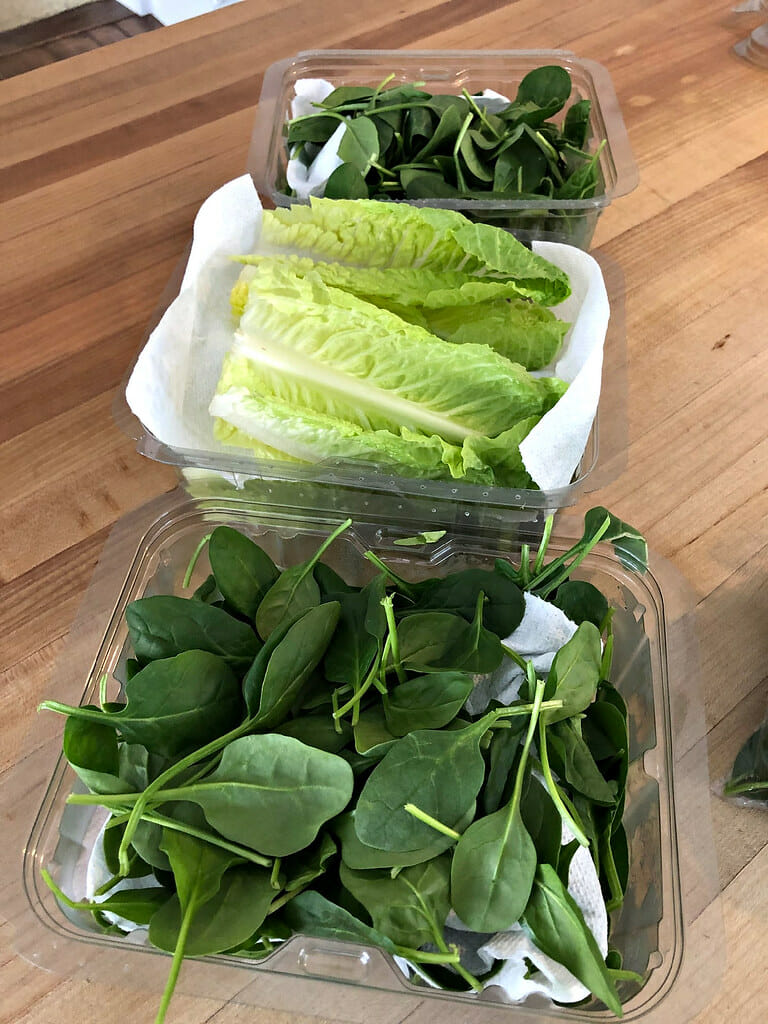
Next, I take a large airtight container (or a resealable plastic bag) and line the bottom with a clean paper towel. This forms the first layer of moisture protection.
Step 3: Add the lettuce
I place the dry lettuce leaves in the container, spreading them loosely so air can circulate. Packing them too tightly traps humidity and encourages wilting.
Step 4: Add another paper towel on top
Before sealing the container, I add another paper towel on top of the lettuce. This helps absorb any moisture that condenses from the top side of the container.
Step 5: Store in the fridge
Finally, I store the container in the crisper drawer of my refrigerator. That’s the best spot for regulating humidity and keeping greens at the ideal temperature.
Every few days, I check the paper towels. If they feel damp, I replace them with fresh, dry ones.
The Results: Crisp, Fresh Lettuce for a Week or More
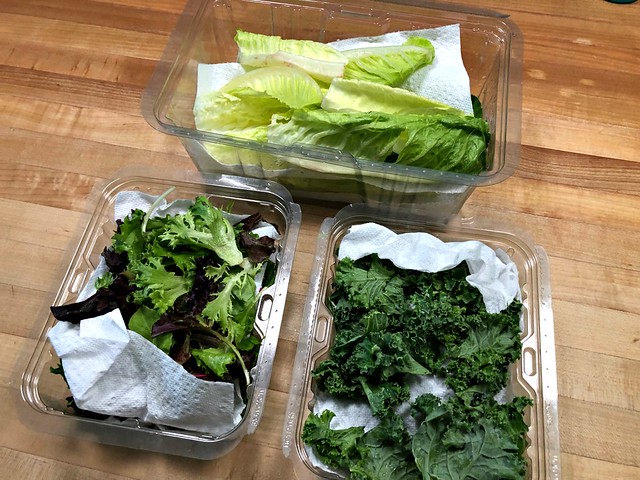
The first time I tried this method, I was genuinely shocked by the results. After five days, my lettuce still looked just as fresh as when I’d bought it—no brown edges, no sogginess, and still perfectly crunchy. Even after seven or eight days, the leaves were usable and flavorful.
Before this, I was lucky if my lettuce survived three or four days without turning limp. The paper towel trick easily doubled the shelf life of my greens. Now, I can prep salads ahead of time, store leftovers, and enjoy crisp lettuce all week long.
Why It Works
The science behind this trick is simple but effective. Lettuce contains a lot of water, and when that water escapes from the leaves, it condenses inside the storage container. That trapped moisture creates a humid microclimate, which promotes bacterial growth and decay.
The paper towel acts as a moisture regulator. It absorbs excess water but still maintains enough humidity to keep the leaves from drying out. Essentially, it keeps the lettuce in the “Goldilocks zone” of freshness—not too wet, not too dry.
Additionally, by using a large container and loosely layering the leaves, air can circulate more freely. This prevents the buildup of ethylene gas, which is another culprit behind wilting and spoilage.
Variations for Different Types of Lettuce
Depending on the type of lettuce you use, you can slightly adjust this method for the best results.
- Romaine or iceberg: These sturdy varieties stay freshest when stored as whole leaves. Remove the core, rinse, and store with paper towels in a large container.
- Butter or bibb lettuce: These delicate leaves benefit from extra airflow, so a container with a vent or slightly open lid works best.
- Mixed greens or spinach: For prewashed greens, simply place the entire mix in a large container lined with paper towels and shake gently before sealing.
For all varieties, replacing damp paper towels every few days is key to maintaining crispness.
Bonus: Using Kitchen Towels for an Eco-Friendly Option
If you’d like to reduce waste, you can replace disposable paper towels with clean cotton kitchen towels or reusable cloths. They work just as well at absorbing moisture and can be washed and reused countless times.
In fact, I now use thin cotton tea towels in my lettuce containers—they’re more sustainable and just as effective.
Other Vegetables That Benefit from the Same Trick
Once I saw how well this worked for lettuce, I started experimenting with other produce. Turns out, the paper towel method works wonders for many moisture-sensitive vegetables and herbs:
- Spinach and kale: Stay fresher for up to a week longer.
- Fresh herbs (like cilantro and parsley): Last much longer when wrapped in a damp paper towel and stored in a plastic bag.
- Cucumbers and zucchini: Keep them drier and prevent mushy spots.
- Broccoli and cauliflower: Stay crisp when lined with a paper towel in a storage bag.
It’s amazing how one small step—adding a piece of absorbent material—can make such a big difference.
The Benefits Go Beyond Freshness
Aside from keeping lettuce crisp, this trick has some unexpected benefits that have made meal prep so much easier:
- Less food waste: I rarely throw away spoiled greens now, which means I’m saving money.
- Healthier eating: Having fresh, ready-to-use lettuce encourages me to eat more salads and fresh meals throughout the week.
- Time-saving: I can wash and store lettuce all at once, knowing it will stay fresh for several days.
- Better flavor: Crisp lettuce tastes cleaner, sweeter, and more refreshing than soggy leaves ever could.
It’s such a simple change, but it’s made me a more organized and mindful cook.
A Few Pro Tips
After a few months of using this method, I’ve picked up some additional tips to make it even more effective:
- Avoid sealing containers too tightly: A little air circulation helps prevent condensation.
- Use the right size container: Too much empty space can cause the leaves to dry out.
- Keep greens separate from fruits: Some fruits (like apples and bananas) emit ethylene gas, which speeds up lettuce spoilage.
- Don’t wash until needed (for unwashed heads): If you buy whole heads of lettuce, store them dry and wash only before use to extend shelf life even further.
My Final Thoughts
Before I learned this trick, I used to think lettuce was just one of those foods that spoiled quickly no matter what. But now I know it’s not the lettuce—it’s the storage method.
By simply adding a paper towel, I’ve completely transformed how long my greens last. It’s such a low-effort, high-reward change that anyone can do, and it’s made my fridge feel more organized and my meals fresher.
There’s something deeply satisfying about opening the fridge a week after grocery shopping and seeing crisp, green lettuce instead of wilted leaves. It’s one of those small, practical life hacks that makes cooking and eating healthy food easier and more enjoyable.
So the next time you bring home a head of lettuce, grab a couple of paper towels before you store it. Your salads will thank you—and your wallet probably will, too. Sometimes, the best kitchen tricks aren’t complicated at all—they’re just smart, simple habits that make freshness last.