For years, dryer sheets were a laundry-day essential in my home. I loved how they left my clothes smelling clean, soft to the touch, and static-free. I’d toss one (or sometimes two) into every load without a second thought. But as I started paying more attention to the ingredients in household products and the amount of waste they create, I realized those convenient sheets weren’t as harmless as they seemed.
That’s when I stumbled upon a surprising natural alternative: white vinegar. Yes, the same inexpensive bottle I use for cleaning and cooking. Skeptical but curious, I decided to replace my dryer sheets with vinegar for a month—and to my surprise, I haven’t gone back since.
Here’s what I learned about why dryer sheets aren’t as great as we think, how vinegar actually works, and how to use it effectively for soft, static-free laundry without synthetic fragrances or chemical residues.
The Problem with Traditional Dryer Sheets
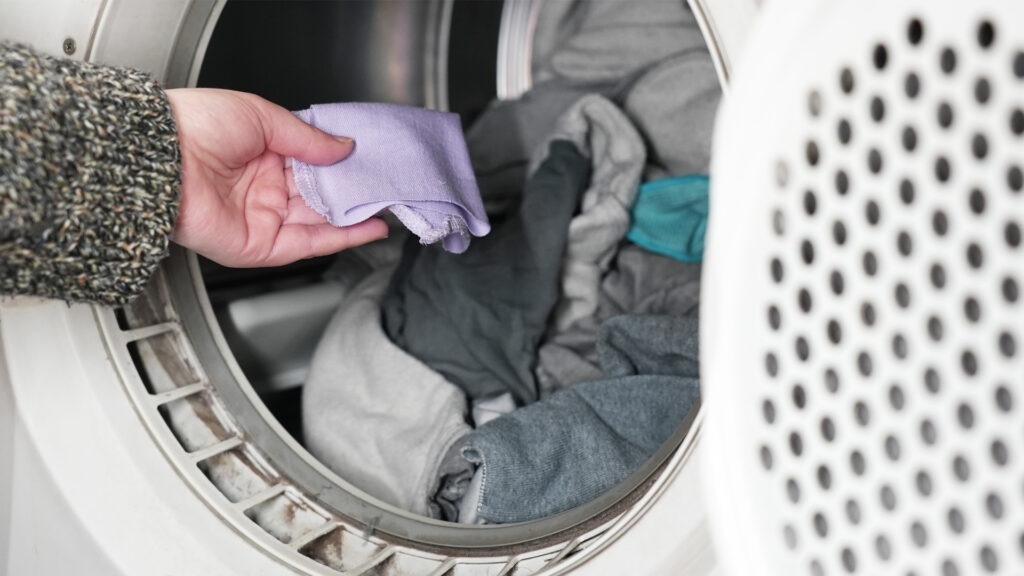
Dryer sheets seem simple, but they’re actually made from a thin layer of polyester coated in fabric softeners and synthetic fragrances. When heated in the dryer, they transfer these chemicals to your clothes to reduce static and add scent.
The issue? Many of those coating ingredients—like quaternary ammonium compounds (also known as “quats”) and artificial fragrances—can irritate sensitive skin and respiratory systems. Some people experience itching, rashes, or sneezing after using freshly dried laundry, not realizing the dryer sheets are to blame.

Beyond that, dryer sheets:
- Leave a waxy buildup on lint traps, reducing dryer efficiency and posing a potential fire hazard.
- Contain non-biodegradable fibers, meaning they end up in landfills where they don’t decompose easily.
- Add to household expenses, since they’re single-use items you have to keep buying.
When I thought about how often I did laundry each week, it hit me: I was literally throwing away money and adding unnecessary chemicals to my home. There had to be a better, cleaner, and more sustainable option.
Why Vinegar Is the Perfect Natural Substitute
At first, the idea of pouring vinegar into my laundry sounded odd—after all, vinegar smells pretty strong. But the more I learned, the more sense it made.
White distilled vinegar is naturally acidic, with a pH of around 2.5. That acidity is what makes it such a powerful cleaning and deodorizing agent. In laundry, it serves several useful functions:
- Softens fabrics naturally – Vinegar dissolves detergent residue that can stiffen fabrics, leaving clothes softer without coating them in waxy chemicals.
- Neutralizes static cling – By balancing pH and breaking down residues that cause friction, vinegar reduces the static buildup that dryer sheets are designed to combat.
- Eliminates odors – It neutralizes odor-causing bacteria and removes trapped smells from sweat, smoke, or mildew.
- Brightens and refreshes fabrics – Vinegar helps maintain colors and whiteness by preventing soap scum buildup in fibers.
And the best part? The vinegar smell doesn’t linger. Once clothes are dry, there’s no odor at all—just fresh, clean laundry.

How I Use Vinegar in My Laundry Routine
After a bit of trial and error, I found a simple system that works beautifully.
- Add vinegar to the rinse cycle:
Pour about ½ cup of white distilled vinegar directly into the fabric softener dispenser (or add it manually during the rinse cycle). This allows the vinegar to mix with water and circulate through the load evenly. - Dry as usual:
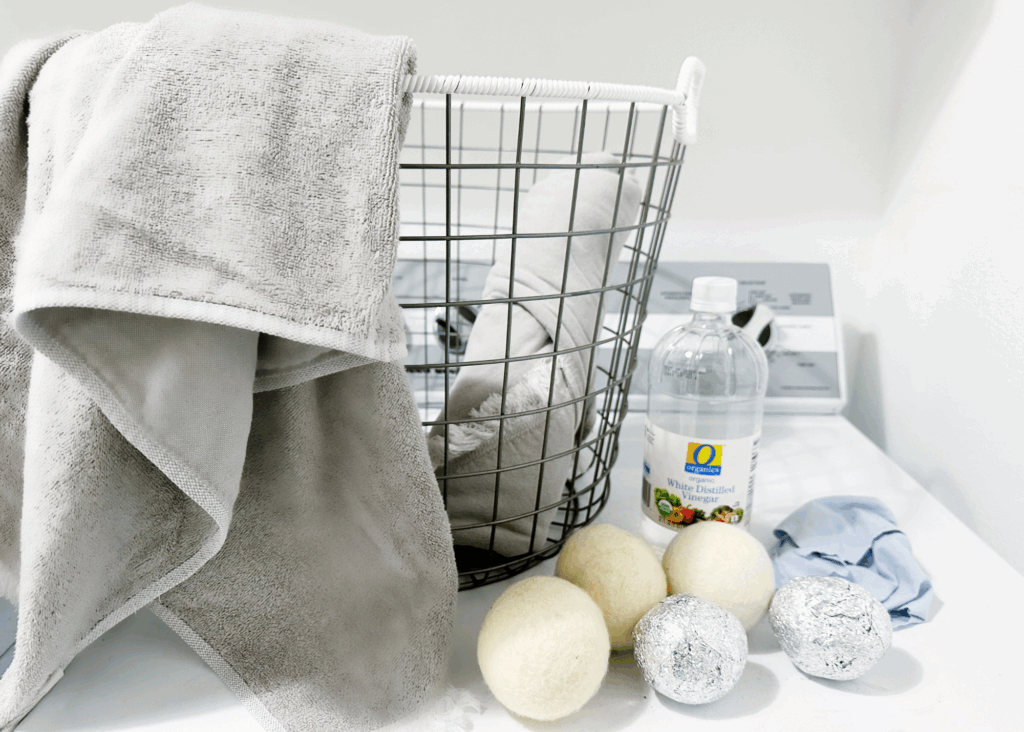
Toss clothes into the dryer and dry them on your usual setting. The vinegar smell disappears during the drying process. - Optional: Use wool dryer balls
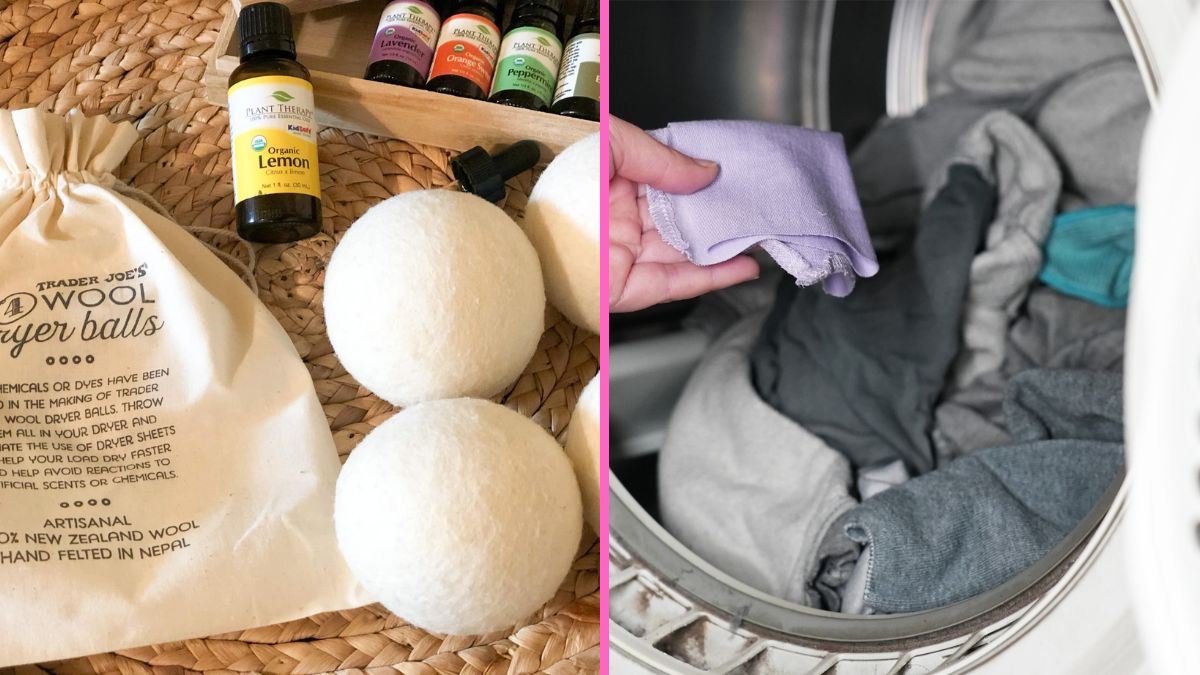
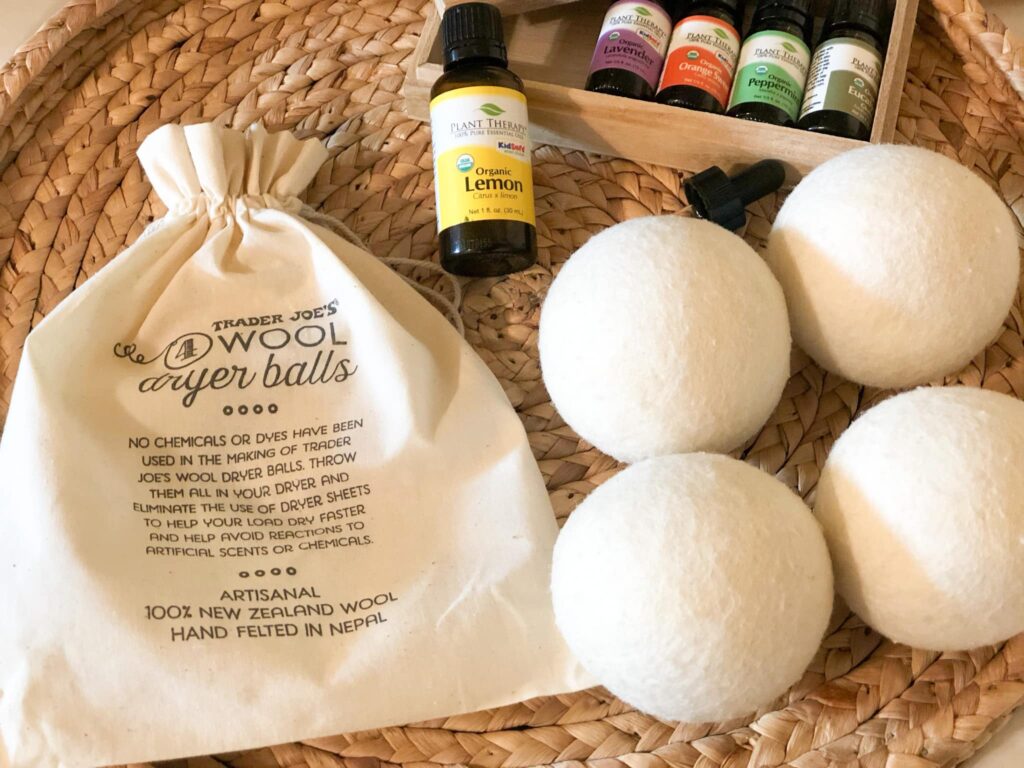
For even fluffier results, I toss in a few wool dryer balls. If you like a light scent, you can add a drop or two of essential oil to the balls before drying.
That’s it—no chemical sheets, no lingering fragrance, and no residue.
The Results After Switching
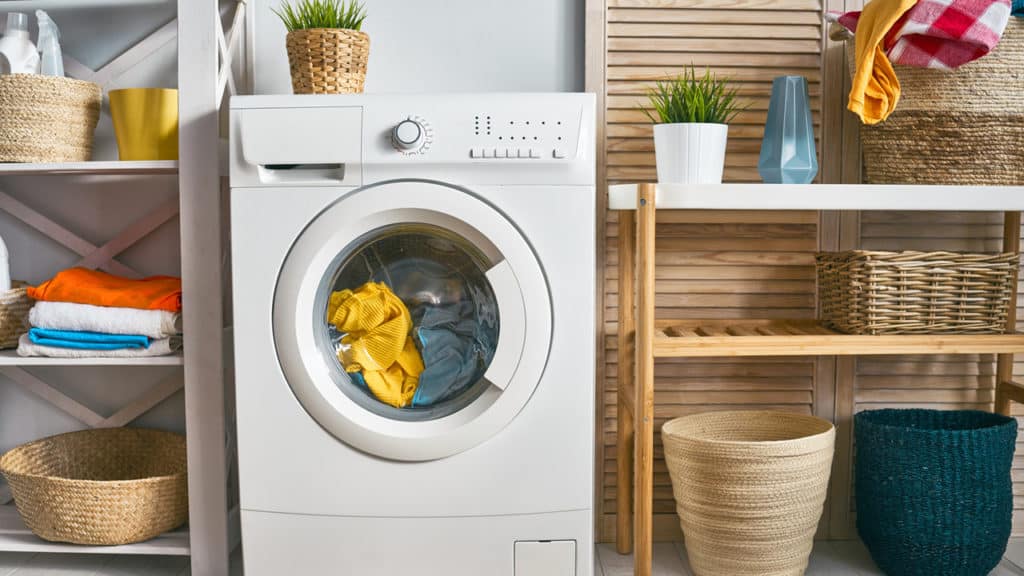
After just one week, I noticed a difference. My towels felt softer, my clothes smelled fresher (without being perfumed), and the static cling I used to battle every winter practically disappeared.
More importantly, my skin felt less irritated. I didn’t realize how much those synthetic scents and coatings affected me until they were gone. My laundry also dried faster—likely because there was no waxy residue clogging up the dryer vent or coating the fabric.
The most satisfying part? My laundry routine became simpler and cheaper. A gallon of white vinegar costs just a few dollars and lasts for months, whereas dryer sheets need constant replenishing.

Why It’s Better for Your Home and the Planet
Switching to vinegar doesn’t just benefit your laundry—it’s a win for your household and the environment, too.
- Eco-friendly: Vinegar is biodegradable and safe for septic systems, unlike the synthetic ingredients in dryer sheets.
- Less waste: You’re no longer tossing out single-use sheets after every load.
- Healthier air quality: No more synthetic fragrances or VOCs (volatile organic compounds) being released into your home each time you open the dryer.
- Extended appliance life: Vinegar prevents detergent buildup and helps keep your washing machine fresh and clean.
This small change has helped me cut down on both plastic waste and indoor air pollutants.
Common Questions People Ask
1. Won’t my clothes smell like vinegar?
Not at all. The strong odor dissipates completely during the rinse and drying cycles. What’s left behind is just neutral, fresh-smelling fabric.
2. Can vinegar damage my washing machine?
No—white distilled vinegar is safe for all standard and high-efficiency machines. In fact, it helps remove soap scum and mineral buildup inside the washer, keeping it cleaner.
3. Will it affect fabric color?
No, vinegar is gentle enough for all fabrics, including colored items. It can even help prevent color fading by dissolving detergent residue.
4. Can I use it with bleach or fabric softener?
Avoid mixing vinegar directly with bleach, as that combination can produce chlorine gas. But you can safely alternate them in separate cycles if needed.
Bonus Tips to Make Vinegar Work Even Better
If you want to maximize the benefits, here are a few helpful tricks:
- Pre-soak smelly clothes: For workout gear or musty towels, soak them in a mixture of 1 cup vinegar and warm water for 30 minutes before washing.
- Use a vinegar rinse monthly: Run an empty hot-water cycle with 1 cup vinegar to clean your washer and remove buildup.
- Add essential oils: For a subtle natural scent, mix 10–15 drops of lavender, lemon, or eucalyptus oil with your vinegar before pouring it into the dispenser.
- Tackle static-heavy loads: For loads that tend to cling (like synthetic fabrics), toss in wool dryer balls or a clean, dry washcloth with a few drops of vinegar.
The Financial Savings
The cost savings alone are worth mentioning. A 40-count box of dryer sheets might cost around $6 and last a month or two. A single gallon of white vinegar, at roughly the same price, can last half a year or more—even if you do laundry several times a week.
Over time, this switch saves hundreds of dollars, especially for large households. It’s one of those small, sustainable swaps that genuinely makes a noticeable difference in both your budget and your environmental footprint.
Final Thoughts: Simplicity Wins
What started as an experiment has become a permanent change in my laundry routine. I’ll admit—I was hesitant at first. After all, dryer sheets had been my go-to for years. But once I realized that vinegar could do everything they did (and more) without chemicals, waste, or expense, there was no reason to go back.
My clothes feel soft, my dryer runs cleaner, my home smells fresher, and I’m not contributing to landfill waste. It’s one of those satisfying, low-effort swaps that proves natural solutions often outperform store-bought ones.
If you’ve been thinking about cutting down on chemical-laden household products, start with your laundry. Swap your dryer sheets for a splash of white vinegar, and see the difference for yourself. It’s simple, effective, eco-friendly—and once you try it, you’ll probably never look back.