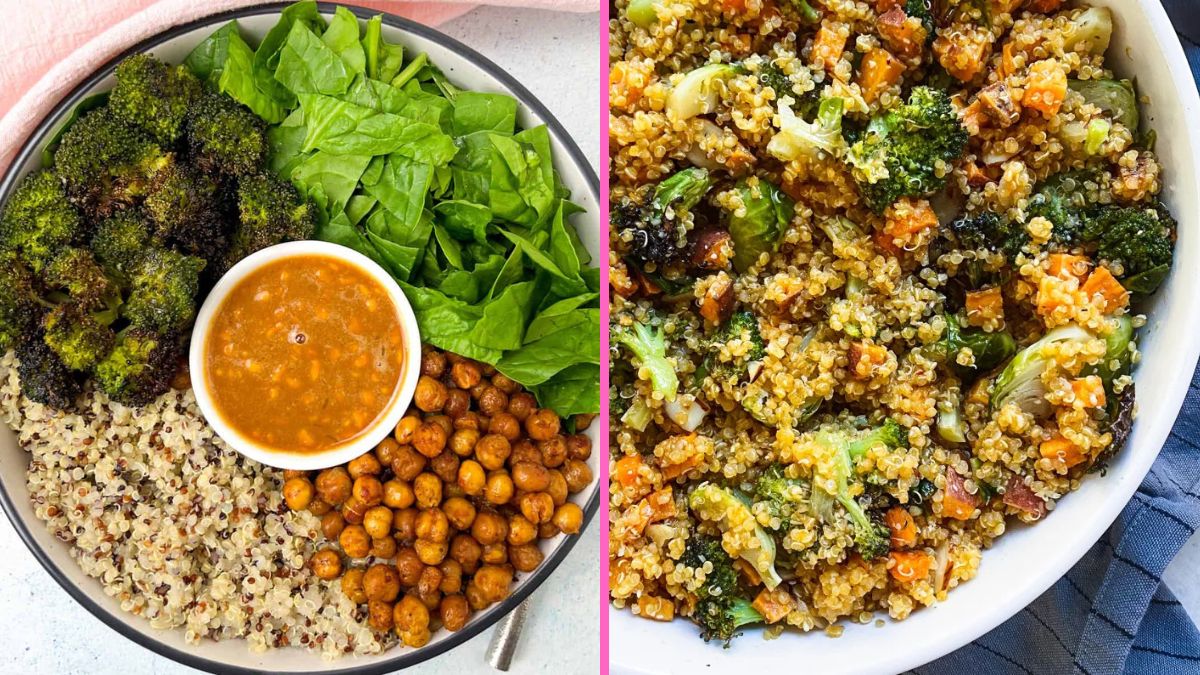
Inflammation is the body’s natural defense mechanism — it helps fight infections and heal injuries. However, when inflammation becomes chronic, it can lead to fatigue, pain, and long-term health conditions such as heart disease, diabetes, arthritis, and even certain cancers. One of the most powerful ways to combat this silent enemy is through food.
A diet rich in anti-inflammatory vegetables, whole grains, healthy fats, and plant-based proteins can help soothe your system naturally. Unlike temporary fixes, these foods nourish your body from the inside out, reducing oxidative stress and helping restore balance.
If you’re looking to feel lighter, more energetic, and healthier, these seven anti-inflammatory veggie recipes are a delicious and wholesome place to start. Each one is packed with antioxidants, vitamins, minerals, and healing compounds that support your body’s natural ability to fight inflammation.
1. Roasted Cauliflower and Turmeric Bowl
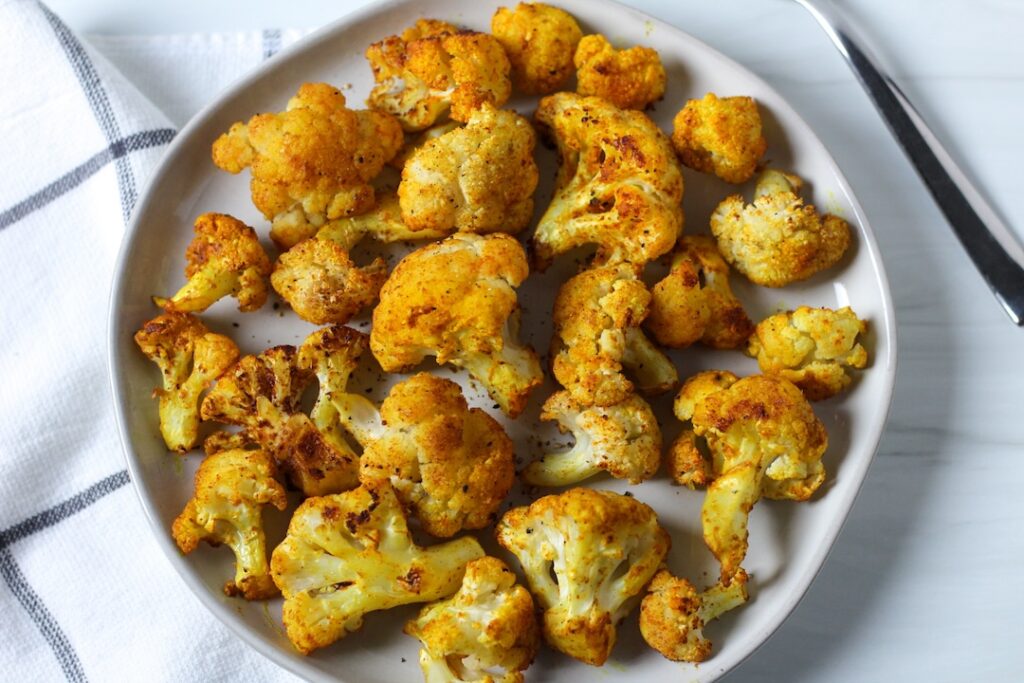
Turmeric is one of the most celebrated anti-inflammatory spices, thanks to its active compound curcumin, which helps block inflammatory pathways in the body. When paired with roasted vegetables, it makes for a comforting, golden-hued meal that’s both healing and satisfying.
Ingredients:
- 1 head of cauliflower, cut into florets
- 1 tablespoon olive oil
- 1 teaspoon ground turmeric
- ½ teaspoon cumin
- Salt and pepper to taste
- ½ cup cooked quinoa
- A handful of spinach or arugula
- Lemon-tahini dressing
Why it works:
Cauliflower contains antioxidants like vitamin C and sulforaphane, which protect cells from damage. The turmeric and olive oil combination enhances absorption of curcumin, amplifying its anti-inflammatory power.
Tip: Sprinkle black pepper on top — it increases the bioavailability of curcumin by up to 2000%!

2. Sweet Potato and Kale Salad with Ginger Dressing
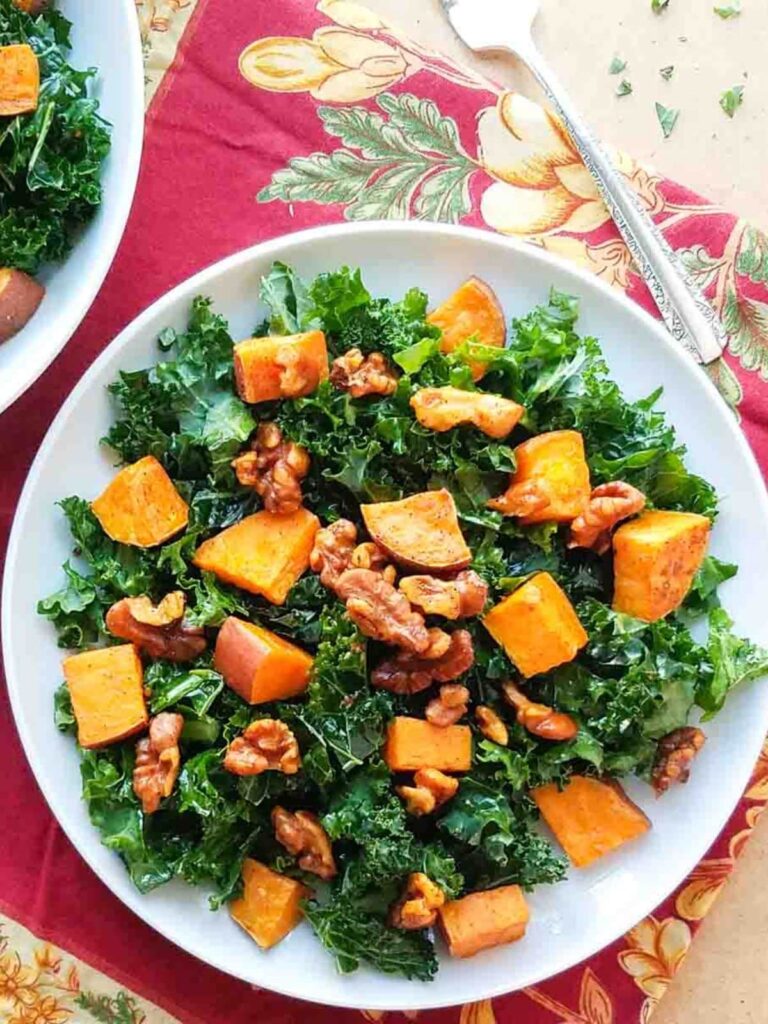
Sweet potatoes and kale are both loaded with nutrients that calm inflammation. Sweet potatoes provide beta-carotene, a powerful antioxidant, while kale delivers vitamin K and polyphenols that support healthy immune function.
Ingredients:
- 1 large sweet potato, cubed and roasted
- 2 cups kale, massaged with olive oil
- ½ avocado, sliced
- ¼ cup pumpkin seeds
- 1 tablespoon grated fresh ginger
- 1 tablespoon olive oil
- 1 tablespoon apple cider vinegar
- 1 teaspoon honey or maple syrup
Why it works:
Ginger contains gingerol, a compound known to reduce muscle pain and joint inflammation. Combined with kale’s phytonutrients, this salad supports detoxification and reduces oxidative stress.
Tip: Massage the kale for at least two minutes — it softens the leaves and makes them easier to digest.
3. Lentil and Vegetable Curry
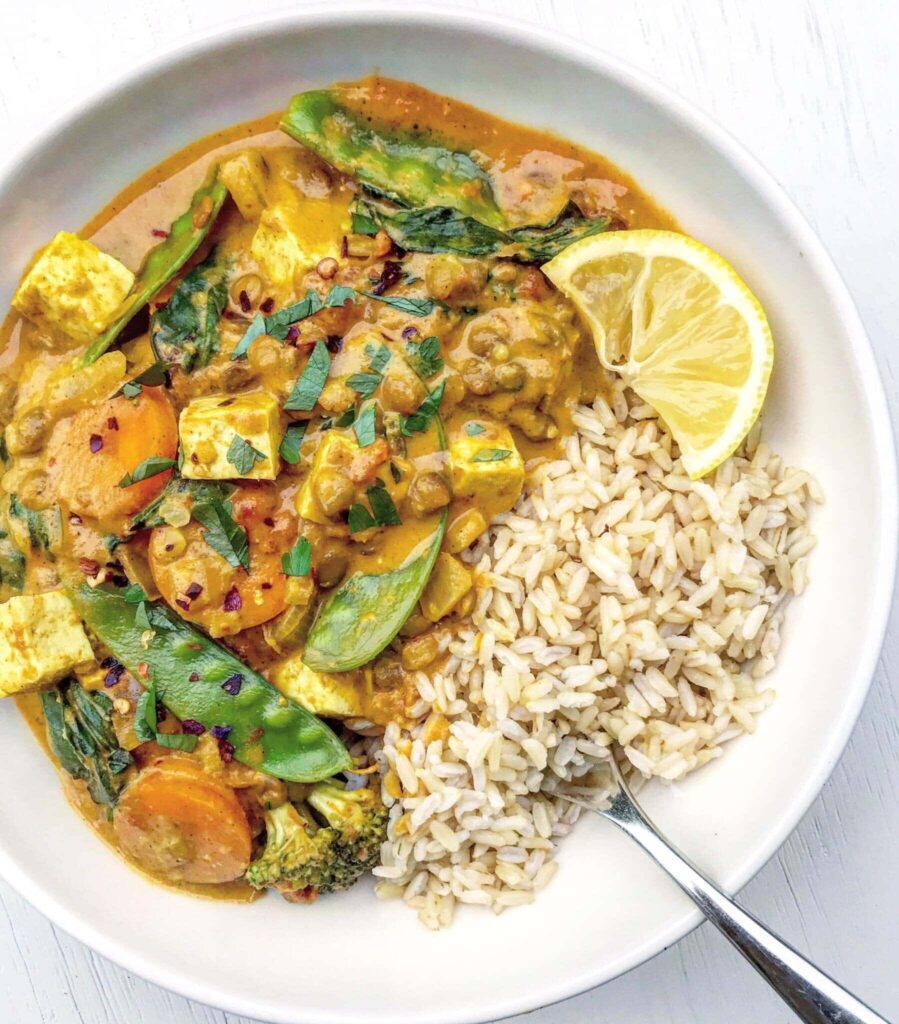
This hearty curry is not only comforting but also one of the most nutrient-dense anti-inflammatory meals you can make. It’s full of lentils, vegetables, and spices that fight inflammation naturally.
Ingredients:
- 1 cup red or green lentils, rinsed
- 1 onion, chopped
- 2 cloves garlic, minced
- 1 tablespoon grated ginger
- 1 cup diced tomatoes
- 1 cup coconut milk
- 1 teaspoon turmeric
- 1 teaspoon cumin
- 1 teaspoon coriander
- 2 cups spinach or kale
Why it works:
Lentils are rich in plant protein, fiber, and minerals that support gut health — an essential factor in controlling inflammation. The turmeric, ginger, and garlic trio provides a strong anti-inflammatory punch, while coconut milk adds healthy fats that enhance nutrient absorption.
Tip: Add a squeeze of lime before serving for extra freshness and a vitamin C boost.
4. Zucchini Noodles with Walnut Pesto
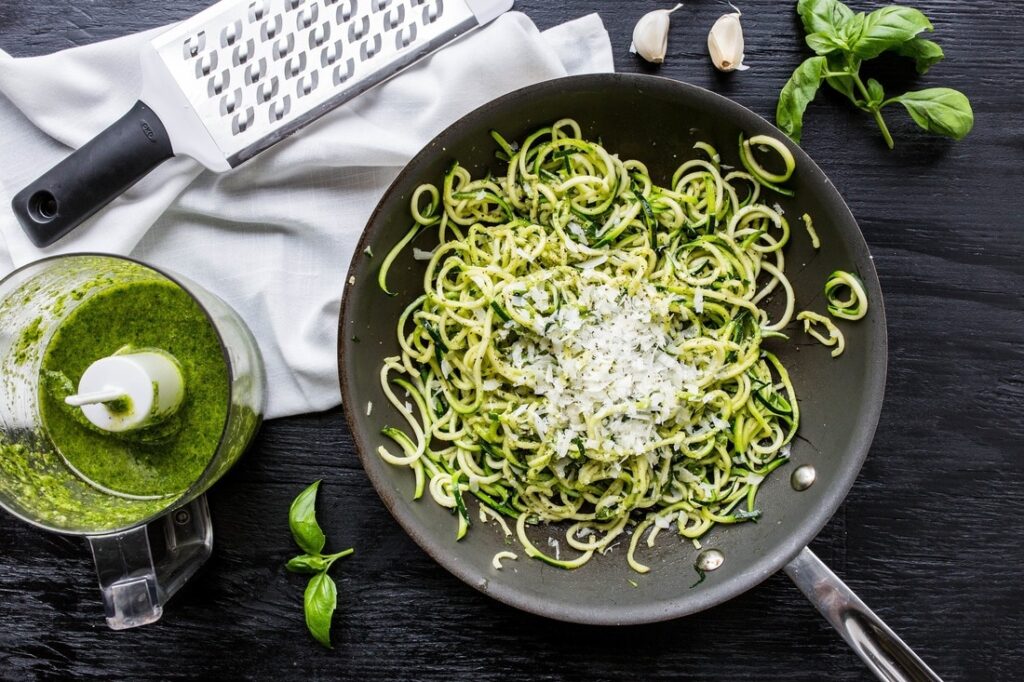
Traditional pesto is already heart-healthy, but this walnut-based version takes it up a notch. Walnuts are one of the best plant sources of omega-3 fatty acids, which are crucial for reducing inflammation throughout the body.
Ingredients:
- 2 medium zucchinis, spiralized into noodles
- ½ cup walnuts
- 1 cup fresh basil leaves
- 1 clove garlic
- 2 tablespoons olive oil
- 1 tablespoon lemon juice
- Salt to taste
Why it works:
Walnuts and olive oil contain alpha-linolenic acid (ALA), an omega-3 that helps lower inflammatory markers. Zucchini is hydrating and rich in antioxidants, helping flush toxins and reduce cellular stress.
Tip: If you prefer a warm meal, lightly sauté the zucchini noodles for 1–2 minutes before tossing them with pesto.
5. Broccoli, Chickpea, and Avocado Buddha Bowl
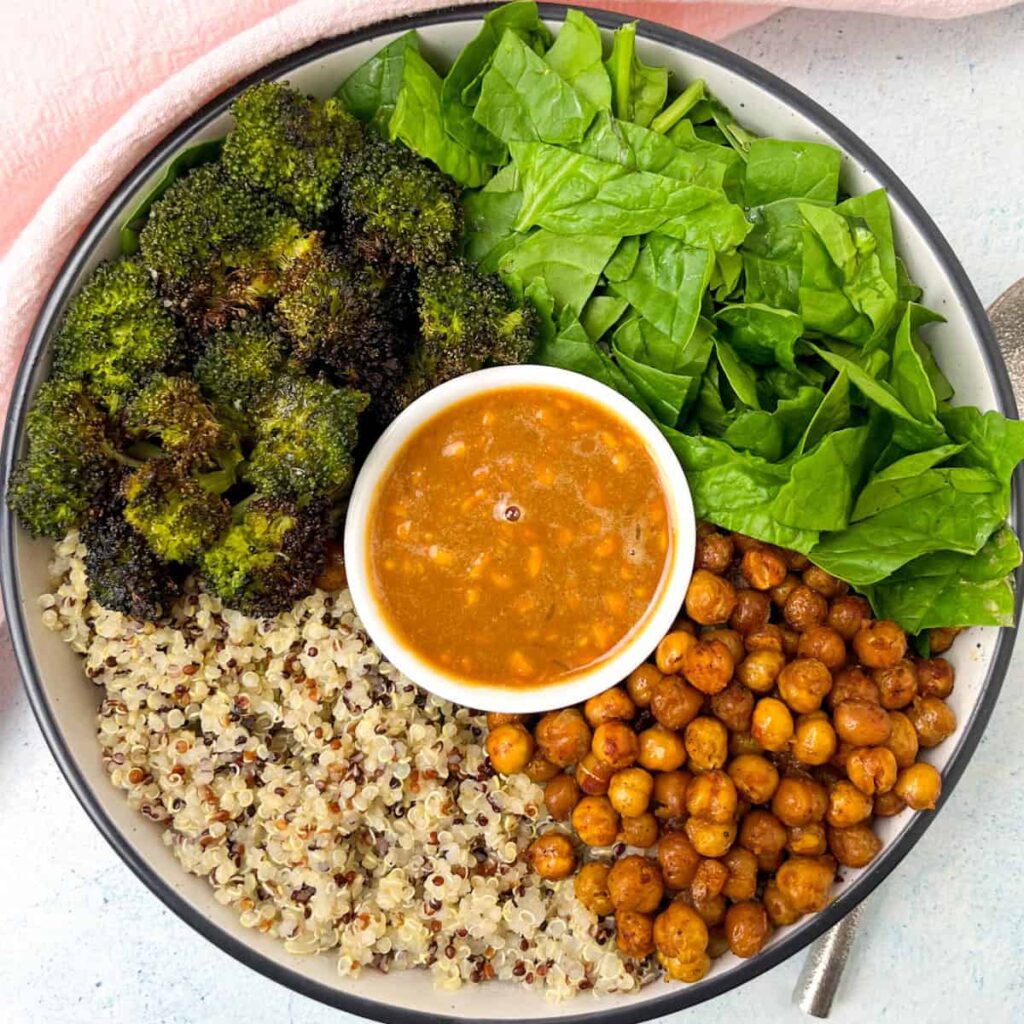
This bowl combines fiber, protein, and healthy fats for a balanced meal that keeps inflammation at bay. Each ingredient is chosen for its nutrient density and healing properties.
Ingredients:
- 1 cup cooked chickpeas
- 1 cup steamed broccoli
- ½ avocado, sliced
- ½ cup cooked quinoa or brown rice
- 1 tablespoon olive oil
- Juice of half a lemon
- A sprinkle of sesame or hemp seeds
Why it works:
Broccoli is part of the cruciferous family and contains sulforaphane, a compound that helps reduce inflammatory responses in the body. Chickpeas provide plant-based protein and fiber, while avocado’s healthy fats support joint and heart health.
Tip: Drizzle with tahini-lemon sauce for extra creaminess and calcium.
6. Spiced Carrot and Lentil Soup
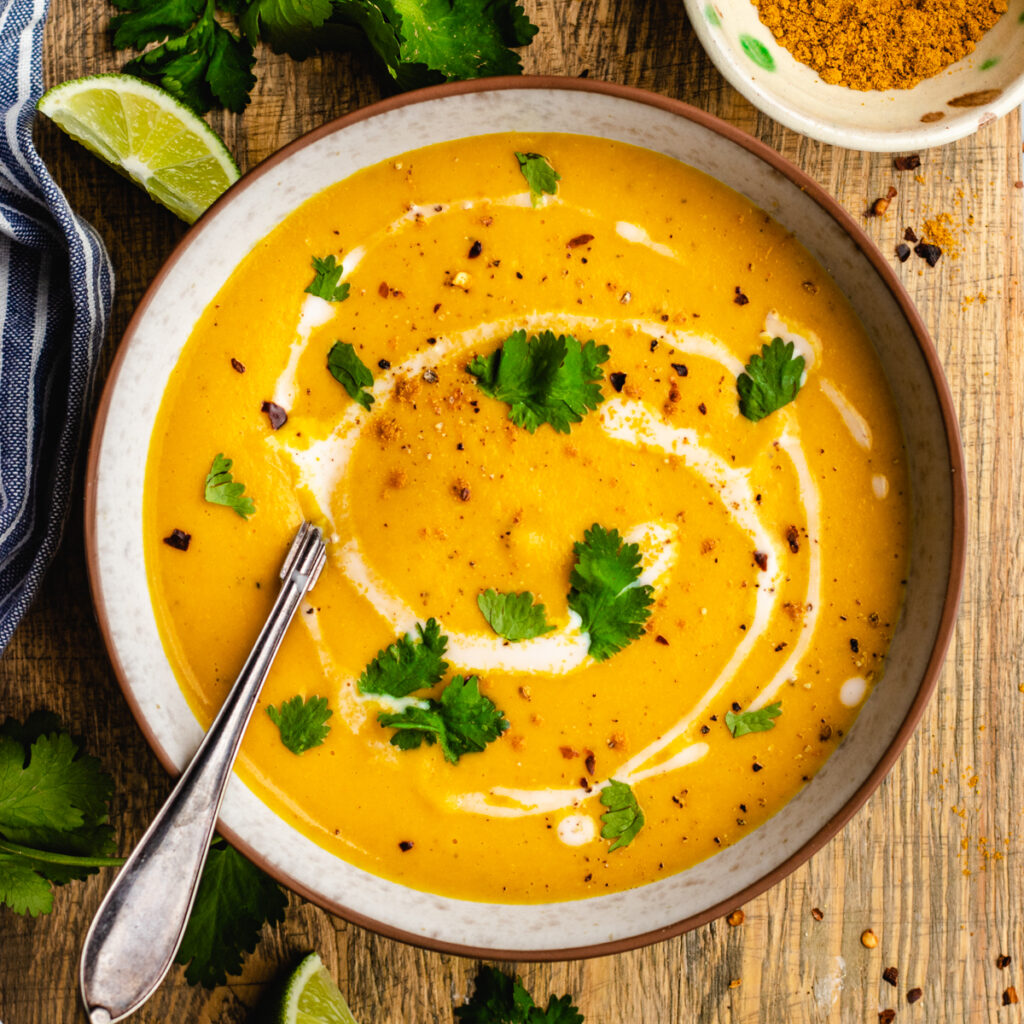
This cozy, orange-hued soup is a bowl of pure comfort and healing. The combination of carrots, lentils, and anti-inflammatory spices makes it perfect for easing joint pain, bloating, or fatigue.
Ingredients:
- 1 cup red lentils
- 4 carrots, chopped
- 1 onion, diced
- 2 cloves garlic, minced
- 1 teaspoon cumin
- ½ teaspoon turmeric
- ½ teaspoon paprika
- 4 cups vegetable broth
- Olive oil for sautéing
Why it works:
Carrots are rich in beta-carotene and vitamin A, both of which support immune health and reduce inflammation. Lentils stabilize blood sugar, preventing the inflammatory effects of sugar spikes, while the spices boost circulation and metabolism.
Tip: Garnish with a swirl of olive oil or a spoonful of coconut yogurt for a creamy finish.
7. Grilled Veggie and Quinoa Salad with Lemon-Herb Dressing
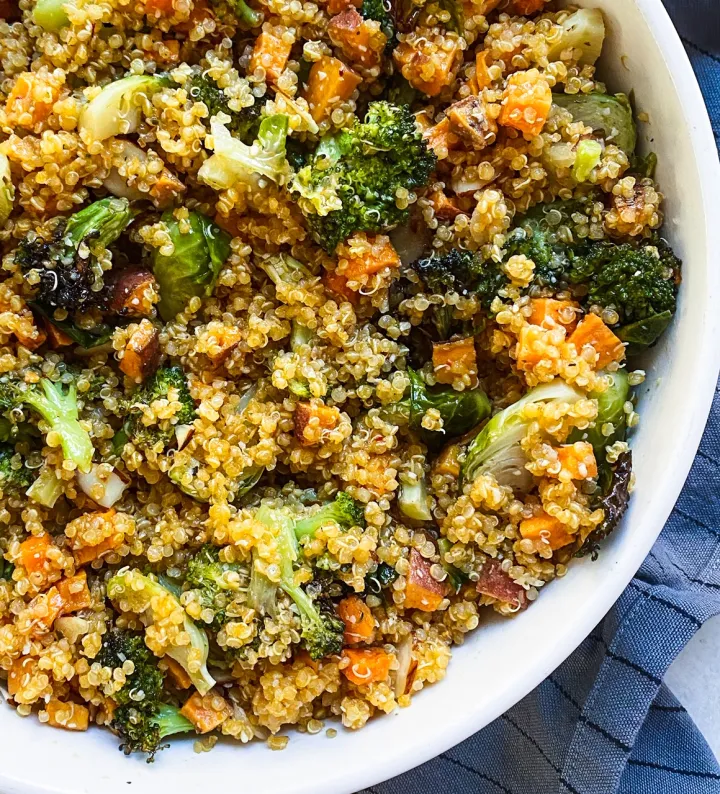
This recipe is all about color, crunch, and plant-based power. Grilling vegetables enhances their flavor while retaining most nutrients. Combined with quinoa and a citrusy dressing, it becomes a refreshing and anti-inflammatory lunch or dinner.
Ingredients:
- 1 cup cooked quinoa
- 1 zucchini, sliced
- 1 bell pepper, cut into strips
- ½ red onion, sliced
- 1 tablespoon olive oil
- 1 teaspoon dried oregano
- Juice of one lemon
- Fresh parsley for garnish
Why it works:
Quinoa is a complete protein that helps repair tissues and maintain muscle mass. The grilled veggies add antioxidants like vitamin C and polyphenols, while the olive oil and herbs provide omega-rich anti-inflammatory benefits.
Tip: Grill extra vegetables for use in wraps or sandwiches later in the week.
The Science Behind Anti-Inflammatory Eating
These recipes aren’t just delicious — they’re backed by science. Chronic inflammation is often linked to diets high in refined carbs, sugars, and trans fats. Plant-based foods, on the other hand, help neutralize free radicals and balance the body’s pH, both of which are vital for reducing inflammation.
Key nutrients that fight inflammation include:
- Omega-3 fatty acids: Found in walnuts, flaxseeds, and chia seeds.
- Antioxidants: Present in colorful vegetables like carrots, peppers, and leafy greens.
- Polyphenols: Plant compounds in berries, olive oil, and herbs that protect against oxidative stress.
- Fiber: Helps maintain gut health — a healthy gut microbiome is linked to lower inflammation.
When you eat a variety of vegetables, you supply your body with the natural tools it needs to heal and stay strong.
Tips for an Anti-Inflammatory Lifestyle
To get the most benefit from these recipes, pair them with healthy lifestyle choices:
- Stay Hydrated: Water helps flush out toxins that can trigger inflammation.
- Limit Processed Foods: Avoid refined sugar, fried foods, and artificial additives.
- Add Herbs and Spices: Turmeric, ginger, garlic, cinnamon, and oregano have natural anti-inflammatory compounds.
- Move Your Body: Light exercise like yoga or walking enhances circulation and reduces inflammatory markers.
- Get Enough Sleep: Poor sleep raises cortisol, which can worsen inflammation.
Small, consistent steps can make a significant difference in how you feel day-to-day.
Final Thoughts: Heal with Every Bite
You don’t need medication or extreme diets to fight inflammation — nature already provides everything you need. These seven veggie-based recipes are proof that food can be both healing and satisfying.
From the golden turmeric cauliflower bowl to the vibrant sweet potato kale salad, each dish is designed to nourish your body and calm inflammation naturally. Over time, eating this way can improve your digestion, energy, skin, and overall well-being.
So, fill your plate with plants, cook with color, and let every meal become a step toward a calmer, healthier you.