In today’s world, where sustainability, health, and self-sufficiency are becoming increasingly important, the idea of growing your own food holds more value than ever. Among the easiest and most rewarding crops to grow at home is the humble potato. Whether you have a sprawling backyard or just a few containers on your balcony, growing your own potatoes can transform your cooking, reduce waste, and make your kitchen truly “green.” This article explores how homegrown potatoes can lead to a more eco-friendly lifestyle — from planting and harvesting to cooking and composting.
1. Why Growing Your Own Potatoes Matters
Potatoes are one of the world’s most versatile and nutritious crops, but their commercial production often involves heavy chemical use, long-distance transportation, and significant packaging waste. By growing your own, you take control of your food source while minimizing your environmental footprint.
- Reduced Carbon Footprint: Store-bought potatoes often travel hundreds or thousands of kilometers before reaching your plate. When you grow your own, you eliminate the emissions associated with transport and refrigeration.
- Less Plastic Waste: Supermarket potatoes frequently come in plastic bags or mesh nets that end up in landfills. Homegrown produce requires no packaging.
- Fewer Chemicals: Many commercial farms rely on pesticides and fertilizers. Home gardeners can use organic compost and natural pest deterrents to produce clean, chemical-free food.
- Food Security and Self-Reliance: Growing even a small portion of your food increases independence and resilience, especially in uncertain times.
By turning a small patch of soil into a potato garden, you’re not only nurturing plants — you’re nurturing a sustainable lifestyle.
2. Choosing the Right Potato Varieties for Home Gardens
Potatoes come in hundreds of varieties, each suited for different growing conditions and culinary uses. Selecting the right type for your climate and kitchen goals is key.
- Early Varieties (like Rocket, Swift, or Yukon Gold): Mature quickly, ready in 8–10 weeks. Ideal for gardeners with limited space or short growing seasons.
- Maincrop Varieties (such as Maris Piper, Russet Burbank, or King Edward): Take longer (up to 20 weeks) but yield larger harvests. Best for winter storage.
- Specialty or Heritage Varieties (like Purple Majesty or Pink Fir Apple): Offer unique colors and flavors, adding creativity to vegetarian cooking.
If you’re growing in containers, choose compact or early types. For larger gardens, maincrop potatoes provide a generous return for your effort.
3. Preparing the Perfect Growing Space
Potatoes thrive in loose, well-drained soil and full sunlight. They need room to develop tubers underground, so soil preparation is crucial.
- Soil Preparation: Loosen the soil to a depth of at least 25–30 cm. Mix in compost, aged manure, or organic matter to enrich the soil with nutrients.
- Container Growing: If space is limited, use grow bags, buckets, or large pots. Ensure they have drainage holes. Fill halfway with soil and add more as the plants grow (“earthing up”).
- Site Selection: Choose a sunny location. Potatoes need 6–8 hours of direct sunlight each day to grow healthy tubers.
- Crop Rotation: Avoid planting potatoes in the same spot year after year. Rotate with legumes or leafy greens to prevent soil depletion and disease buildup.
This stage lays the foundation for a healthy, sustainable potato crop — and, ultimately, a greener kitchen.
4. Planting and Caring for Your Potatoes
Start with seed potatoes, not supermarket ones. Certified seed potatoes are disease-free and produce higher yields.
Steps to Planting:
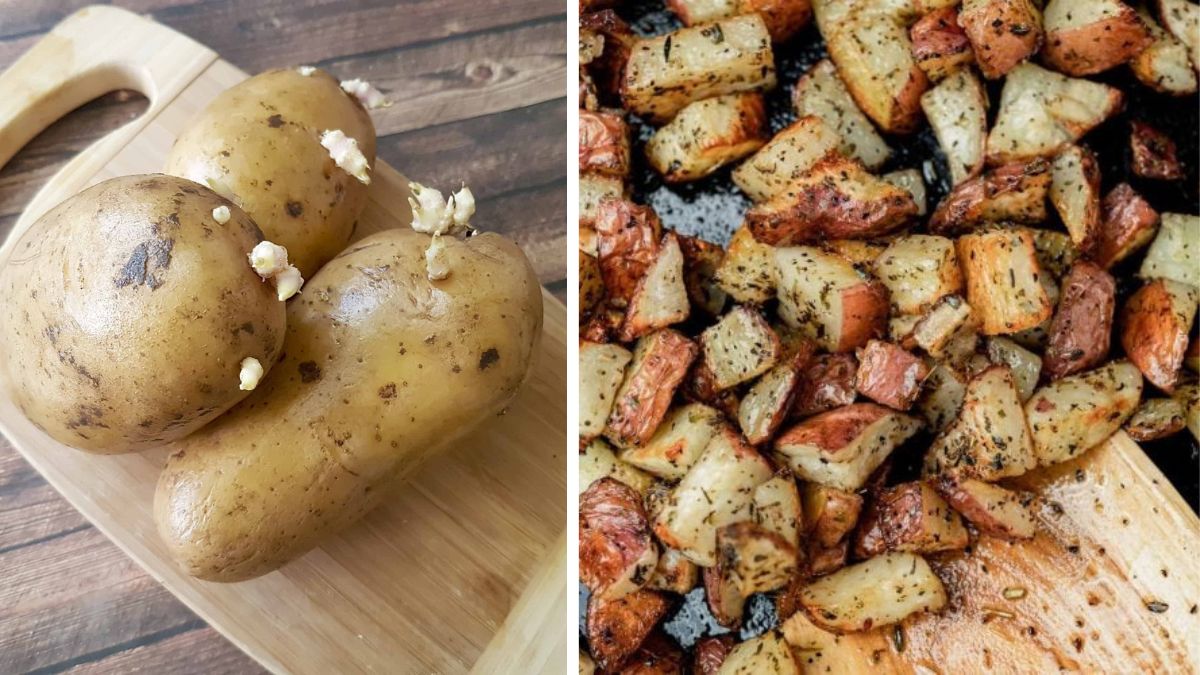
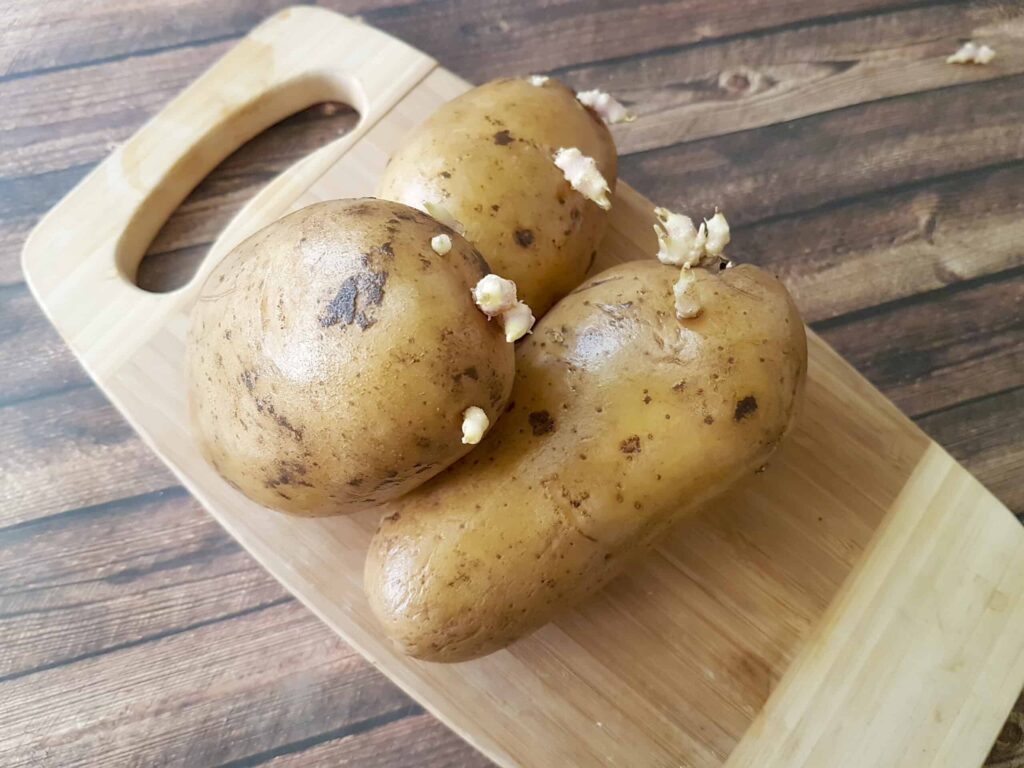
- Chitting (Pre-sprouting): Place seed potatoes in a cool, light area for 2–3 weeks until short, sturdy sprouts form.
- Planting Depth: Plant seed potatoes about 10–15 cm deep and 30 cm apart, with rows spaced 60 cm apart.
- Watering: Keep the soil consistently moist but not waterlogged. Potatoes need plenty of water, especially as tubers form.
- Earthing Up: When plants grow 15–20 cm tall, gently mound soil around the base to cover the lower stems. This encourages more tubers to form and prevents greening.
Pest and Disease Control (Naturally):
- Rotate crops annually to prevent blight.
- Use companion planting — marigolds deter aphids, while beans improve soil fertility.
- Avoid chemical pesticides; instead, use neem oil or compost tea as natural repellents.
By growing organically, you ensure that your potatoes — and your kitchen — remain as green and natural as possible.
5. Harvesting and Storing Homegrown Potatoes
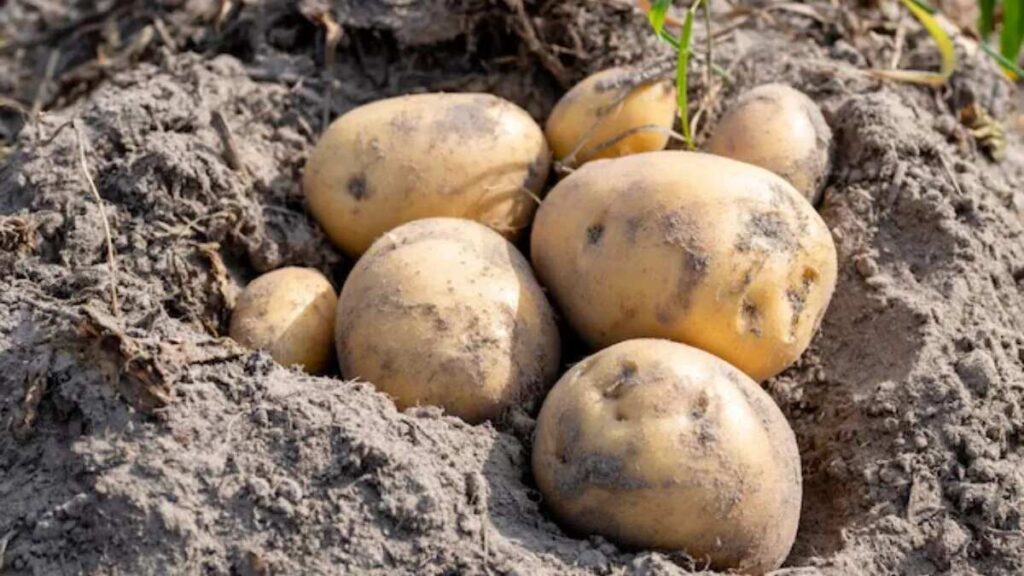
Harvesting is one of the most rewarding stages of potato gardening.
- For Early Potatoes: Harvest when plants flower, about 8–10 weeks after planting. Gently dig around the base to collect baby potatoes.
- For Maincrop Potatoes: Wait until the leaves yellow and die back (15–20 weeks). Allow the tubers to harden in the soil for a few days before harvesting.
Post-Harvest Handling:
- Brush off excess soil; don’t wash until ready to cook.
- Cure potatoes in a cool, dark place for about 10 days to toughen the skin.
- Store in paper bags or ventilated baskets in a dark, dry spot — never in the refrigerator.
Properly stored homegrown potatoes can last for months, providing you with a steady supply of fresh, eco-friendly ingredients for your meals.
6. Cooking with Homegrown Potatoes: From Soil to Supper
Once harvested, your potatoes become the star of the kitchen. Freshly dug potatoes have a creamy texture and rich flavor unmatched by store-bought ones.
Creative Vegetarian Dishes to Try:
- Herbed Potato Salad: Combine boiled baby potatoes with olive oil, lemon, parsley, and mustard for a simple yet flavorful side.
- Rustic Veggie Stew: Use your own potatoes, carrots, and beans in a hearty vegetable broth — comfort food at its best.
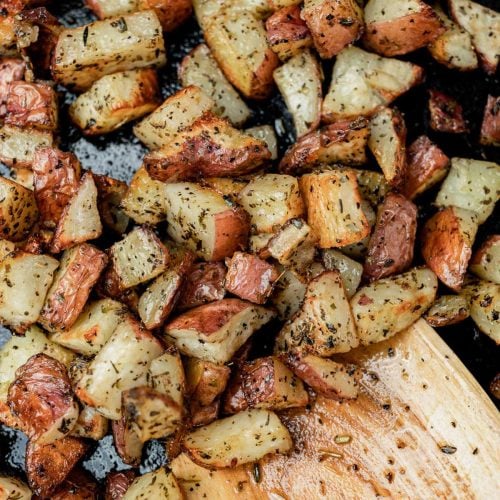
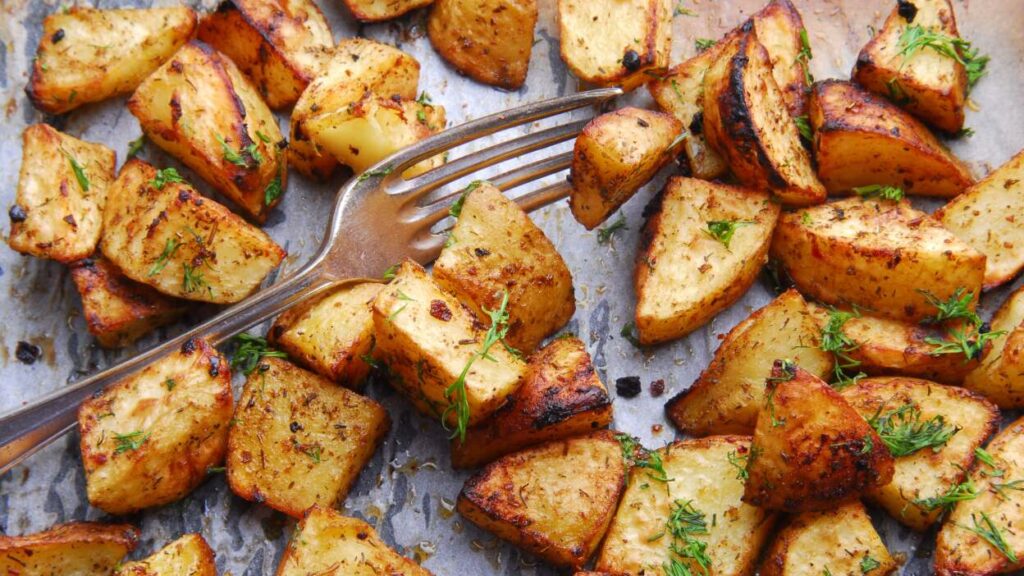
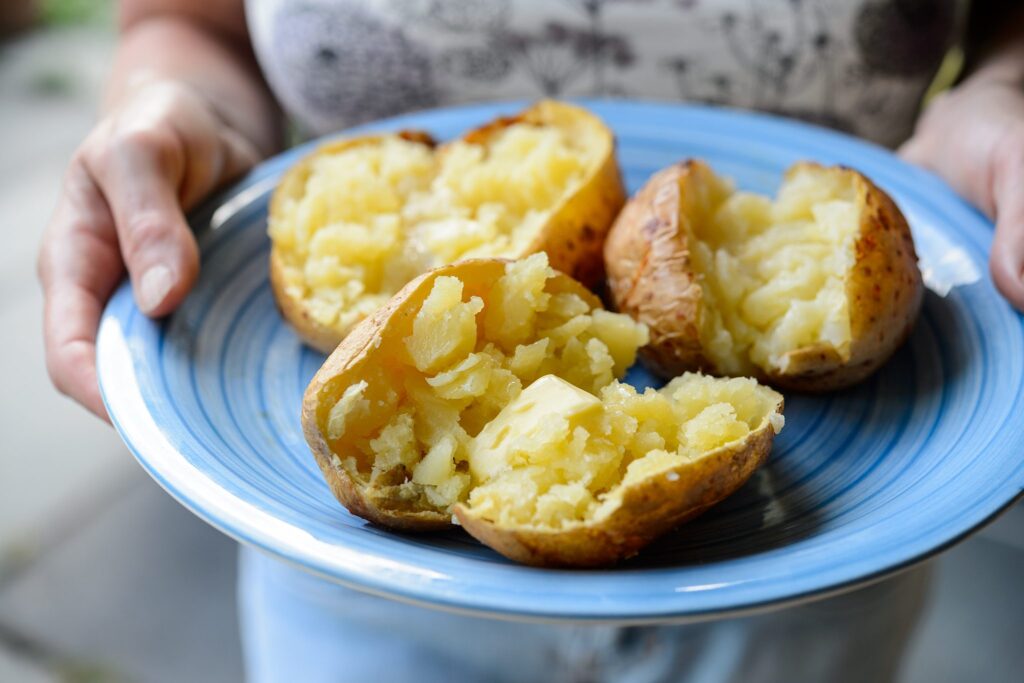
- Baked Potato Skins: Roast potato halves, scoop out the centers for mashed potatoes, and crisp up the skins for zero-waste snacks.
- Potato Pancakes or Patties: Perfect for breakfast or brunch, made with grated potatoes, onions, and herbs.
The versatility of homegrown potatoes allows you to experiment with global cuisines — from Indian aloo sabzi to Spanish tortilla or creamy mashed potatoes for Western comfort food.
Cooking what you grow brings an unmatched sense of satisfaction and connection to your food.
7. Closing the Loop: Compost and Sustainability
A greener kitchen doesn’t end with cooking — it continues with responsible waste management. Potato peels, stems, and leaves can all go into the compost bin to enrich your soil for the next planting season.
Here’s how to maintain a sustainable cycle:
- Compost Kitchen Scraps: Mix potato peels with other vegetable waste, dry leaves, and garden trimmings.
- Reuse Soil: After harvesting, add compost and rotate crops rather than discarding soil.
- Collect Rainwater: Use it for irrigation instead of tap water.
- Save Seeds: Choose your healthiest potatoes to replant next season — reducing the need to buy new seed stock.
Every step in this cycle reduces waste, conserves resources, and deepens your connection with the environment.
8. The Joy and Impact of a Homegrown Potato Garden
Growing your own potatoes may seem simple, but its benefits ripple far beyond the garden. It teaches patience, mindfulness, and respect for nature’s cycles. It transforms your kitchen into a hub of sustainability, where nothing is wasted, and every meal tells a story — from seed to plate.
A “greener kitchen” isn’t just about eco-friendly gadgets or compost bins; it’s about the choices you make every day — choosing homegrown over packaged, organic over chemical, and local over imported. When you plant a potato, you’re planting more than food. You’re planting the idea of a cleaner planet, healthier meals, and a more sustainable way of living.
Conclusion
“Potatoes You Grow Yourself for a Greener Kitchen” captures the heart of a modern eco-conscious lifestyle — one where gardening and cooking merge into a cycle of sustainability and joy. Every tuber you grow reduces waste, saves energy, and adds flavor to your plate. In a world where food often feels disconnected from its source, homegrown potatoes remind us of a timeless truth: the best meals come from the earth, nurtured by our own hands.