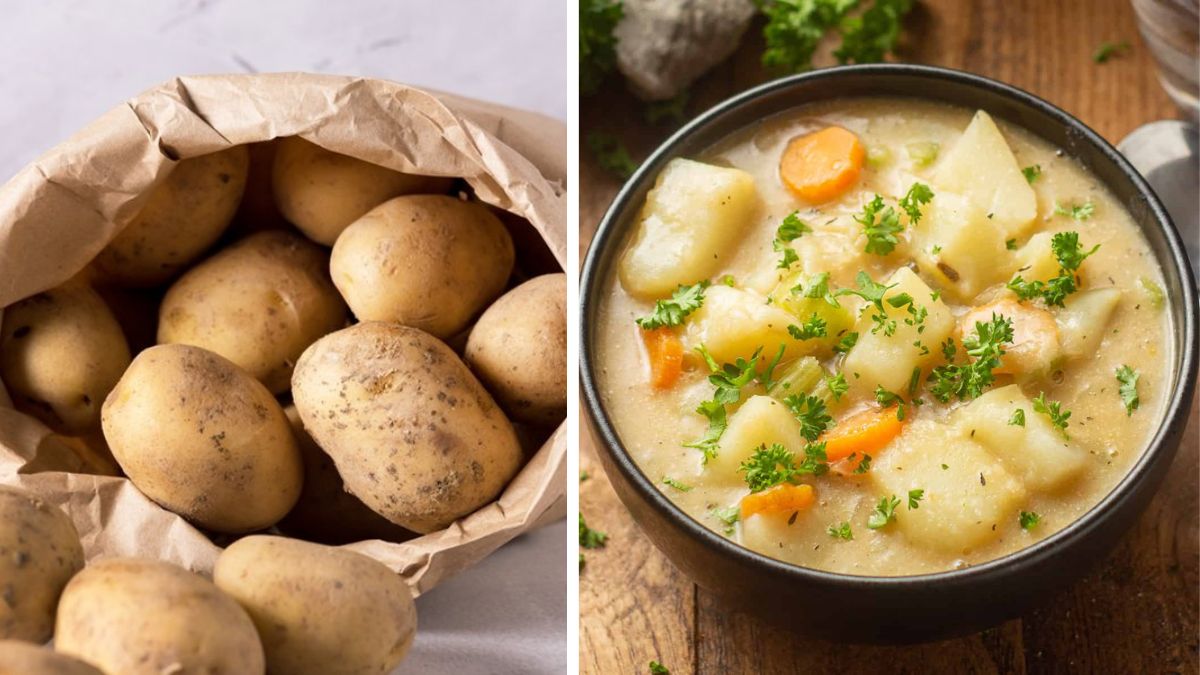
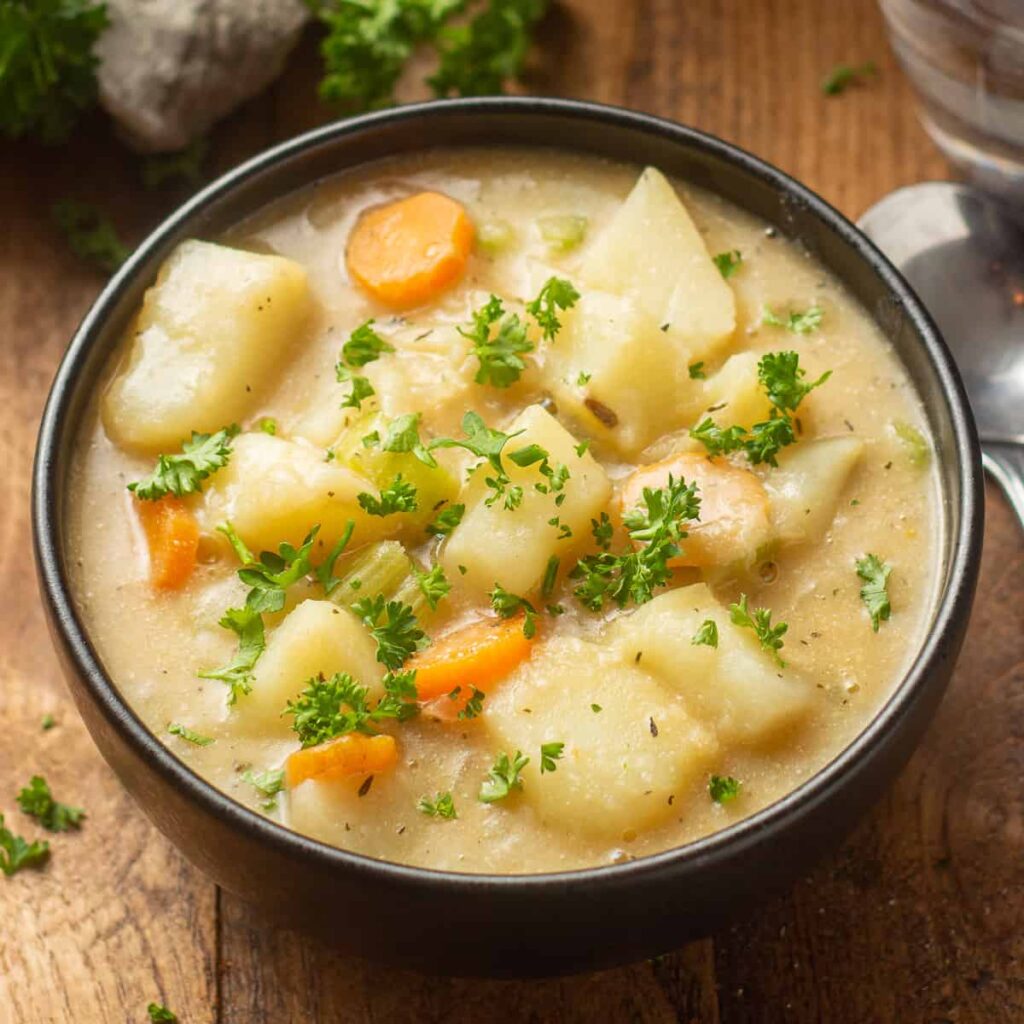
There’s something deeply comforting about a steaming bowl of homemade vegetarian soup — simple ingredients simmered to perfection, filling your kitchen with warmth and fragrance. At the heart of many of these soups lies a humble hero: the potato. Soft, hearty, and naturally creamy, potatoes provide the perfect base for vegetarian soups, giving them body and flavor without the need for heavy dairy or meat-based stocks.
But imagine the difference when those potatoes come not from a supermarket shelf, but from your own garden — freshly dug, chemical-free, and bursting with flavor. Growing your own potatoes for vegetarian soups isn’t just rewarding; it’s a sustainable, delicious, and empowering way to transform your cooking.
This article explores everything you need to know about cultivating potatoes at home, from planting and caring for your crop to harvesting and turning it into hearty, flavorful soups that nourish both body and soul.
1. Why Homegrown Potatoes Make Better Soups
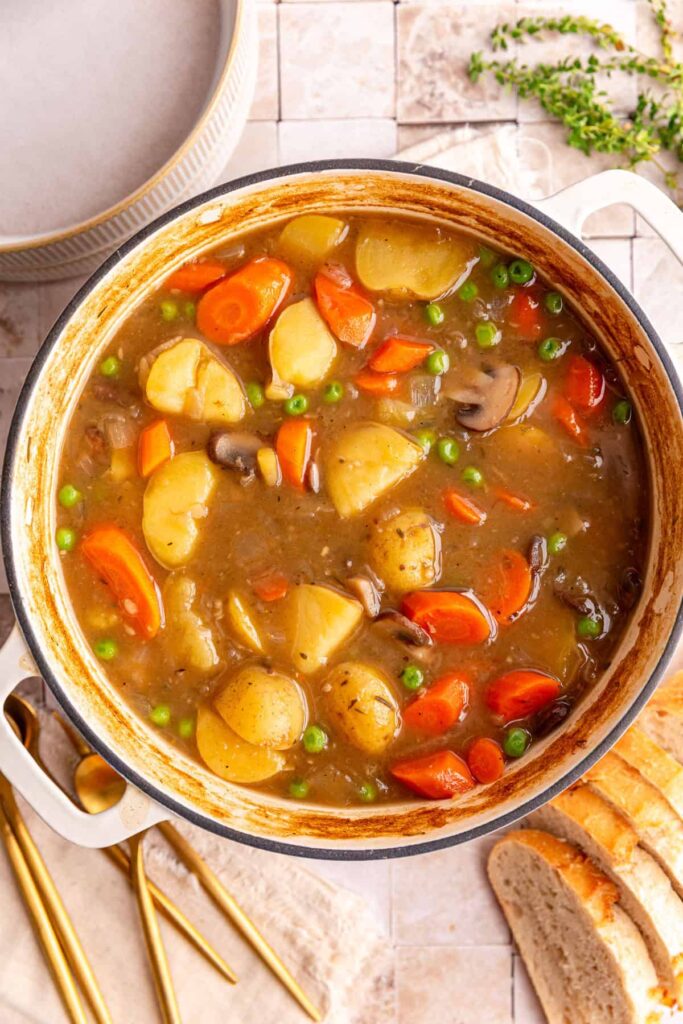
Potatoes are one of the most popular soup ingredients worldwide — from creamy leek and potato soup to hearty vegetable chowders and spicy Indian stews. However, store-bought potatoes often spend weeks in storage, losing both nutrients and taste.
Homegrown potatoes offer several unique advantages for soup-making:
- Superior Flavor: Freshly dug potatoes have a subtle sweetness and earthy aroma that commercial ones lose over time.
- Better Texture: Homegrown potatoes hold their structure better, giving soups a velvety smoothness without becoming gluey.
- Nutrient-Rich: Because you control what goes into your soil, homegrown potatoes are free from chemical fertilizers and rich in vitamins and minerals.
- Eco-Friendly: Growing your own food reduces packaging waste and your carbon footprint.
In short, when your soup starts in the soil of your own backyard, it becomes more than just a meal — it becomes a celebration of freshness, sustainability, and creativity.
2. Selecting the Right Potato Varieties for Soups
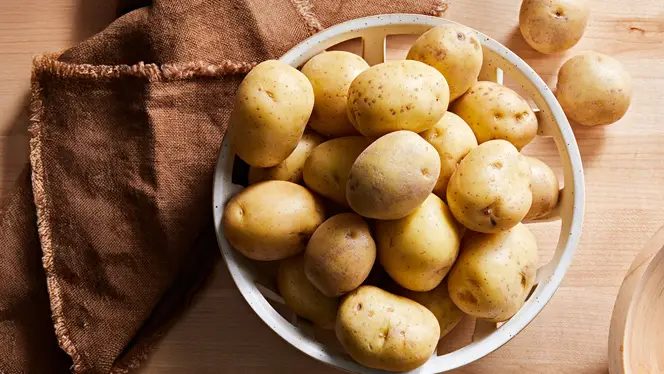
Different potato varieties serve different purposes in the kitchen. For soups, you’ll want potatoes that blend creaminess with structure — varieties that cook down just enough to thicken the broth while still holding some shape.
Here’s a quick guide to choosing the best types for flavorful vegetarian soups:
- Waxy Potatoes (Best for Chunky Soups):
Red Pontiac, Yukon Gold, or Charlotte varieties hold their shape well. Perfect for vegetable soups, minestrone, and brothy stews. - Starchy Potatoes (Best for Creamy Soups):
Russet Burbank and King Edward are excellent for pureed soups. They cook down smoothly and help create a creamy texture naturally. - All-Purpose Varieties:
Desiree and Maris Piper can handle both creamy and chunky styles, making them great for mixed vegetable soups or chowders.
If space allows, plant both waxy and starchy types — that way, you can experiment with a range of vegetarian soup recipes throughout the year.
3. Preparing Your Garden for Potato Growing
Potatoes are relatively easy to grow, making them perfect for beginners. They thrive in cool weather, loose soil, and plenty of sunlight.
Ideal Conditions:
- Sunlight: 6–8 hours of direct sunlight daily.
- Soil: Well-draining, loose, and slightly acidic (pH 5.5–6.5).
- Temperature: Between 10°C and 25°C is ideal for planting and growth.
Soil Preparation Steps:
- Loosen the soil to a depth of 25–30 cm using a spade or fork.
- Mix in compost or aged manure for organic nutrients.
- Avoid freshly applied fertilizer — it can burn the tender shoots.
- Remove stones and debris to prevent misshapen tubers.
If you’re short on space, use large containers, sacks, or grow bags. Potatoes adapt beautifully to container gardening, and you can even grow them on a sunny balcony or patio.
4. Planting Potatoes Step by Step
Growing potatoes begins with seed potatoes — small tubers specifically sold for planting. These are certified disease-free and yield far better results than grocery store potatoes.
Step-by-Step Planting Guide:
- Chitting (Pre-Sprouting): Place seed potatoes in a cool, bright spot for 2–3 weeks until short green sprouts appear.
- Planting Depth: Bury them 10–15 cm deep, with the sprouts facing upward.
- Spacing: Leave 30 cm between plants and 60 cm between rows for healthy growth.
- Watering: Keep the soil evenly moist but never waterlogged.
Earthing Up (Mounding):
As the plants grow to about 20 cm, gently mound soil around their base, covering the lower stems. This protects developing tubers from sunlight (which turns them green and bitter) and encourages higher yields. Repeat this process two or three times during growth.
5. Caring for Your Potato Plants Naturally
To keep your potato patch healthy, focus on organic and eco-friendly care practices.
- Watering: Deep, consistent watering encourages even growth. Overwatering leads to rot, while underwatering makes tubers small and misshapen.
- Mulching: Cover the soil with straw, leaves, or compost to retain moisture and control weeds.
- Pest Control:
- Plant marigolds nearby to repel beetles and aphids.
- Sprinkle neem oil solution on leaves as a natural deterrent.
- Practice crop rotation to avoid disease buildup.
- Fertilizing: Compost tea or organic fertilizer every 2–3 weeks keeps the plants nourished.
Healthy soil equals healthy potatoes — and healthier, tastier soups.
6. Harvesting and Storing Your Homegrown Potatoes
Potatoes are ready to harvest once the plants begin to flower (for early varieties) or when the foliage turns yellow and dies back (for maincrop varieties).
Harvesting Tips:
- Use a garden fork or your hands to gently lift the soil and collect the tubers.
- Allow the potatoes to dry in the shade for a few hours.
- Brush off excess dirt, but don’t wash until ready to cook — moisture can lead to rot.
Storage:
- Cure potatoes in a cool, dark place for 7–10 days to toughen their skins.
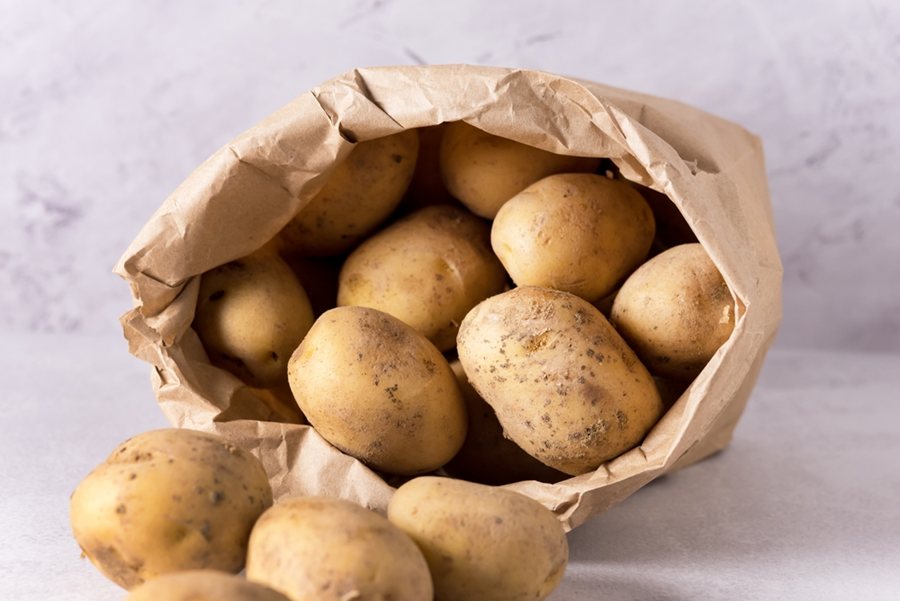
- Store in paper bags or wooden crates, away from sunlight.
- Never refrigerate — cold temperatures convert starch into sugar, altering taste and texture.
Properly stored, your homegrown potatoes can last several months — giving you a steady supply for homemade vegetarian soups all year long.
7. Turning Your Potatoes into Delicious Vegetarian Soups
Now comes the best part — cooking! Homegrown potatoes shine in vegetarian soups thanks to their rich, earthy flavor and creamy consistency.
Here are some classic and creative soup ideas:
A. Classic Creamy Potato and Leek Soup
Ingredients:
- 4 medium homegrown potatoes
- 2 leeks, sliced
- 1 onion, diced
- 4 cups vegetable broth
- Olive oil, salt, pepper, and herbs
Sauté onions and leeks in olive oil until soft. Add diced potatoes and broth. Simmer until tender, then blend for a velvety texture. Top with chives or olive oil drizzle.
B. Rustic Garden Vegetable Soup
Combine your potatoes with carrots, beans, peas, and tomatoes. Let them simmer in vegetable broth with garlic, bay leaves, and thyme. The potatoes naturally thicken the soup, creating a hearty, nutritious meal.
C. Spiced Indian Potato Soup
Use homegrown potatoes, onions, ginger, and curry spices. Add coconut milk for richness and garnish with cilantro. This soup is both aromatic and energizing.
D. Vegan Potato Corn Chowder
Combine diced potatoes with corn, celery, and almond milk for a creamy, dairy-free twist. The natural starch of the potatoes gives a luscious texture.
The possibilities are endless — each recipe transforms your garden’s bounty into warmth and comfort.
8. Sustainable Kitchen Practices for a Greener Future
Homegrown potatoes help you take a big step toward sustainability, but you can go even further:
- Compost: Add potato peels, leaves, and other kitchen scraps to your compost bin to feed next season’s crops.
- Save Seed Potatoes: Choose the healthiest small tubers to replant next year.
- Zero Waste Cooking: Use leftover soup as a base for sauces or casseroles.
- Water Conservation: Collect rainwater or use greywater (from washing vegetables) for irrigation.
These practices close the loop — turning waste into nourishment and ensuring your vegetarian kitchen remains eco-conscious.
9. The Joy of Growing for Cooking
There’s an unmatched satisfaction in preparing a soup made entirely from your own harvest. When you ladle steaming, golden broth into a bowl filled with potatoes you planted months ago, you experience the true farm-to-table connection.
Growing potatoes teaches patience and gratitude; cooking them rewards you with nourishment and flavor. It’s a cycle of giving and receiving — the soil gives you sustenance, and you return to it care and compost.
The best vegetarian soups don’t just come from recipes; they come from respect — for nature, for food, and for the slow rhythm of growth.
10. Conclusion: From Seed to Spoon
“How to Grow Potatoes for Flavorful Vegetarian Soups” is more than a gardening guide — it’s an invitation to reconnect with your food. When you grow your own potatoes, you’re cultivating more than tubers; you’re cultivating a lifestyle of sustainability, creativity, and self-sufficiency.
Each bowl of soup becomes a reflection of your effort — rich, wholesome, and alive with the taste of the earth. You control every step: from choosing the seed to nurturing the soil, harvesting at peak freshness, and finally transforming those golden tubers into hearty, nourishing meals.
So roll up your sleeves, plant those potatoes, and get ready to fill your kitchen with the aroma of homegrown goodness. Because the secret ingredient to any flavorful vegetarian soup isn’t just seasoning — it’s the satisfaction of knowing you grew it yourself.