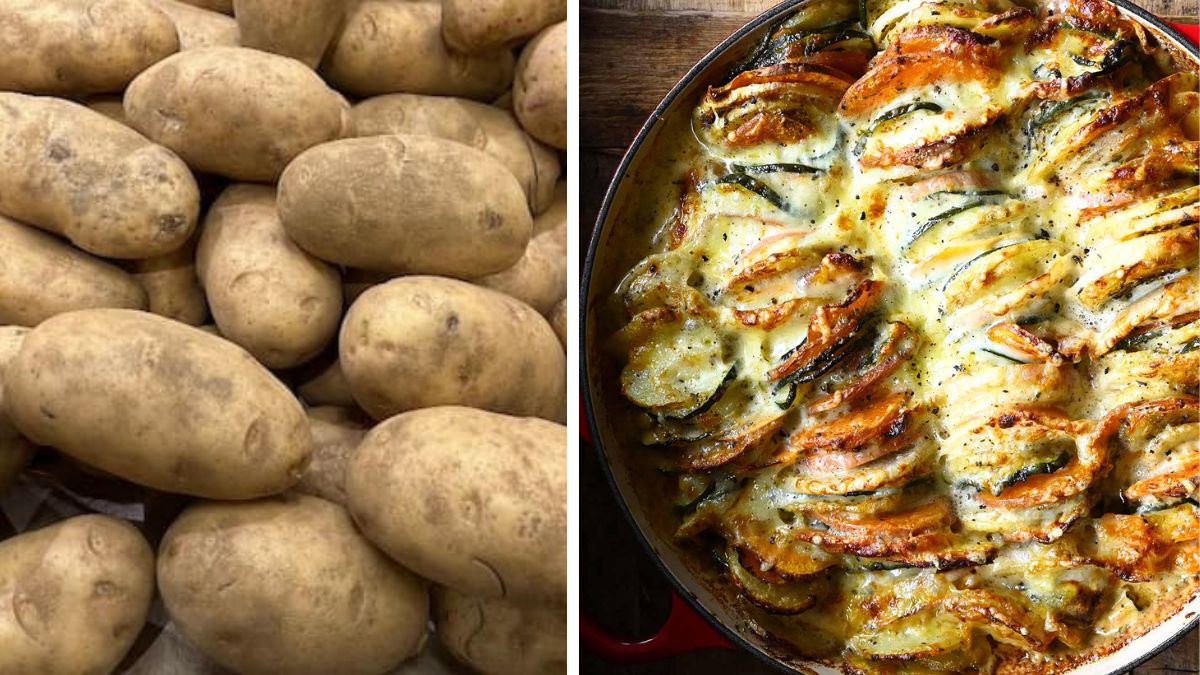
Few dishes bring together comfort, flavor, and elegance quite like a golden, bubbling vegetable gratin. Layers of tender vegetables — especially thinly sliced potatoes — baked in a creamy, herb-infused sauce make for a meal that feels both rustic and refined. But imagine the transformation when those potatoes come from your own garden. Growing your own potatoes for homemade veggie gratins doesn’t just improve the taste — it enriches your entire approach to food. From nurturing the soil to savoring the final forkful, the journey from garden to oven is as rewarding as it is delicious.
This article explores how cultivating your own potatoes can elevate your cooking, reduce your environmental footprint, and help you craft gratins bursting with freshness and flavor.
1. The Connection Between Gardening and Gourmet Cooking
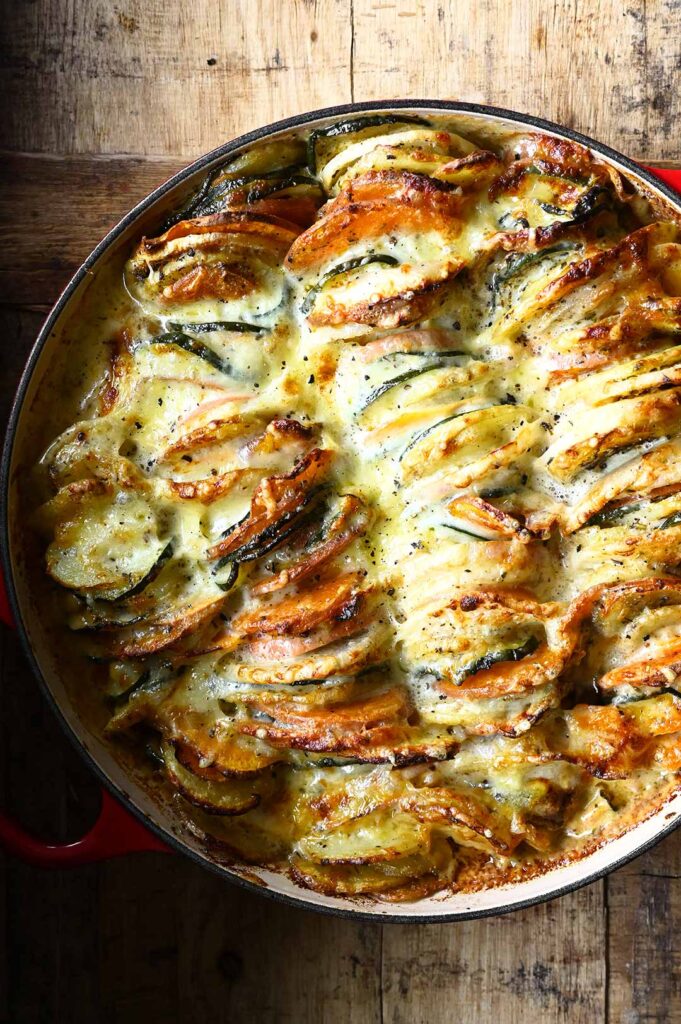
At its heart, a homemade gratin is about harmony — the blend of textures, the richness of flavors, and the simplicity of fresh ingredients. Growing your own potatoes deepens that harmony by bringing you closer to your food source.
When you pull your first batch of potatoes from the earth, covered in soil and smelling of rain, you begin to appreciate the beauty of food in its purest form. Homegrown potatoes carry a sweetness and earthiness that store-bought ones often lack, thanks to being fresher and free from commercial storage chemicals.
From a culinary perspective, garden-grown potatoes enhance gratins because of their texture. Fresh tubers are firmer, less starchy, and hold their shape better when sliced and baked — giving you that perfect layered structure instead of a mushy mix.
Growing your own ingredients is not only a sustainable practice but also an invitation to creative, mindful cooking.
2. Choosing the Best Potato Varieties for Gratins

Not all potatoes are created equal — especially when it comes to gratins. The right variety determines whether your dish will have silky layers or fall apart into a starchy mash.
Here’s what to look for:
- Waxy Potatoes (Best for Layering):
Varieties like Yukon Gold, Charlotte, Red Pontiac, or Anya are ideal. They have firm flesh that stays intact after baking, ensuring neat, creamy layers. - All-Purpose Varieties:
Desiree and Maris Piper work well if you want a balance between creaminess and structure. - Heirloom and Specialty Varieties:
Purple Majesty or French Fingerling add color and a nutty undertone to gratins — perfect for a gourmet twist.
Choose varieties that grow well in your local climate, and consider planting both early and maincrop potatoes to extend your harvest season.
3. How to Grow Potatoes for the Perfect Gratin

Soil and Site Preparation
Potatoes thrive in loose, well-drained soil with plenty of organic matter. They dislike compacted or soggy ground. Prepare the soil by digging at least 30 cm deep and mixing in compost or aged manure. This ensures nutrients for steady growth and prevents waterlogging, which can cause rot.
Planting
- Start with Certified Seed Potatoes: Avoid using store-bought potatoes, which may carry diseases or be chemically treated.
- Chit (Pre-Sprout): Leave seed potatoes in a bright, cool place until short sprouts appear.
- Planting Depth: Bury the potatoes 10–15 cm deep, eyes facing up.
- Spacing: Leave about 30 cm between plants and 60 cm between rows for proper air circulation.
For small spaces or balconies, use deep containers or potato grow bags. Fill halfway with soil and continue adding more as the plants grow — this “earthing up” encourages more tubers to form.
Watering and Care
Potatoes love moisture but hate waterlogging. Water deeply 2–3 times a week, especially during flowering when tubers form. Mulching with straw or leaves helps retain moisture and suppress weeds. Avoid synthetic fertilizers; use compost tea or organic fertilizer instead.
Pest Management
Garden-grown potatoes are relatively hardy, but they can face pests like aphids or beetles. Companion planting helps — marigolds deter insects, and beans naturally enrich the soil with nitrogen. Rotate crops each season to prevent disease buildup.
4. Harvesting and Storing: Timing Is Everything
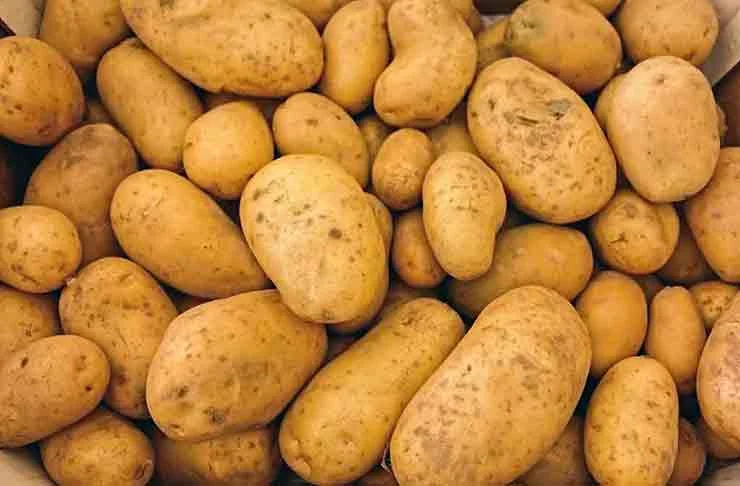
Early potatoes are ready about 8–10 weeks after planting, while maincrop varieties take up to 20 weeks. When the plants flower and the leaves begin to yellow, it’s time to dig.
Use a garden fork to gently lift the plants, taking care not to puncture the tubers. Brush off excess soil, and let the potatoes dry in a shaded, airy spot for a few hours. For longer storage, cure them for about 10 days in a dark, cool place to toughen the skin.
Keep potatoes in paper bags or ventilated baskets in a dark, dry cupboard — not in the refrigerator, which converts starch to sugar and affects the taste.
Having your own supply of fresh potatoes means you can make veggie gratins any time, knowing your ingredients are chemical-free, fresh, and full of flavor.
5. From Garden to Gratin: The Art of Homemade Comfort Food
A veggie gratin is a celebration of texture, aroma, and simplicity. The traditional French gratin dauphinois uses only potatoes, cream, and garlic — but with garden-grown produce, you can personalize it endlessly.
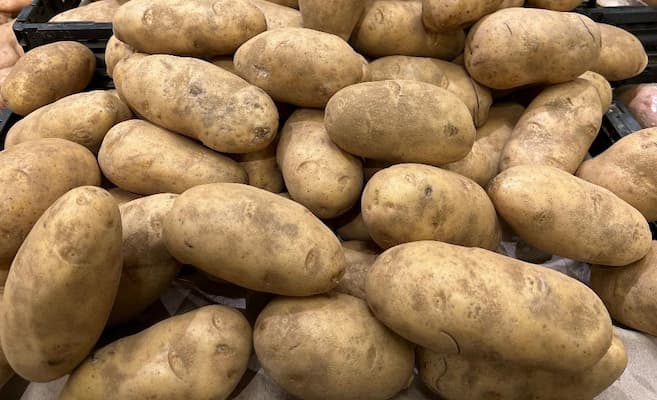
Classic Potato Gratin Recipe (with Garden-Fresh Ingredients)
Ingredients:
- 4–5 medium waxy potatoes (freshly harvested)
- 1 cup cream or plant-based alternative
- 2 cloves garlic, minced
- 1 small onion, finely sliced (optional)
- ½ cup grated cheese (optional for vegetarians)
- Fresh herbs: thyme, rosemary, or chives
- Salt, pepper, and a drizzle of olive oil
Directions:
- Preheat your oven to 180°C (350°F).
- Thinly slice the potatoes — about 3 mm thick. No need to peel if they’re homegrown and tender.
- Grease a baking dish with olive oil or butter, then rub the base with a cut clove of garlic.
- Layer potatoes evenly, seasoning each layer with salt, pepper, and herbs.
- Pour cream over the layers and top with cheese if desired.
- Bake uncovered for 45–60 minutes, until the top is golden and the potatoes are tender when pierced.
- Let it rest for 10 minutes before serving.
This dish captures the essence of your garden: fresh, aromatic, and utterly comforting.
6. Creative Veggie Gratin Variations
Once you master the base recipe, experiment with seasonal vegetables and herbs from your garden:
- Zucchini and Potato Gratin: Thinly slice zucchini and alternate layers with potatoes for a light, summery dish.
- Spinach and Leek Gratin: Add sautéed greens for a nutrient boost.
- Root Vegetable Gratin: Mix potatoes with carrots, sweet potatoes, and parsnips for a colorful winter comfort meal.
- Vegan Gratin: Use cashew cream or coconut milk for richness, and sprinkle nutritional yeast for a cheesy flavor.
The versatility of garden-grown potatoes makes them the foundation for endless plant-based culinary creativity.
7. Sustainable Kitchen Practices
Creating a greener kitchen goes beyond growing your own food — it’s about embracing sustainable habits that complete the cycle of nourishment and renewal.
- Composting: Use potato peels, onion skins, and other scraps to make rich compost for next season’s crops.
- Zero Waste Cooking: Use leftover gratin as filling for wraps or sandwiches, or blend it into a creamy soup.
- Save Seeds: Set aside small, healthy potatoes to replant next year, reducing dependence on commercial seed suppliers.
- Rainwater Harvesting: Collect rainwater to irrigate your garden naturally.
Every small effort contributes to a larger impact — reducing waste, conserving resources, and nurturing both your body and the planet.
8. The Sensory Reward of Growing and Cooking Your Own Potatoes
There’s an unmatched pleasure in knowing that your meal began as a seed beneath the soil. When you dig up your potatoes, rinse them under cool water, slice them thin, and bake them into a bubbling gratin, you experience food as it was meant to be — personal, seasonal, and soulful.
Homegrown potatoes also allow for immediate cooking after harvest. Freshly dug tubers contain natural sugars and moisture that gradually diminish in storage, giving gratins a richer flavor and creamier consistency.
Cooking from your garden isn’t just nourishment; it’s therapy. It slows life’s pace, invites mindfulness, and brings beauty to the everyday act of preparing a meal.
9. Conclusion: A Garden-to-Oven Philosophy
“Garden-Grown Potatoes for Homemade Veggie Gratins” is more than a recipe idea — it’s a lifestyle philosophy rooted in sustainability, creativity, and care. Growing your own potatoes empowers you to understand the journey from soil to supper. It connects your hands to the earth and your meals to the rhythms of nature.
When your kitchen is filled with the aroma of rosemary, garlic, and baking potatoes — all sourced from your own garden — you’re not just making food; you’re cultivating joy, balance, and environmental consciousness.
So, grab a trowel, plant those potato seeds, and prepare to turn your garden’s bounty into bubbling, golden gratins that celebrate the true essence of homemade goodness.