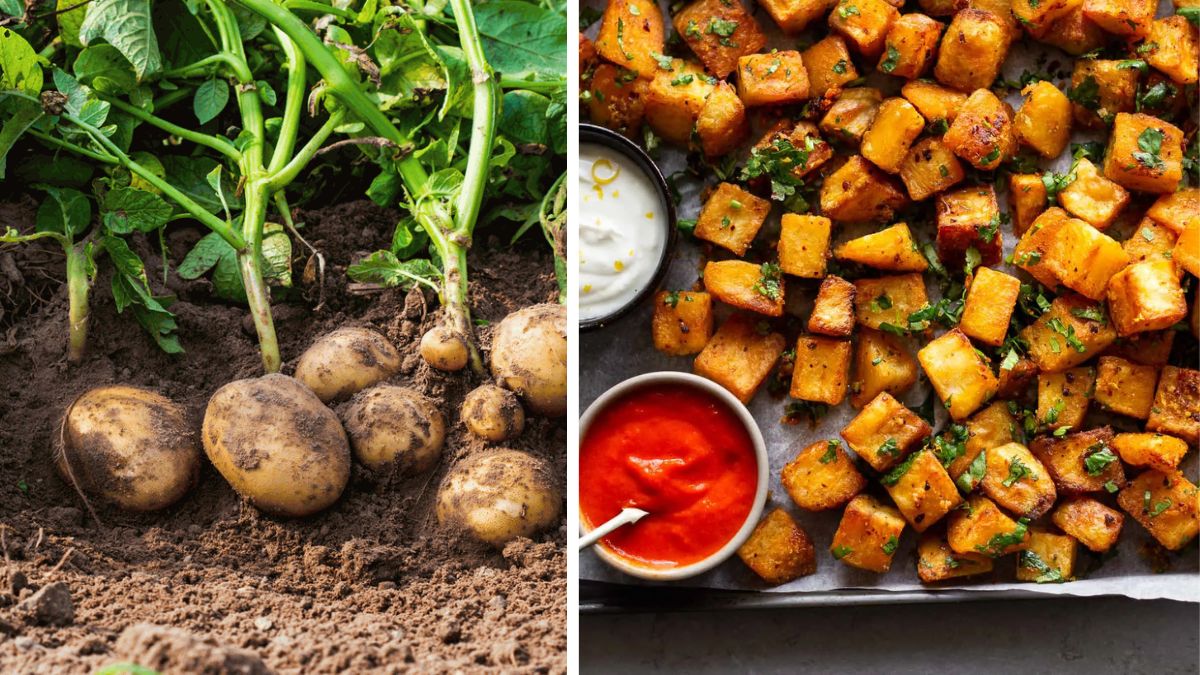
Few foods bridge the gap between humble simplicity and culinary versatility like the potato. Whether mashed, roasted, baked, or simmered into soups and stews, potatoes have long been a staple in kitchens around the world. But when those potatoes come from your own backyard, every dish carries a deeper satisfaction — a connection to the soil, the seasons, and the joy of self-sufficiency.
“From Dirt to Dinner: Growing Potatoes for Veggie Cuisine” explores how cultivating potatoes at home can elevate your vegetarian cooking, reduce your environmental footprint, and reconnect you with the natural rhythm of food. This article will guide you through every step — from planting to plating — transforming a patch of earth into the foundation of delicious, nourishing meals.
1. Why Potatoes Deserve a Place in Every Veggie Garden

Potatoes are among the easiest and most rewarding crops to grow, even for beginners. They’re incredibly versatile in vegetarian cooking, providing both nutrition and texture to a wide range of dishes — from creamy soups and casseroles to crisp salads and stuffed wraps.
But growing your own potatoes offers more than just culinary rewards:
- Freshness and Flavor: Homegrown potatoes are richer in flavor, slightly sweet, and less starchy than store-bought ones.
- Sustainability: You eliminate transport emissions, plastic packaging, and chemical residues.
- Self-Sufficiency: A few square meters of garden space can yield several months’ worth of potatoes.
- Nutrient-Rich Food: Freshly harvested potatoes retain more vitamin C, potassium, and antioxidants.
For vegetarian kitchens, homegrown potatoes become the backbone of hearty, satisfying meals — turning plant-based eating into a flavorful adventure.
2. Choosing the Right Potato Varieties for Veggie Dishes
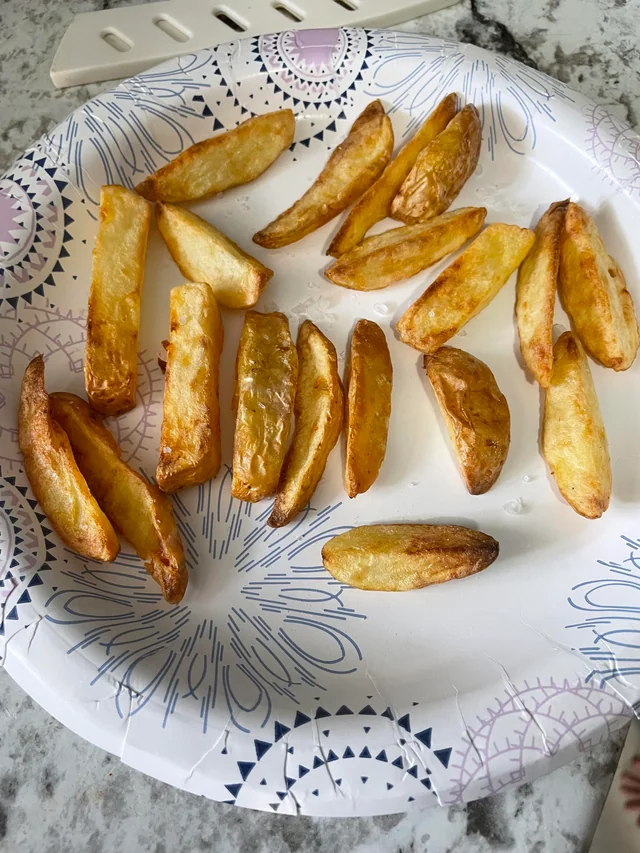
The first step in your “dirt to dinner” journey is choosing varieties that suit both your growing conditions and your favorite recipes. Potatoes come in several types, each lending itself to different textures and cooking methods.
- Waxy Varieties (For Salads and Stews):
Charlotte, Red Pontiac, or Yukon Gold hold their shape well after cooking. Perfect for curries, soups, and potato salads. - Starchy Varieties (For Mashing and Baking):
Russet Burbank, King Edward, or Maris Piper are light and fluffy when cooked — ideal for mashed potatoes, croquettes, or baked casseroles. - All-Purpose Varieties (For Versatility):
Desiree and Kennebec offer a balance of creaminess and firmness, great for everyday vegetarian recipes. - Colorful Heirlooms:
Purple and red potatoes not only look beautiful in dishes but also contain higher levels of antioxidants.
Choosing a mix of varieties ensures a steady supply for different meals — from creamy winter soups to summer salads.
3. Preparing the Soil: Building the Foundation for Growth
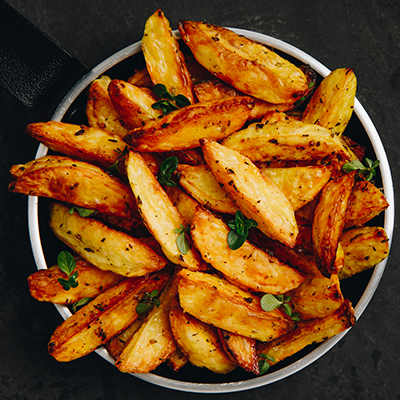
Healthy soil equals healthy potatoes. Potatoes thrive in loose, well-draining soil rich in organic matter. The ideal soil pH is between 5.5 and 6.5 — slightly acidic but not overly so.
Steps for Preparing the Soil:
- Clear the Area: Remove weeds, stones, and debris.
- Loosen the Soil: Dig at least 25–30 cm deep to encourage root expansion.
- Add Organic Matter: Mix compost or well-rotted manure to improve fertility. Avoid fresh manure, which can cause scab (a common potato disease).
- Ensure Good Drainage: Waterlogged soil leads to rot, so raised beds or mounded rows work best.
If you don’t have ground space, grow potatoes in containers, sacks, or grow bags. They adapt beautifully to small spaces — perfect for urban gardeners aiming for sustainability and homegrown freshness.
4. Planting Potatoes: Starting Your Crop
The best time to plant potatoes is in early spring, once the soil temperature reaches at least 10°C.
How to Plant:
- Chit Your Seed Potatoes: Place certified seed potatoes in a bright, cool place for 2–3 weeks until they sprout short, sturdy shoots.
- Dig Trenches: About 10–15 cm deep and 60 cm apart.
- Plant the Tubers: Space them 30 cm apart with the sprouts facing up.
- Cover and Water: Gently cover with soil and water lightly.
As the plants grow (about 15–20 cm tall), “earth up” — mound soil around the stems to protect developing tubers from sunlight and to encourage more growth. Repeat this process every couple of weeks.
5. Caring for Potato Plants Naturally
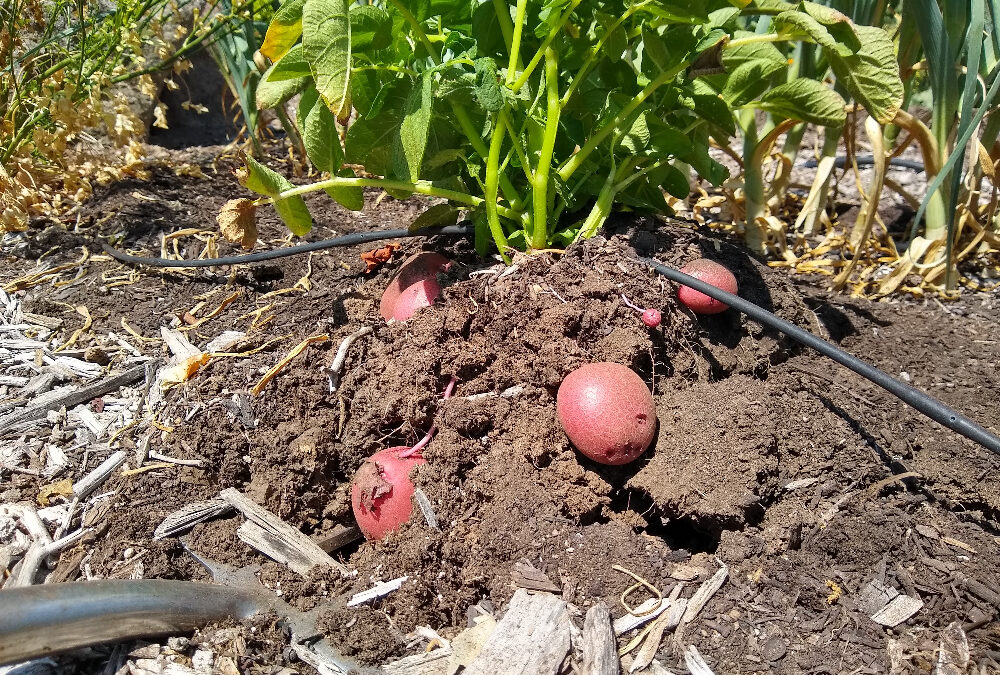
Keeping your potato plants healthy is easy with a little care and observation.
- Watering: Potatoes need consistent moisture but not soggy conditions. Water deeply 2–3 times per week.
- Mulching: Add straw or dry leaves to retain moisture and suppress weeds.
- Feeding: Use compost tea or organic fertilizer every few weeks to support strong growth.
- Pest Control:
- Plant marigolds or beans nearby to deter pests and enrich the soil.
- Rotate crops each season to avoid diseases like blight.
- Neem oil sprays or crushed eggshells can keep insects away.
Avoid chemical pesticides — they not only harm the environment but also affect soil life and flavor quality.
6. Harvesting: The Reward of Patience
Few gardening moments are as satisfying as digging up your first crop of potatoes.
- Early Varieties: Harvest after 8–10 weeks when plants flower — these are small, tender, and perfect for quick-cook vegetarian recipes.
- Maincrop Varieties: Harvest after 15–20 weeks when leaves yellow and die back. Leave the tubers in the ground for a few extra days to harden their skin.
To harvest, gently lift the soil with a fork, taking care not to pierce the potatoes. Let them dry in the shade for a few hours, brush off excess dirt, and cure them for about 10 days in a cool, dark place before storing.
Store cured potatoes in paper bags or wooden crates in a dry, dark area. Avoid plastic bags and refrigeration — they cause condensation and spoilage.
7. From Harvest to Kitchen: Cooking with Homegrown Potatoes
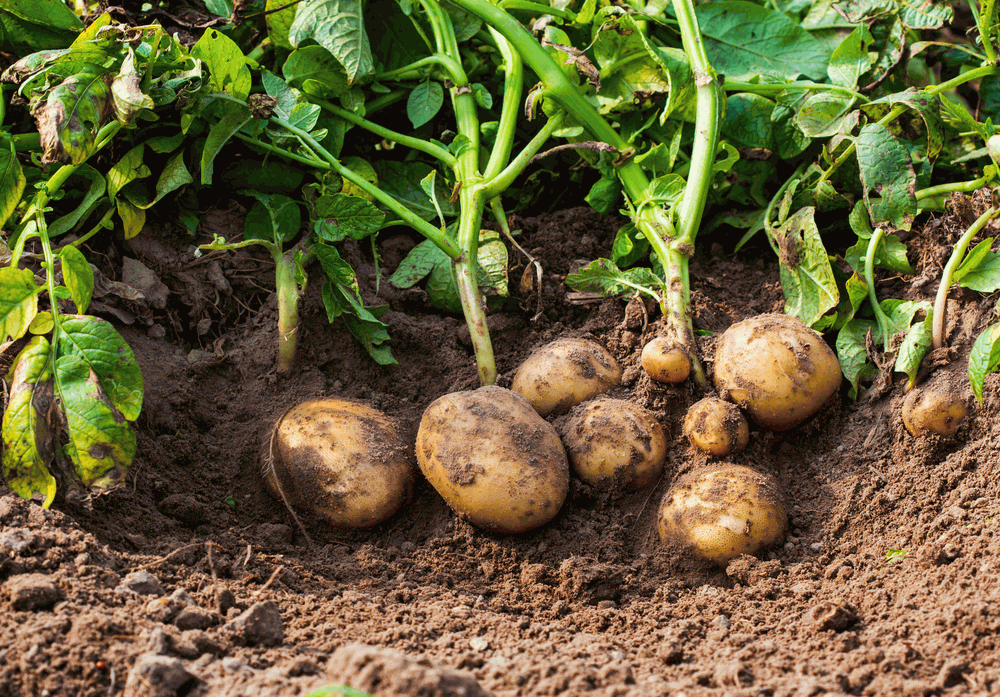
Once harvested, your homegrown potatoes become the foundation of countless vegetarian dishes. Their flavor and texture bring life to everyday meals — and knowing you grew them yourself adds a layer of pride to every bite.
Here are some delicious ways to use your garden’s bounty:
A. Creamy Potato and Spinach Soup
Sauté garlic, onions, and spinach in olive oil. Add diced homegrown potatoes and vegetable broth. Simmer until soft, then blend into a smooth, comforting soup.
B. Potato and Chickpea Curry
Combine potatoes with chickpeas, tomatoes, and spices like cumin, turmeric, and coriander. Serve with rice or flatbread for a protein-packed vegan meal.
C. Roasted Veggie Medley
Mix cubed potatoes with zucchini, carrots, bell peppers, and olive oil. Roast until golden for a colorful, nutrient-rich side dish.
D. Potato and Lentil Shepherd’s Pie
Top a savory lentil and vegetable filling with mashed homegrown potatoes and bake until golden brown.
E. Grilled Potato Salad
Boil baby potatoes, grill them lightly, and toss with lemon, herbs, and mustard dressing — perfect for summer gatherings.
Each dish celebrates the earthiness of your homegrown potatoes and their ability to absorb and enhance flavors.
8. Zero-Waste Gardening and Cooking
A greener kitchen starts with thoughtful growing and ends with mindful waste management. Here’s how to make your potato-growing journey sustainable:
- Compost Everything: Potato peels, stems, and even cooking scraps can be composted to enrich your next crop’s soil.
- Save Seed Tubers: Choose the healthiest small potatoes from your harvest to replant next season.
- Reuse Water: Collect rainwater for irrigation or reuse water from rinsing vegetables.
- Repurpose Leftovers: Turn leftover mashed potatoes into patties, gnocchi, or soup thickener.
These habits not only reduce waste but also close the natural cycle — feeding the soil that feeds you.
9. The Deeper Meaning of “From Dirt to Dinner”
Growing your own potatoes is not just about food — it’s about rediscovering a connection that modern life often forgets. Every stage of the process, from digging into the soil to serving a meal, carries lessons about patience, gratitude, and sustainability.
- From Dirt: You learn to care for the earth, understanding that healthy soil leads to healthy food.
- To Growth: You watch nature’s quiet miracle unfold, transforming a simple tuber into a thriving plant.
- To Dinner: You taste the fruits of your labor, appreciating every bite not just for its flavor but for the effort and love that made it possible.
For those who value vegetarian cuisine, this cycle represents harmony — between humans, plants, and the planet.
10. Conclusion: A Garden That Feeds the Soul
“From Dirt to Dinner: Growing Potatoes for Veggie Cuisine” is more than a gardening project; it’s a philosophy of life. It teaches you that food is not just sustenance but a story — one that begins in the soil and ends at your table, shared with those you love.
Growing potatoes may seem simple, but it cultivates far more than a harvest. It nurtures patience, creativity, and respect for nature. Every potato you dig from the earth brings a reminder that great meals — and meaningful lives — are built from humble beginnings.
So roll up your sleeves, plant those seed potatoes, and let the soil work its quiet magic. In a few months, your dinner plate will tell the story of your hands, your garden, and your care — proof that the journey from dirt to dinner is as nourishing as the meal itself.