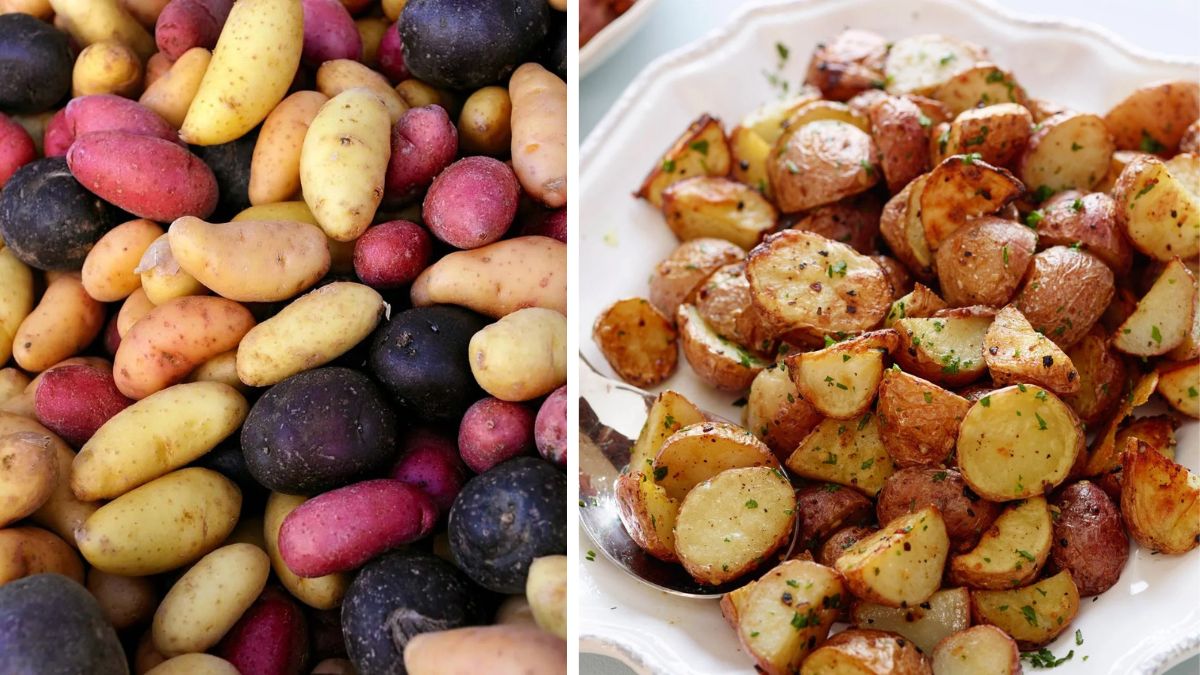
In a world where food travels thousands of miles before reaching our plates, growing your own ingredients offers a refreshing return to simplicity, freshness, and sustainability. Among the many crops you can grow at home, the humble potato stands out as a powerhouse of nutrition, versatility, and flavor. For vegetarian cooks, backyard-grown potatoes are a gift — a foundation for creating wholesome, colorful, and satisfying meals.
This article, “Backyard Potatoes for a Fresh and Flavorful Vegetarian Menu,” explores how cultivating your own potatoes can transform your kitchen, enrich your diet, and deepen your connection with food. From soil preparation to delicious recipes, here’s how your backyard can become a source of both nourishment and joy.
1. Why Grow Potatoes in Your Backyard?
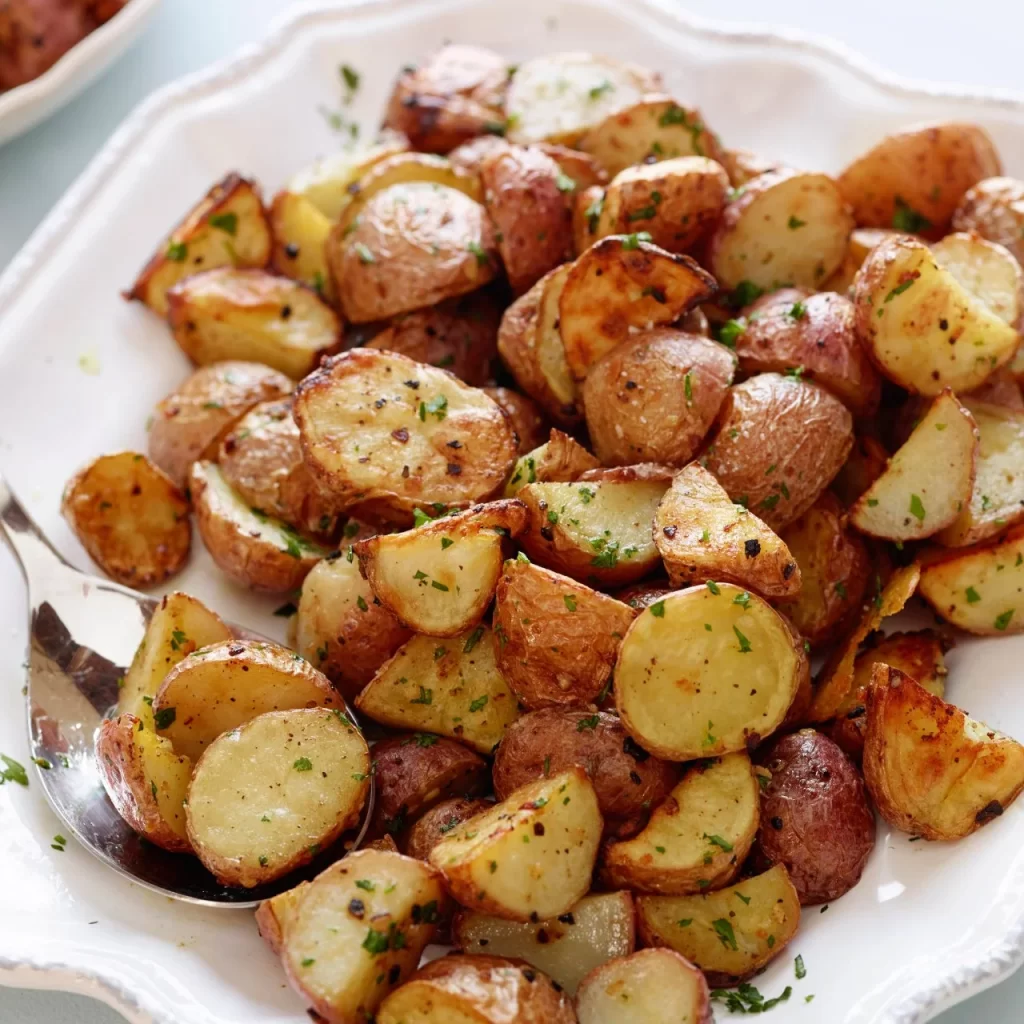
Potatoes may seem ordinary, but when you grow them yourself, they reveal their extraordinary nature. Each plant produces multiple tubers, requires minimal care, and thrives in a wide range of conditions. But beyond convenience, the real reward is taste and freshness.
Homegrown potatoes are noticeably superior to store-bought ones — they’re denser, more flavorful, and full of natural sweetness. By cultivating them yourself, you control every step: the soil, the water, and the absence of harmful chemicals. This means cleaner, healthier food on your plate.
For vegetarians, this crop is indispensable. Potatoes are rich in:
- Complex carbohydrates for energy
- Vitamin C, potassium, and B6 for immunity and metabolism
- Fiber for healthy digestion
- Antioxidants that promote wellness and skin health
They form the perfect base for creative vegetarian dishes, pairing beautifully with leafy greens, legumes, and spices from your garden.
2. Choosing the Right Potato Varieties for Your Backyard Garden
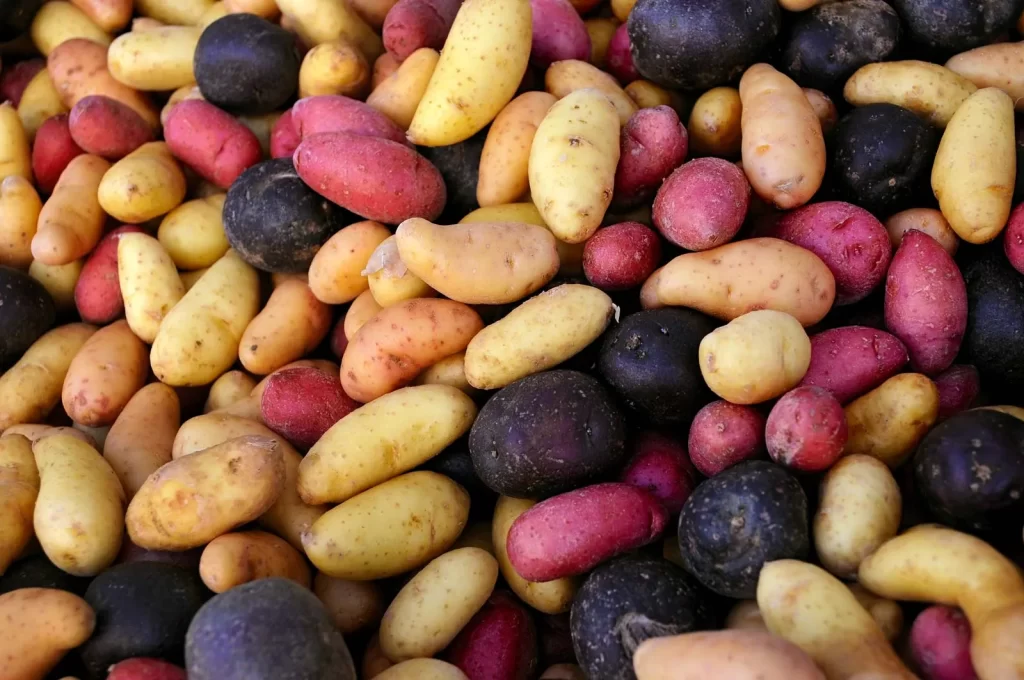
Selecting the right variety makes all the difference in yield, flavor, and texture. Potatoes come in many shapes and colors — and each has its culinary strengths.
A. For Creamy Dishes and Mashed Potatoes
- Russet Burbank: High starch, light and fluffy when cooked.
- Maris Piper: Excellent for baking and mashing.
B. For Salads and Stir-Fries
- Yukon Gold: Buttery texture, holds shape after boiling.
- Red Pontiac: Firm and perfect for roasting or sautéing.
C. For Soups, Curries, and Mixed Veggie Dishes
- Desiree: Creamy and absorbs flavors well.
- Kennebec: Versatile and reliable for all recipes.
D. For a Touch of Color and Nutrition
- Purple Majesty or All Blue: Rich in antioxidants, striking in presentation.
Mixing different varieties in your garden ensures a steady supply suited for all types of vegetarian cooking — from hearty stews to crisp snacks.
3. Preparing the Soil: Setting the Stage for Success

Potatoes love loose, fertile soil where they can spread easily underground. The key to success is aeration, drainage, and organic matter.
Steps to Prepare Your Backyard Soil:
- Choose a Sunny Spot: Potatoes need 6–8 hours of sunlight daily.
- Loosen the Soil: Dig to a depth of 25–30 cm and break up large clumps.
- Add Organic Compost: Mix in well-rotted manure, compost, or leaf mold to boost fertility.
- Check Drainage: Water should drain easily; soggy soil causes rot. Raised beds or grow bags can help in wetter climates.
- Avoid Chemical Fertilizers: Stick to natural compost and organic amendments for a healthier harvest.
Healthy soil is the foundation of flavorful potatoes. The better you feed your soil, the better it will feed you.
4. Planting: Turning Seed Potatoes into a Backyard Harvest
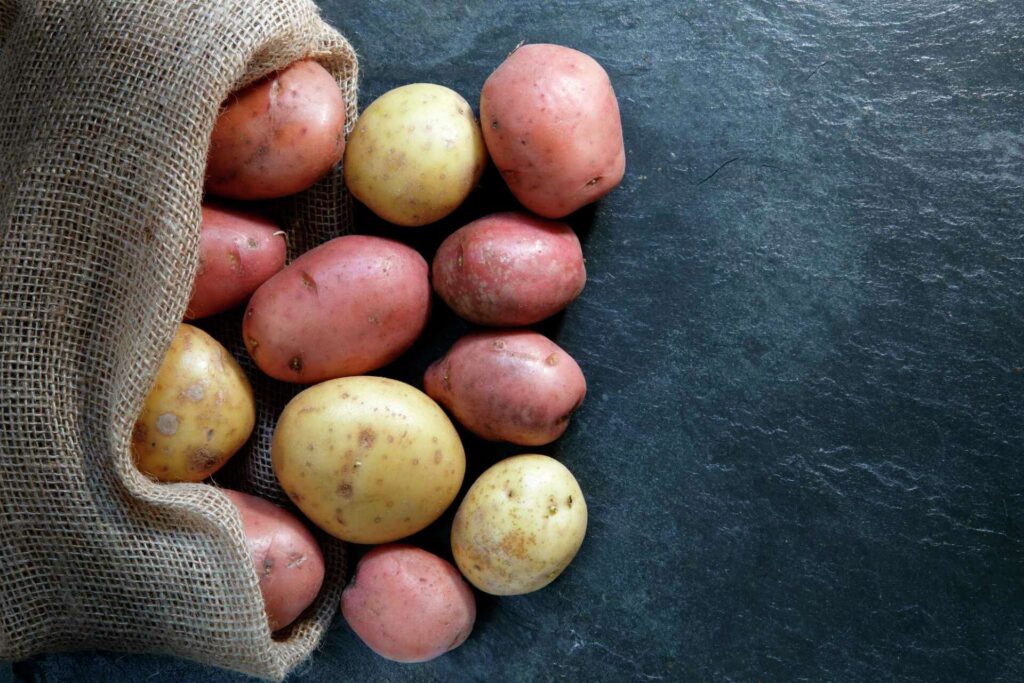
Once your soil is ready, it’s time to plant. You can begin in early spring or late winter, depending on your region.
Steps for Planting:
- Chit the Seed Potatoes: Place certified seed potatoes in a cool, bright place for 2–3 weeks until they sprout.
- Dig Trenches: 10–15 cm deep, spaced 60 cm apart.
- Plant the Tubers: Set them 30 cm apart, sprouts facing up.
- Cover with Soil: Lightly cover the tubers and water well.
- Earth Up: As plants grow, mound soil around their stems every two weeks to protect developing potatoes from sunlight.
If you’re short on space, try container gardening — large pots, sacks, or wooden crates work wonderfully. Just remember to water consistently and ensure good drainage.
5. Caring for Your Potato Plants Naturally
Potatoes are easygoing, but a little attention goes a long way in ensuring a healthy crop.
Watering:
Keep the soil evenly moist, especially during flowering — this is when tubers form. Avoid overhead watering to prevent fungal diseases.
Mulching:
Spread straw, dried leaves, or grass clippings around plants. This helps retain moisture, suppress weeds, and regulate temperature.
Feeding:
Use compost tea or an organic fertilizer every 3–4 weeks to keep the soil nutrient-rich.
Pest Control:
- Companion plant with beans, basil, or marigolds to deter pests.
- Handpick potato beetles if spotted.
- Rotate crops each season to prevent soil-borne diseases.
These eco-friendly practices support biodiversity and protect both your plants and the environment.
6. Harvesting: The Moment of Reward
Patience pays off when it comes to potatoes.
- For Baby Potatoes: Harvest after 8–10 weeks when plants begin to flower. They’re perfect for salads and stir-fries.
- For Mature Potatoes: Wait until foliage yellows and dies back — usually after 15–20 weeks.
Use a garden fork or your hands to gently unearth the tubers. Let them dry in the shade for a few hours, then cure for about 10 days in a cool, dark place. This toughens their skin and improves shelf life.
Store in burlap sacks, paper bags, or wooden crates in a dry, ventilated area. Avoid plastic bags and refrigeration.
7. Cooking with Backyard Potatoes: A Vegetarian Feast
Here’s where the magic happens — turning your backyard harvest into delicious, nourishing meals. Potatoes’ neutral flavor and satisfying texture make them the perfect canvas for vegetarian creativity.
A. Creamy Potato and Leek Soup
A classic comfort dish. Sauté leeks and garlic, add diced potatoes and vegetable broth, then blend into a silky, hearty soup. Perfect for cool evenings.
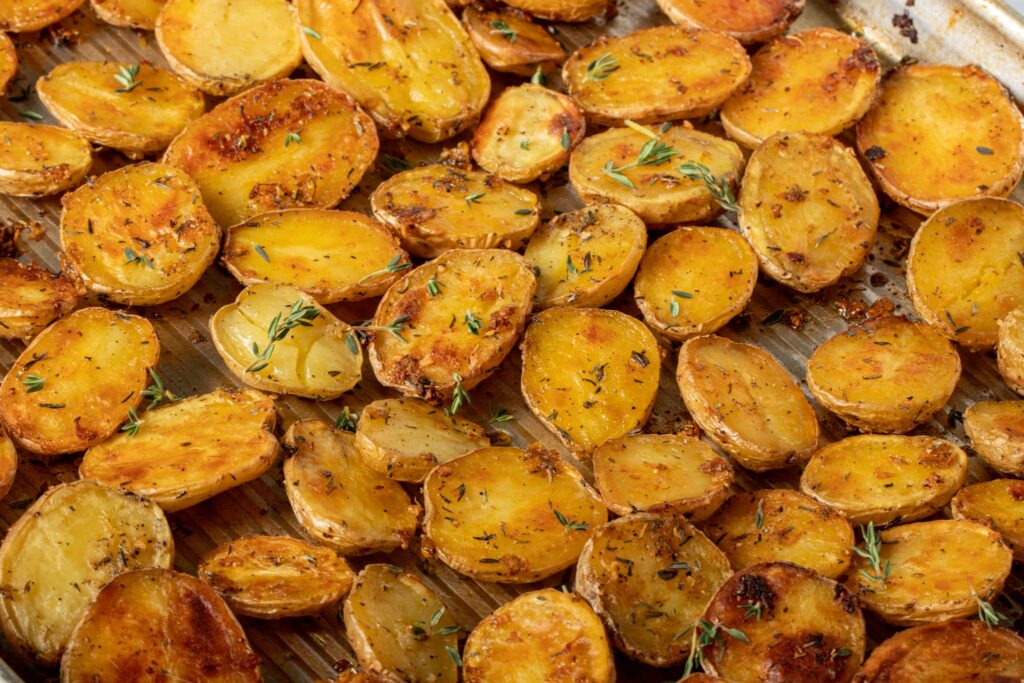
B. Roasted Herb Potatoes
Cut potatoes into wedges, toss with olive oil, rosemary, thyme, and sea salt. Roast until golden brown and crisp — a simple yet irresistible side.
C. Potato and Spinach Curry
Combine potatoes with spinach, tomatoes, onions, and aromatic spices like cumin, coriander, and turmeric. Serve with rice or flatbread for a nutritious vegan meal.
D. Grilled Potato Salad
Boil baby potatoes, grill them lightly, and toss with olive oil, mustard, and fresh herbs. The smoky flavor pairs beautifully with greens and tofu skewers.
E. Baked Potato Stuffed with Veggies
Bake large potatoes, scoop out the centers, and mix with sautéed vegetables, cheese, or chickpeas. Refill and bake again for a satisfying main course.
Each recipe showcases the natural flavor of your homegrown potatoes — earthy, fresh, and full of character.
8. Sustainability in the Backyard Kitchen
Growing and cooking your own potatoes is an act of sustainability — both for your health and the planet. You reduce food miles, eliminate packaging waste, and minimize chemical use. But the green cycle doesn’t end at harvest.
Waste Nothing:
- Compost potato peels and plant trimmings.
- Save small, healthy potatoes to use as seed for the next season.
- Reuse cooking water to nourish your garden (after cooling).
Cook Creatively:
Transform leftovers into new dishes:
- Mashed potatoes become patties or gnocchi.
- Leftover roasted potatoes can enrich soups or salads.
- Even potato skins can be baked into crispy snacks!
These small actions add up to a big environmental impact while enriching your vegetarian lifestyle.
9. The Joy of Growing Your Own Food
Growing potatoes in your backyard isn’t just about saving money or eating healthier — it’s about rediscovering the rhythm of nature and the satisfaction of nurturing something from seed to plate.
You’ll notice the subtle changes — the sprouting shoots, the blossoms, and the joy of unearthing fresh potatoes. Each stage brings you closer to your food, reminding you that every meal starts with soil, water, and sunlight.
Backyard gardening encourages mindfulness. It teaches patience, creativity, and respect for the land. When you serve a meal made with your own harvest, it carries a story — one of care, sustainability, and connection.
10. Conclusion: A Fresh and Flavorful Vegetarian Future
“Backyard Potatoes for a Fresh and Flavorful Vegetarian Menu” is more than a gardening guide — it’s an invitation to transform your relationship with food. By growing your own potatoes, you embrace a lifestyle of freshness, creativity, and eco-consciousness.
Each tuber you harvest embodies the essence of real food: simple, nourishing, and rooted in the earth. Whether you’re preparing a hearty stew, a crispy roast, or a comforting soup, your homegrown potatoes will always bring unmatched flavor and authenticity to your vegetarian table.
So, step outside, dig into the soil, and start your own backyard revolution — one potato at a time. Your garden doesn’t just feed your kitchen; it nourishes your soul, proving that the most flavorful meals come from the ground beneath your feet. 🥔🌿🍽️