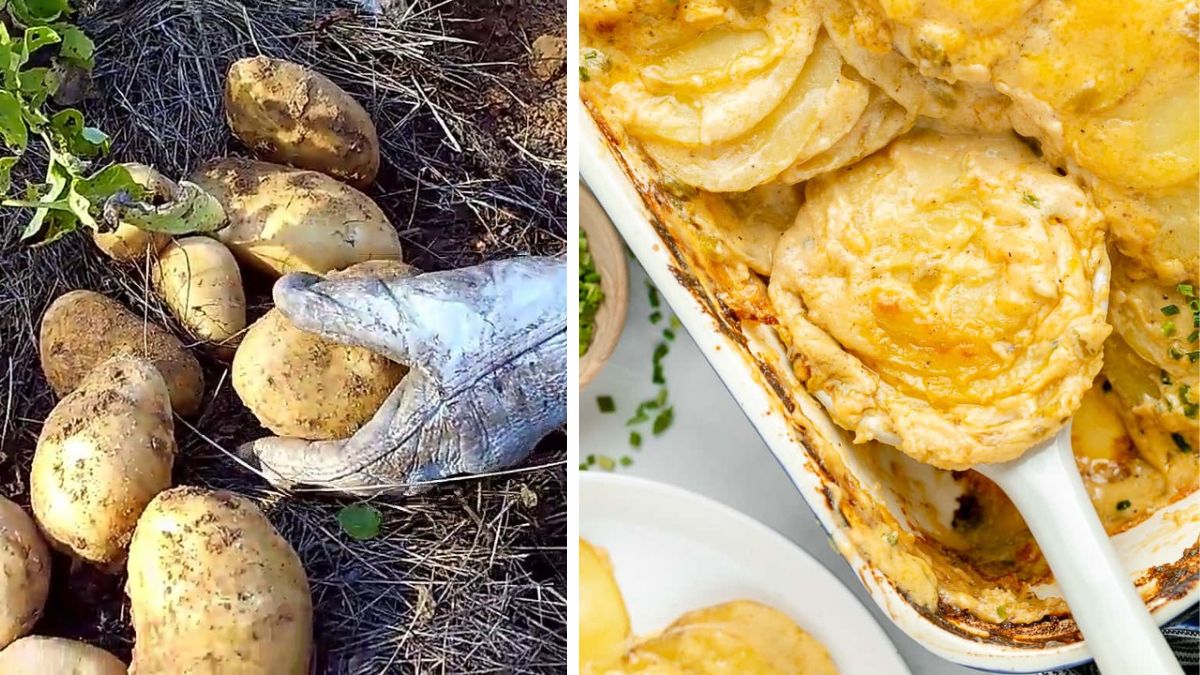
Potatoes are more than just a side dish — they’re a blank canvas for creativity in the kitchen. Whether mashed, baked, roasted, or turned into colorful veggie bowls, their versatility makes them an essential ingredient for plant-based cooking. But what if you could take your love for potatoes one step further — by growing them yourself?
Homegrown potatoes don’t just taste better; they’re fresher, more nutritious, and deeply satisfying to cook with. From garden to kitchen, the journey of growing your own potatoes allows you to explore flavor in its truest form while giving your vegetarian recipes an earthy, authentic twist.
In this article, we’ll explore how to plant, care for, and harvest potatoes — and how to turn that harvest into vibrant, creative veggie dishes that celebrate freshness, sustainability, and culinary imagination.
The Potato: A Versatile Star of Veggie Cuisine

Potatoes have earned their place as one of the most adaptable vegetables on Earth. They pair beautifully with almost any ingredient — herbs, spices, leafy greens, or even fruits like avocados and tomatoes. Their mild flavor allows them to take on bold seasonings, while their starchy texture makes them ideal for everything from crispy snacks to creamy soups.
Here’s why potatoes are the perfect crop for creative veggie cooking:
- Flavor Flexibility: Potatoes absorb herbs, spices, and sauces, enhancing the flavor of other vegetables.
- Nutritional Value: High in fiber, potassium, and vitamin C, they add balance and heartiness to vegetarian meals.
- Texture Magic: They can be fluffy, firm, crispy, or creamy — perfect for any recipe.
- Sustainable and Easy to Grow: Potatoes adapt to various climates and require minimal maintenance.
Homegrown potatoes elevate vegetarian dishes from good to unforgettable, giving you fresh produce that’s free from pesticides and full of garden-grown goodness.
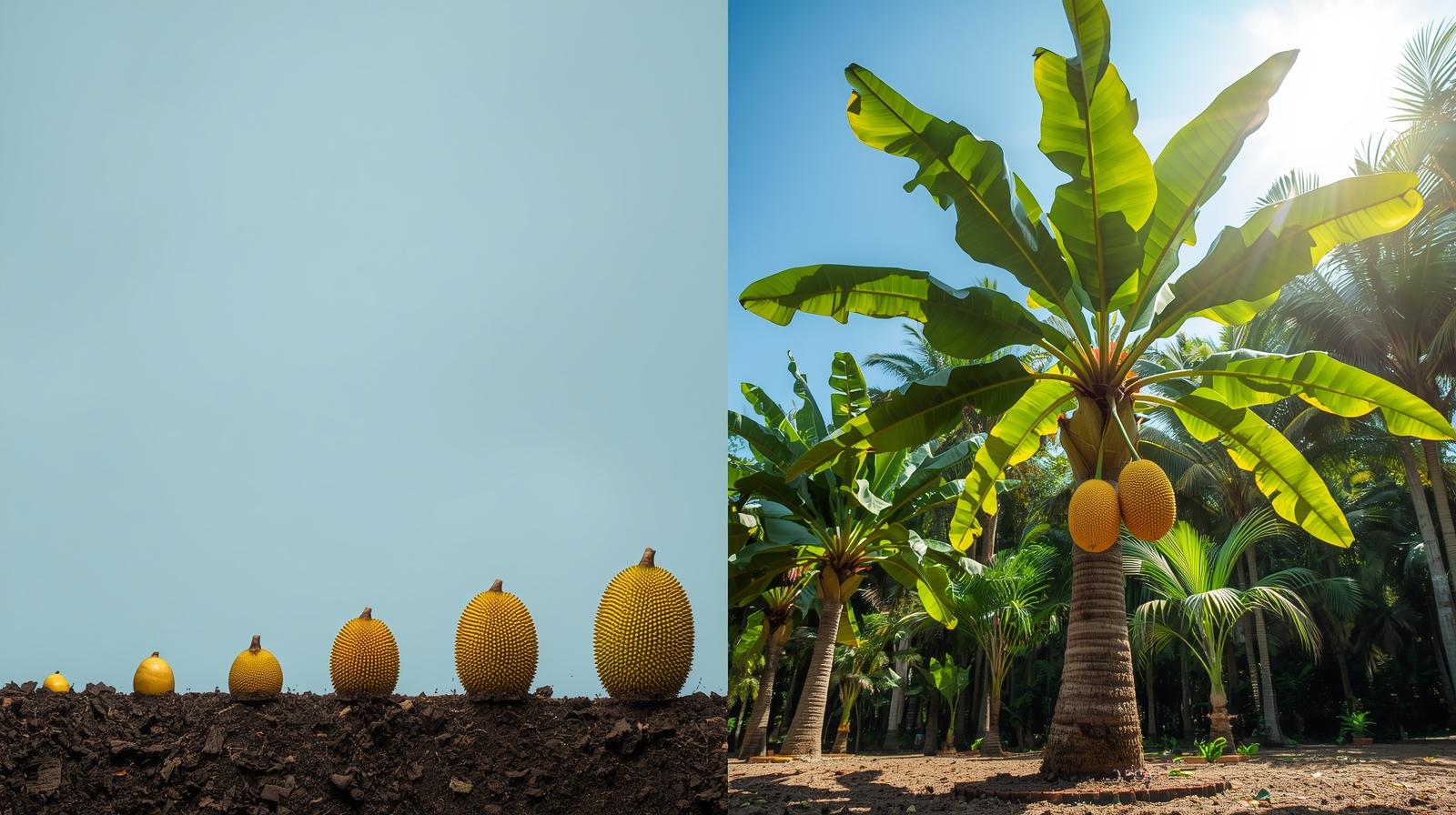
Step 1: Planning Your Potato Patch
Potatoes are one of the easiest and most rewarding vegetables to grow. They don’t demand perfection — just sunlight, healthy soil, and a bit of care.
Choosing the Right Location
Select a sunny area that receives at least 6–8 hours of light daily. Potatoes love loose, well-drained soil. Avoid waterlogged or compacted soil, as that can cause tubers to rot.
If space is limited, don’t worry — you can grow potatoes in containers, grow bags, or even large buckets on your balcony or patio.
Preparing the Soil
The key to flavorful potatoes lies in nutrient-rich soil. Loosen the soil to about 25–30 cm deep and mix in organic compost or aged manure.
Potatoes prefer slightly acidic soil with a pH between 5.0 and 6.0.
Avoid using chemical fertilizers — organic amendments encourage richer taste and healthier plants.
Step 2: Choosing the Best Potato Varieties
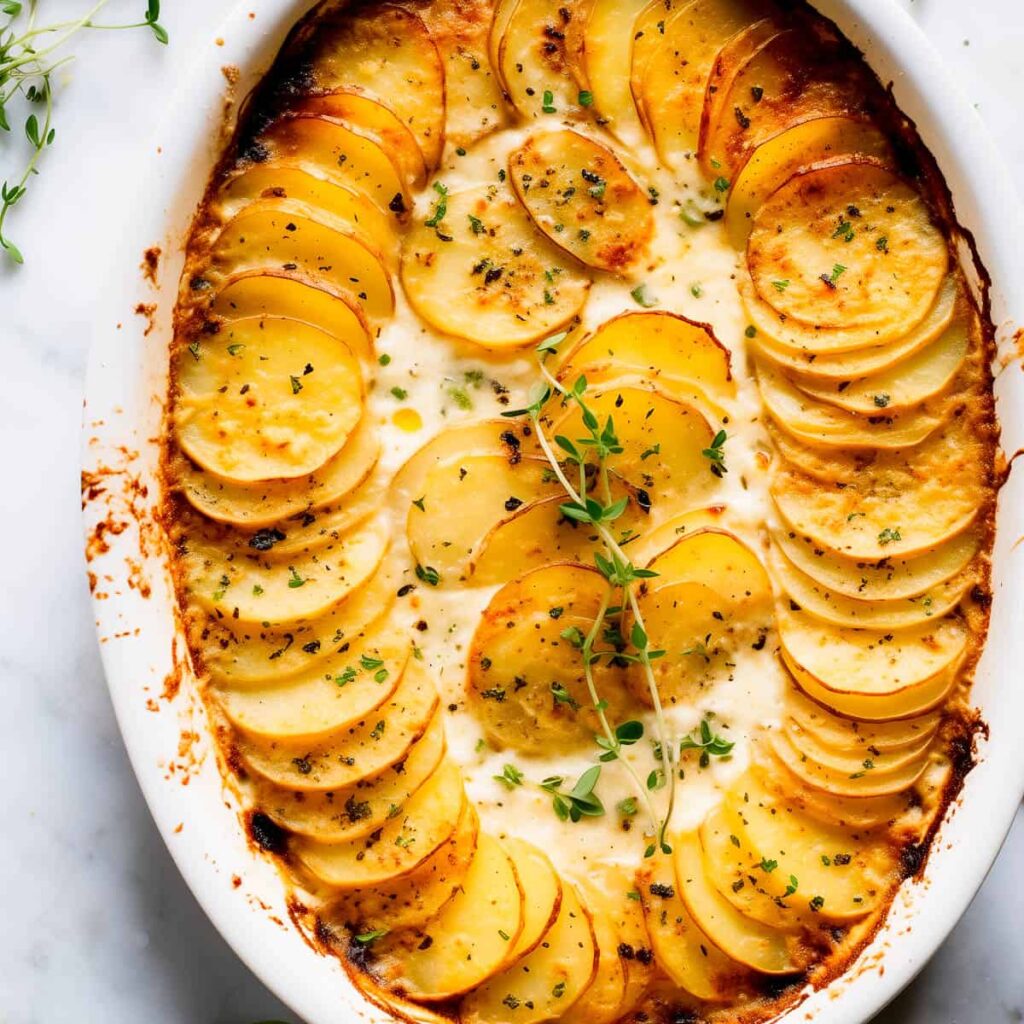
Not all potatoes are created equal. The type you choose determines their texture and best use in recipes.
Common Varieties:
- Yukon Gold: Buttery and perfect for mashing or soups.
- Red Pontiac: Firm and ideal for salads and roasting.
- Russet: Fluffy and starchy — excellent for baking or fries.
- Kennebec: All-purpose potato great for most cooking styles.
- Purple Majesty: Vibrant purple skin and flesh — adds color to creative dishes.
Try planting a mix of varieties to enjoy different textures and colors in your recipes.
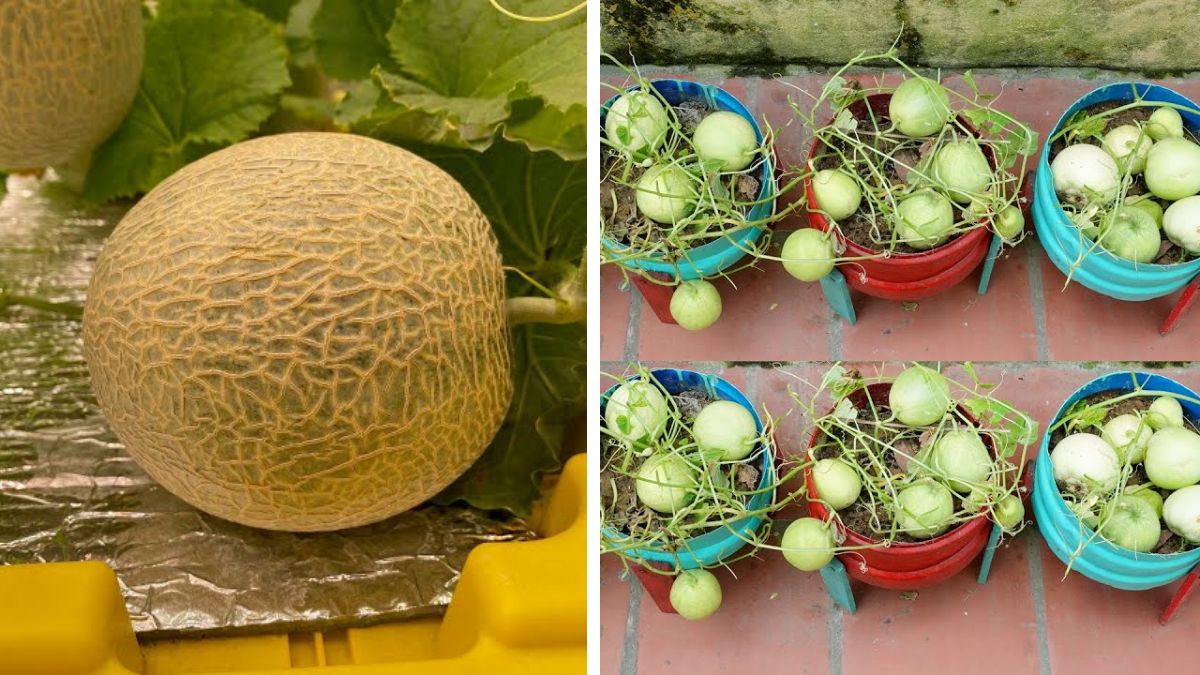
Step 3: Preparing and Planting Seed Potatoes
Buy certified seed potatoes from a nursery. Avoid grocery store potatoes — they’re often treated with chemicals to prevent sprouting.
Chitting (Pre-Sprouting)
- About two weeks before planting, place your seed potatoes in a cool, bright area.
- Wait for small green shoots (about 2 cm long) to form — this process is called chitting.
- If potatoes are large, cut them into 5 cm chunks with at least one or two “eyes” each.
- Let the cut pieces dry for 24–48 hours to prevent rot.
Planting
- In-Ground:
- Dig trenches 10–15 cm deep and 60 cm apart.
- Place seed potatoes (eyes up) 25–30 cm apart.
- Cover with 8 cm of soil.
- In Containers:
- Fill the container one-third with soil.
- Place the seed potatoes and cover with another layer of soil.
- As the plants grow, add more soil until the container is nearly full.
Potatoes grow underground, so regular hilling or adding soil ensures more tubers develop and stay protected from sunlight.
Step 4: Caring for Your Potato Plants
Watering
Potatoes need consistent moisture, especially during tuber formation. Water deeply once or twice a week. Avoid waterlogging — soggy soil leads to rot.
Hilling
When plants reach 20–25 cm tall, gently mound soil or compost around the base. Repeat this every few weeks to cover growing tubers and improve yield.
Feeding
Feed plants every 3–4 weeks with organic compost or seaweed extract. This enhances growth and flavor without introducing harsh chemicals.
Pest Management
Keep an eye out for common pests like Colorado potato beetles or aphids.
Combat them naturally using neem oil or insecticidal soap. Interplanting with herbs like basil or marigold can also deter pests naturally.
Step 5: Harvesting Your Potatoes
For New Potatoes:
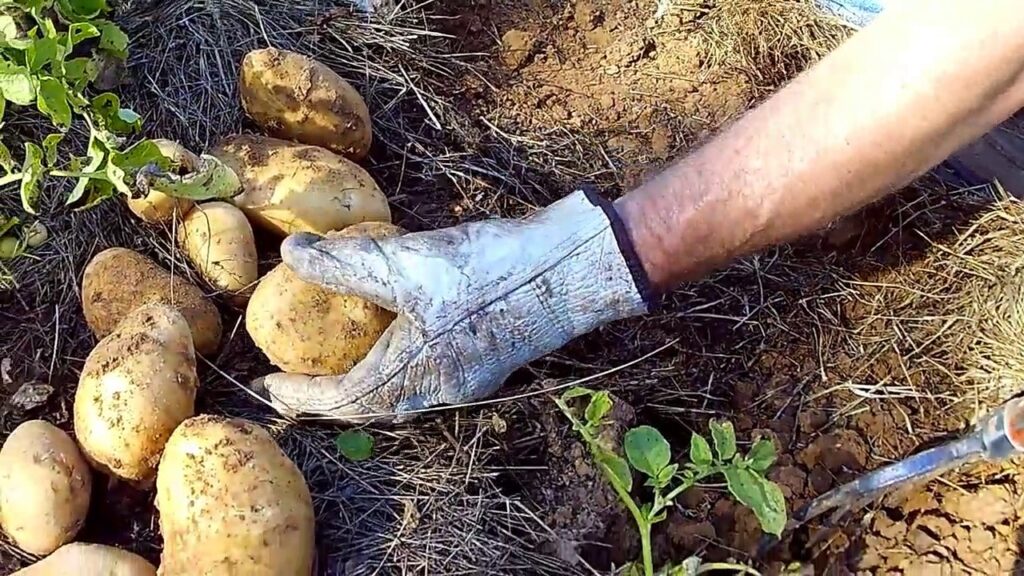
Harvest 2–3 weeks after flowering. These small, tender potatoes are perfect for quick-cooking veggie recipes like warm salads or sautéed dishes.
For Mature Potatoes:
Wait until the plant’s leaves turn yellow and die back. Carefully dig around the plant using a fork or your hands to lift the tubers. Brush off excess soil and handle gently to avoid bruising.
Step 6: Curing and Storing
Before storing, cure your potatoes to toughen their skins:
- Lay them in a dark, airy place for 10–14 days.
- Store in a cool (4–10°C), dark spot — like a cellar or pantry.
- Avoid plastic bags and direct sunlight, which can cause greening or sprouting.
Properly stored potatoes can last up to six months — giving you plenty of time to craft new veggie recipes.
Step 7: Cooking Creative Veggie Recipes with Homegrown Potatoes
Now that you’ve harvested your potatoes, it’s time to let your culinary imagination shine. Homegrown potatoes bring depth, texture, and freshness to every dish. Here are a few creative vegetarian recipes to try:
1. Rainbow Veggie Potato Bowl
Combine roasted potato cubes with colorful vegetables — bell peppers, carrots, and broccoli. Drizzle with tahini-lemon dressing and top with herbs. A vibrant, nutrient-rich meal perfect for lunch or dinner.
2. Potato-Stuffed Bell Peppers
Mash boiled potatoes with peas, corn, and spices. Fill bell peppers with this mixture and bake until tender. A hearty, colorful entrée that turns simple ingredients into art.
3. Crispy Potato Patties with Spinach
Mix mashed potatoes with chopped spinach, garlic, and breadcrumbs. Shape into patties and pan-fry until golden. Serve with a yogurt dip or chutney for a crispy, protein-rich snack.
4. Spiced Potato and Lentil Curry
Cook cubed potatoes with red lentils, onions, tomatoes, and curry spices. Simmer until creamy and aromatic. Serve with rice or naan for a comforting, wholesome meal.
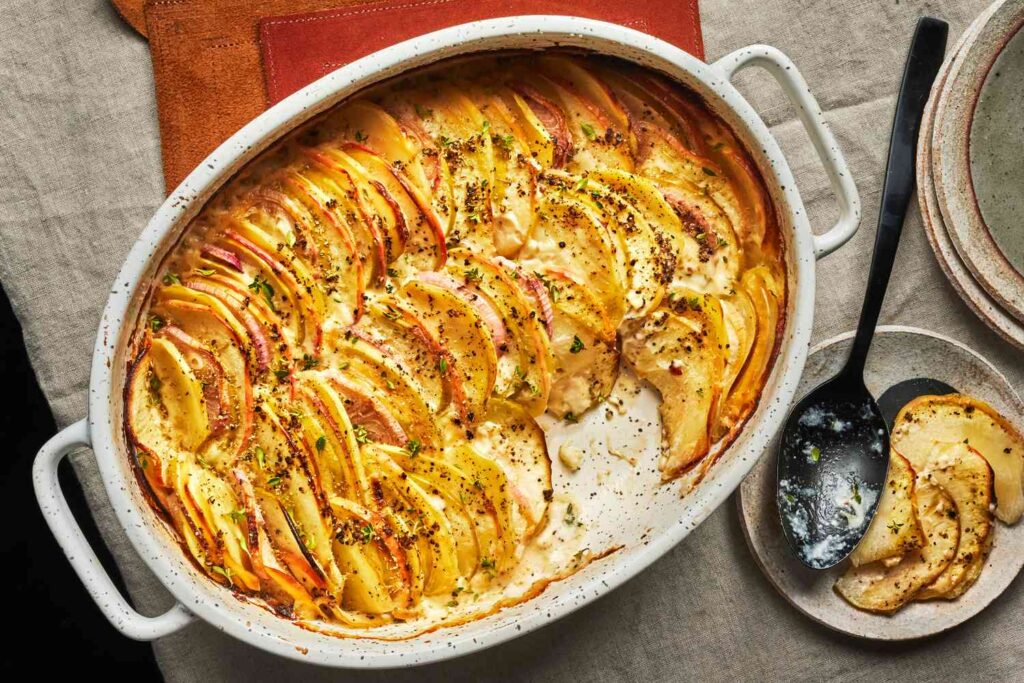
5. Potato and Zucchini Gratin
Layer thin slices of potato and zucchini with olive oil, garlic, and herbs. Bake until golden and bubbling — a creative twist on classic comfort food.
6. Potato Tacos with Avocado Cream
Fill soft tortillas with roasted potato cubes, black beans, lettuce, and avocado cream. Fresh, zesty, and perfect for meatless Mondays.
Each of these dishes celebrates the versatility of potatoes — allowing you to experiment with textures, spices, and flavors inspired by your own garden.
Step 8: Sustainability and Homegrown Health
Growing your own potatoes supports both your body and the planet.
- Zero Chemicals: You control how your food is grown.
- Eco-Friendly: Reduced packaging waste and zero transport emissions.
- Healthy Soil, Healthy You: Composting and organic methods enrich the earth.
- Self-Sufficiency: Producing your own food empowers you to cook creatively and sustainably.
Your garden becomes your grocery store — and your meals become a reflection of mindful living.
Step 9: Tips for Future Success
- Rotate Crops: Avoid planting potatoes in the same spot for consecutive years to prevent diseases.
- Mulch Regularly: Use straw or dry leaves to retain moisture and suppress weeds.
- Save Seed Potatoes: Choose healthy tubers from your harvest to replant next season.
- Experiment: Try colored potatoes (purple, red, or golden) for a visual and nutritional boost in your recipes.
Conclusion: From Garden Soil to Gourmet Plate
Growing potatoes at home is more than a gardening project — it’s a journey of creativity and connection. From planting the first seed to preparing a steaming bowl of seasoned potatoes, each step brings joy, discovery, and fulfillment.
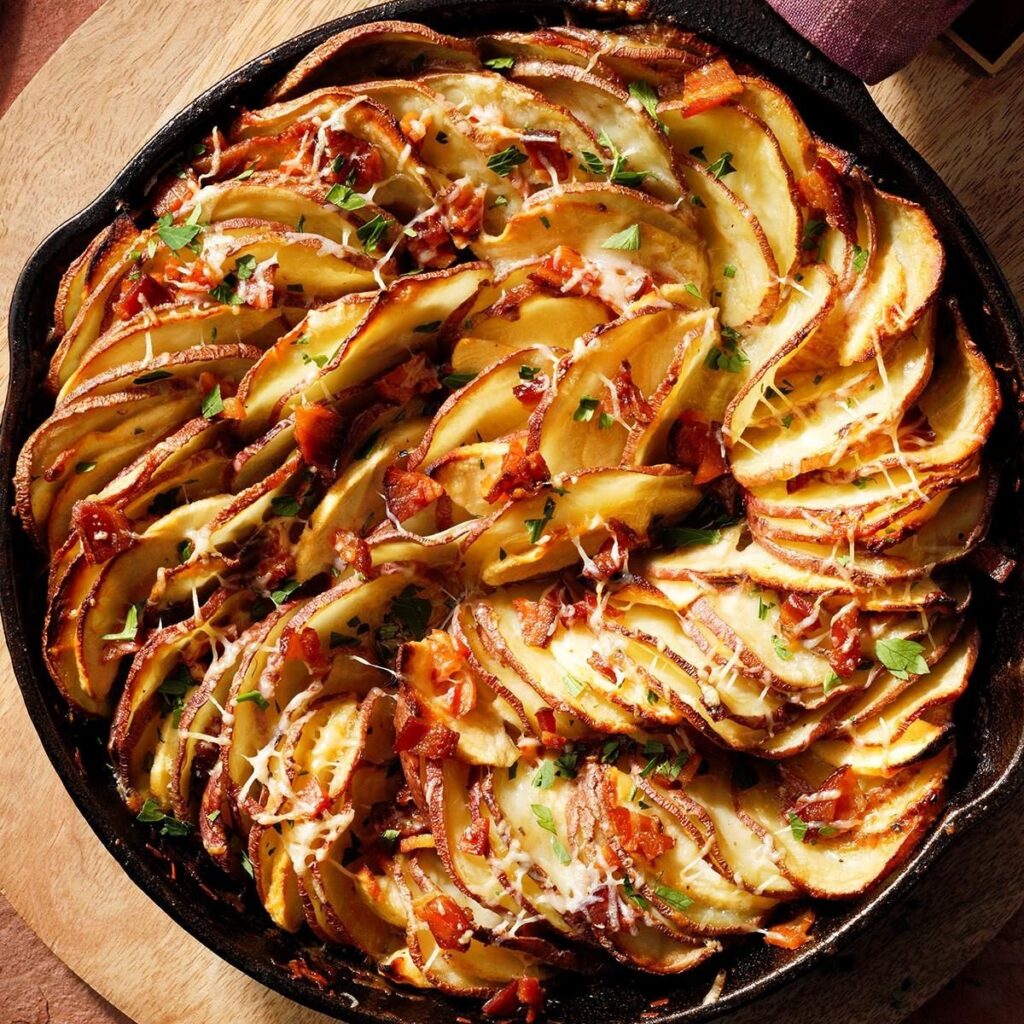
Your homegrown potatoes aren’t just ingredients; they’re the heart of your veggie creations. They inspire experimentation — from rustic soups to elegant gratins and modern bowls. With every harvest, you bring the essence of the earth straight to your kitchen, turning simple recipes into flavorful works of art.
So dig in — plant your first potato, nurture it with care, and watch it transform into the star of your next creative veggie dish.
Because when it’s homegrown, every bite is a celebration of freshness, flavor, and imagination.