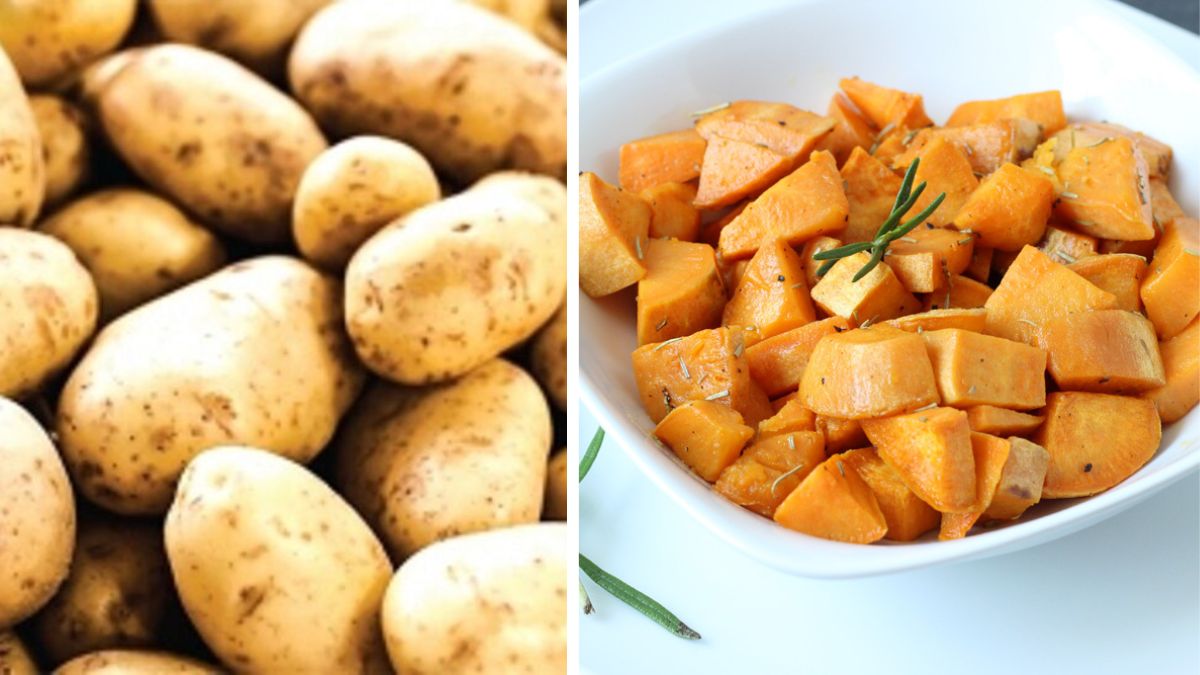
There’s something deeply satisfying about growing your own food — the earthy scent of freshly dug soil, the joy of watching seedlings rise, and the reward of tasting the fruits of your effort. Among all the vegetables you can grow, potatoes hold a special place. They’re hearty, versatile, and easy to cultivate, making them perfect for beginners and seasoned gardeners alike.
From planting your first seed potato to serving a golden, crispy roast on your dinner table, this journey from patch to plate connects you to nature in a truly rewarding way. Let’s explore how you can grow your own potatoes, nurture them through the season, and turn your harvest into delicious, creative meals that celebrate the essence of homegrown living.
1. Why Potatoes Belong in Every Home Garden

Potatoes are a global comfort food. Whether mashed, baked, fried, or boiled, they adapt effortlessly to countless recipes. But beyond their versatility, they’re also one of the easiest and most productive vegetables to grow.
Here’s why growing potatoes at home is worth it:
- High Yield: A single seed potato can produce up to 10 times its weight in tubers.
- Low Maintenance: They require minimal care and grow well in different climates.
- Storage Friendly: Potatoes store for months, making them a long-term food source.
- Culinary Versatility: From soups to stews, salads to casseroles — homegrown potatoes enhance every dish.
Growing potatoes transforms your backyard or balcony into a mini-farm of nourishment, sustainability, and creativity.
2. Preparing for the Potato Patch

The journey begins with preparation. Potatoes thrive in well-drained, loose soil and full sunlight. Before planting, take time to prepare the perfect growing environment.
Choosing a Location
Pick a sunny area that receives at least 6–8 hours of sunlight daily. Potatoes dislike soggy soil, so choose a well-drained site. If you have limited space, don’t worry — they grow beautifully in containers, raised beds, or grow bags.
Improving the Soil
Healthy soil equals healthy potatoes. Loosen the top 25–30 cm of soil and mix in organic compost or aged manure. Avoid heavy clay soil; light, crumbly soil encourages better tuber development. Potatoes prefer a slightly acidic pH (5.0–6.0) — if your soil is too alkaline, add some compost or pine mulch to balance it.
3. Picking the Perfect Potato Variety

Choosing the right potato variety determines the flavor, texture, and culinary possibilities of your harvest.
Here are some popular types to consider:
| Variety | Type | Best For |
|---|---|---|
| Yukon Gold | Waxy | Mashing, soups, stews |
| Red Pontiac | Firm | Salads, roasting |
| Russet Burbank | Starchy | Baking, fries |
| Kennebec | All-purpose | Boiling, frying, casseroles |
| Purple Majesty | Specialty | Colorful salads, creative plating |
If you enjoy experimenting in the kitchen, try planting two or three varieties — this gives you a range of textures and flavors for different recipes.
4. Preparing Seed Potatoes for Planting
Rather than using grocery-store potatoes (which are often treated with anti-sprouting chemicals), buy certified seed potatoes from a nursery or online supplier.
Chitting (Pre-sprouting)
- About 2–3 weeks before planting, lay your seed potatoes in a bright, cool place.
- Allow them to sprout short green shoots (about 1–2 cm long).
- If the seed potatoes are large, cut them into pieces — each with 2–3 “eyes.”
- Let the cut surfaces dry for a day before planting to prevent rot.
This step gives your potatoes a head start once they’re in the soil.
5. Planting Your Potato Patch
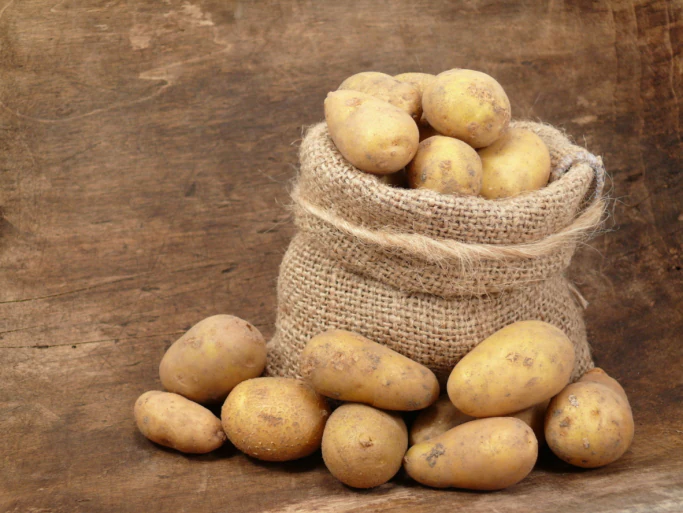
In-Ground Planting
- Dig trenches about 10–15 cm deep and 60 cm apart.
- Place the seed potatoes 30 cm apart, eyes facing upward.
- Cover with 8–10 cm of soil and water lightly.
- As the plants grow, you’ll “hill” soil around them to encourage tuber growth and protect them from sunlight.
Container or Bag Planting
- Fill your container one-third full with soil.
- Place seed potatoes on top and cover with 10 cm of soil.
- As the plants grow, add more soil until the container is nearly full.
- Keep soil moist, but never soggy.
This method is excellent for small gardens or urban balconies — and harvesting is as easy as tipping the container over!
6. Caring for Growing Plants
Once your potatoes sprout, they’ll need consistent care to produce healthy tubers.
Watering
Water deeply once or twice a week, depending on rainfall. Consistent moisture is key, especially during flowering — this is when tubers form. Avoid overwatering, as it can cause rot.
Hilling
When the plants reach 20–25 cm tall, gently mound soil around their base. Repeat this every few weeks to cover new growth. This protects tubers from sunlight (which can turn them green and toxic) and increases yield.
Feeding
Top-dress your potato patch with compost or organic fertilizer every few weeks. Avoid high-nitrogen fertilizers — they encourage leafy growth instead of tuber development.
Pest and Disease Control
Watch out for Colorado potato beetles, aphids, and blight.
Natural pest deterrents include neem oil sprays, handpicking beetles, or planting companion plants like basil, beans, or marigolds nearby.
7. The Joy of Harvesting
New Potatoes:
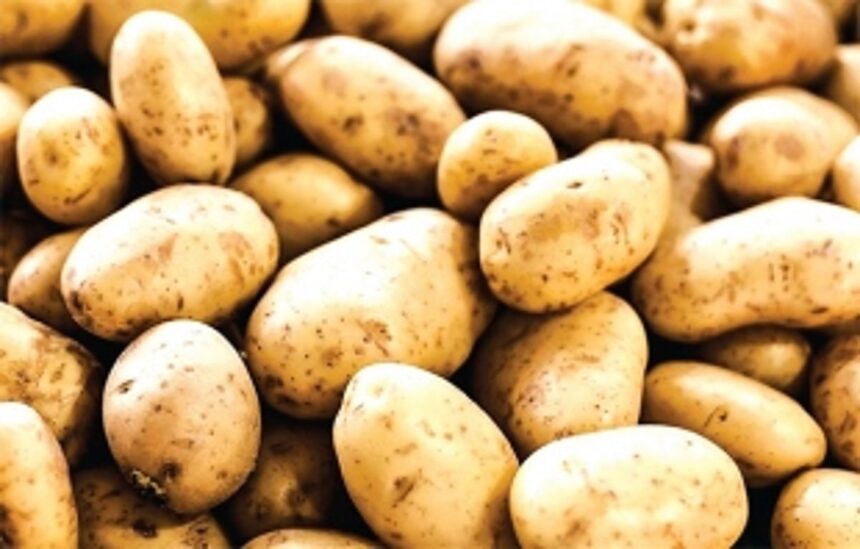
If you prefer small, tender potatoes, harvest them about 2–3 weeks after flowering. Gently dig around the base of the plant and lift a few without disturbing the rest.
Mature Potatoes:
For full-sized tubers, wait until the plant’s foliage turns yellow and dies back. Use a fork or your hands to gently unearth the potatoes. Shake off excess soil and let them air dry for a few hours.
The first glimpse of those golden tubers beneath the soil is pure magic — proof that your hard work has paid off.
8. Storing Your Potato Harvest
Before storage, cure your potatoes to strengthen their skins:
- Spread them out in a dark, airy space for 10–14 days.
- Store in a cool, dry, and dark location (around 4–10°C).
- Avoid washing before storage, as moisture can lead to rot.
- Check regularly for sprouts or soft spots.
Stored properly, your potatoes can last up to six months — giving you a steady supply of homegrown goodness all year long.
9. From Garden to Kitchen: Creative Ways to Enjoy Your Potatoes
Now comes the best part — cooking! Homegrown potatoes bring unbeatable freshness and flavor to your meals. Here are some creative vegetarian recipes to celebrate your harvest:
1. Garden Potato Soup
Simmer diced potatoes with leeks, celery, and herbs for a creamy, soothing soup. Blend half the mixture for a velvety texture and top with chives.
2. Roasted Herb Potatoes
Toss cubed potatoes in olive oil, garlic, rosemary, and thyme. Roast until crisp and golden. Perfect as a side or tossed into salads.
3. Potato and Chickpea Curry
Cook cubed potatoes with chickpeas, tomatoes, and coconut milk. Season with turmeric, cumin, and coriander for a comforting, protein-rich meal.
4. Potato Spinach Fritters
Mix mashed potatoes with spinach, onions, and breadcrumbs. Pan-fry until golden — delicious for breakfast or as a snack.
5. Stuffed Potato Skins
Scoop out baked potatoes, mix the filling with corn, bell peppers, and cheese, then bake again. A fun and satisfying way to showcase your harvest.
6. Potato Salad with Lemon-Herb Dressing
Combine boiled potatoes with parsley, dill, and a zesty lemon dressing — fresh, light, and perfect for summer.
Each dish reflects the versatility of potatoes and the pride of cooking with ingredients you’ve grown yourself.
10. Sustainability and the Homegrown Difference
Growing your own potatoes is a simple yet powerful act of sustainability.
- You reduce packaging and transport emissions.
- You cut down on chemical exposure by using organic methods.
- You connect directly to the source of your food.
Beyond environmental benefits, homegrown food also nurtures mindfulness. The rhythm of planting, watering, and harvesting encourages patience, gratitude, and appreciation for nature’s cycles.
11. Tips for Future Potato Seasons
- Rotate Crops: Avoid planting potatoes in the same soil for at least two years to prevent disease buildup.
- Mulch for Moisture: Use straw or dry leaves to conserve water and prevent weeds.
- Save Seed Potatoes: Choose healthy, medium-sized tubers from your harvest to plant next season.
- Experiment with Colors: Try growing purple, red, or fingerling varieties for fun visual appeal in your meals.
With each season, your experience deepens — and so does your harvest.
Conclusion: A Journey Rooted in Reward
Your homegrown potato journey is more than just gardening — it’s about rediscovering the connection between soil and sustenance. From planting the first sprout to savoring the final dish, every stage brings joy, learning, and creativity.
When your hands dig into the soil, and your kitchen fills with the aroma of roasted or mashed potatoes, you realize something profound: food grown by your own effort nourishes not just your body, but your spirit.
So grab a few seed potatoes, prepare your patch, and begin the adventure.
Because every time you bring potatoes from patch to plate, you’re cultivating more than food — you’re cultivating a lifestyle rooted in nature, nourishment, and pure, homegrown satisfaction.