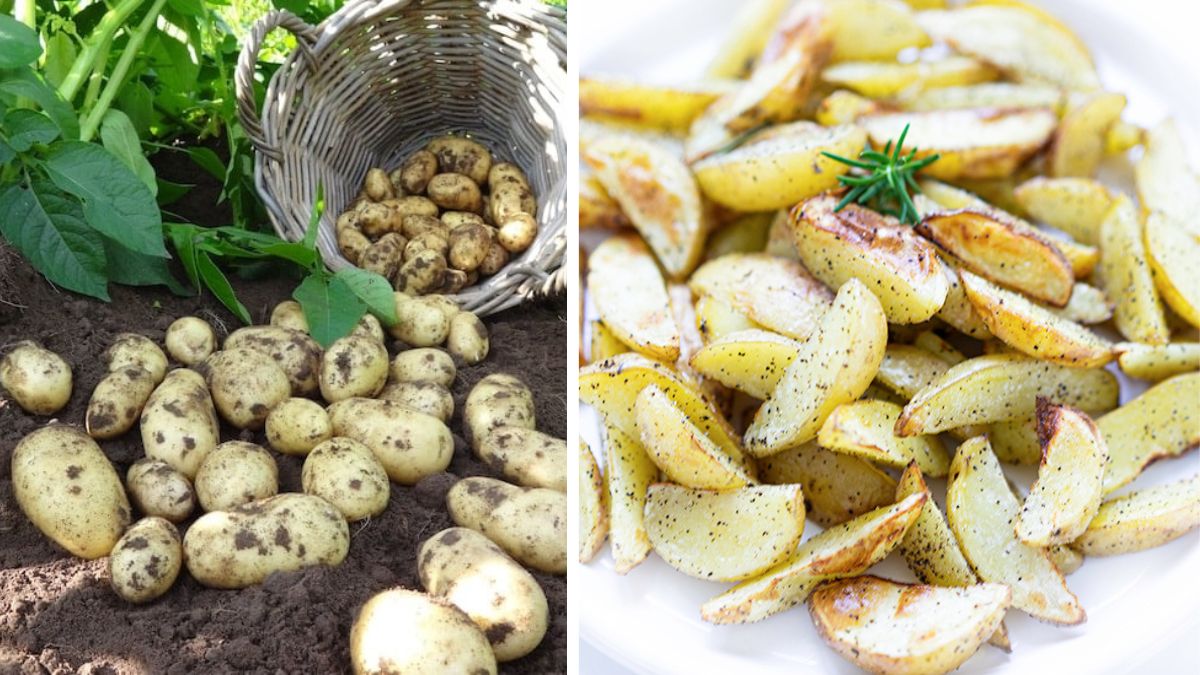
Few ingredients evoke as much warmth, nostalgia, and satisfaction as the humble potato. From creamy mashed potatoes and golden fries to hearty soups and baked casseroles, this versatile vegetable has a special place in comfort food around the world. But when you grow your own potatoes, those dishes taste even better — fresher, richer, and filled with the pride of something nurtured by your own hands.
Homegrown potatoes bring more than just flavor; they represent a connection between garden and kitchen, soil and soul. Every bite becomes a celebration of nature’s generosity and your effort. This article explores how to plant, grow, and harvest your own potatoes — and how to transform them into comforting homemade dishes that fill your home with aroma and joy.
Why Potatoes Are the Heart of Comfort Food

Potatoes are often called the “soul of the kitchen” — and for good reason. Their mild, earthy flavor and incredible texture make them adaptable to countless recipes. Whether mashed, roasted, fried, or baked, they form the backbone of the world’s most beloved comfort foods.
Here’s why potatoes are perfect for homegrown cooking magic:
- Versatile Texture: They can be creamy, crispy, or fluffy depending on how you cook them.
- Nutrient Powerhouse: Rich in potassium, fiber, and vitamin C, potatoes offer both taste and nutrition.
- Affordable and Easy to Grow: Even a small garden or a few containers can yield a generous crop.
- Year-Round Comfort: From summer potato salads to winter soups, they’re always in season on your plate.
When grown at home, potatoes deliver pure, farm-fresh flavor — free from chemicals, wax coatings, or long storage periods that dull their taste.
Step 1: Planning Your Potato Patch
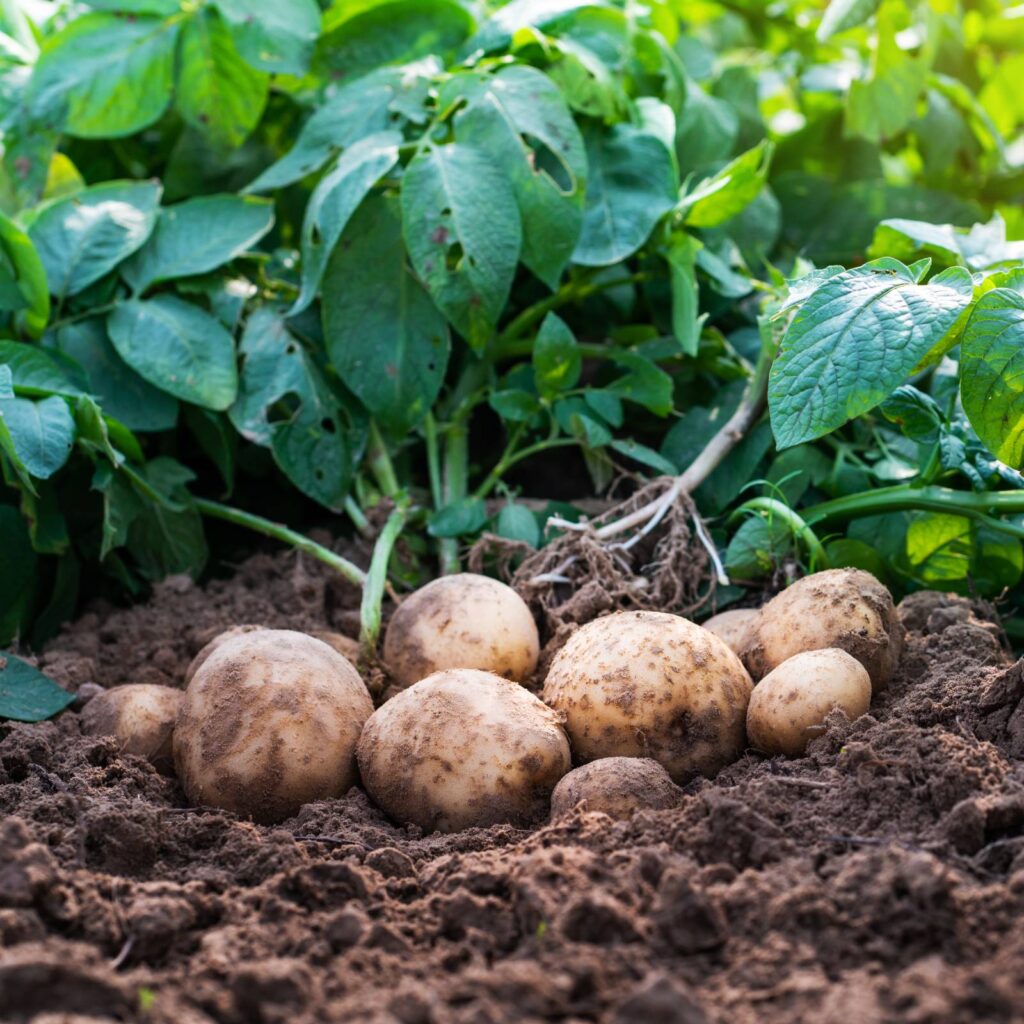
Before you start planting, choose the right spot in your garden. Potatoes are hardy plants, but they love sunlight and loose soil.
Choose the Right Location
Pick a spot with 6–8 hours of full sunlight daily. The soil should be loose, well-draining, and slightly acidic (pH 5.0–6.0). Avoid areas where you’ve recently grown tomatoes, peppers, or eggplants — they share similar pests and diseases.
Soil Preparation
Potatoes thrive in nutrient-rich soil. Mix in organic compost or aged manure before planting. This boosts fertility and enhances flavor. Avoid synthetic fertilizers — they may produce large plants but fewer tubers.
If your soil is clay-heavy, consider raised beds or large containers filled with a mix of soil, compost, and sand for drainage.
Step 2: Choosing and Preparing Seed Potatoes
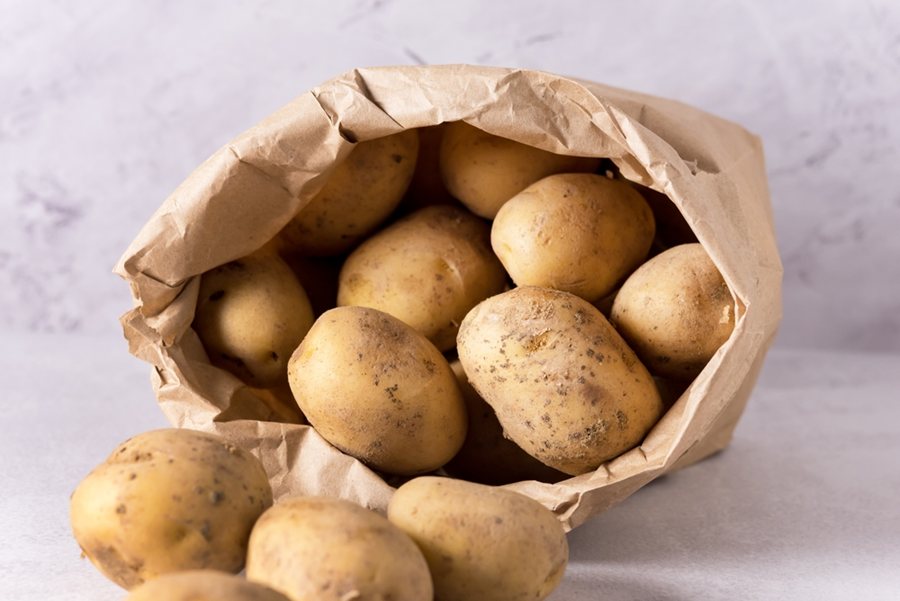
Skip grocery store potatoes — they’re often treated to prevent sprouting. Instead, buy certified seed potatoes from a nursery or online supplier. These disease-free tubers ensure a healthy crop.
Chitting (Pre-Sprouting)
Two weeks before planting, set your seed potatoes in a cool, bright place. When small green shoots appear, they’re ready for planting. This process, called chitting, gives them a head start.
If the potatoes are large, cut them into pieces about 5 cm across, ensuring each has at least one or two “eyes.” Let them dry for a day or two to prevent rotting after planting.
Step 3: Planting Your Potatoes
Potatoes grow best in cool weather. In most regions, plant them 2–3 weeks before the last expected frost.
In-Ground Planting
- Dig trenches about 10–15 cm deep and 60 cm apart.
- Place seed potatoes 30 cm apart, eyes facing upward.
- Cover with about 7–8 cm of soil.
- As shoots appear, add more soil to “hill” them — this protects tubers from sunlight and boosts yield.
Container or Grow Bag Planting
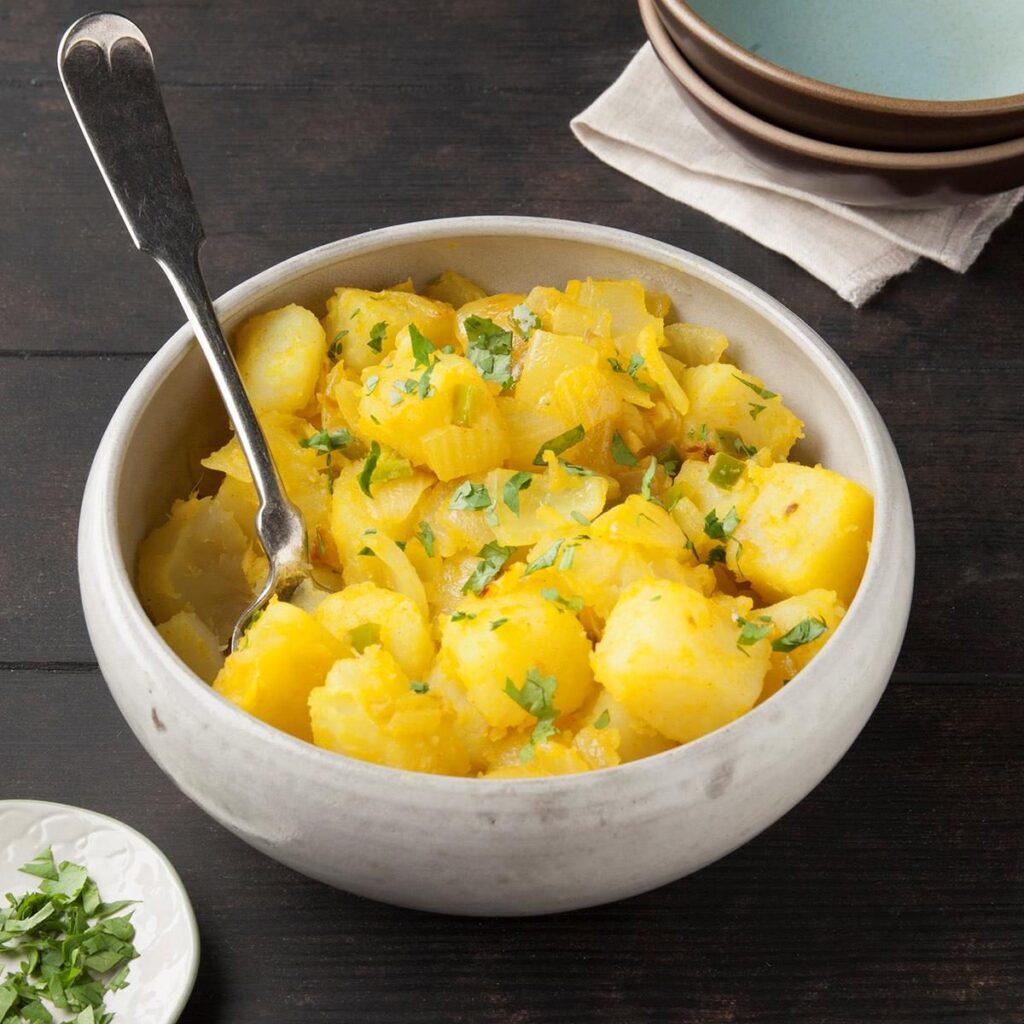
If space is limited, use grow bags or buckets:
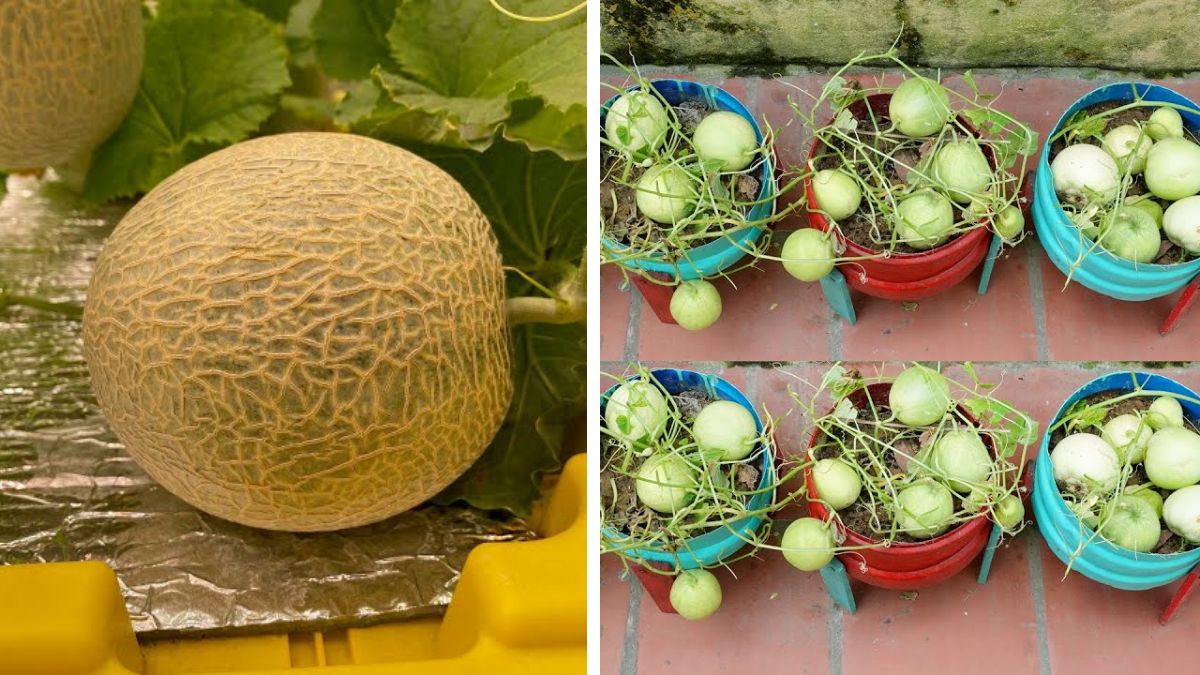
- Fill the container one-third with soil.
- Add seed potatoes and cover with soil.
- Keep adding soil as plants grow until the container is nearly full.
This method works wonderfully on patios, balconies, or small yards.
Step 4: Caring for Your Potato Plants
Potatoes are easy to grow, but they do appreciate regular attention.
Watering
Keep the soil consistently moist but not waterlogged. Deep watering once or twice a week is ideal, especially during flowering (when tubers form). Uneven watering can cause irregular or cracked potatoes.
Hilling
Every few weeks, mound soil or compost around the base of the plants. This keeps tubers covered and encourages more to grow. Sunlight exposure can turn potatoes green and bitter — hilling prevents that.
Feeding
Apply organic compost tea or seaweed extract every few weeks. Avoid over-fertilizing; too much nitrogen encourages leafy growth at the expense of tubers.
Pest Protection
Common pests include Colorado potato beetles, aphids, and wireworms.
- Handpick beetles or spray neem oil.
- Rotate crops yearly to prevent disease buildup.
- Interplant with herbs like basil or marigold for natural pest deterrence.
Step 5: Harvesting the Rewards
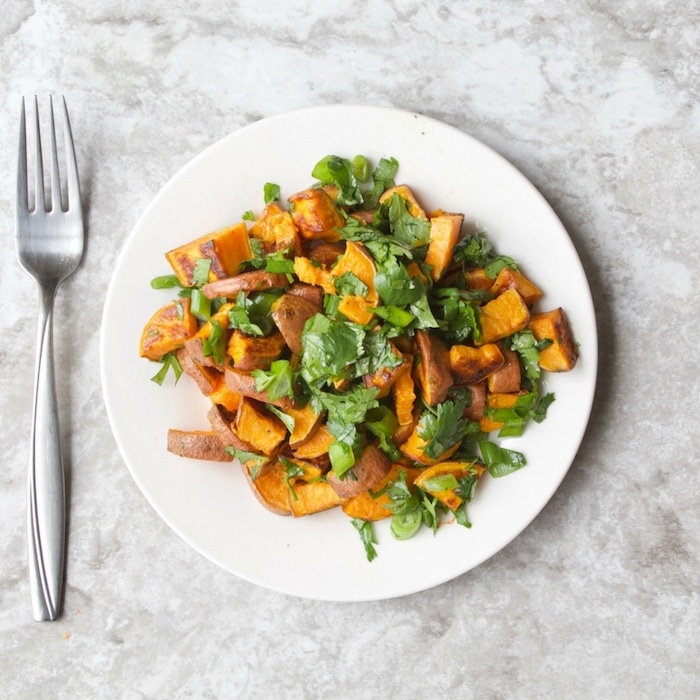
Watching your potato plants flourish is exciting — but harvesting is pure joy.
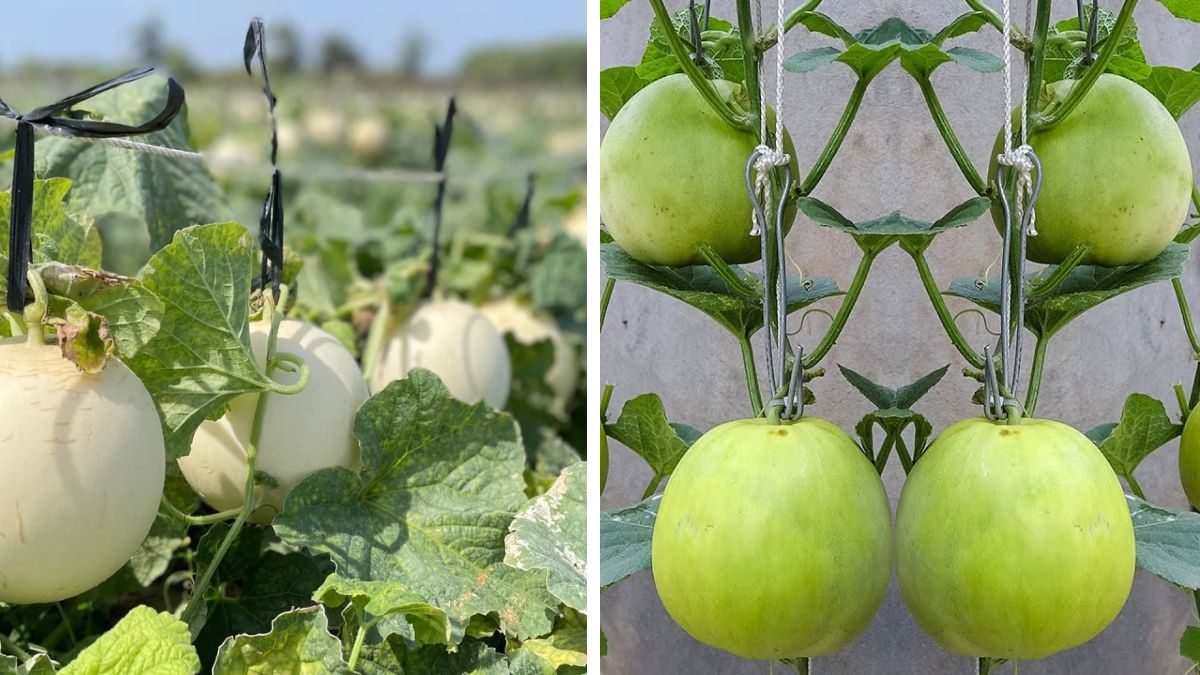
For New Potatoes:
Two to three weeks after flowering, you can gently dig around the base for small, tender “new potatoes.” These are creamy and perfect for salads or buttery sides.
For Mature Potatoes:
Wait until the foliage turns yellow and begins to die back. Carefully loosen the soil with a garden fork or by hand to lift the tubers. Handle gently to avoid bruising.
Let them air-dry for a few hours before brushing off excess soil.
Step 6: Curing and Storing
To keep your harvest fresh:
- Cure potatoes in a dark, ventilated spot for 10–14 days to toughen the skin.
- Store in a cool (4–10°C), dark place like a pantry or cellar.
- Avoid storing near onions or in plastic bags — they cause moisture buildup and spoilage.
Properly stored potatoes can last for months, ready to become the base of countless comfort dishes.
Step 7: Turning Harvest into Comfort Food Magic
Now comes the most satisfying part — cooking with your homegrown potatoes. Their flavor is deeper, their texture creamier, and their freshness unmatched.
1. Creamy Mashed Potatoes
Boil peeled potatoes until tender. Mash with olive oil or plant-based butter, add salt and a splash of warm milk (or oat milk for vegan versions). Sprinkle herbs for aroma. Simple, rich, and irresistible.
2. Golden Potato Gratin
Thinly slice potatoes and layer them in a casserole dish with onions, garlic, and a creamy sauce made from cashews or cheese. Bake until golden and bubbling — the perfect winter comfort dish.
3. Roasted Herb Potatoes
Toss cubed potatoes in olive oil, rosemary, salt, and pepper. Roast until crispy outside and fluffy inside. Ideal as a side dish or a warm snack on chilly evenings.
4. Potato-Leek Soup
Simmer chopped potatoes, leeks, and onions in vegetable broth. Blend until velvety smooth. Finish with a swirl of cream or coconut milk for luxurious texture.
5. Stuffed Baked Potatoes
Bake whole potatoes until tender. Scoop out the centers, mix with sautéed veggies or herbs, and refill the skins. Crisp them in the oven for a filling, flavorful meal.
With homegrown potatoes, these dishes taste extraordinary — you can literally taste the freshness of your garden in every bite.
Step 8: The Sustainability Advantage
Growing your own potatoes isn’t just rewarding; it’s a powerful act of sustainability.
- Reduced Waste: No plastic packaging or food miles.
- Eco-Friendly Gardening: Organic cultivation preserves soil health.
- Zero Chemicals: You control what goes into your food.
- Composting Loop: Potato peels and garden scraps enrich next season’s soil.
Each harvest brings you closer to self-sufficiency — a true garden-to-table lifestyle that’s healthy for both you and the planet.
Step 9: Tips for Long-Term Success
- Crop Rotation: Don’t plant potatoes in the same spot two years in a row to prevent disease.
- Mulching: Use straw or dry leaves to keep soil moist and cool.
- Save Seed Tubers: Choose the healthiest small potatoes from your harvest for next season’s planting.
- Experiment with Varieties: Grow yellow, red, and purple potatoes for variety in flavor and nutrition.
These small practices ensure continuous, bountiful harvests — and years of delicious comfort meals.
Conclusion: Homegrown Happiness in Every Bite
Comfort food isn’t just about flavor — it’s about feeling. When you grow your own potatoes, you don’t just cook; you create an experience that nourishes the body and uplifts the spirit. The journey from planting to plating connects you to the earth, teaches patience, and rewards you with food that’s as wholesome as it is heartwarming.
Every creamy mash, golden fry, and steamy baked dish carries the essence of your garden — fresh air, sunlight, and care. That’s the magic of homegrown potatoes: the taste of comfort, the joy of creation, and the satisfaction of knowing you grew it all yourself.
So, roll up your sleeves, dig into the soil, and start your own comfort food journey. From your garden to your kitchen table, let every potato remind you — real comfort begins at home.