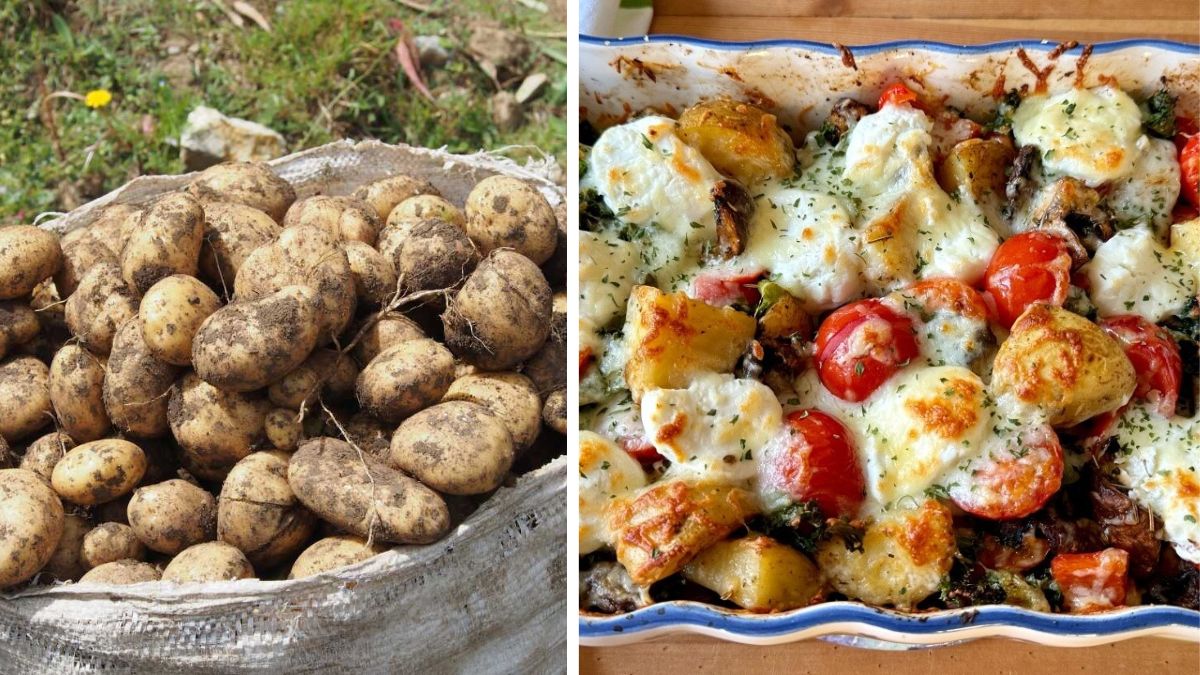
There’s something undeniably heartwarming about a family dinner made from ingredients grown right in your own backyard. Among all the vegetables you can cultivate, potatoes hold a special place—they’re the foundation of countless comforting, nourishing meals. Whether you’re preparing a creamy potato soup, a golden roast, or a hearty casserole, these humble tubers bring families together around the dinner table.
Growing potatoes at home isn’t just about saving money or enjoying fresher food—it’s about rediscovering the connection between garden, kitchen, and family. In this article, we’ll explore everything you need to know about cultivating homegrown potatoes naturally, and how they can turn your vegetarian family dinners into cozy, wholesome experiences.
1. Why Potatoes Are the Heart of Family Meals

Potatoes are one of the world’s most beloved comfort foods, and for good reason. Their mild flavor and creamy texture make them adaptable to countless vegetarian recipes—from simple baked potatoes to rich stews and curries.
But beyond taste, they hold emotional value. For many families, potato-based dishes symbolize togetherness: roasted potatoes on a Sunday afternoon, mashed potatoes for a festive dinner, or crispy patties shared on a cozy evening. Growing your own potatoes enhances this bond—you’re not just cooking dinner, you’re sharing the story of a meal that started in your own soil.
2. The Benefits of Growing Potatoes at Home
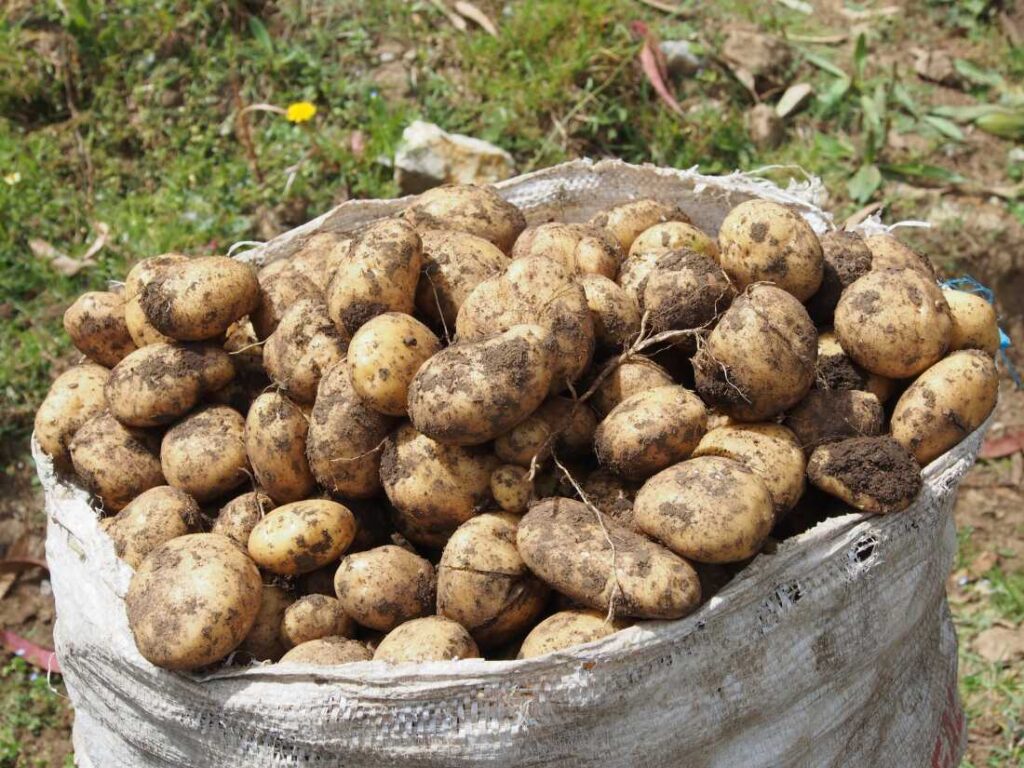
There’s something deeply satisfying about digging your hands into the soil and pulling up golden tubers that you’ve nurtured yourself. Homegrown potatoes offer:
- Unmatched freshness and flavor: Straight from your garden, they taste creamier and richer than store-bought ones.
- Chemical-free produce: You control what goes into your soil, ensuring your potatoes are 100% natural and safe.
- Sustainability: Growing at home reduces packaging waste and transportation emissions.
- Family involvement: Gardening together can be a bonding experience, teaching kids patience, responsibility, and the value of healthy eating.
Even if you don’t have much space, you can grow a surprisingly large crop in containers, sacks, or raised beds—making it accessible to urban gardeners too.
3. Selecting the Right Variety for Your Garden

Choosing the right potato variety is essential for both successful growth and delicious meals. There are three main categories to consider:
- Early varieties (like Red Norland or Rocket): Harvest in 10–12 weeks. Great for small gardens and quick yields.
- Mid-season varieties (like Yukon Gold): Perfect for roasting or mashing; they’re flavorful and buttery.
- Late varieties (like Russet Burbank): Ideal for baking, fries, and storing for winter.
For cozy vegetarian dinners, Yukon Gold or Desiree are favorites—they produce rich, golden tubers perfect for comfort dishes like gratins and curries.
4. Preparing the Soil: Building a Foundation for Success

Potatoes thrive in loose, well-draining soil rich in organic matter. The better your soil, the better your harvest.
Here’s how to prepare your potato patch:
- Choose a sunny spot: Potatoes love sunlight—at least 6 hours per day.
- Loosen the soil: Dig at least 10–12 inches deep, breaking up clumps for aeration.
- Add compost: Mix in compost or well-rotted manure to enrich the soil naturally.
- Maintain acidity: Potatoes prefer slightly acidic soil (pH 5.0–6.5).
Avoid compacted or waterlogged areas—potatoes need room to expand underground. For small gardens, raised beds or grow bags are excellent alternatives.
5. Planting: Turning Seed Potatoes into Future Meals
Instead of planting store-bought potatoes, start with certified seed potatoes—these are disease-free and bred for home cultivation.
Planting Steps:
- Chit the potatoes: Place seed potatoes in a bright, cool space for 2–3 weeks until sprouts appear.
- Cut and cure: If they’re large, cut them into chunks with at least one sprout each. Let them dry for a day.
- Dig trenches: 4 inches deep, 2 feet apart.
- Plant the seeds: Eyes facing upward, spacing each piece 12 inches apart.
- Cover with soil: Water lightly and keep the soil moist.
After the plants grow about 6 inches tall, begin hilling—mounding soil around the stems. This prevents sunlight from turning tubers green and increases your yield. Repeat every couple of weeks as the plants grow.
6. Caring for Your Potato Plants Naturally

Growing potatoes doesn’t require fancy equipment or chemicals. A little attention and consistency go a long way.
Watering: Keep the soil evenly moist but not soggy. Deep watering once or twice a week is better than frequent light watering.
Feeding: Use organic fertilizers like compost tea, bone meal, or seaweed extract. Potatoes love potassium, which helps tuber development.
Weeding: Remove weeds regularly to prevent competition for nutrients.
Pest control: Protect your plants naturally:
- Use neem oil or garlic spray for insects.
- Plant marigolds nearby—they repel pests naturally.
- Rotate crops each season to avoid disease buildup.
Healthy plants with dark green leaves and strong stems are signs that your potatoes are thriving.
7. Harvesting Your Golden Rewards
Harvesting is the most exciting part—it’s like digging for treasure.
Timing:
- Early varieties: Ready 10–12 weeks after planting, once flowers appear.
- Maincrop varieties: Wait until the leaves yellow and die back (16–20 weeks).
How to harvest:
- Use a garden fork or your hands to gently loosen the soil.
- Lift the plant from below, being careful not to damage the tubers.
- Shake off the dirt and let them dry in a cool, shaded area for a few hours.
Storage:
Cure your potatoes for 7–10 days in a dry, ventilated space. Then store them in burlap bags or boxes in a dark, cool place. Properly stored potatoes can last for months, giving you fresh ingredients for many family dinners.
8. Cooking with Homegrown Potatoes: Cozy Vegetarian Recipes
Now comes the most delicious part—turning your harvest into comforting vegetarian meals. Homegrown potatoes have a dense, creamy texture that enhances every dish. Here are some family favorites:
1. Creamy Potato Soup
Blend boiled potatoes with onions, garlic, and vegetable broth. Add cream or plant-based milk for richness. Serve with crusty bread for a cozy night in.
2. Classic Mashed Potatoes
Mash boiled potatoes with butter, milk (or oat milk), salt, and a sprinkle of herbs. It’s the perfect side dish for roasted vegetables or vegan gravy.
3. Potato and Veggie Casserole
Layer thin slices of potatoes with spinach, mushrooms, and cheese or vegan alternatives. Bake until golden and bubbling—a true comfort classic.
4. Roasted Herb Potatoes
Cut your homegrown potatoes into wedges, toss with olive oil, rosemary, and garlic, and roast until crispy. Simple, wholesome, and crowd-pleasing.
5. Indian-Style Aloo Curry
Simmer diced potatoes with tomatoes, onions, and aromatic spices like turmeric, cumin, and coriander. Serve with rice or roti for a satisfying vegetarian feast.
Each dish tells a story—of care, patience, and love from garden to kitchen to table.
9. Sharing the Harvest: Bringing Families Together
One of the greatest joys of growing your own potatoes is sharing them. Imagine setting the dinner table with dishes made entirely from your backyard harvest—everyone savoring the fruits (or tubers) of your labor.
Children especially enjoy being part of the process—planting, watering, harvesting, and finally eating what they helped grow. These experiences teach sustainability, gratitude, and the importance of wholesome eating habits.
Family dinners made with homegrown ingredients become more than just meals—they’re moments of togetherness, conversation, and love.
10. Sustainability: A Greener Way to Eat
Homegrown potatoes aren’t just good for your family; they’re good for the planet too. By cultivating your own food:
- You reduce dependence on industrial agriculture.
- You eliminate chemical waste and packaging.
- You lower your carbon footprint through local production.
Even small backyard or container gardens contribute to a greener, healthier planet—one meal at a time.
Conclusion: From Soil to Supper, A Journey of Love
“Homegrown Potatoes for Cozy Veggie Family Dinners” is more than a gardening project—it’s a return to simple, nourishing living. It’s about slowing down, reconnecting with nature, and creating meals that feed not just the body but the soul.
When you dig up your own potatoes, roast them with herbs, and serve them to your loved ones, you’re sharing more than food—you’re sharing care, time, and tradition.
So grab a spade, prepare your patch, and start planting. Your garden can become the foundation of many cozy family dinners, filled with warmth, laughter, and the delicious taste of homegrown goodness.