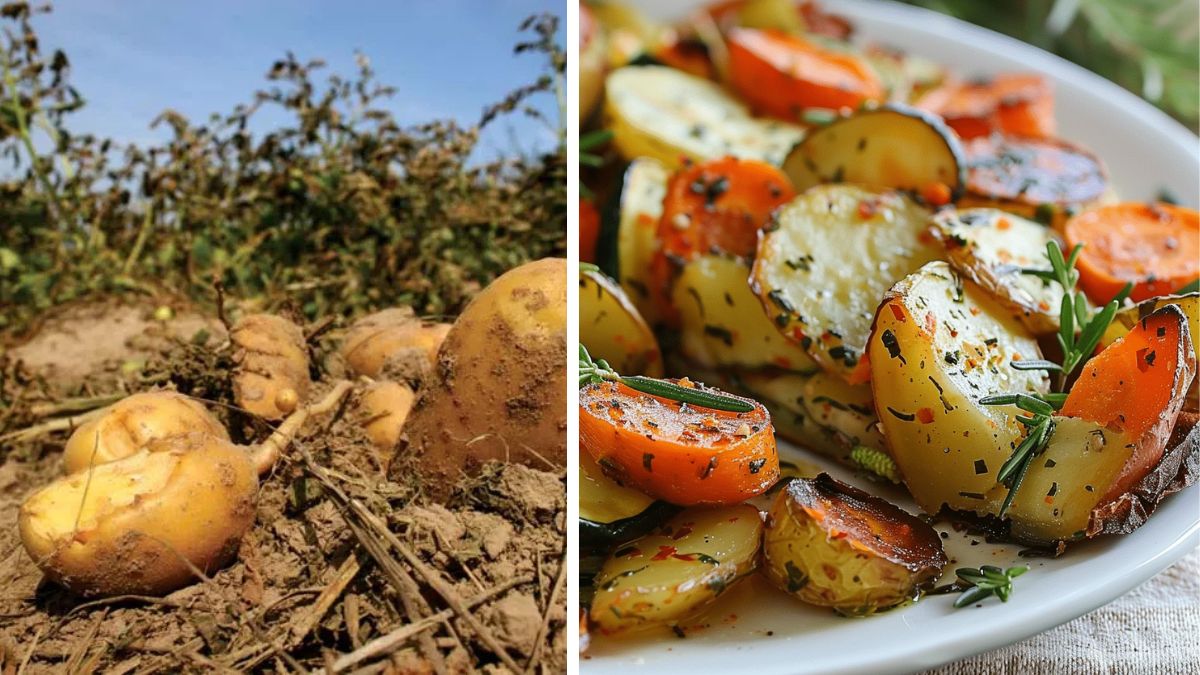
In a world where more people are embracing plant-based diets, the potato stands tall as one of nature’s most versatile and nourishing gifts. From lush green vines that sprout underground treasures to endless possibilities in the kitchen, potatoes are the cornerstone of sustainable, plant-based living.
Whether you’re a beginner gardener or a conscious eater looking to grow your own food, learning how to grow, harvest, and cook your own potatoes can transform both your garden and your lifestyle. Let’s dive deep into how this humble tuber can become a delicious, nutritious centerpiece of your plant-powered diet.
The Power of Potatoes in a Plant-Based Diet
Potatoes have nourished civilizations for centuries, offering an unmatched combination of energy, flavor, and versatility. For anyone following a plant-based lifestyle, they are a staple that bridges the gap between comfort food and clean eating.
Here’s why potatoes deserve a permanent place on your plate:
- Nutrient-Dense: A single medium potato provides vitamin C, potassium, and fiber, while being naturally fat-free and cholesterol-free.
- Satiating Energy: Their complex carbohydrates release energy slowly, keeping you fuller longer.
- Culinary Versatility: From mashed to roasted, baked to boiled, potatoes adapt to almost any cuisine or cooking style.
- Sustainability: They require fewer resources to grow compared to many grains, making them an environmentally friendly crop.
When grown organically in your own backyard, potatoes also come with the unbeatable satisfaction of knowing your food’s true origin—free from chemicals and full of natural goodness.
Step 1: Growing Potatoes the Plant-Based Way
Growing your own potatoes is easier than many imagine. With a bit of preparation, you can cultivate a steady supply of these golden gems right in your garden—or even in containers on a balcony.
Choosing the Right Variety
Potatoes come in hundreds of varieties, each suited to different climates and culinary uses.
- Early Varieties: Red Norland, Yukon Gold — perfect for quick harvests and tender, thin skins.
- Mid-Season Varieties: Kennebec, Gold Rush — balanced flavor and good yield.
- Late Varieties: Russet Burbank, German Butterball — ideal for baking and long-term storage.
For a continuous harvest, plant early and mid-season varieties together.
Soil and Location
Potatoes thrive in loose, well-drained, and slightly acidic soil (pH 5.0–6.0). They love full sun—at least 6–8 hours daily.
Before planting, enrich your soil with organic compost or aged manure. Avoid synthetic fertilizers—they encourage leafy growth at the expense of tubers.
If your garden soil is heavy clay, use raised beds or grow bags filled with a mix of compost, sand, and garden soil. Healthy soil equals healthy potatoes.
Planting Your Seed Potatoes
Instead of grocery potatoes, which are often treated with sprout inhibitors, use certified seed potatoes.
Cut larger seed potatoes into pieces roughly the size of a golf ball, ensuring each piece has at least one or two “eyes” (the small buds). Allow them to dry for a day or two before planting.
Plant them 10–15 cm deep and 30 cm apart in rows spaced about 60 cm apart. Cover with a light layer of soil, and water gently.
Nurturing Your Potato Plants
Watering: Potatoes need consistent moisture—especially during flowering when tubers start forming. Deep watering once or twice a week works best.
Hilling: When the plants reach 20 cm in height, gently mound soil around the base. This “hilling” process protects developing potatoes from sunlight (which turns them green and toxic) and encourages more tuber growth.
Fertilizing: Apply organic compost or seaweed extract every few weeks to keep nutrients balanced. Avoid excessive nitrogen—it causes lush leaves but fewer potatoes.
Natural Pest Control: To protect your plants, use natural methods:
- Plant marigolds nearby to deter beetles.
- Rotate crops yearly.
- Remove pests manually instead of using chemicals.
Step 2: Harvesting the Reward
Harvesting your own potatoes is one of the most satisfying moments for any gardener.
When to Harvest
- New Potatoes: You can start gently digging around the plant 2–3 weeks after flowering. These are small, tender, and great for quick cooking.
- Mature Potatoes: Wait until the vines begin to wilt and turn yellow. This signals that the tubers have reached full size and flavor.
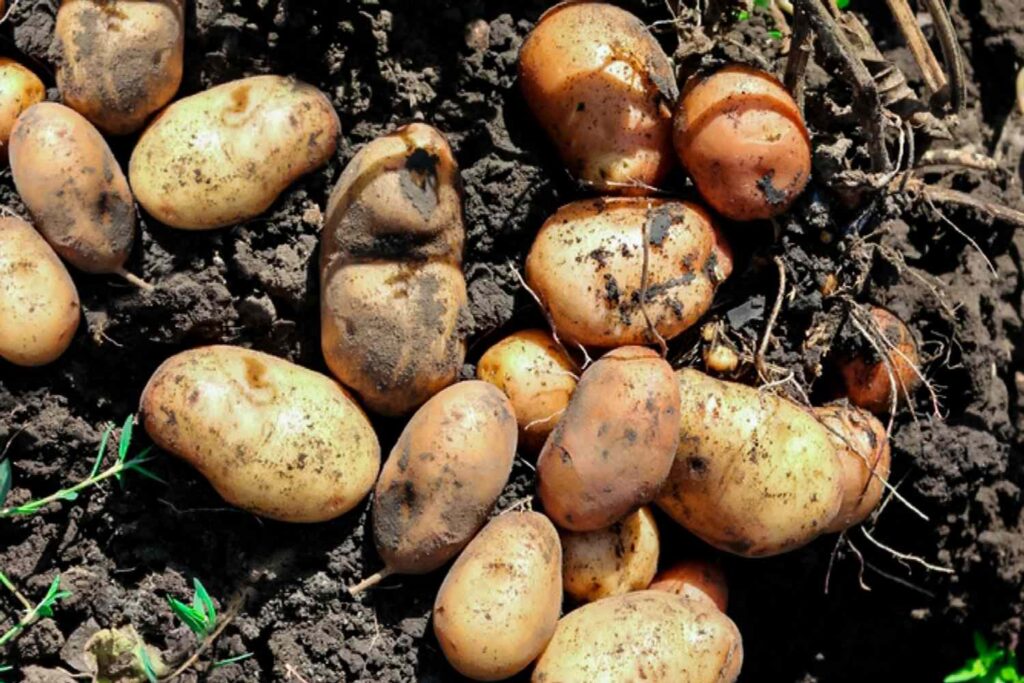
Use a garden fork or your hands to dig carefully, loosening the soil around the plant to avoid piercing or bruising the tubers. Shake off excess dirt, and let them dry in a shaded area for a few hours.
Curing and Storing
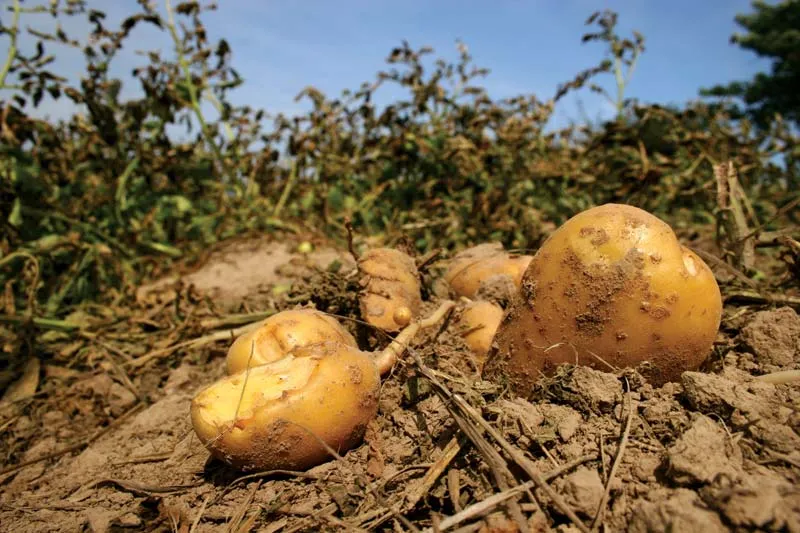
To store your harvest long-term, you’ll need to cure the potatoes. Lay them in a cool, dark, and ventilated area for about two weeks. This toughens their skins and extends shelf life.
After curing, move them to a dark, humid, cool space (around 4–10°C) such as a cellar or pantry. Never store potatoes in the fridge—it alters their flavor.
With proper care, your homegrown potatoes can last up to six months, feeding your plant-based lifestyle all year long.
Step 3: Cooking Potatoes for Plant-Based Meals
Once you’ve grown and harvested your potatoes, the kitchen becomes your next garden—where creativity blossoms and flavor thrives.
Potatoes are a blank canvas, ready to take on herbs, spices, and vegetables. They can form the base of comforting meals or serve as the highlight of elegant plant-based dishes.
Here are some delicious ways to enjoy them:
1. Roasted Herb Potatoes
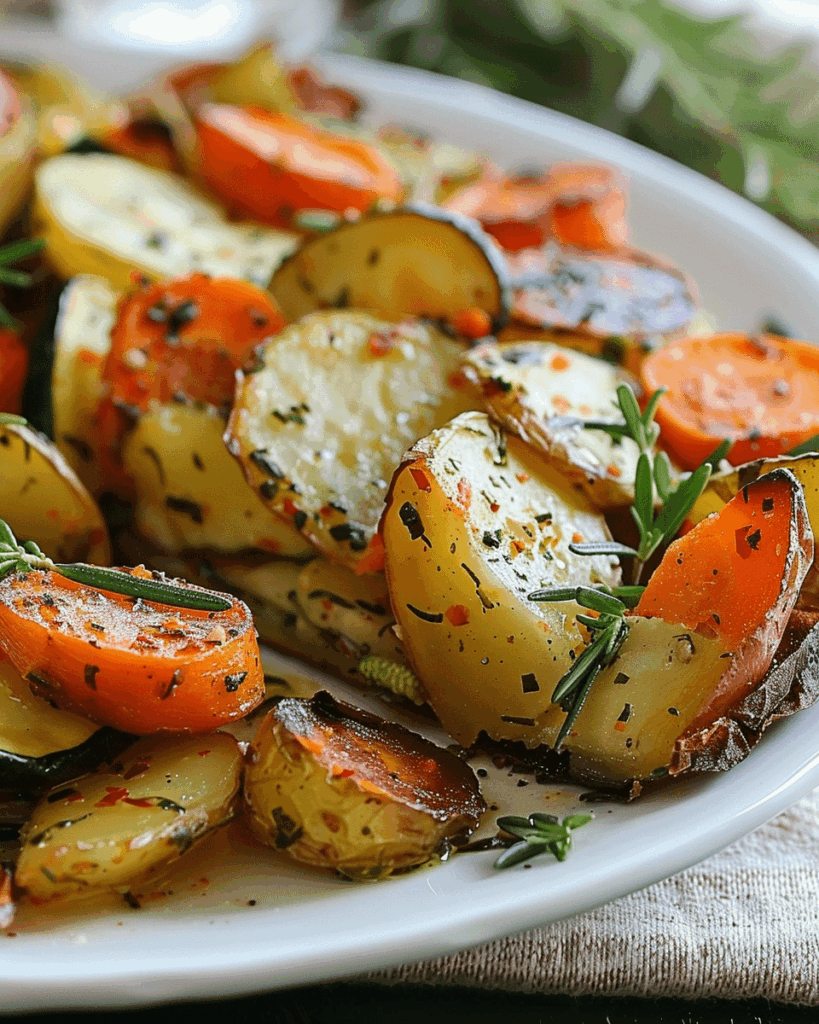
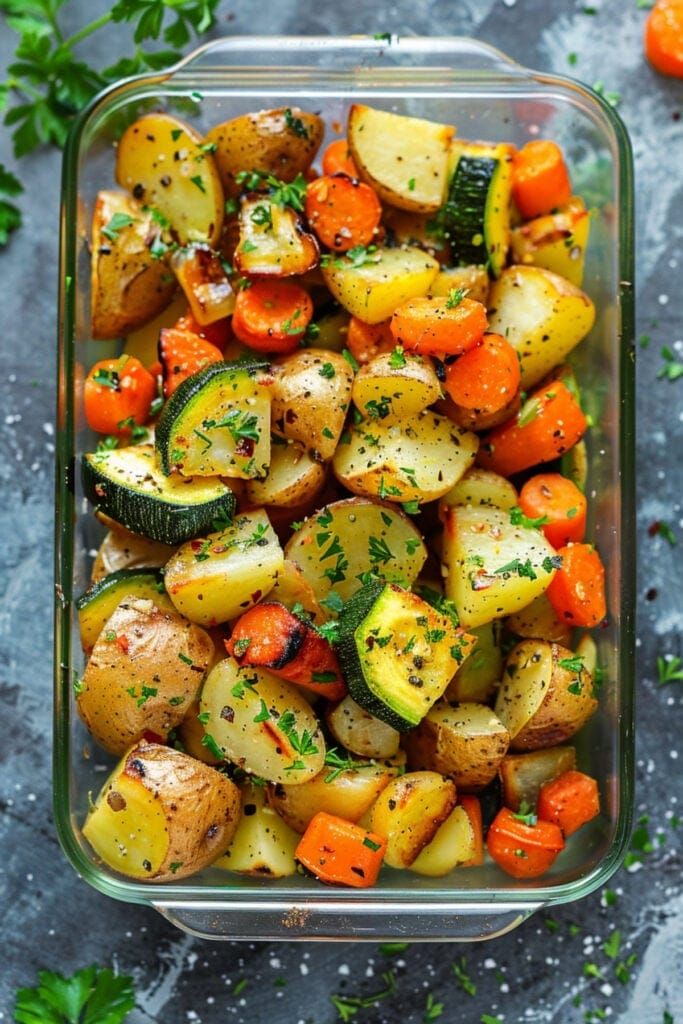
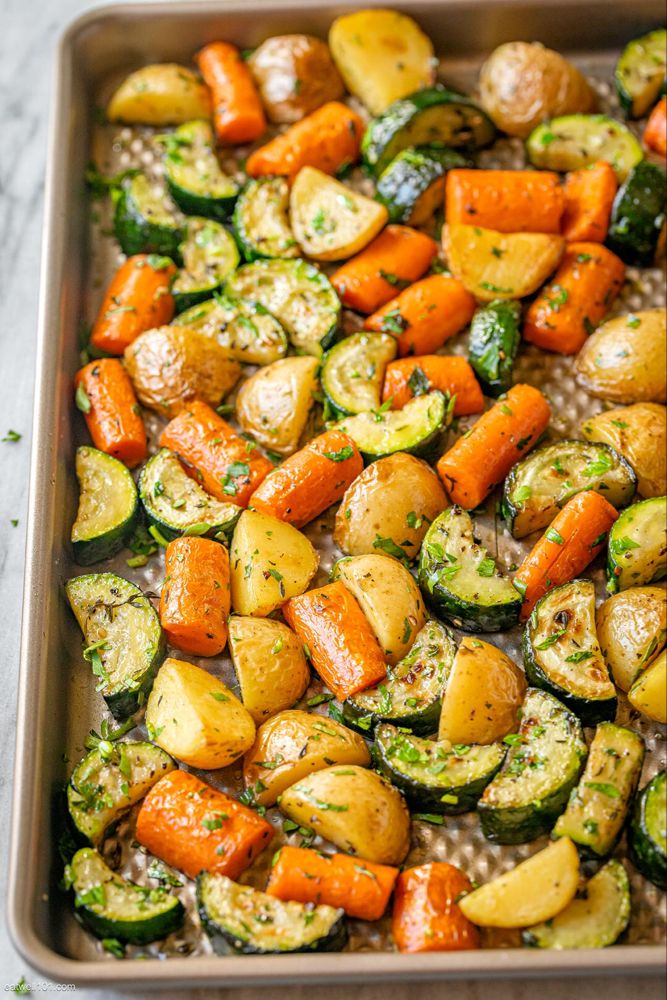
Toss baby potatoes with olive oil, rosemary, thyme, and garlic. Roast until golden brown. Serve as a hearty side or toss with chickpeas and spinach for a balanced plant-based bowl.
2. Vegan Potato Soup
Simmer diced potatoes with onions, carrots, celery, and vegetable broth. Blend until creamy for a comforting, dairy-free soup that feels indulgent yet wholesome.
3. Stuffed Potato Skins
Scoop out baked potatoes and mix the flesh with sautéed mushrooms, bell peppers, and nutritional yeast. Refill the skins and bake until crisp—perfect for a plant-based snack or party dish.
4. Potato Curry
In Indian-style cooking, potatoes pair beautifully with peas, tomatoes, and spices like turmeric, cumin, and coriander. Serve with rice or flatbread for a hearty vegan meal.
5. Mashed Potatoes with Cashew Cream
Replace dairy butter with a smooth cashew cream made from soaked cashews and a splash of lemon juice. The result is luxuriously creamy mashed potatoes—entirely plant-based.
Health and Environmental Benefits
Growing and eating your own potatoes supports both personal wellness and environmental sustainability.
Health Perks:
- Rich in vitamin C, potassium, and antioxidants.
- Contains resistant starch, which supports gut health.
- Low in fat and cholesterol-free, making them heart-healthy.
Eco-Friendly Advantage:
- Potatoes produce more calories per square meter than most grains, using less water and land.
- Homegrown potatoes eliminate packaging waste and transport emissions.
- Composting peels and plant waste completes a zero-waste cycle, returning nutrients to your garden soil.
By choosing to grow and eat potatoes as part of your plant-based journey, you embrace a lifestyle that’s kind to your body and gentle on the planet.
Step 4: Integrating Potatoes into Everyday Plant-Based Living
Potatoes aren’t just a side dish—they can form the foundation of balanced plant-based meals. Combine them with other vegetables, grains, and legumes for maximum nutrition and variety.
Ideas for Everyday Integration:
- Breakfast: Hash browns with sautéed kale and tofu.
- Lunch: Potato salad with olive oil, mustard, and fresh herbs.
- Dinner: Shepherd’s pie topped with creamy mashed potatoes and lentils.
- Snacks: Baked sweet potato wedges with avocado dip.
By making potatoes central to your menu, you simplify meal planning while keeping your diet nutrient-rich and satisfying.
Step 5: A Mindful, Sustainable Lifestyle
Gardening and cooking are deeply therapeutic acts. Planting potatoes connects you to the soil, while cooking them connects you to nourishment and mindfulness.
Each stage—from sprouting seed potatoes to plating your meal—reflects the essence of plant-based living: self-sufficiency, compassion, and sustainability.
You become not just a consumer, but a cultivator—someone who respects where food comes from and values the energy it provides. Growing your own potatoes is a small act with big meaning: it empowers you to live consciously and eat intentionally.
Conclusion: The Full Circle of Plant-Based Potato Living
When you grow, harvest, and cook your own potatoes, you experience the complete circle of plant-based living—from soil to table, from seed to soul.
It’s not just about producing food—it’s about nurturing a lifestyle rooted in gratitude, simplicity, and sustainability. Potatoes, humble yet powerful, teach us that abundance doesn’t come from excess but from harmony with nature.
So, take a spade, plant a few seed potatoes, and start your journey toward a greener, tastier, and more mindful life. In every golden tuber you unearth, you’ll find not just nourishment—but the joy of truly living plant-based.