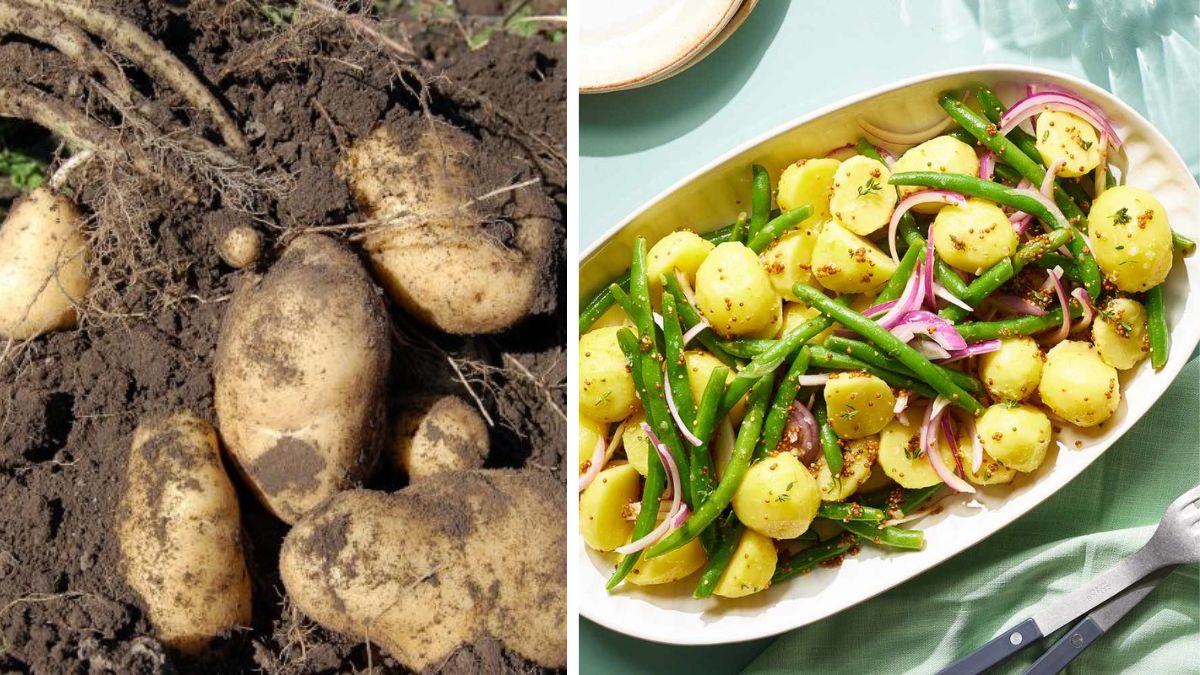
If you think growing your own vegetables is complicated, think again. Among all the crops you can grow at home, potatoes stand out as one of the easiest, most rewarding, and most versatile vegetables. They require minimal maintenance, adapt to various climates, and can turn even a small patch of soil—or a few containers—into a thriving food source.
Imagine harvesting your own fresh, golden potatoes and turning them into warm, comforting veggie meals for your family. Whether you love roasted wedges, creamy soups, or crispy patties, your homegrown potatoes can transform everyday cooking into a wholesome, sustainable experience.
In this comprehensive guide, we’ll explore how you can start easy potato gardening and enjoy everyday veggie meals right from your backyard or balcony.
Why Potatoes Are Perfect for Home Gardeners
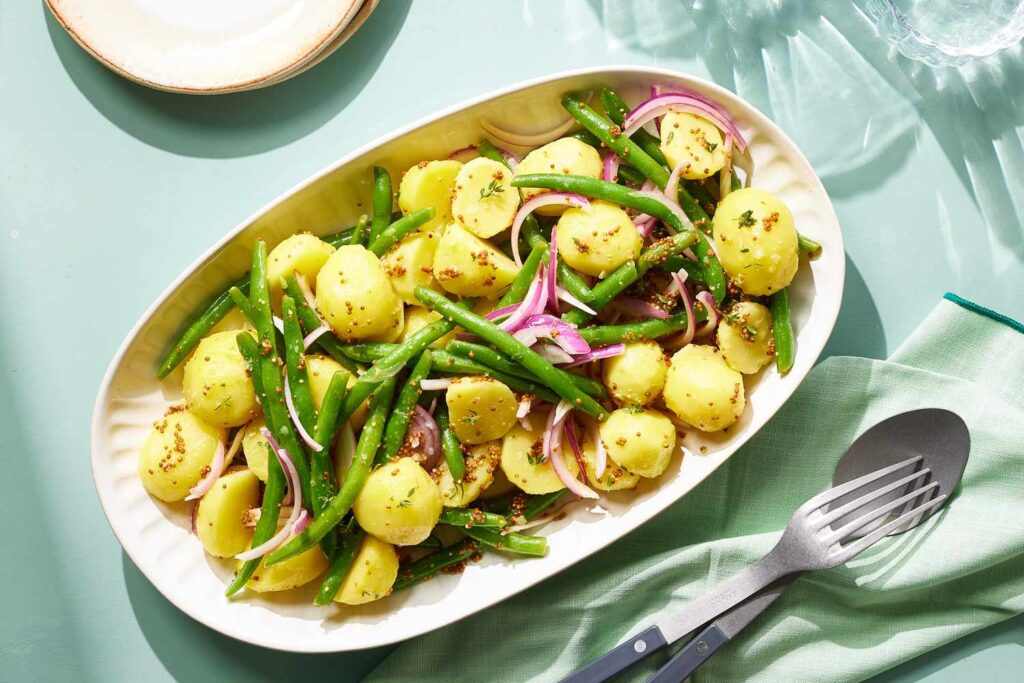
Potatoes (Solanum tuberosum) are the ultimate beginner-friendly crop. They’re resilient, forgiving, and don’t demand constant attention. Even with limited gardening experience, you can expect a generous harvest with just a bit of care and patience.
Here’s why they’re a top choice for home gardeners:
- Simple to Grow: Potatoes thrive in almost any well-drained soil and can be grown in bags, pots, or open ground.
- High Yield: Each seed potato can produce several pounds of tubers.
- Nutritionally Balanced: They’re rich in vitamin C, potassium, fiber, and complex carbohydrates—essential for healthy veggie-based diets.
- Culinary Versatility: You can boil, roast, mash, bake, or sauté them into endless meal possibilities.
Potatoes are the perfect combination of simplicity in the garden and satisfaction in the kitchen.
Step 1: Planning Your Potato Patch

Before you dig in, spend a little time planning your space. Potatoes aren’t picky, but giving them the right start will ensure an abundant harvest.

Choosing the Ideal Location
Potatoes need full sunlight, so select a spot that gets at least six to eight hours of direct sunlight daily. The soil should be loose and well-draining. Waterlogged soil can lead to rot, so raised beds or containers are ideal if your garden retains moisture.
Preparing the Soil
Potatoes love rich, organic soil. Add compost, decomposed manure, or leaf mold to enrich it naturally. Aim for a slightly acidic soil (pH 5.0–6.0) to prevent common diseases like scab.
Loosen the soil to a depth of about 25–30 cm to allow tubers room to grow. If you’re growing in containers, use a lightweight potting mix with good drainage.
Step 2: Picking and Preparing Seed Potatoes
You can’t just plant store-bought potatoes, as they are often treated with chemicals to prevent sprouting. Instead, buy certified seed potatoes from a nursery or agricultural supplier.
Chitting (Pre-Sprouting)
Place your seed potatoes in a cool, bright spot for 2–3 weeks until small green sprouts appear. This helps them establish faster after planting.
If your seed potatoes are large, cut them into chunks about the size of a golf ball—each with at least one or two “eyes.” Let the cut pieces dry for a day before planting to prevent rot.
Step 3: Planting Made Simple

Potatoes grow best in cool weather, ideally between 15°C and 20°C. In most regions, planting can start 2–3 weeks before the last frost date.

Planting in the Ground
- Dig shallow trenches about 10–15 cm deep and 60 cm apart.
- Place the seed potatoes with the sprouts facing up, about 30 cm apart.
- Cover lightly with soil (about 5–7 cm).
As plants grow, you’ll gradually add soil around their stems to protect the developing tubers—a process known as hilling.
Planting in Containers or Bags
If you have limited space, you can grow potatoes in large grow bags, buckets, or barrels.
- Fill the container one-third full with soil.
- Place the seed potatoes, sprouts up, and cover with another layer of soil.
- As the plants grow, keep adding soil until the container is nearly full.
Step 4: Caring for Your Potato Plants
Potatoes don’t need much attention, but a few simple practices can ensure a thriving harvest.
Watering
Keep the soil consistently moist, especially during flowering when tubers begin forming. Avoid overwatering, as soggy soil can cause rot. Deep watering once or twice a week is usually enough.
Hilling
When plants reach about 20 cm tall, mound soil or compost around the base of each plant. Repeat every two to three weeks until the mounds reach 30 cm high. This shields the growing potatoes from sunlight and boosts yields.
Feeding
Feed your plants with organic compost or seaweed fertilizer every few weeks. Avoid excessive nitrogen—it promotes lush leaves but fewer tubers.
Weeding and Pest Control
Keep weeds under control to ensure proper air circulation. To deter pests like aphids or Colorado potato beetles, use natural remedies:

- Spray neem oil or insecticidal soap.
- Grow companion plants such as basil, beans, or marigolds nearby.
- Rotate your potato patch each year to prevent soil-borne diseases.
Step 5: Harvesting Your Homegrown Potatoes
One of the most exciting parts of potato gardening is the harvest—it’s like digging for treasure!
When to Harvest
- New Potatoes: Harvest about 2–3 weeks after the plants bloom for tender, thin-skinned potatoes perfect for boiling or roasting.
- Mature Potatoes: Wait until the foliage turns yellow and begins to die back. This means the tubers have matured and are ready for long-term storage.
How to Harvest
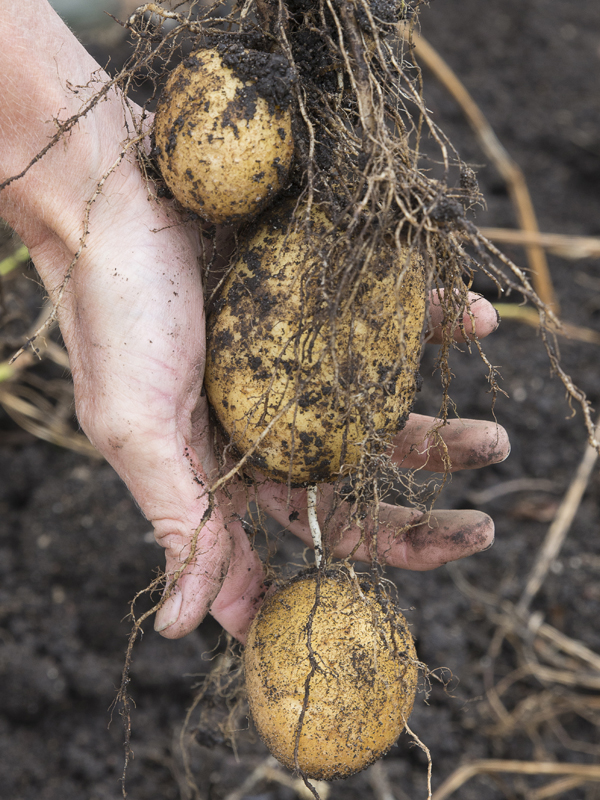
Use a garden fork or your hands to gently loosen the soil around the plants. Be careful not to pierce or bruise the tubers. Let them dry in a shaded area for a few hours after harvesting.
Step 6: Storing Your Potatoes
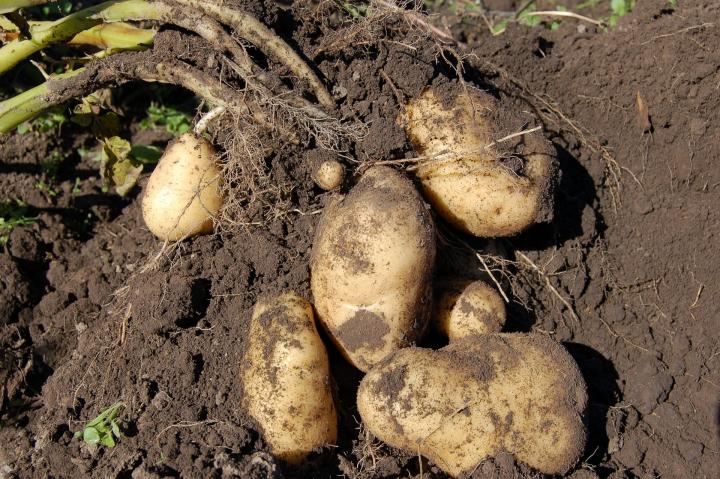
If you plan to store your potatoes, cure them first. Spread them in a dark, well-ventilated space for 1–2 weeks to toughen the skins.
After curing, move them to a cool, dark, and humid storage area (around 4–10°C). Avoid refrigeration, as it can affect flavor and texture. Properly stored potatoes can last up to six months, ensuring you always have a fresh base for your veggie meals.
Step 7: Cooking with Homegrown Potatoes
Now comes the most rewarding step—turning your backyard bounty into delicious, everyday meals. Potatoes are a cornerstone of vegetarian and plant-based cooking. They pair beautifully with other vegetables and adapt to countless cuisines.
Here are some tasty ways to make the most of your harvest:
1. Rustic Potato Soup
Simmer chopped potatoes with onions, garlic, and carrots in vegetable broth. Blend for a creamy, dairy-free comfort soup that’s rich and satisfying.

2. Roasted Potato Medley
Cut potatoes into chunks, toss with olive oil, rosemary, salt, and pepper, then roast until golden. Add bell peppers or zucchini for a colorful veggie side dish.
3. Potato-Stuffed Flatbreads
Mash boiled potatoes with herbs, chili, and cumin, then stuff into whole-wheat dough to make Indian-style aloo paratha—perfect for a hearty breakfast.
4. Garden Veggie Stir-Fry
Combine parboiled potato cubes with broccoli, beans, and bell peppers. Stir-fry with soy sauce and sesame oil for a quick, flavorful dinner.
5. Baked Potato Bowls
Bake large potatoes, scoop out the insides, and mix with corn, peas, and vegan mayo. Refill the skins and bake again for crispy, protein-rich veggie boats.
With a little creativity, your homegrown potatoes can become the foundation for endless wholesome meals.
Step 8: Sustainability and Self-Reliance
Growing potatoes isn’t just about food—it’s a meaningful step toward a sustainable, plant-based lifestyle.
- Reduce Food Waste: Grow only what you need and compost the peels and scraps to nourish your garden.
- Cut Carbon Footprint: Home gardening eliminates packaging, transport emissions, and pesticide use.
- Boost Food Security: A small potato patch can produce enough to sustain your family for months.
Each potato you harvest contributes to a cycle of self-reliance, health, and sustainability.

Step 9: Tips for Success
To ensure consistent results year after year:
- Rotate Crops: Avoid planting potatoes in the same soil for consecutive years to prevent disease buildup.
- Use Healthy Seed Stock: Always start with certified, disease-free seed potatoes.
- Monitor Soil Moisture: Mulch with straw to retain moisture and regulate soil temperature.
- Enjoy Experimenting: Try colored varieties like Purple Majesty or Red Pontiac for vibrant, antioxidant-rich meals.
Conclusion: From Garden to Table, Made Simple
With just a few steps and minimal effort, you can transform even a small space into a potato garden bursting with flavor and nutrition. Potatoes reward you generously—offering nourishment for your body and joy for your soul.
By learning to grow, harvest, and cook your own potatoes, you not only gain access to fresh, organic produce but also reconnect with nature and sustainable living. Every meal you prepare with your homegrown harvest tells a story of care, patience, and the simple pleasure of self-grown food.
So grab a spade, plant a few seed potatoes, and get ready to enjoy the comfort of everyday veggie meals straight from your backyard. With easy potato gardening, your kitchen will always have the warmth of homegrown goodness.