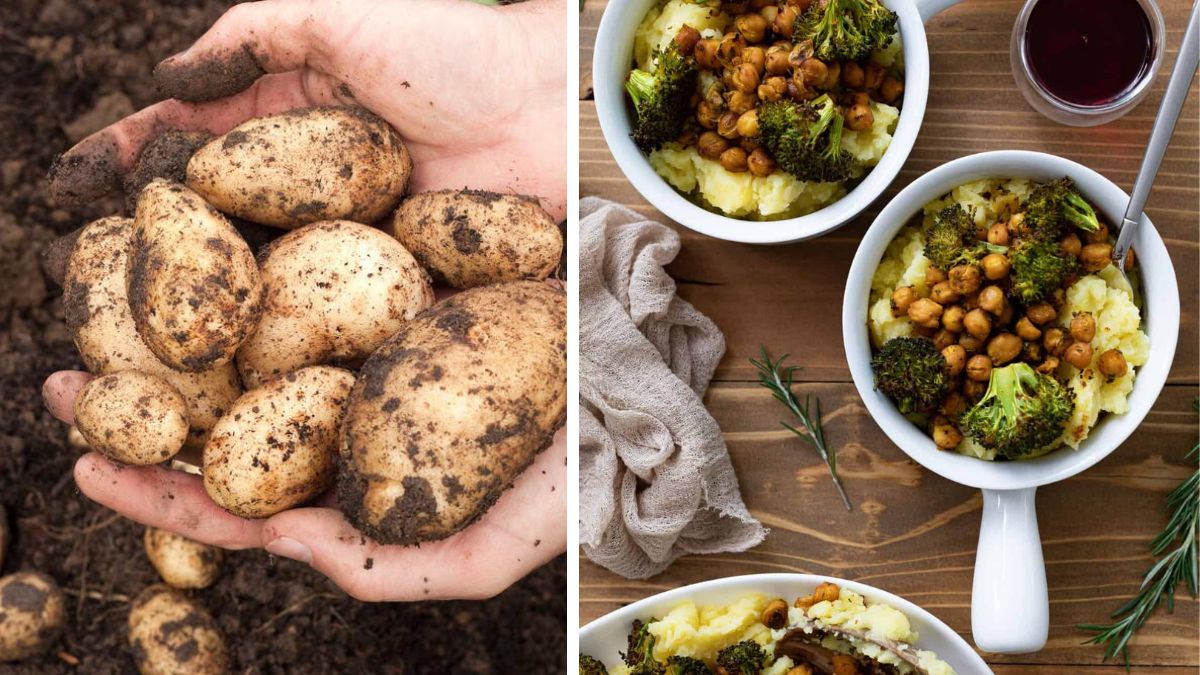
In today’s world of convenience foods and store-bought produce, there’s something deeply fulfilling about growing your own vegetables. Among all homegrown crops, potatoes stand out as one of the most versatile, nutritious, and rewarding to cultivate. Whether you’re a seasoned gardener or a beginner with a few spare feet of soil, learning how to grow potatoes can connect you to the true essence of farm-fresh living.
Potatoes form the foundation of countless vegetarian meals—mashed, roasted, baked, curried, or fried. By growing them yourself, you gain control over freshness, flavor, and sustainability. This guide will walk you through every stage of the process — from soil preparation to harvest — so you can enjoy farm-fresh vegetarian dishes made with your very own homegrown potatoes.
Why Potatoes Are Perfect for Home Gardeners

Potatoes are nature’s gift to both the gardener and the cook. They’re relatively easy to grow, adaptable to different climates, and highly productive even in small spaces. A single potato plant can yield several kilograms of tubers, making it a staple for anyone seeking self-sufficiency in vegetarian cooking.
Nutritionally, potatoes are a powerhouse of vitamin C, potassium, fiber, and antioxidants. When cooked with their skins, they offer even more nutrients and texture, making them ideal for healthy vegetarian recipes. Plus, they pair beautifully with other vegetables, herbs, and dairy products, making them the ultimate farm-fresh ingredient for your kitchen.
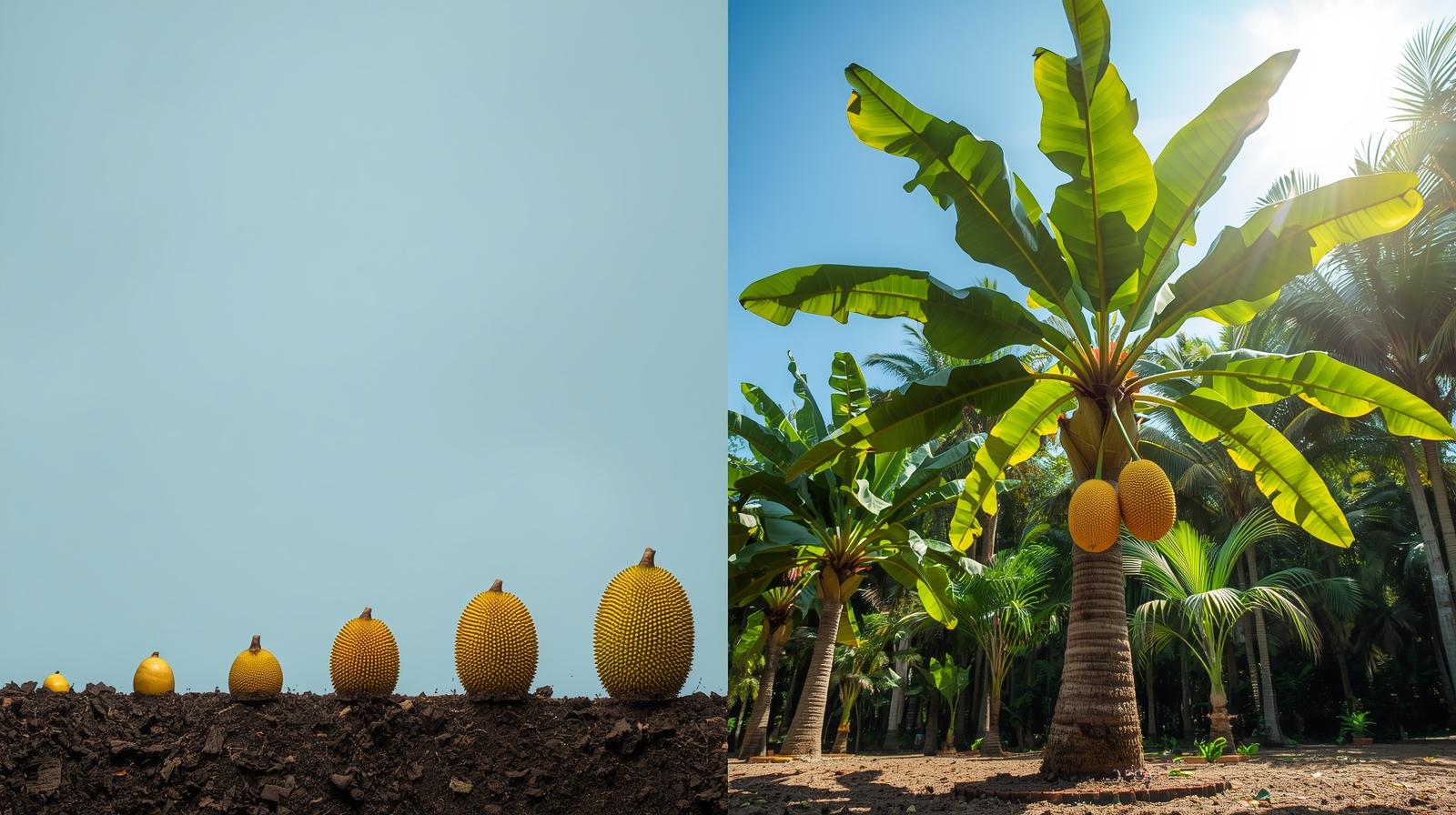
Step 1: Choosing the Right Variety
Selecting the right potato variety is the first step toward success. Different types are suited for different climates and culinary uses. Here are a few popular choices:
- Early Varieties: Mature quickly in 60–90 days; perfect for smaller gardens or quick harvests. Examples include Red Norland and Yukon Gold.
- Mid-Season Varieties: Ready in 90–110 days and provide balanced yields. Varieties like Kennebec or Gold Rush are dependable favorites.
- Late Varieties: Take 110–135 days to mature but produce large tubers and store well. Try Russet Burbank or German Butterball.
When purchasing, always choose certified seed potatoes from a trusted supplier. These are disease-free and specifically grown for planting, unlike supermarket potatoes, which may carry pathogens or be treated with sprouting inhibitors.
Step 2: Preparing the Soil
Healthy soil equals a healthy harvest. Potatoes thrive in loose, well-drained soil rich in organic matter. Avoid compacted or clay-heavy soil, which restricts tuber growth.
- Select the Site: Choose a sunny location that receives at least six hours of sunlight daily.
- Improve the Soil: Work compost or aged manure into the top 8–10 inches of soil. A pH between 5.5 and 6.5 is ideal.
- Form the Beds: Raised beds or mounded rows improve drainage and aeration, leading to stronger root systems.
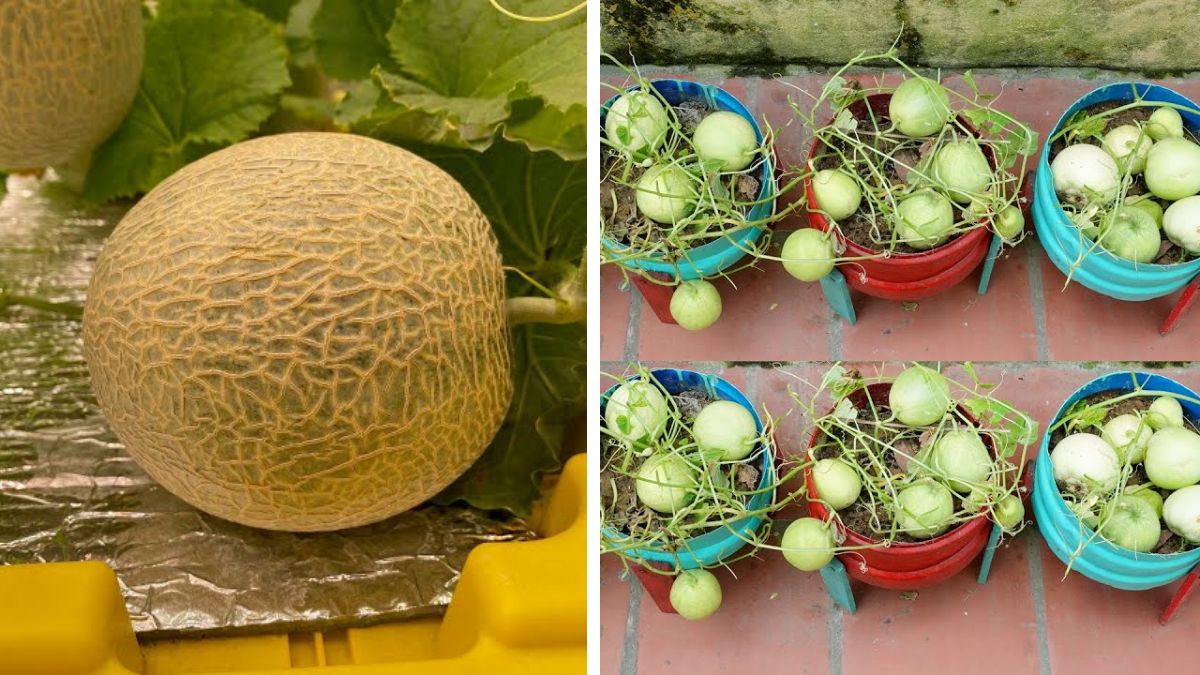
If you don’t have a traditional garden, potatoes can also be grown in grow bags, barrels, or large containers, making them suitable for urban balconies or patios.
Step 3: Cutting and Curing Seed Potatoes
If your seed potatoes are large, cut them into pieces about the size of a golf ball, ensuring each piece has at least one or two “eyes” — the small dimples that sprout into plants.
- After cutting, let them cure for two to three days in a cool, dry place. This forms a protective layer over the cuts, reducing the risk of rot when planted.
Step 4: Planting the Potatoes

- Dig Trenches or Holes: Make trenches about 4 inches deep and 2–3 feet apart.
- Spacing: Place each seed potato piece 12 inches apart, eyes facing upward.
- Cover Lightly: Cover with 3–4 inches of soil and water gently. As the plants grow, you’ll continue adding soil in stages—a process known as “hilling.”
Hilling is vital for potato development. Every time your plants grow 6–8 inches tall, mound soil around the stems to keep the developing tubers covered. This prevents them from turning green and toxic due to sunlight exposure.
Step 5: Watering, Feeding, and Care
- Watering: Potatoes require consistent moisture, especially during tuber formation. Water deeply once or twice a week, depending on rainfall. Avoid overwatering, as soggy soil can lead to rot.
- Fertilizing: Use organic fertilizers like compost tea, seaweed extract, or fish emulsion every few weeks. Avoid nitrogen-heavy fertilizers, which promote leafy growth at the expense of tubers.
- Mulching: A layer of straw or leaf mulch conserves moisture, regulates temperature, and suppresses weeds naturally.
Step 6: Pest and Disease Management
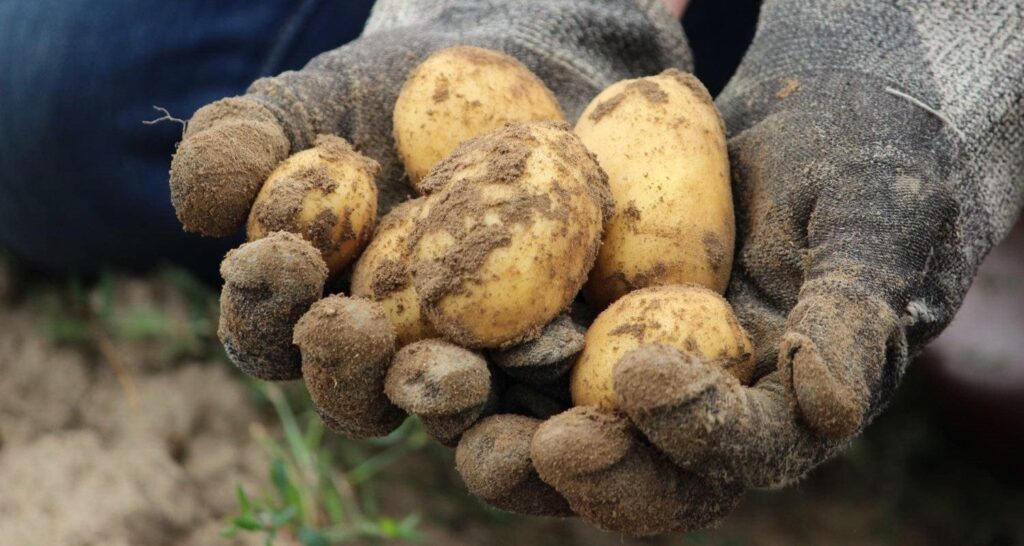
Potatoes are generally hardy, but a few common issues can arise:
- Pests: Watch out for aphids, wireworms, and the Colorado potato beetle. Natural remedies include neem oil sprays and companion planting with marigolds or basil to deter insects.
- Diseases: Blight and scab are the most common potato diseases. Avoid overhead watering, ensure good air circulation, and practice crop rotation—don’t plant potatoes in the same spot more than once every three years.
Step 7: Harvesting Your Potatoes
When the potato plants begin to flower, you can gently dig around the base to harvest “new potatoes” — small, tender, and perfect for boiling or roasting.
For mature tubers, wait until the foliage turns yellow and dies back. Carefully lift the plants with a garden fork to avoid damaging the potatoes.
Curing: After harvesting, lay the potatoes in a cool, dark, well-ventilated area for 1–2 weeks. This toughens the skins, improving storage life.
Storage: Keep them in a dry, dark place at about 7–10°C. Avoid storing near onions, as both release gases that accelerate spoilage.
Properly stored potatoes can last for several months — a treasure trove of homegrown goodness ready for your vegetarian kitchen.
From Harvest to Table: Cooking Farm-Fresh Vegetarian Meals
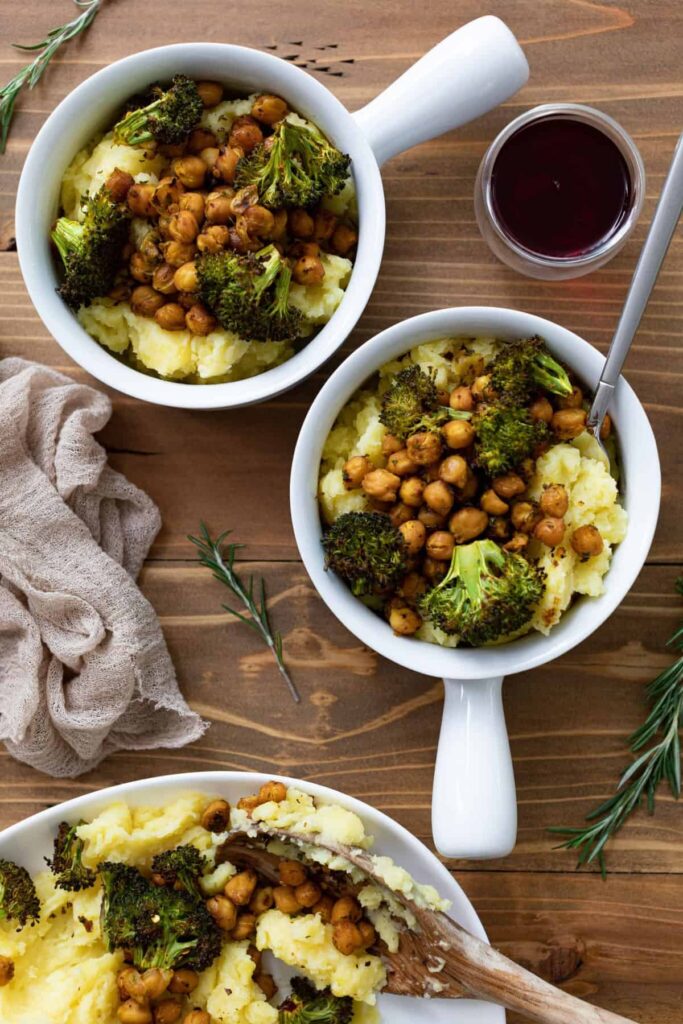
Homegrown potatoes are the ultimate canvas for vegetarian cooking. Their mild flavor and creamy texture pair perfectly with herbs, vegetables, and spices. Here are some delicious farm-fresh ideas:
- Rustic Potato and Leek Soup: A creamy, comforting soup using onions, leeks, and herbs from your garden.
- Herb-Roasted Potato Medley: Toss cubed potatoes with olive oil, rosemary, and thyme, then roast for a golden, crispy side dish.
- Vegetarian Shepherd’s Pie: Layer mashed potatoes over a filling of lentils, peas, and carrots for a hearty main course.
- Curry-Style Potato and Chickpea Stew: A protein-rich vegan dish with garlic, cumin, and fresh spinach.
- Garlic Mashed Potatoes with Grilled Vegetables: The perfect pairing for a light yet satisfying dinner.
By growing and cooking your own potatoes, you experience the full farm-to-fork cycle, appreciating each bite as the result of your own labor and care.
Health and Environmental Benefits
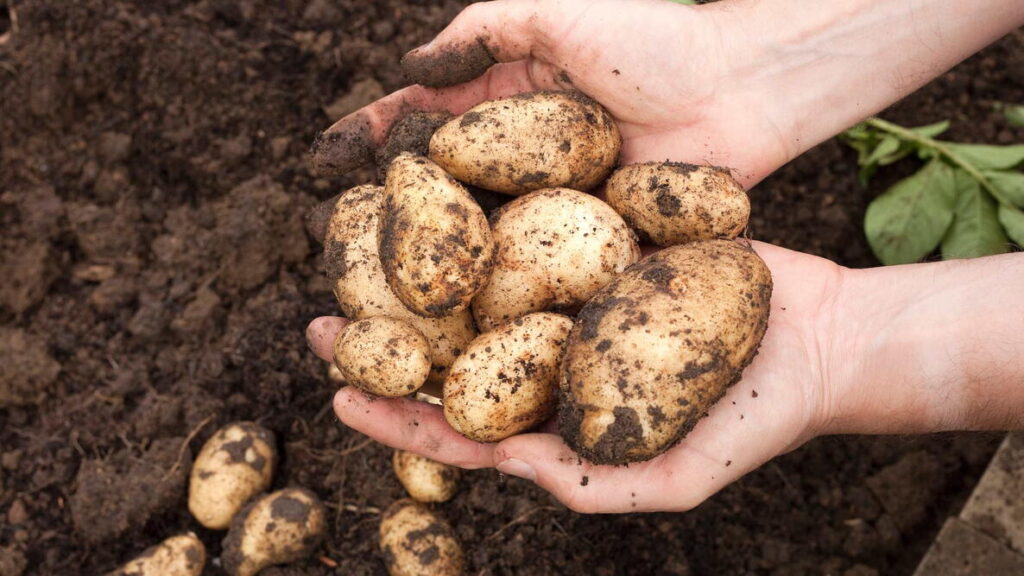
Growing your own potatoes isn’t just a culinary experience—it’s a lifestyle shift toward sustainability and wellness.
- Healthier Choices: Freshly harvested potatoes retain more vitamins and minerals than store-bought ones. You can avoid chemical residues often found in commercial crops.
- Eco-Friendly Living: Backyard potato growing reduces food miles, packaging waste, and carbon emissions.
- Waste Reduction: You harvest only what you need, minimizing spoilage. Even potato peels can be composted or used to enrich garden soil.
Moreover, gardening promotes mindfulness and physical activity, offering a natural way to reduce stress while reconnecting with nature.
Conclusion: A Simple Crop with Extraordinary Rewards
Learning how to grow potatoes at home is more than just a gardening project—it’s a step toward self-sufficiency, health, and creativity in vegetarian cooking. With minimal space and effort, you can enjoy an abundant harvest of one of the most adaptable vegetables in the world.
From the first sprout breaking through the soil to the moment your fork breaks into a steaming baked potato, every stage of this journey embodies the essence of farm-fresh living. You’ll not only eat better but also understand the deeper connection between your food, your health, and the earth beneath your feet.
So, grab your gardening gloves, dig into the soil, and start your journey today. With a little patience and care, your backyard can become the heart of your vegetarian kitchen—filled with homegrown potatoes and endless culinary possibilities.