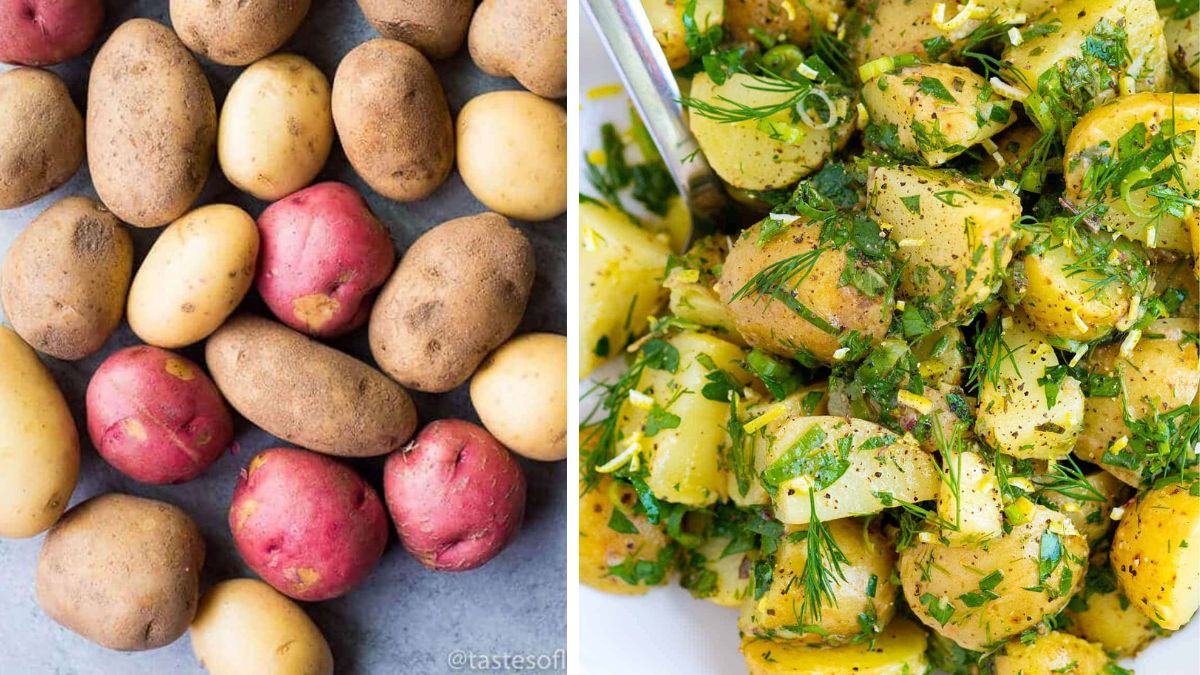
The “Meatless Monday” movement has become a global call to eat more plants, reduce our environmental impact, and enjoy healthier, lighter meals once a week—or even more often. But for many, the challenge lies in finding ingredients that are both filling and satisfying without meat. Enter the humble potato—nature’s gift of comfort, nutrition, and versatility.
Potatoes are more than a side dish; they’re the foundation of countless vegetarian meals. When grown fresh in your garden, they become even more rewarding—bursting with flavor, freshness, and the satisfaction of self-sufficiency. Whether mashed, roasted, baked, or simmered in hearty stews, garden-fresh potatoes can turn your Meatless Monday into a wholesome, flavor-packed experience.
This article will explore everything you need to know—from planting and growing your own potatoes to cooking them into delicious meat-free meals that bring comfort and nourishment to your table every week.
Why Potatoes Are Perfect for Meatless Mondays
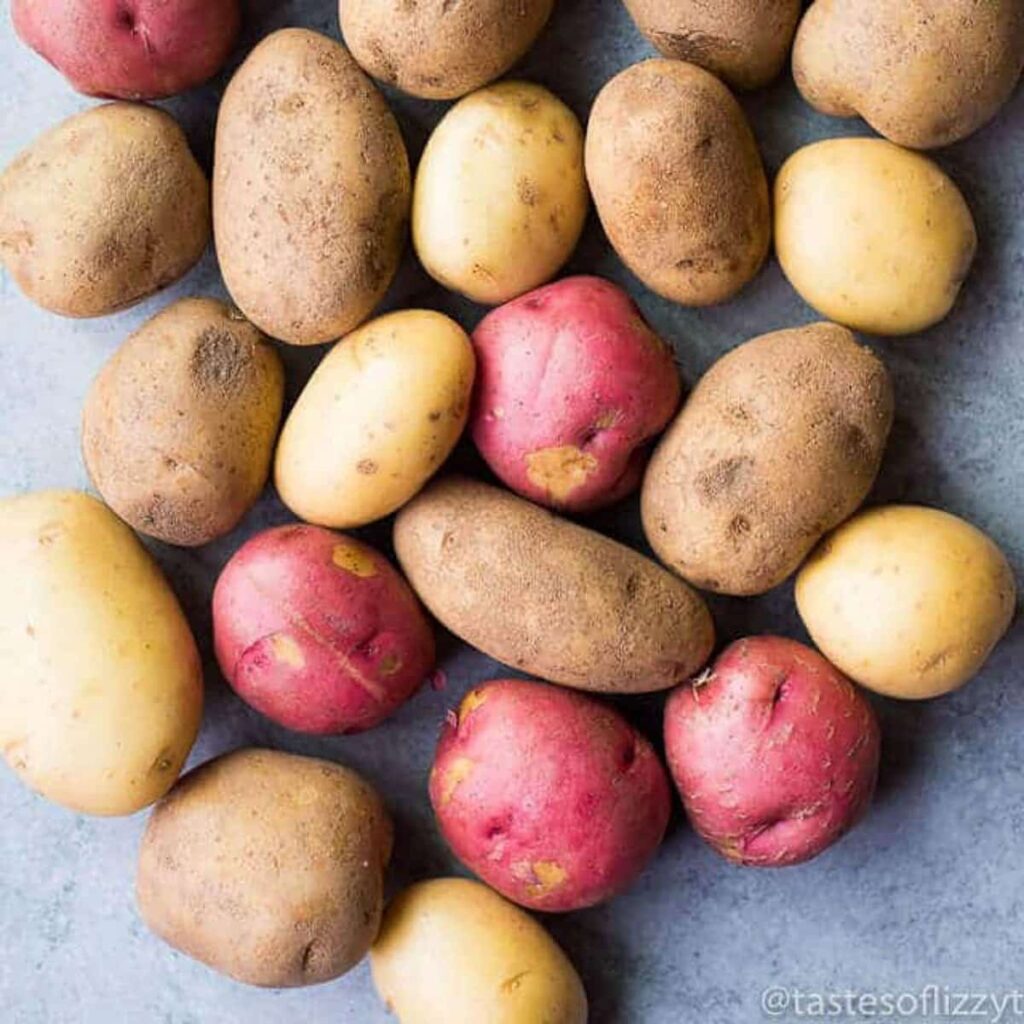
Potatoes often get underestimated, but they’re one of the most nutritious and adaptable foods available. They’re rich in vitamin C, potassium, and dietary fiber, making them a perfect base for vegetarian dishes that are both hearty and healthy.
Here’s why they’re ideal for Meatless Monday meals:
- Satisfying and filling: Their natural starches provide slow-releasing energy.
- Versatile in recipes: Potatoes blend seamlessly into soups, curries, salads, and baked dishes.
- Budget-friendly: A small backyard potato patch can yield kilos of food at minimal cost.
- Sustainable: Growing your own potatoes reduces food miles, packaging waste, and dependency on industrial agriculture.
In short, potatoes are an eco-conscious, nutrient-dense, and endlessly creative ingredient for plant-based living.
Step 1: Planning Your Potato Garden
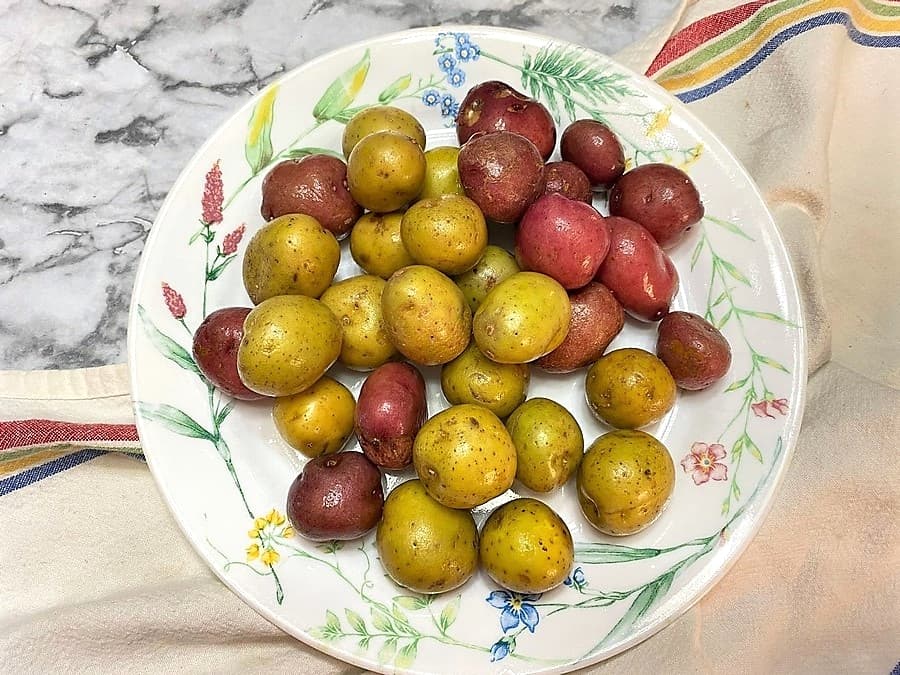
Before you can enjoy fresh potatoes in your kitchen, you’ll need to grow them right in your backyard, balcony, or even a few large containers.
Choose the Right Variety
Select a potato variety that matches the meals you love to cook:
- Waxy varieties (like Red Pontiac, Yukon Gold, Fingerling) hold their shape when boiled or roasted—perfect for salads or soups.
- Starchy varieties (like Russet or King Edward) are fluffy and ideal for baking, frying, or mashing.
- All-purpose varieties (like Desiree or Kennebec) balance both textures and suit almost any recipe.
Find the Perfect Spot
Potatoes thrive in full sun—at least 6 hours of light daily—and prefer well-drained, loose soil. Avoid clay-heavy or compacted areas that prevent tuber expansion. If space is limited, grow bags, barrels, or raised beds make great alternatives.
Prepare the Soil
Loosen the soil to about 8–10 inches deep. Mix in plenty of compost or aged manure to create a nutrient-rich growing bed. Maintain a slightly acidic pH (5.5–6.5) for optimal results.
Healthy soil means healthy potatoes—so skip chemical fertilizers and feed the earth naturally.
Step 2: Planting the Potatoes
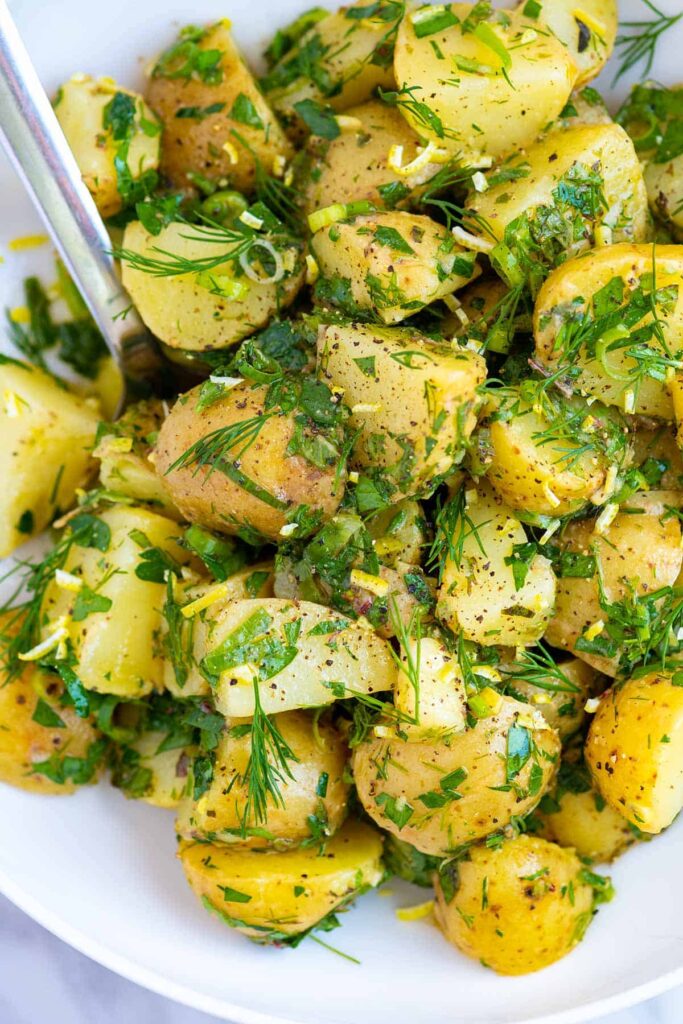
Use Certified Seed Potatoes
Start with certified seed potatoes, not supermarket ones, as they are disease-free and specifically grown for replanting.
Cutting and Curing
If the seed potatoes are large, cut them into pieces about the size of a golf ball, ensuring each has at least one or two “eyes.” Let them dry for a day or two so the cut surfaces toughen, reducing the risk of rot.
Planting Method
- Dig trenches 4–6 inches deep and about 2 feet apart.
- Place seed potatoes 12 inches apart, eyes facing upward.
- Cover them with 3–4 inches of soil.
As the plants grow, you’ll add more soil around the base—a process called hilling—to encourage additional tuber growth and prevent greening.
Step 3: Caring for Your Potato Plants
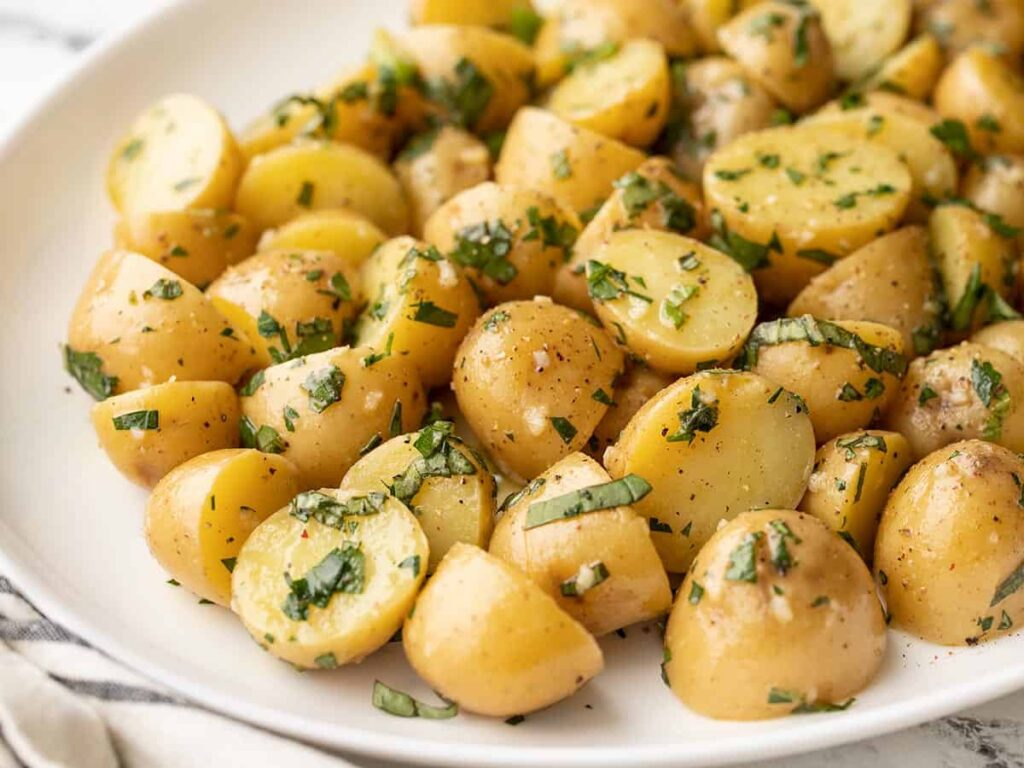
Once your potatoes are planted, consistent care ensures a healthy harvest.
Watering
Potatoes need regular watering, especially during tuber formation (about 4–6 weeks after planting). Keep the soil moist but not waterlogged. Deep watering once or twice a week works best.
Hilling
When the potato plants are about 6–8 inches tall, gently mound soil around their stems, leaving a few leaves exposed. Repeat every few weeks as they grow. This keeps tubers covered, prevents sunlight exposure, and improves yield.
Mulching
A layer of straw, dried leaves, or composted mulch helps retain moisture, reduce weeds, and maintain a steady soil temperature.
Feeding and Pest Control
Feed your plants every few weeks with compost tea or an organic fertilizer low in nitrogen. Watch for aphids or potato beetles—handpick pests or use natural repellents like neem oil or companion plants (e.g., marigolds).
Step 4: Harvesting Garden-Fresh Potatoes
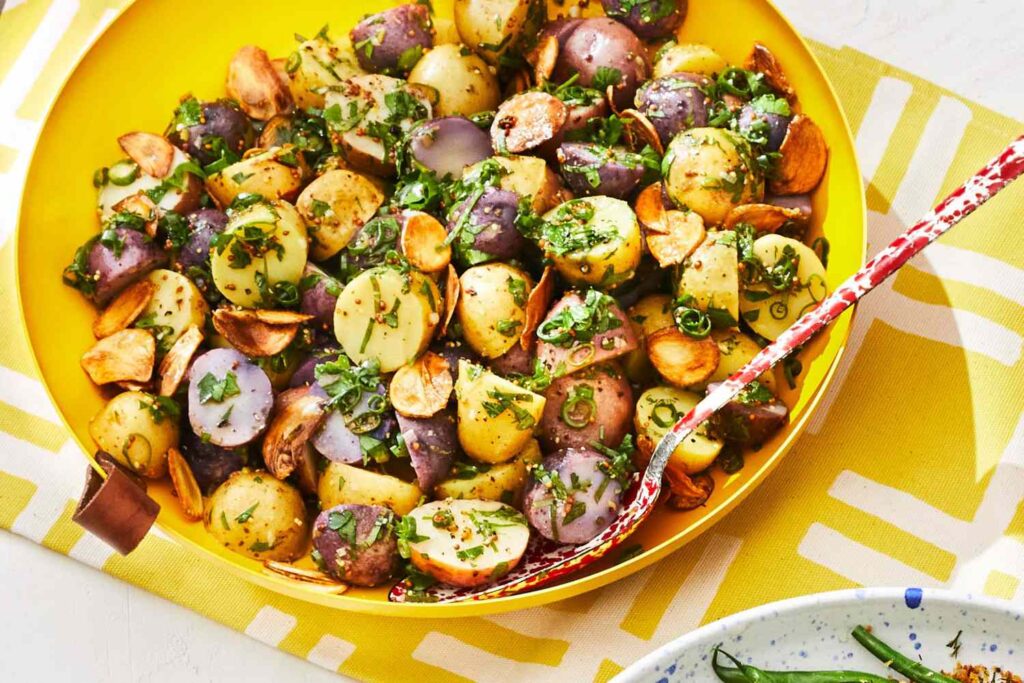
Few things are as satisfying as digging up your first crop of potatoes.
For New Potatoes
About 8–10 weeks after planting, when the plants start to flower, you can gently dig around the base to find small, tender “new potatoes.” These are delicious boiled or roasted with herbs.
For Mature Potatoes
Wait until the foliage has completely yellowed and wilted—usually around 14–16 weeks. Use a garden fork to gently lift the soil and uncover your harvest. Handle the tubers carefully to avoid bruising.
Curing and Storage
Lay the harvested potatoes in a cool, dark, and airy space for 10–14 days to toughen their skins. Then, store them in a cool pantry or cellar at 7–10°C. Avoid storing near onions, which can speed up spoilage.
With proper storage, your garden potatoes can last several months—enough for many Meatless Mondays ahead!
Step 5: Cooking Ideas for Meatless Monday Meals
Now that you’ve harvested your potatoes, it’s time to transform them into delicious, plant-based comfort foods. Here are some wholesome, easy recipes that highlight your homegrown bounty:
1. Golden Potato and Chickpea Curry
Sauté onions, garlic, and ginger, then add diced garden-fresh potatoes and chickpeas in a tomato-coconut base. Season with turmeric, cumin, and coriander. Serve with brown rice or naan.
2. Loaded Veggie Potato Bowls
Roast cubed potatoes with olive oil, smoked paprika, and herbs. Layer them with sautéed spinach, bell peppers, and avocado. Drizzle with tahini or yogurt dressing for a hearty plant-based bowl.
3. Creamy Potato and Leek Soup
Simmer chopped potatoes and leeks in vegetable broth until soft, then blend into a smooth, velvety soup. Add a splash of coconut milk for richness and serve with whole-grain bread.
4. Baked Stuffed Potatoes
Bake your potatoes until tender, scoop out the centers, and mix with cooked broccoli, cheese (or vegan cheese), and herbs. Refill the skins and bake again until golden.
5. Herbed Potato Patties
Mash boiled potatoes with peas, grated carrots, and breadcrumbs. Form into patties and pan-fry until crisp. These make excellent veggie burgers or snack bites.
Each of these recipes celebrates the potato’s adaptability, offering a comforting, satisfying meal without any meat in sight.
Nutritional Benefits of Potatoes in a Meatless Diet
Contrary to popular myths, potatoes are nutrient-dense, not just “starchy fillers.” When prepared healthily, they’re an essential part of a balanced vegetarian diet.
- Vitamin C: Boosts immunity and skin health.
- Potassium: Regulates blood pressure and muscle function.
- Fiber: Supports digestion and fullness.
- Complex Carbohydrates: Provide sustained energy for active lifestyles.
- Antioxidants: Protect cells from free radical damage.
When cooked with the skin on, potatoes also deliver additional fiber and minerals. Pairing them with vegetables, legumes, or greens creates a complete, wholesome meal that satisfies both your taste buds and your body’s nutritional needs.
Sustainability and the Joy of Growing Food
Growing your own potatoes for Meatless Mondays is more than a culinary choice—it’s a statement of sustainability. By cultivating even a small patch at home, you’re contributing to:
- Reduced carbon footprint (less transport and packaging).
- Healthier soil ecosystems through composting and organic practices.
- Less food waste, as you harvest only what you need.
- Greater food security, knowing you can produce your own staples.
Plus, gardening is therapeutic—it reduces stress, connects you with nature, and gives you a sense of accomplishment. Every time you harvest a handful of potatoes, you’re reminded that real food doesn’t come from a factory—it grows from the earth beneath your feet.
Tips for a Continuous Supply
If you want garden-fresh potatoes year-round:
- Stagger your planting: Sow new seed potatoes every few weeks.
- Use containers: Ideal for small spaces; you can easily rotate crops.
- Rotate planting areas: Avoid growing potatoes in the same spot each year to prevent disease buildup.
- Save small tubers: Store them in a cool place to plant for your next season.
With these techniques, your garden can yield potatoes for every season—and every Meatless Monday!
Conclusion: Comfort, Sustainability, and Homegrown Flavor
Your garden-fresh potatoes aren’t just food—they’re a reflection of care, sustainability, and creativity. Each tuber you plant connects you to the soil, and every meal you cook brings that connection to your plate.
By dedicating your Meatless Mondays to homegrown potato dishes, you embrace a lifestyle that’s healthier for you and kinder to the planet. You’ll discover that comfort food doesn’t require meat—it only requires love, patience, and a garden full of possibilities.
So dig in—literally and figuratively. Plant those seed potatoes, nurture them, and when harvest time comes, turn your backyard bounty into flavorful, wholesome vegetarian meals. With a little effort and a lot of heart, your Meatless Mondays will never be the same again.