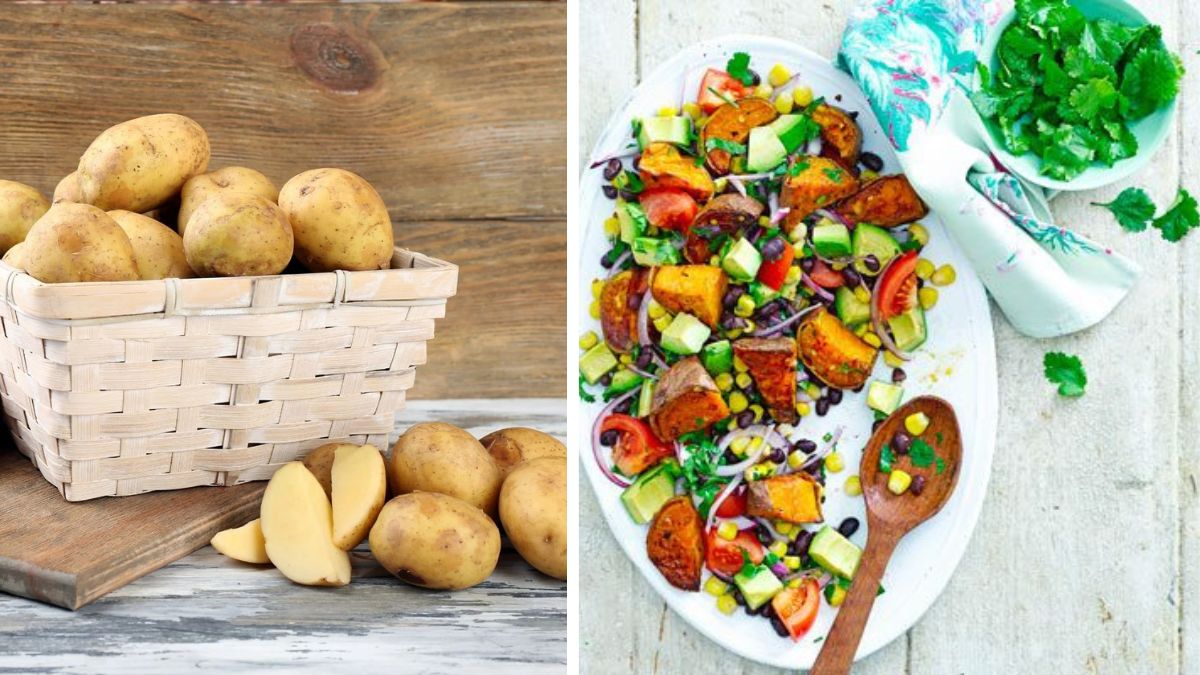
Growing your own food is one of the simplest yet most rewarding ways to live a healthier and more sustainable life. Among all the vegetables that can thrive in a home garden, the humble potato (Solanum tuberosum) stands out as both versatile and nourishing. Potatoes are a staple in cuisines around the world and form the foundation of countless vegetarian dishes—from hearty stews and comforting soups to crispy bakes and flavorful curries.
This article, “How to Cultivate Potatoes for Healthy Vegetarian Cooking,” serves as a complete guide for home gardeners and food enthusiasts who want to grow fresh, chemical-free potatoes while embracing a wholesome, plant-based lifestyle. Let’s explore everything you need to know—from preparing your garden soil to cooking your harvest into healthy vegetarian meals.
1. The Role of Potatoes in a Healthy Vegetarian Diet
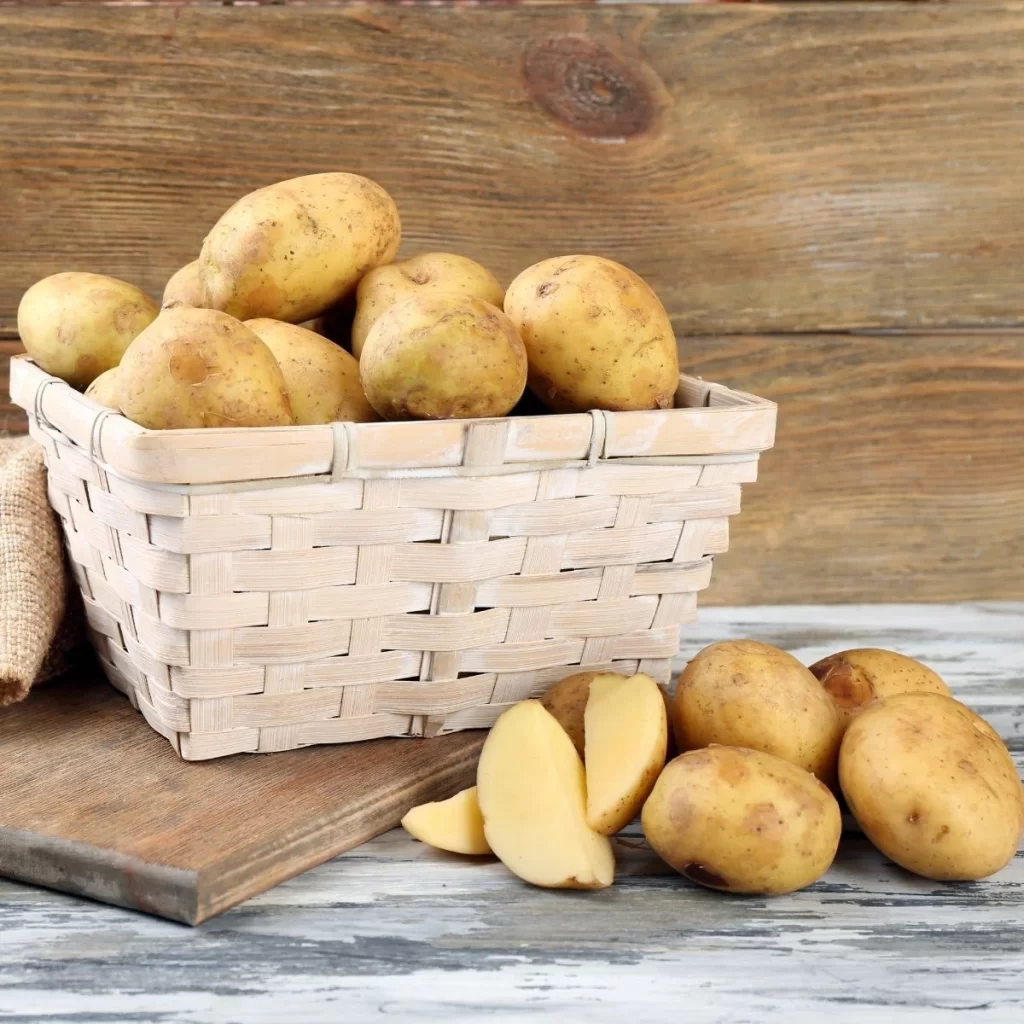
Potatoes are often misunderstood as a starchy indulgence, but in truth, they’re a nutrient-rich powerhouse when prepared the right way. For vegetarians, they provide a steady source of energy, fiber, and essential vitamins.
Nutritional Highlights of Potatoes:
- Complex Carbohydrates: Supply slow-release energy that keeps you full longer.
- Vitamin C: Strengthens the immune system and aids collagen production.
- Potassium: Helps regulate blood pressure and heart function.
- Fiber: Supports healthy digestion and gut health.
- Iron and B Vitamins: Essential for metabolism and red blood cell production.
When grown organically and cooked with minimal oil or dairy, potatoes can form the base of heart-healthy, nutrient-dense vegetarian meals.
2. Choosing the Right Potato Varieties for Home Cultivation
Different potato varieties serve different culinary and gardening needs. Choosing the right one depends on your local climate, available space, and cooking preferences.
a. Early Varieties (Harvest in 10–12 Weeks):
- Red Norland – Thin-skinned, great for boiling and salads.
- Rocket – Fast-growing, perfect for small containers.
b. Maincrop Varieties (Harvest in 14–16 Weeks):
- Russet Burbank – Ideal for baking, mashing, or fries.
- Yukon Gold – Buttery flavor, perfect for roasting or soups.
- Kennebec – Reliable, all-purpose potato with creamy texture.
For small gardens or balconies, container-friendly varieties like Charlotte or Fingerling are best. Always buy certified seed potatoes instead of using supermarket ones, as they are disease-free and sprout reliably.
3. Preparing the Soil: The Foundation for Healthy Growth
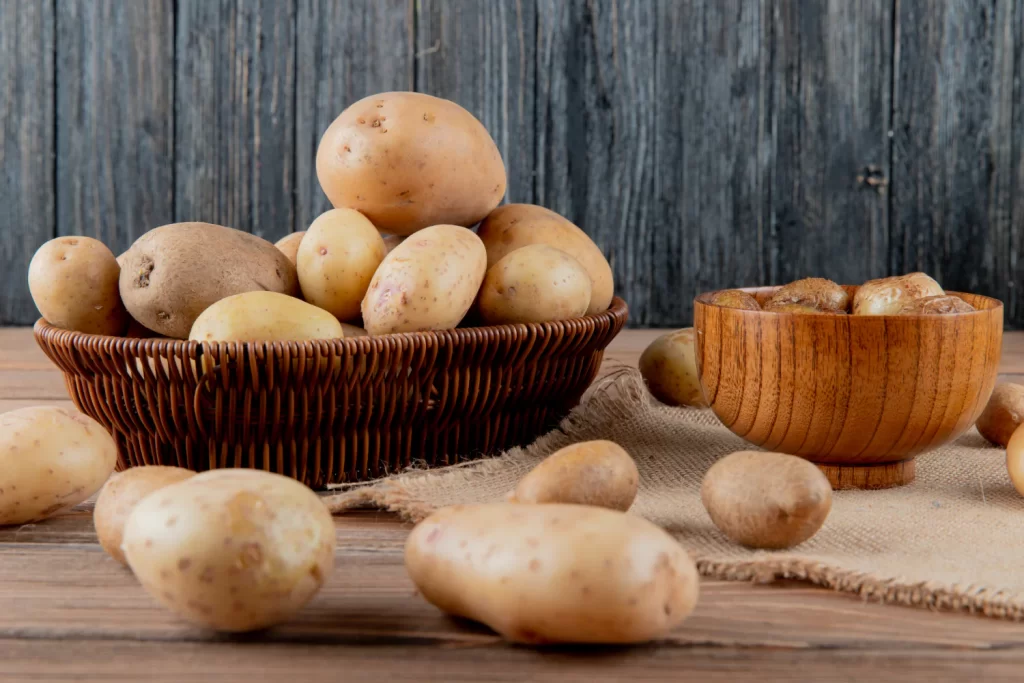
Potatoes thrive in well-drained, loose, and nutrient-rich soil that allows tubers to expand without restriction. Proper soil preparation ensures not only a larger yield but also healthier, more flavorful potatoes.
Ideal Conditions:
- Sunlight: 6–8 hours of direct sunlight daily.
- Soil pH: Slightly acidic (5.0 to 6.5).
- Temperature: Between 15°C and 25°C for optimal growth.
Steps to Prepare Your Soil:
- Loosen the soil using a garden fork to a depth of 20–25 cm.
- Incorporate organic compost or aged manure to enrich nutrients.
- Ensure proper drainage—potatoes dislike waterlogged soil.
- Avoid compacted soil, which can cause misshapen tubers.
If you lack garden space, potatoes can be grown easily in grow bags, barrels, or large buckets with drainage holes.
4. Planting Potatoes: Step-by-Step

Step 1: Preparing Seed Potatoes
Cut large seed potatoes into chunks, each with at least one or two “eyes” (small buds). Let the pieces dry for a day or two to form a protective layer that prevents rot when planted.
Step 2: Planting Depth and Spacing
- Plant each seed piece about 10–12 cm deep with the eyes facing up.
- Space plants 30 cm apart in rows 60 cm apart.
- For containers, plant 3–4 pieces per large pot, covering with 10 cm of soil.
Step 3: Watering and Care
- Water deeply once or twice weekly, depending on rainfall.
- Keep the soil moist but not soggy. Overwatering can cause rot.
- Use mulch or straw to maintain moisture and suppress weeds.
Step 4: Hilling
As plants grow 15–20 cm tall, pile extra soil or compost around the stems. This “hilling” process protects growing tubers from sunlight (which turns them green and toxic) and increases yield by encouraging more tuber formation.
Step 5: Fertilization
Feed your plants with organic fertilizer or compost tea every 2–3 weeks. Avoid nitrogen-heavy fertilizers; they promote leafy growth at the expense of tubers.
5. Pest and Disease Control the Organic Way
Even well-tended potato plants can attract pests or diseases, but eco-friendly prevention methods work wonders.
Common Issues & Solutions:
| Problem | Symptoms | Organic Solution |
|---|---|---|
| Colorado Potato Beetles | Holes in leaves | Handpick beetles; use neem oil spray |
| Aphids | Sticky leaves, stunted growth | Spray with diluted soap water |
| Blight | Blackened leaves, rotting tubers | Use resistant varieties; rotate crops yearly |
| Wireworms | Holes in tubers | Add beneficial nematodes to soil |
Crop rotation is key—avoid planting potatoes or other nightshade plants (like tomatoes or peppers) in the same spot for at least two years. This helps prevent soil-borne diseases from recurring.
6. Harvesting: When and How to Reap the Rewards
Potatoes are typically ready for harvest between 10 to 16 weeks after planting, depending on the variety.
a. For New Potatoes:
Harvest early, when plants begin to flower. These are small, tender, and perfect for salads or light dishes.
b. For Mature Potatoes:
Wait until the foliage turns yellow and withers. Carefully dig up the tubers using your hands or a garden fork. Handle gently to avoid bruising.
Post-Harvest Care:
- Lay potatoes in a shaded, dry area for 1–2 days to “cure.”
- Store them in a cool, dark place (10–12°C) with good ventilation.
- Avoid exposure to sunlight, which turns them green.
Properly cured potatoes can last for 3–4 months, ensuring you have fresh ingredients ready for your vegetarian cooking year-round.
7. Turning Your Harvest into Healthy Vegetarian Meals
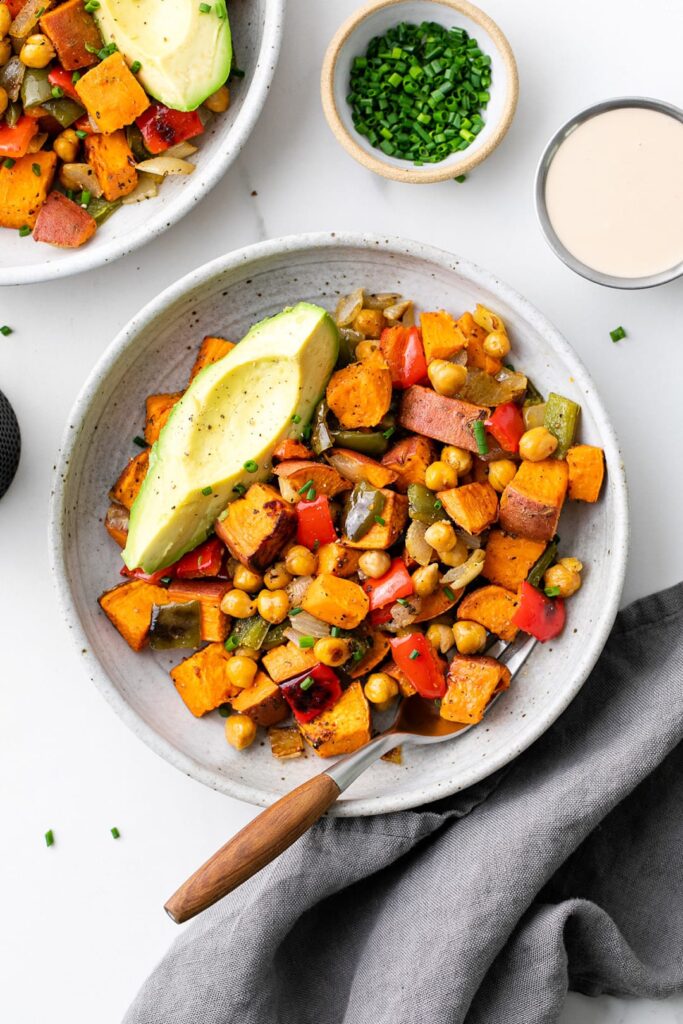
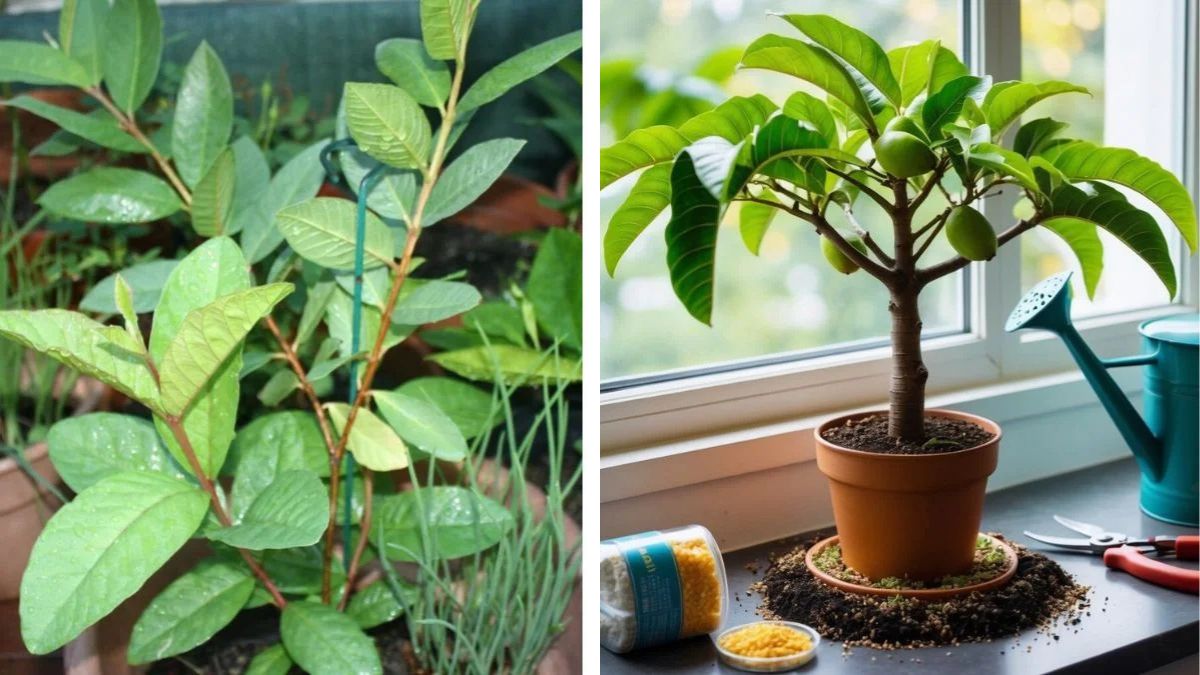
Once you’ve harvested your golden tubers, the real joy begins—transforming them into delicious and nutritious vegetarian dishes. Potatoes pair wonderfully with vegetables, legumes, herbs, and spices, making them the ultimate comfort ingredient for plant-based cooking.
Healthy Cooking Ideas:
- Roasted Potato & Veggie Bowl:
Toss diced potatoes, carrots, and bell peppers with olive oil, garlic, and rosemary. Roast until golden for a satisfying, oil-light meal. - Potato Spinach Curry (Aloo Palak):
Cook potatoes with spinach, tomatoes, and mild spices. Serve with whole-grain roti for a balanced, iron-rich vegetarian dish. - Vegan Potato Soup:
Blend boiled potatoes with leeks, garlic, and plant-based milk. Top with herbs for a creamy yet light comfort food. - Herbed Mashed Potatoes:
Mash boiled potatoes with olive oil, almond milk, and parsley. A heart-healthy alternative to butter-laden mash. - Potato Salad with Yogurt Dressing:
Mix boiled potatoes, cucumber, and herbs with vegan yogurt. It’s refreshing, protein-rich, and probiotic-friendly.
These recipes prove that potatoes don’t have to be fried or drenched in butter to be satisfying—they can be deliciously wholesome when prepared with fresh herbs, olive oil, and minimal seasoning.
8. Sustainable Gardening Practices for Future Harvests
Growing potatoes for healthy vegetarian cooking also supports sustainable living. Here’s how you can make your gardening routine even more eco-friendly:
- Compost your kitchen scraps: Use potato peels and plant debris to enrich your soil.
- Reuse water: Collect rainwater for irrigation.
- Rotate crops: Prevent soil depletion and disease buildup.
- Save small tubers: Keep some of your healthiest potatoes as seed stock for next season.
Such practices close the food loop and make your garden both productive and environmentally responsible.
9. Troubleshooting Common Potato Growing Problems
Even with care, things can go wrong. Here’s a quick reference guide:
| Problem | Cause | Solution |
|---|---|---|
| Small or misshapen potatoes | Poor soil or lack of hilling | Enrich soil, ensure deep planting |
| Green skin | Sunlight exposure | Hill soil higher, mulch more |
| Rotting tubers | Overwatering | Improve drainage, water less often |
| Yellow leaves | Nutrient deficiency | Apply compost tea or organic fertilizer |
With patience and consistency, these small issues can be managed easily without resorting to harmful chemicals.
10. The Joy of Growing and Cooking Your Own Food
There’s an unmatched satisfaction in sitting down to a meal made with ingredients you’ve grown yourself. Potatoes embody that connection between soil, nourishment, and creativity. When you cultivate them with care, every dish—whether a humble soup or a hearty casserole—becomes a celebration of health, sustainability, and simplicity.
By growing your own potatoes, you take control of what you eat. You eliminate harmful pesticides, reduce food waste, and enjoy nutrient-rich produce straight from your backyard or balcony.
Conclusion
“How to Cultivate Potatoes for Healthy Vegetarian Cooking” isn’t just about planting a crop—it’s about embracing a lifestyle of mindful eating and sustainable living. Potatoes, when grown organically and cooked with care, offer a wholesome base for countless vegetarian meals.
From preparing your soil to harvesting golden tubers and crafting nutritious dishes, each step deepens your connection to nature and your own well-being. Whether you’re a first-time gardener or an experienced green thumb, cultivating potatoes at home brings health, satisfaction, and flavor to your table — one delicious, plant-powered meal at a time. 🌿🥔