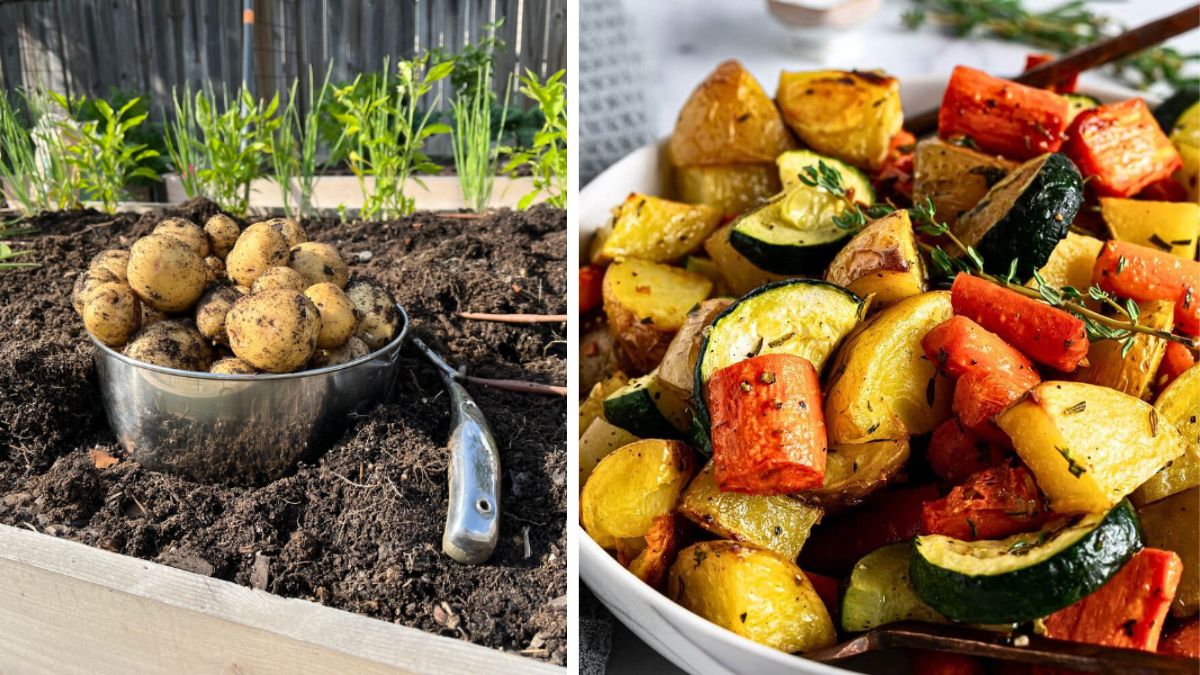
Few vegetables are as comforting, versatile, and universally loved as the humble potato. Whether mashed, roasted, baked, or curried, potatoes form the heart of countless vegetarian dishes across cultures. Imagine taking that comfort a step further—cultivating your own potatoes in your backyard and turning them into wholesome, homemade veggie meals. The journey from soil to supper is not only deeply rewarding but also a meaningful way to embrace sustainable, self-reliant living.
This article explores every step of that journey: from planting your first potato to transforming your harvest into delicious vegetarian dishes that nourish body and soul.
1. The Beauty of Growing Your Own Potatoes
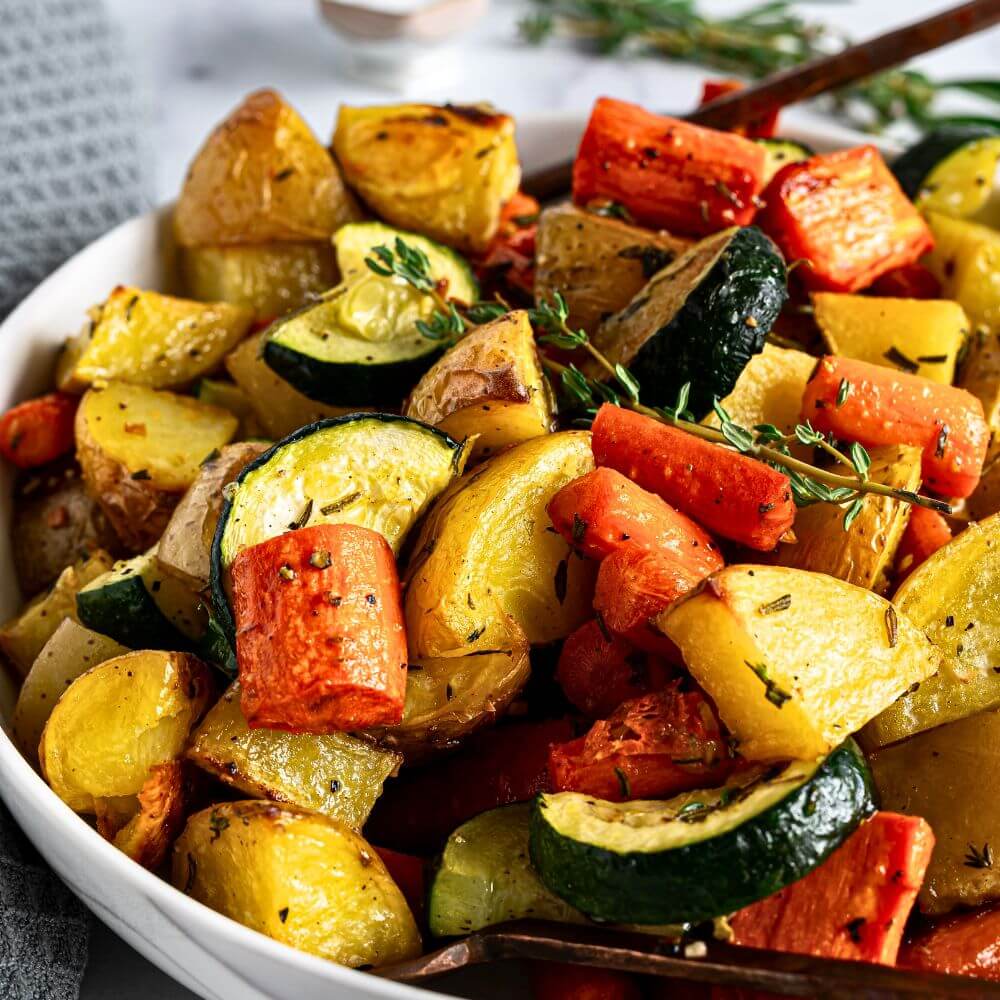
Growing potatoes at home is both practical and fulfilling. They are easy to cultivate, adaptable to various climates, and yield abundantly. What makes them truly special is how seamlessly they connect gardening and cooking—allowing you to experience the full farm-to-table cycle right in your backyard.
Benefits of homegrown potatoes:
- Superior flavor: Freshly dug potatoes have a sweet, earthy richness that store-bought ones can’t match.
- Nutritional value: They’re rich in complex carbohydrates, vitamin C, potassium, and fiber—ideal for balanced vegetarian diets.
- Cost-effective: A small batch of seed potatoes can produce several kilograms of food.
- Eco-friendly: Growing your own reduces waste, packaging, and transport emissions.
- Therapeutic: Gardening encourages mindfulness and reduces stress, connecting you to nature’s rhythm.
From a sustainability standpoint, backyard potato growing is a small yet powerful act of self-sufficiency and environmental care.
2. Choosing the Right Variety for Your Table
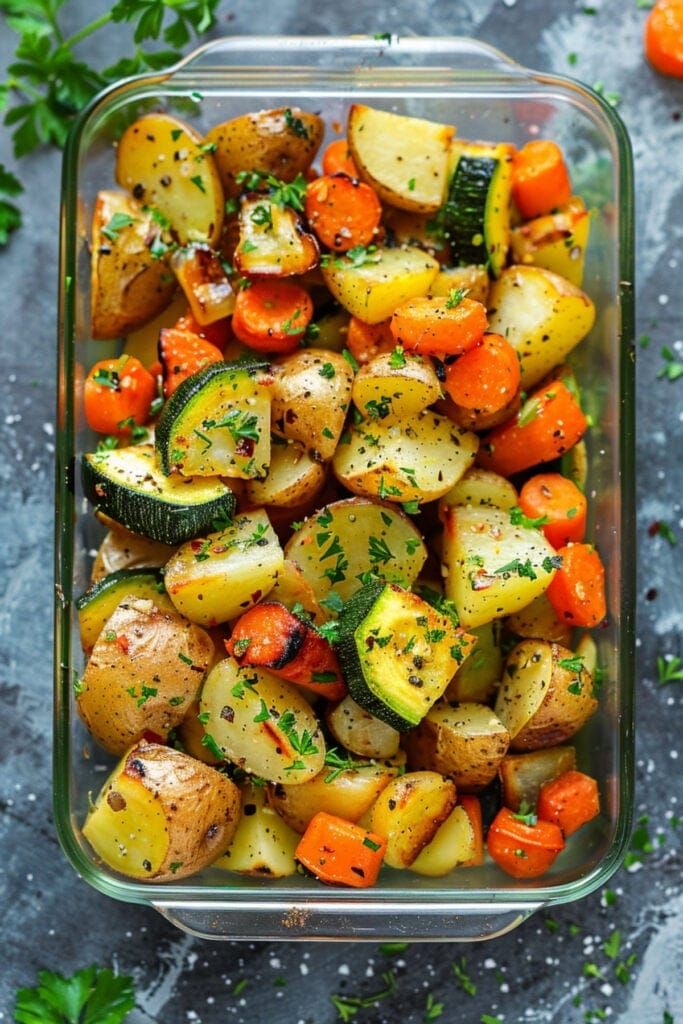
Before planting, think about the types of dishes you love most—because the potato variety you choose directly influences your recipes.
Common varieties and their culinary uses:
- Yukon Gold: Buttery texture and golden flesh—perfect for mashing, roasting, or soups.
- Red Pontiac: Waxy and firm—ideal for boiling, curries, and salads.
- Russet Burbank: High starch—great for baking and fries.
- Kennebec: Reliable all-rounder for frying or casseroles.
- Fingerling Potatoes: Small, gourmet varieties with nutty flavor—excellent for roasting with herbs.
Always buy certified seed potatoes from a nursery. Avoid supermarket potatoes, as they are often treated with chemicals to prevent sprouting and may harbor diseases.
3. Preparing the Soil: Setting the Stage for Growth
Potatoes thrive in loose, well-drained, and nutrient-rich soil. Preparation is key to healthy growth and a bountiful harvest.
Ideal conditions for potato cultivation:
- Sunlight: At least 6–8 hours of direct sunlight daily.
- Soil pH: Slightly acidic, between 5.0 and 6.5.
- Soil texture: Loamy or sandy soil works best; compacted clay soils restrict tuber development.
- Nutrients: Mix compost or well-rotted manure into the topsoil before planting.
If you have limited space, containers, grow bags, or wooden crates can work just as well. Potatoes adapt beautifully to vertical gardening when the soil depth and drainage are sufficient.
4. Planting: Bringing Life to the Soil
Step 1: Prepare Seed Potatoes
Cut large seed potatoes into smaller chunks, ensuring each piece has at least one “eye” (sprouting bud). Let the pieces dry for 1–2 days so the cut surfaces form a protective layer, preventing rot.
Step 2: Planting Depth and Spacing
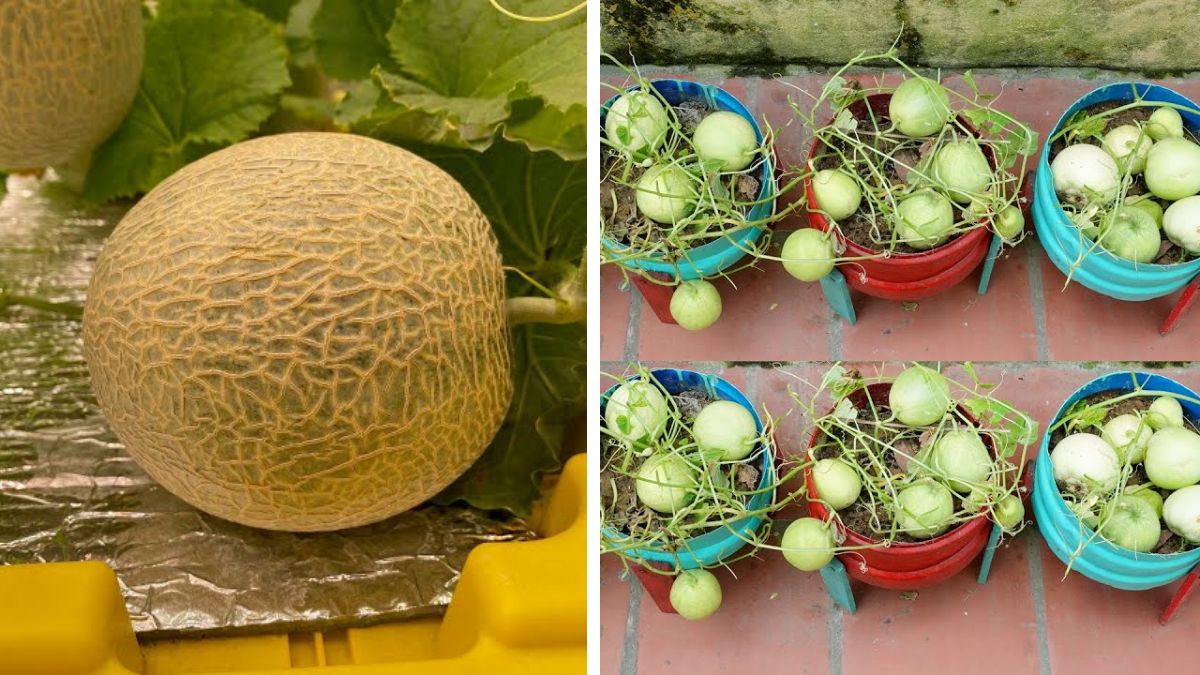
Plant each seed piece 10–12 cm deep, with about 30 cm of space between plants. Rows should be 60–70 cm apart for adequate airflow and space to hill the soil later.
In containers, place 3–4 seed pieces at the bottom and cover them with 10–15 cm of soil.
Step 3: Watering and Care
Keep the soil consistently moist, especially during the flowering stage when tubers form. Avoid waterlogging—standing water can rot the roots.
Step 4: Hilling Up
When the plants grow 15–20 cm tall, pile up loose soil or compost around their stems. This “hilling” process keeps developing tubers covered and prevents them from turning green and inedible due to sunlight exposure. Repeat every few weeks as plants grow taller.
Step 5: Pest and Disease Management
Use organic pest control methods such as neem oil spray or companion planting (marigolds, beans, or basil repel pests). Avoid planting potatoes where tomatoes, peppers, or eggplants were grown previously to prevent soil-borne diseases like blight.
5. Harvesting: The Moment of Reward
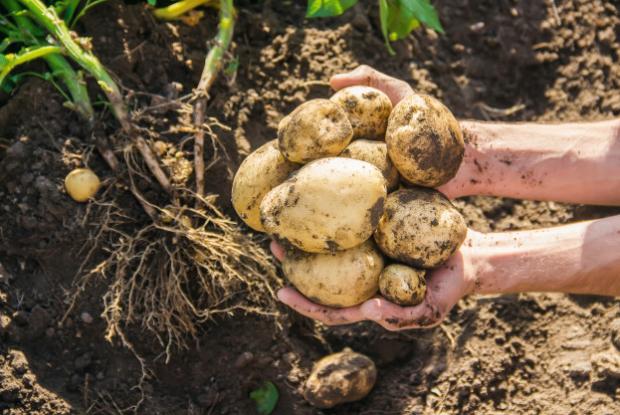
Your patience pays off once the plants begin to flower—this signals tuber formation. Depending on the variety, harvesting time varies between 10–16 weeks after planting.
Types of harvests:
- New potatoes: Small, tender potatoes harvested 8–10 weeks in. Perfect for salads or quick side dishes.
- Main crop potatoes: Mature tubers ready when foliage yellows and starts dying back (usually after 14–16 weeks).
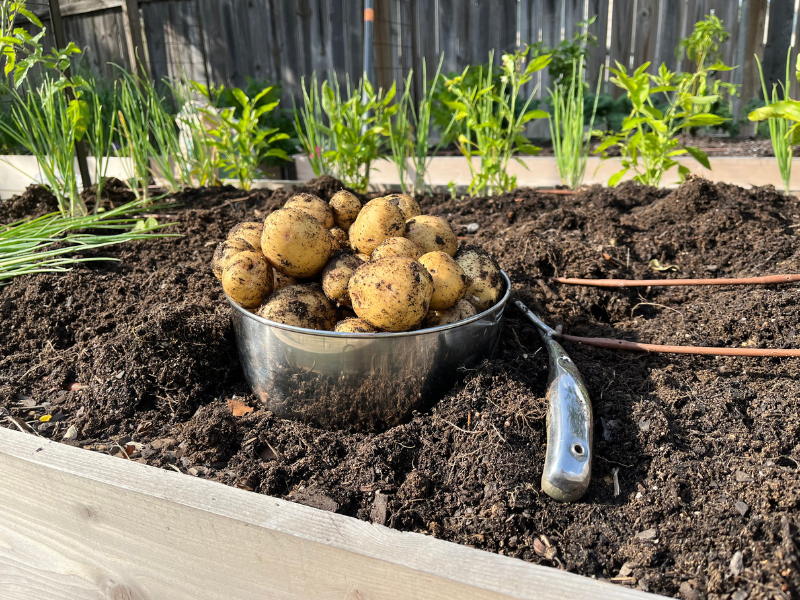
To harvest, gently dig into the soil with your hands or a garden fork to lift out the potatoes. Let them air-dry in a shaded area for a few hours before storing.
Storage tip: Keep potatoes in a cool, dark, and dry place (around 10–12°C). Avoid refrigerating them—cold converts starches to sugar, changing flavor and texture.
6. From Soil to Supper: Turning Harvest into Veggie Comforts
Now comes the most delightful stage—bringing your homegrown potatoes into your kitchen. Potatoes are the heart of many vegetarian comfort dishes, offering warmth, flavor, and nourishment in every bite.
a. Homestyle Classics
- Creamy Garlic Mashed Potatoes: Boil Yukon Golds, mash them with olive oil, roasted garlic, and herbs for a rich, dairy-free side.
- Vegetarian Shepherd’s Pie: Layer lentils, peas, and carrots under fluffy mashed potatoes and bake until golden.
- Potato and Leek Soup: A creamy, hearty soup ideal for cool evenings—blend boiled potatoes with sautéed leeks and vegetable broth.
b. Global Inspirations
- Indian Aloo Curry: Spiced potatoes cooked in tomato-onion gravy; pairs perfectly with rice or chapati.
- Spanish Patatas Bravas: Crispy fried potatoes served with spicy tomato sauce and garlic aioli.
- Italian Potato Gnocchi: Turn mashed potatoes into soft dumplings tossed in pesto or tomato sauce.
c. Simple and Wholesome Everyday Eats
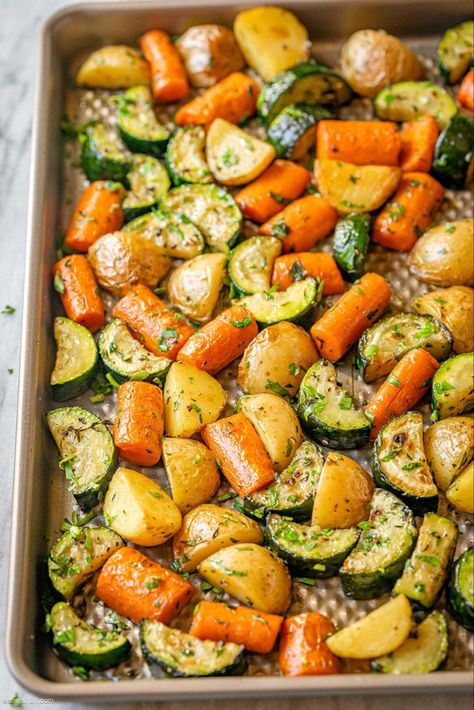
- Roasted Potato Medley: Toss fingerling potatoes with rosemary, garlic, and olive oil; roast until crispy.
- Potato Salad with Yogurt Dressing: Combine boiled potatoes with mint, cucumber, and spiced yogurt for a cooling summer dish.
- Stuffed Potato Skins: Scoop out baked potatoes, mix the flesh with vegetables and cheese, then bake again for a satisfying snack.
Your backyard-grown potatoes will always have a fresher taste and a sense of pride that makes every meal more meaningful.
7. Sustainable Gardening and Zero-Waste Living
Homegrown potatoes align beautifully with sustainable living. Every step—from planting to composting—contributes to a greener lifestyle.
Eco-friendly gardening practices:
- Composting: Use potato peels and garden scraps to make nutrient-rich compost for your next crop.
- Seed saving: Small tubers from your harvest can be stored as seed potatoes for next season.
- Water conservation: Mulch around the plants to retain moisture and minimize watering needs.
- Reduced carbon footprint: By growing locally, you eliminate transport emissions and plastic packaging.
This cycle of sustainability closes the loop—turning waste into nourishment and nurturing both the earth and your table.
8. Common Potato Growing Challenges
Every gardener faces challenges, but they’re easy to overcome with care and observation.
| Problem | Cause | Solution |
|---|---|---|
| Green potatoes | Sun exposure | Hill up soil or add mulch to cover tubers |
| Small tubers | Crowded planting or poor nutrients | Space plants properly and add compost |
| Early yellowing leaves | Nutrient deficiency | Add organic fertilizer or compost tea |
| Rotting or soft potatoes | Overwatering | Improve drainage and reduce watering frequency |
With a little experience, you’ll learn to read your plants’ signals and adjust care accordingly.
9. The Joy of a Homegrown Harvest
There’s something magical about turning a patch of backyard soil into a basket of golden potatoes. It’s more than just growing food—it’s about building a connection to your meals, your environment, and yourself. Each stage of the process teaches patience, appreciation, and mindfulness.
When you finally sit down to enjoy a dish made from your own harvest—a bowl of roasted potatoes or a creamy soup—you’re tasting the culmination of care, effort, and the earth’s generosity.
Conclusion
From soil to supper, the journey of growing potatoes for homemade vegetarian dishes is one of simplicity, sustainability, and satisfaction. With a bit of effort, sunlight, and love, your backyard can become a source of nourishment and joy. Each potato you harvest carries the story of your hard work and the timeless bond between humans and the soil.
So, plant those seed potatoes, nurture them, and let your garden become the foundation of countless comforting meals. From the first sprout to the final serving, your table will reflect the wholesome beauty of homegrown living—one delicious bite at a time. 🥔🌱