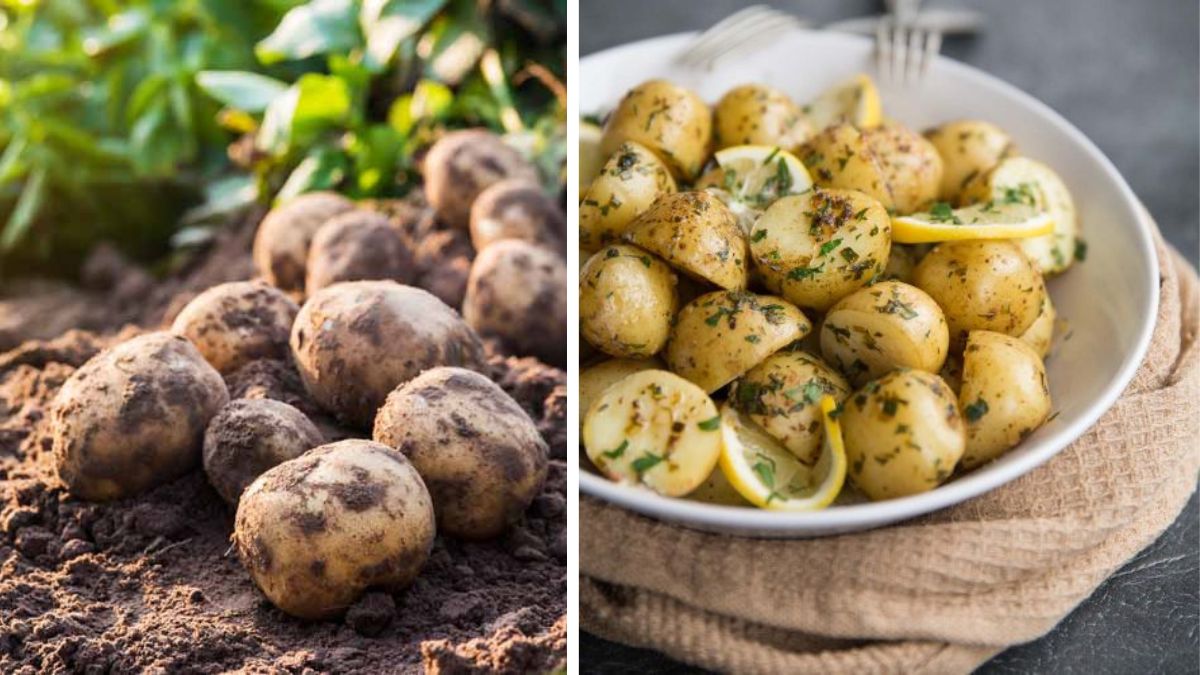
Few things rival the satisfaction of walking into your backyard, digging into the soil, and pulling out a handful of fresh, golden potatoes. These humble tubers are the foundation of countless comforting vegetarian dishes — creamy mashed potatoes, spicy curries, roasted wedges, and hearty casseroles. Growing potatoes in your own backyard isn’t just about the food on your plate; it’s about cultivating a sustainable lifestyle that brings nourishment, mindfulness, and joy.
This article explores everything you need to know about backyard potato gardening — from choosing the right varieties to creating delicious, homegrown vegetarian comfort meals that make your kitchen smell like home.
1. Why Grow Potatoes in Your Backyard?
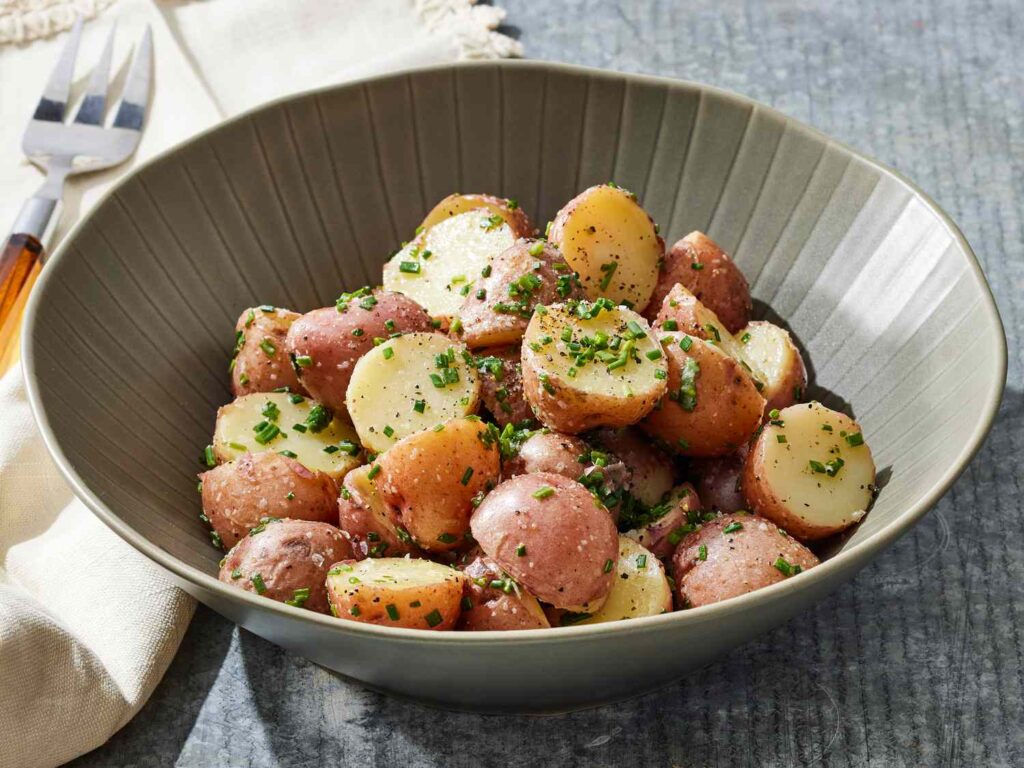
Backyard gardening allows you to take control of your food — from soil to serving. Potatoes are particularly rewarding because they’re easy to grow, yield generously, and store well. With a small patch of soil or even large containers, you can produce enough potatoes to last several months.
Key benefits of growing potatoes at home:
- Freshness and flavor: Homegrown potatoes have a richer, earthier flavor compared to store-bought ones.
- Healthier produce: You avoid chemical preservatives and sprout inhibitors used in commercial potatoes.
- Eco-friendly: Backyard gardening reduces packaging waste and carbon emissions from food transport.
- Budget-friendly: A few seed potatoes can yield several kilograms of fresh produce.
- Therapeutic hobby: Gardening helps reduce stress and increases your connection to nature.
Backyard potato gardening is a fulfilling project that brings sustainability, health, and taste together in one endeavor.
2. Understanding Potato Varieties
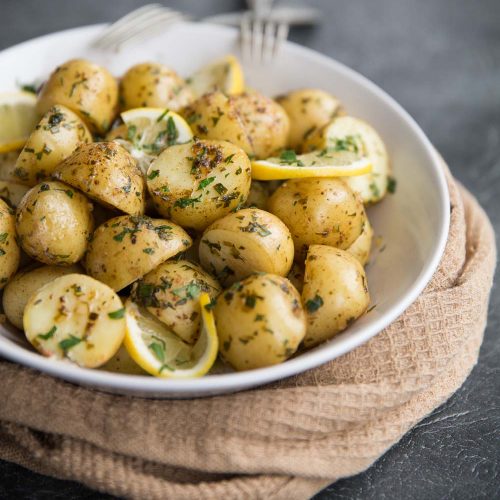
Different potato varieties serve different culinary purposes. When planning your backyard garden, choose varieties that suit your cooking preferences and local climate.
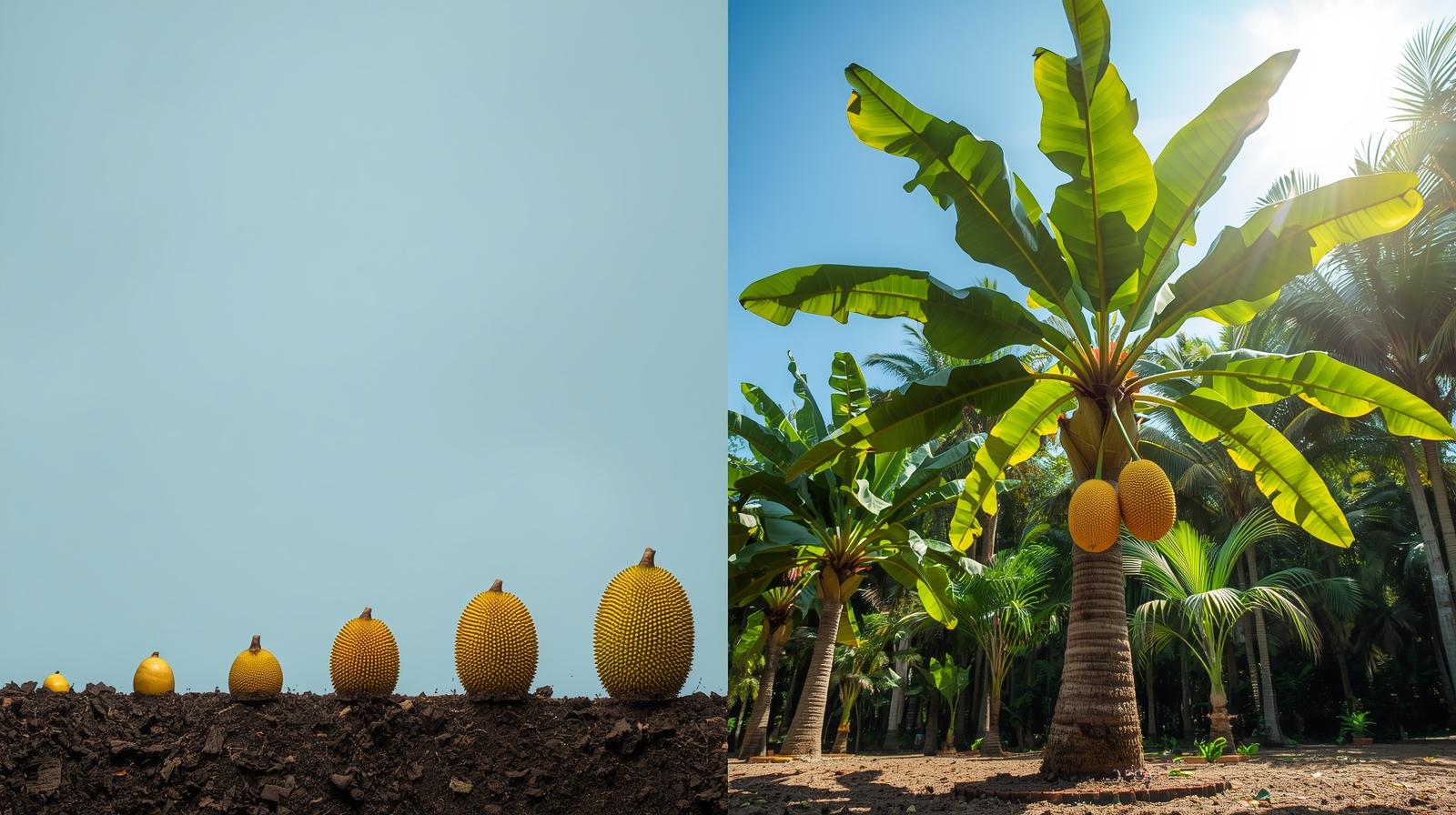
Popular potato types for home gardens:
- Yukon Gold: Creamy and golden-fleshed, ideal for mashing or roasting.
- Red Pontiac: Holds shape well, perfect for boiling and salads.
- Kennebec: Excellent all-purpose variety with high yields and good storage life.
- Russet Burbank: High in starch, ideal for baking and fries.
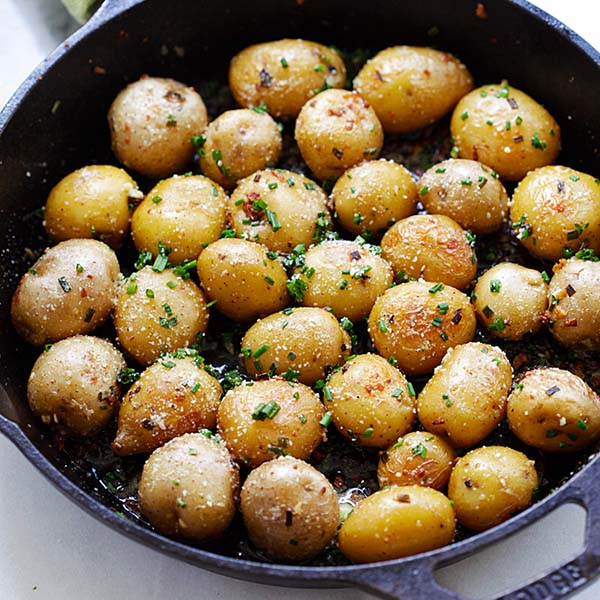
- Fingerling Potatoes: Small, flavorful, and gourmet — perfect for roasting with herbs.
Tip: Always purchase certified seed potatoes from reputable nurseries. Avoid using supermarket potatoes, as they may carry diseases or be treated to prevent sprouting.
3. Preparing the Perfect Growing Space
Potatoes thrive in sunny spots with loose, well-draining soil. Before planting, spend some time preparing your backyard plot or containers to create the right growing environment.
Soil preparation checklist:
- Location: Choose a sunny area that gets at least 6–8 hours of light daily.
- Soil type: Loose loam or sandy soil rich in organic matter.
- Soil pH: Slightly acidic, ideally between 5.0 and 6.5.
- Enrichment: Mix compost, well-rotted manure, or organic fertilizer into the topsoil for added nutrients.
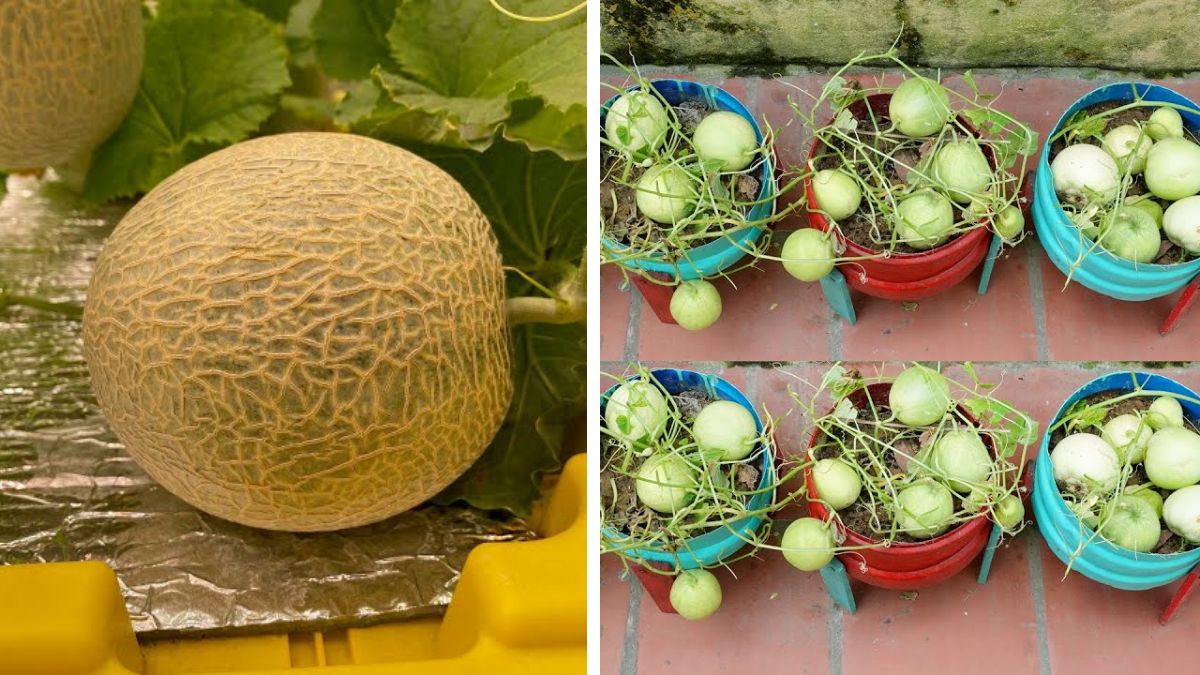
If you don’t have garden beds, grow bags, wooden crates, or large pots can serve as excellent alternatives. The secret lies in layering soil and hilling up as the plants grow, ensuring the tubers remain covered and productive.
4. Planting Potatoes Step-by-Step
Step 1: Preparing Seed Potatoes
Cut large seed potatoes into smaller pieces, each with at least one or two “eyes” (sprouting buds). Let them dry for 1–2 days to form a protective skin and prevent rot when planted.
Step 2: Planting
Plant the pieces 10–12 cm deep, with about 30 cm spacing between them. Rows should be spaced roughly 60–70 cm apart to allow airflow and space for hilling.
If using containers, fill them halfway with soil, place 3–4 seed pieces, and cover them lightly with more soil.
Step 3: Watering and Sunlight
Potatoes need consistent moisture but hate waterlogging. Water deeply once or twice a week, especially when the plants start flowering — the period when tubers develop most actively.
Step 4: Hilling Up
When plants grow about 15–20 cm tall, pile up soil or compost around the base of the stems. This process, called “hilling,” protects developing tubers from sunlight (which turns them green and toxic) and encourages more tuber growth. Repeat this process every few weeks.
Step 5: Natural Pest and Disease Control
Common threats include potato beetles, aphids, and blight. Control pests naturally by using neem oil sprays, companion planting with marigolds or beans, and practicing crop rotation. Avoid planting potatoes where tomatoes or peppers grew recently, as they share similar diseases.
5. Harvesting and Storing Potatoes
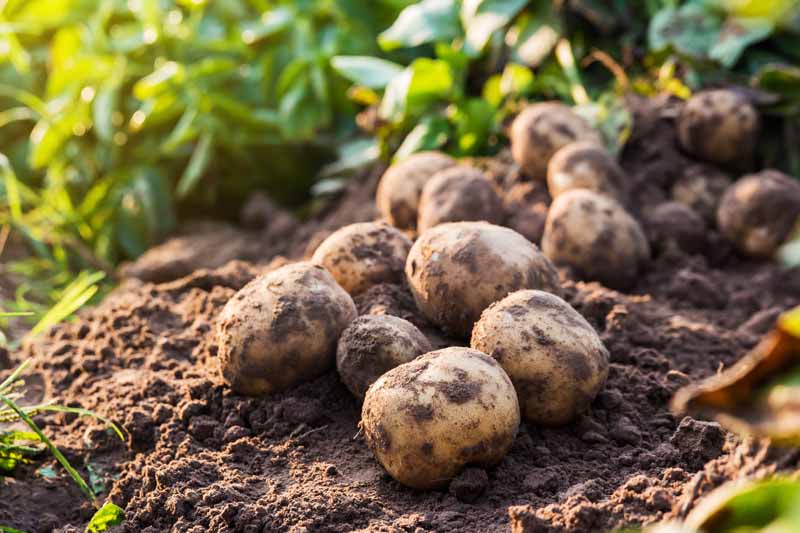
Harvesting is the most exciting part of potato gardening. Depending on the type, your potatoes will be ready for harvest 10–16 weeks after planting.
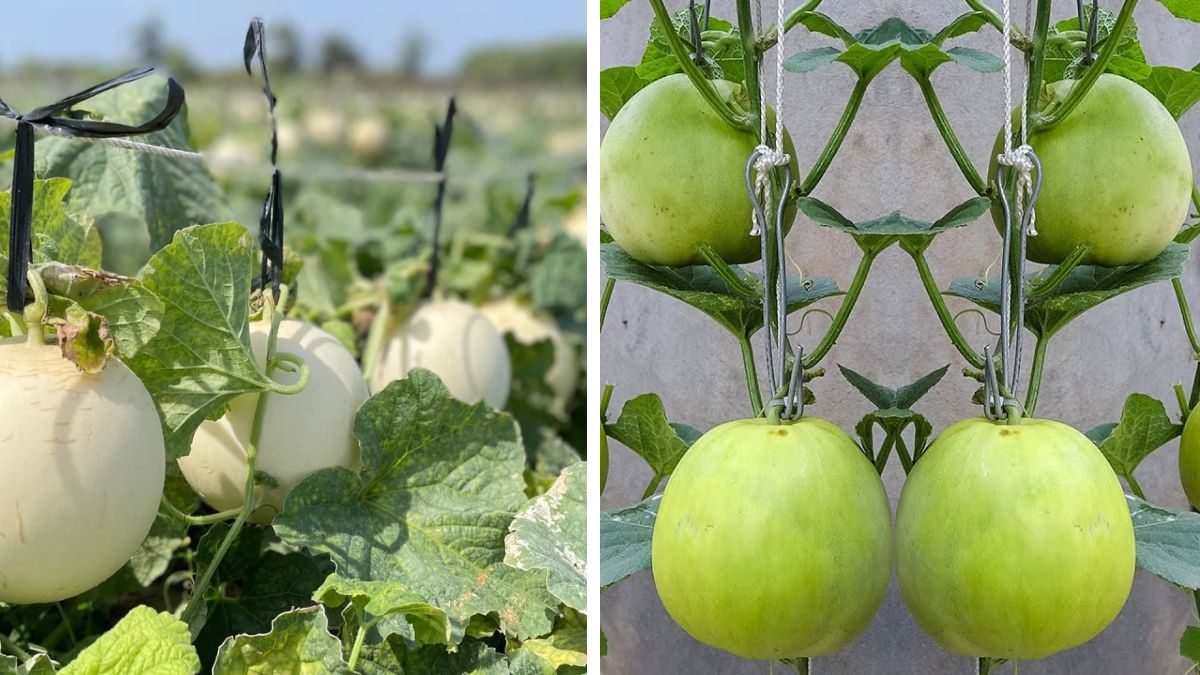
- New potatoes: Harvest when the plants begin to flower. These small, tender potatoes are great for salads and side dishes.
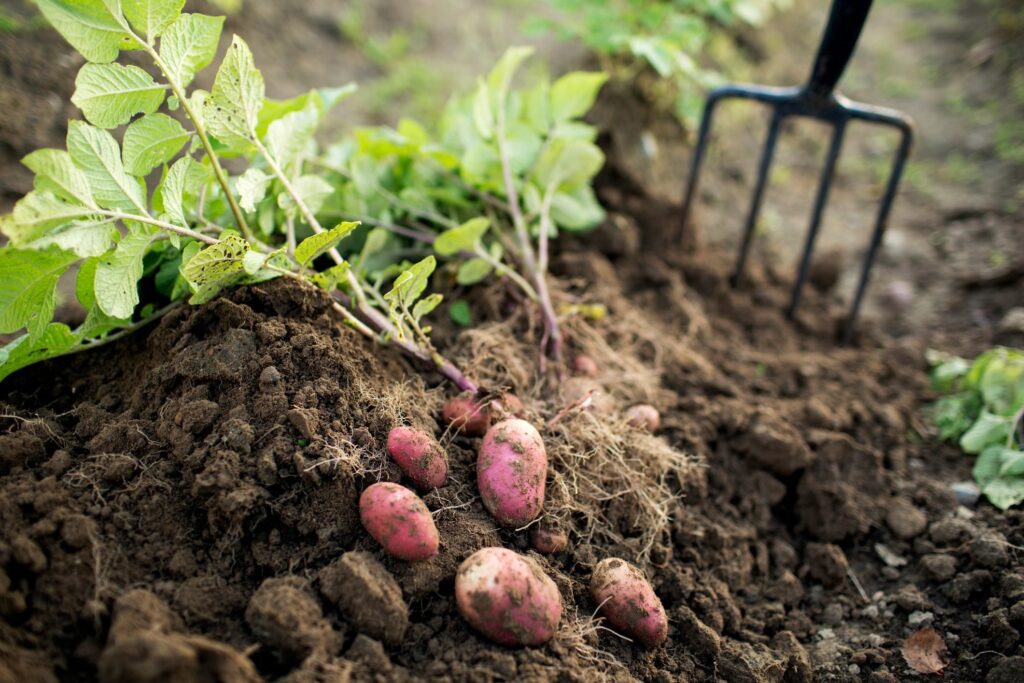
- Main crop potatoes: Wait until the foliage yellows and begins to die back. Gently dig around the base with your hands or a garden fork, taking care not to damage the tubers.
After harvesting, let the potatoes dry in a shaded, well-ventilated spot for a few hours. Store them in a dark, cool place (around 10–12°C) to prevent sprouting and greening. Avoid refrigeration, as cold temperatures convert starches to sugars.
6. Turning Your Harvest into Vegetarian Comfort Food
Now that you’ve grown your own potatoes, it’s time to bring them to the table. Potatoes are the ultimate comfort ingredient for vegetarian meals — they’re hearty, versatile, and satisfying.
a. Cozy Classics
- Creamy Mashed Potatoes: Whip boiled Yukon Gold potatoes with olive oil, roasted garlic, and herbs for a dairy-free comfort dish.
- Herbed Potato Soup: Simmer diced potatoes with onions, celery, and vegetable broth. Blend until smooth for a silky, warming meal.
- Vegetarian Shepherd’s Pie: Layer lentils, carrots, and peas with mashed potatoes for a hearty, oven-baked classic.
b. Global Vegetarian Inspirations
- Indian Aloo Curry: A blend of potatoes, peas, tomatoes, and spices creates a flavorful vegan staple.
- Spanish Patatas Bravas: Crispy fried potatoes served with spicy tomato sauce and garlic aioli.
- Japanese Potato Croquettes (Korokke): Mashed potato patties coated in breadcrumbs and pan-fried until golden.
c. Healthy Sides and Snacks
- Oven-Roasted Potato Wedges: Toss in olive oil, rosemary, and salt for a guilt-free alternative to fries.
- Potato and Spinach Patties: Combine mashed potatoes with spinach and chickpea flour for a protein-packed snack.
- Cold Potato Salad: Mix boiled potatoes with yogurt, cucumber, and mint for a refreshing summer treat.
When you cook with potatoes from your own garden, each bite is seasoned with the pride of your labor.
7. Sustainable and Zero-Waste Gardening
Backyard potato gardening fits beautifully into a sustainable, zero-waste lifestyle. Every step — from planting to cooking — encourages mindful resource use.
- Composting: Potato peels and plant scraps enrich your compost pile.
- Seed saving: Use small, healthy tubers from your harvest for next season’s planting.
- Water conservation: Mulching around potato plants retains soil moisture and reduces water use.
- Local food system: Growing your own eliminates transportation, packaging, and storage waste associated with store-bought produce.
By turning your backyard into a productive space, you contribute to an eco-conscious food cycle and inspire others to do the same.
8. Troubleshooting Common Potato Problems
Even experienced gardeners encounter challenges. Here’s how to tackle a few common ones:
| Issue | Cause | Solution |
|---|---|---|
| Yellowing leaves early | Nutrient deficiency | Add compost or organic fertilizer |
| Green potatoes | Exposure to sunlight | Hill up soil or mulch to cover tubers |
| Small harvest | Overcrowded plants or insufficient sunlight | Increase spacing and ensure full sun |
| Rotting tubers | Overwatering or poor drainage | Improve soil structure and reduce watering |
Consistent observation, organic care, and patience are the keys to maintaining a thriving backyard potato garden.
9. The Joy of Garden-to-Table Living
There’s a deep emotional connection between growing your own food and eating it. When you cultivate potatoes in your backyard, you nurture not just your plants, but your well-being. Gardening teaches patience, sustainability, and gratitude — values that enrich both your plate and your spirit.
The next time you prepare a creamy potato soup or a crisp golden roast, you’ll taste more than just food — you’ll taste the reward of your effort and the comfort of homegrown goodness.
Conclusion
Backyard potato gardening for delicious veggie comforts is more than just a pastime; it’s a lifestyle rooted in sustainability, nutrition, and joy. From planting the first seed to savoring your first harvest, every step brings you closer to nature and the comforting flavors of home-cooked vegetarian meals.
With a little space, care, and creativity, your backyard can become a thriving source of nourishment — one that fills your kitchen with the warmth of freshly dug potatoes and the aroma of wholesome comfort food.
So grab a few seed potatoes, roll up your sleeves, and let your garden grow. Soon, your backyard will be bursting with the simple, timeless comfort of homegrown goodness. 🌱🥔