In the fast-paced, space-limited world of urban living, having a backyard garden can feel like an impossible dream. But what if you could grow your own vegetables, herbs, and greens—even in the tiniest of spaces? With a bit of creativity, planning, and care, a tiny garden can provide a surprising amount of fresh, flavorful ingredients for your favorite veggie meals.
“Make Your Own Veggie Meals with a Tiny Garden” isn’t just a concept—it’s a lifestyle movement. It’s about transforming balconies, windowsills, rooftops, or small patios into vibrant, edible spaces. You don’t need acres of land or fancy equipment; what you need is imagination, sustainability, and the joy of nurturing your own food. This article explores how to turn even the smallest corner of your home into a productive mini-garden, and how to use those ingredients to create delicious, homemade vegetarian dishes.
1. The Big Impact of a Small Garden
Many people underestimate how much food can come from a small space. With smart planning, vertical setups, and container gardening, even a few square feet can yield an impressive harvest. Tiny gardens not only provide fresh produce but also connect us more deeply to what we eat.
The benefits go far beyond convenience:
- Freshness and nutrition: Homegrown veggies are harvested at peak ripeness, making them richer in vitamins and flavor.
- Sustainability: Growing your own food reduces packaging, transport, and food waste.
- Affordability: Seeds and soil are inexpensive, and over time, your garden saves you money.
- Mental wellness: Gardening, even on a small scale, lowers stress and boosts happiness.
Your tiny garden becomes both a source of nourishment and a personal sanctuary—an oasis of green amid urban concrete.
2. Designing Your Tiny Garden: Make the Most of Every Inch
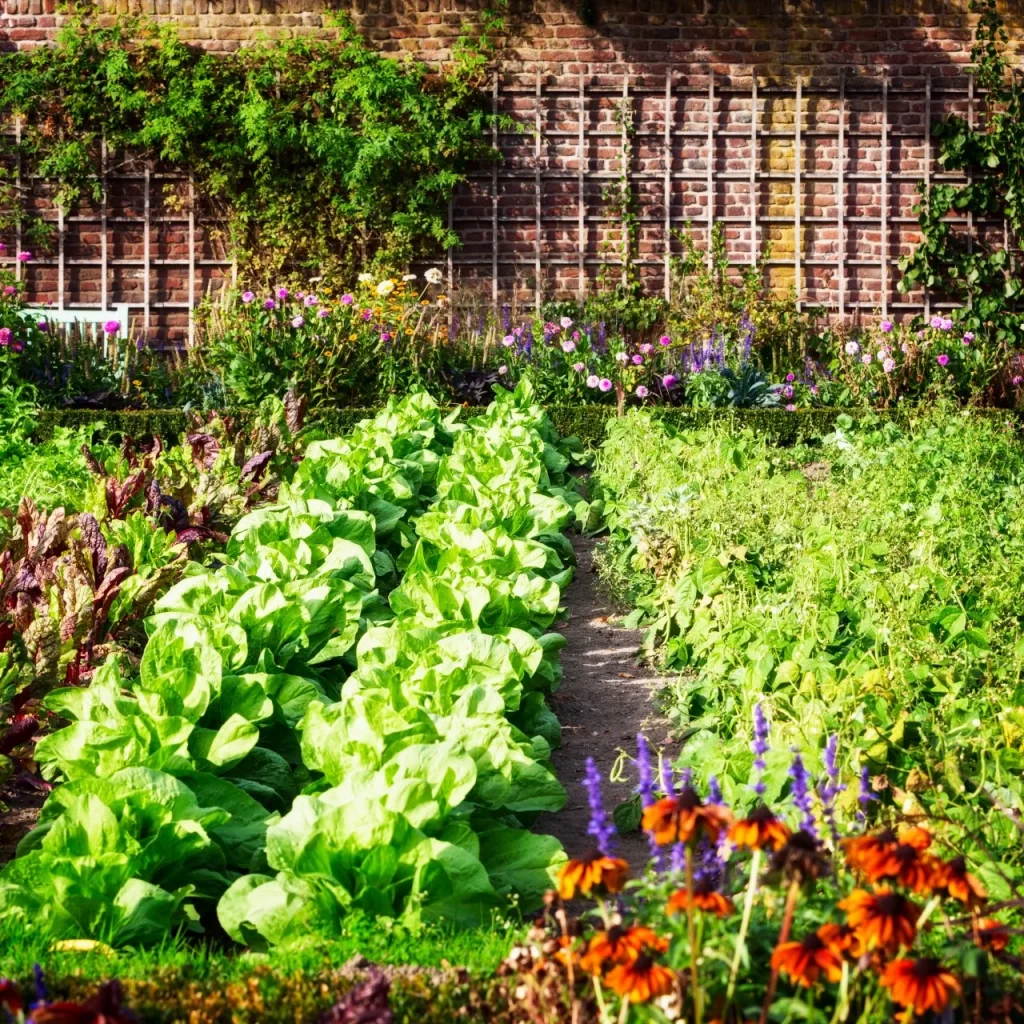
The key to a thriving tiny garden lies in strategic design. Whether you have a windowsill, balcony, or small yard, every inch counts.
Assess Your Space
Start by observing your available area:
- How many hours of sunlight does it get each day?
- Is it sheltered from heavy rain or strong wind?
- Is there a railing, wall, or vertical surface you can use?
Sunlight-loving plants like tomatoes, peppers, and herbs need about 6–8 hours of light daily, while leafy greens can tolerate partial shade.
Choose Your Containers
For small spaces, containers are your best friends.
- Use pots, recycled buckets, hanging baskets, or even old tins—just ensure they have drainage holes.
- Grow vertically using trellises, stacked shelves, or wall-mounted planters.
- Combine aesthetics and function by using colorful containers or wooden crates for a rustic look.
Soil and Watering
Tiny gardens dry out faster than traditional gardens, so use a rich, moisture-retaining potting mix. Add compost for nutrients and mulch to reduce water evaporation. Self-watering containers or drip systems can simplify care.
Space-Saving Hacks
- Companion planting: Grow compatible plants together—like basil and tomatoes or lettuce under taller plants.
- Succession planting: Harvest one crop and immediately replace it with another for continuous yield.
- Microgreens: Fast-growing and nutrient-rich, these can be harvested within weeks.
With thoughtful planning, your small garden can thrive and feed you throughout the year.
3. Best Veggies to Grow in Tiny Spaces
Not every vegetable fits a small garden—but many are perfectly suited for compact living. Here are the top choices:
1. Herbs
Basil, cilantro, parsley, mint, and chives grow beautifully in small pots. They require minimal space and elevate every meal with their aroma and flavor.
2. Leafy Greens
Lettuce, spinach, kale, and arugula grow quickly and can be harvested multiple times. You can even grow them indoors on a sunny windowsill.
3. Tomatoes (Cherry Varieties)
Compact tomato varieties like ‘Tiny Tim’ or ‘Patio Princess’ are perfect for containers. They offer a steady supply of sweet fruit for salads, sandwiches, and sauces.
4. Peppers
Mini bell peppers and chili plants thrive in pots and bring a colorful, spicy touch to your garden and kitchen.
5. Radishes and Carrots
These root veggies grow well in deep containers. They’re fast-growing and ideal for small gardens.
6. Beans and Peas
Climbing varieties use vertical space efficiently and produce generously.
7. Microgreens and Sprouts
These superfoods require almost no space—just a tray and a few seeds. They’re rich in vitamins and perfect for topping soups, sandwiches, and wraps.
By mixing quick-growing crops with longer-season plants, you’ll have a steady rotation of homegrown ingredients.
4. From Garden to Kitchen: Cooking with Your Harvest
Once your garden starts producing, it’s time to turn those fresh veggies into flavorful meals. Here’s how to make the most of your harvest while keeping waste to a minimum.
Salads and Bowls
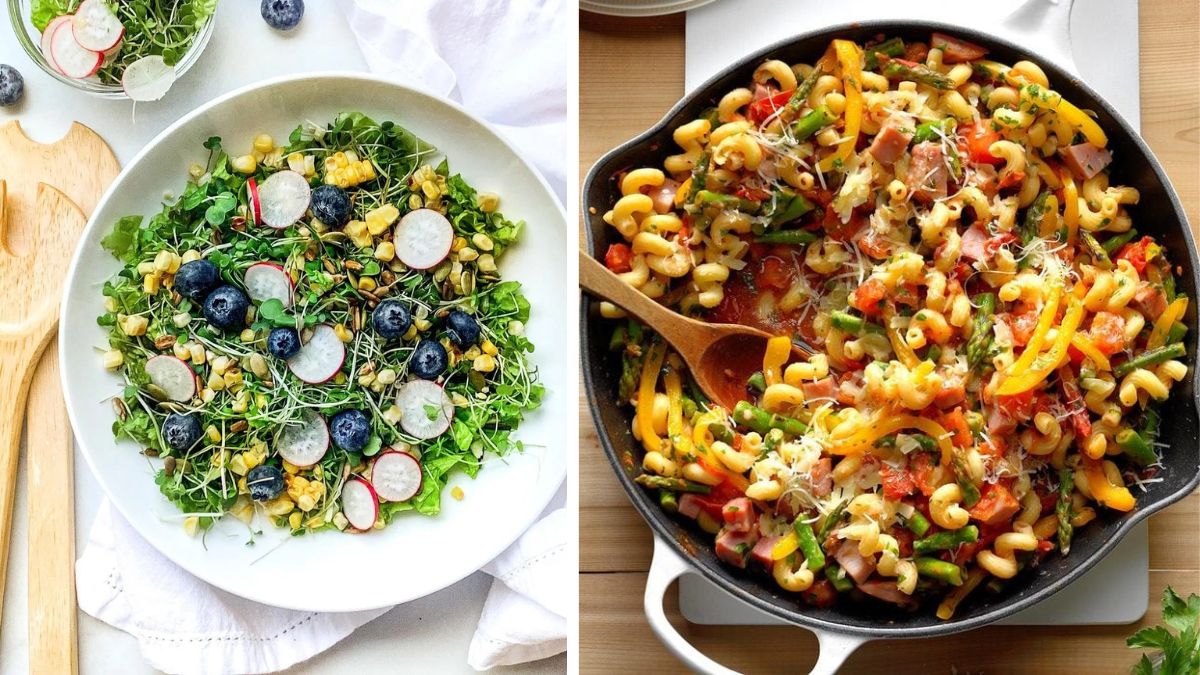
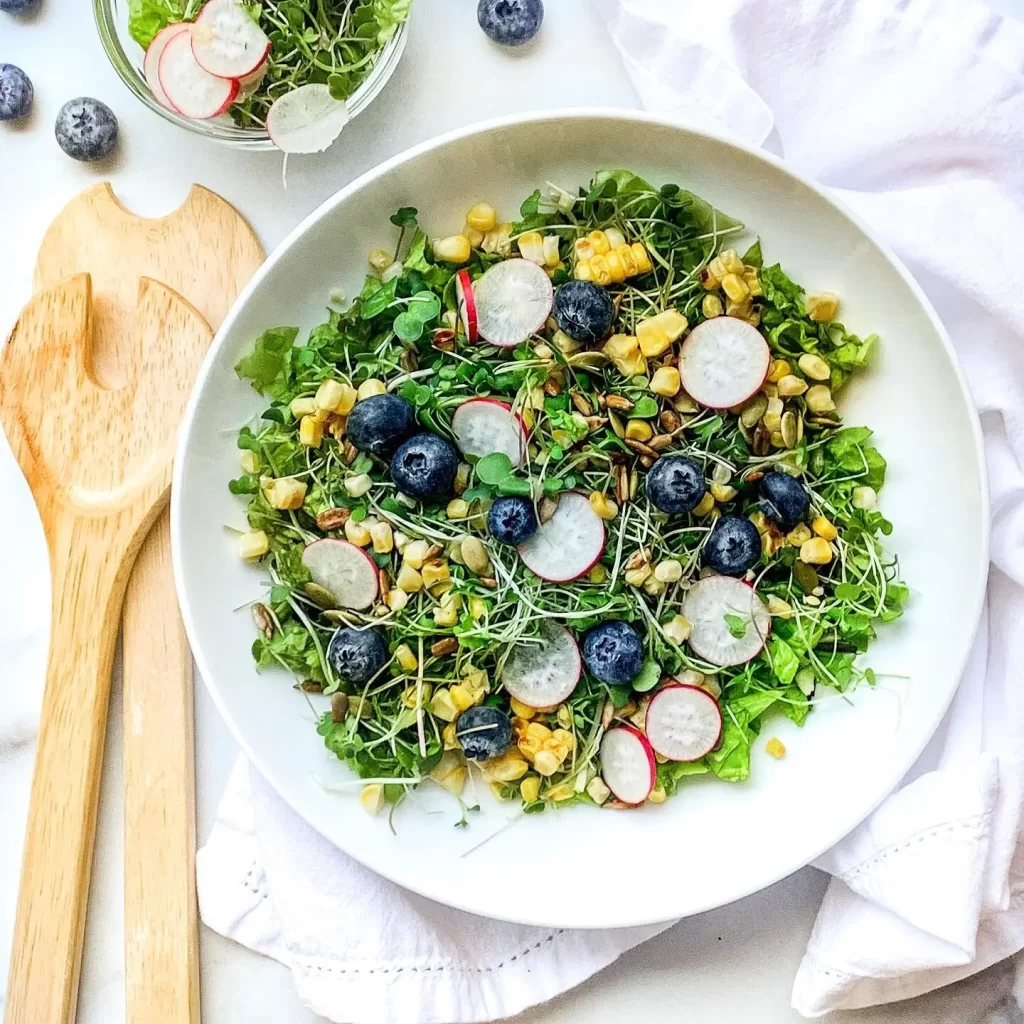
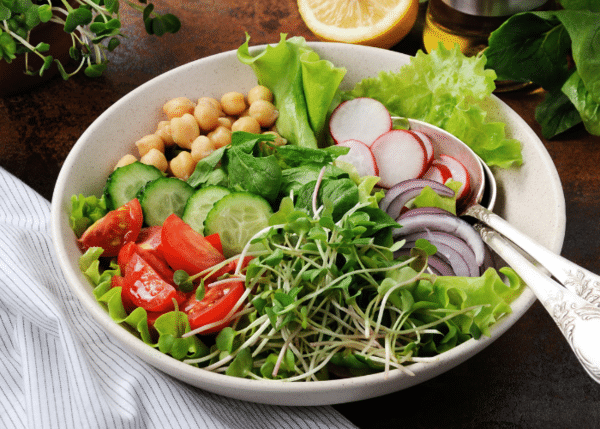
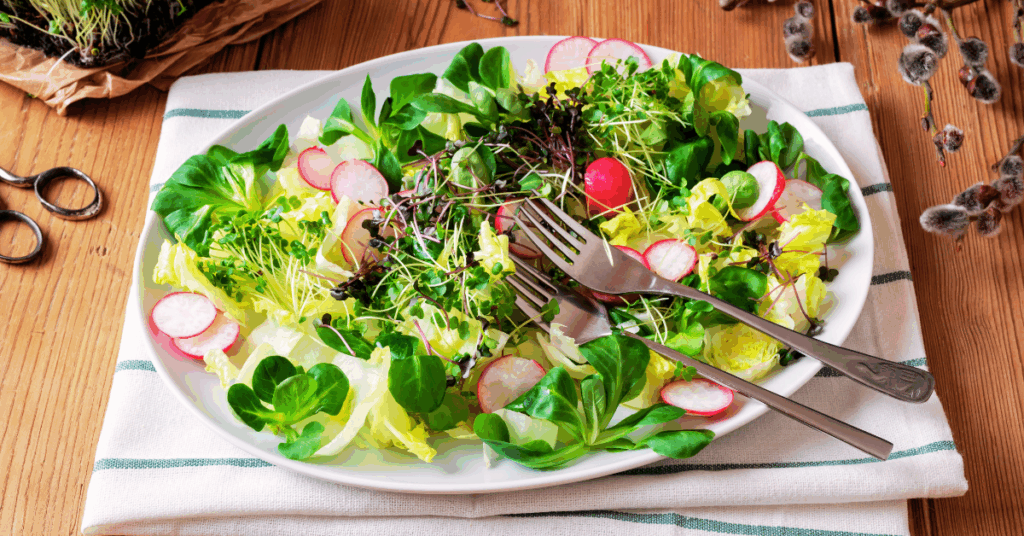
Your tiny garden can produce all the fixings for refreshing salads and grain bowls. Combine freshly picked lettuce, tomatoes, cucumbers, and herbs with a simple dressing of olive oil and lemon juice. Add cooked quinoa or beans for protein.
Herb-Packed Sauces
Transform your herbs into vibrant sauces and dips:
- Basil Pesto: Blend basil, garlic, olive oil, nuts, and lemon for a classic sauce that pairs with pasta or bread.
- Cilantro-Lime Dressing: Perfect for tacos and roasted veggies.
- Mint Yogurt Dip: A refreshing side for grilled vegetables.
Soups and Stir-Fries
Cherry tomatoes, spinach, and beans make hearty soups and quick stir-fries. Sauté garlic, onion, and chopped veggies for an easy, garden-fresh dinner.
Wraps and Sandwiches
Use your greens and herbs to make colorful wraps or sandwiches. Try grilled peppers, lettuce, and tomatoes with hummus or avocado spread for a wholesome plant-based meal.
DIY Veggie Pizza or Pasta
Top homemade pizza dough or pasta with garden veggies—zucchini slices, spinach, cherry tomatoes, and herbs for a Mediterranean twist.
Tiny gardens produce smaller harvests, but their freshness and flavor can make even simple meals extraordinary.
5. Reduce Waste with Smart Gardening and Cooking

Sustainability doesn’t end with harvesting—it continues in how you use every part of your produce.
Use Every Bit
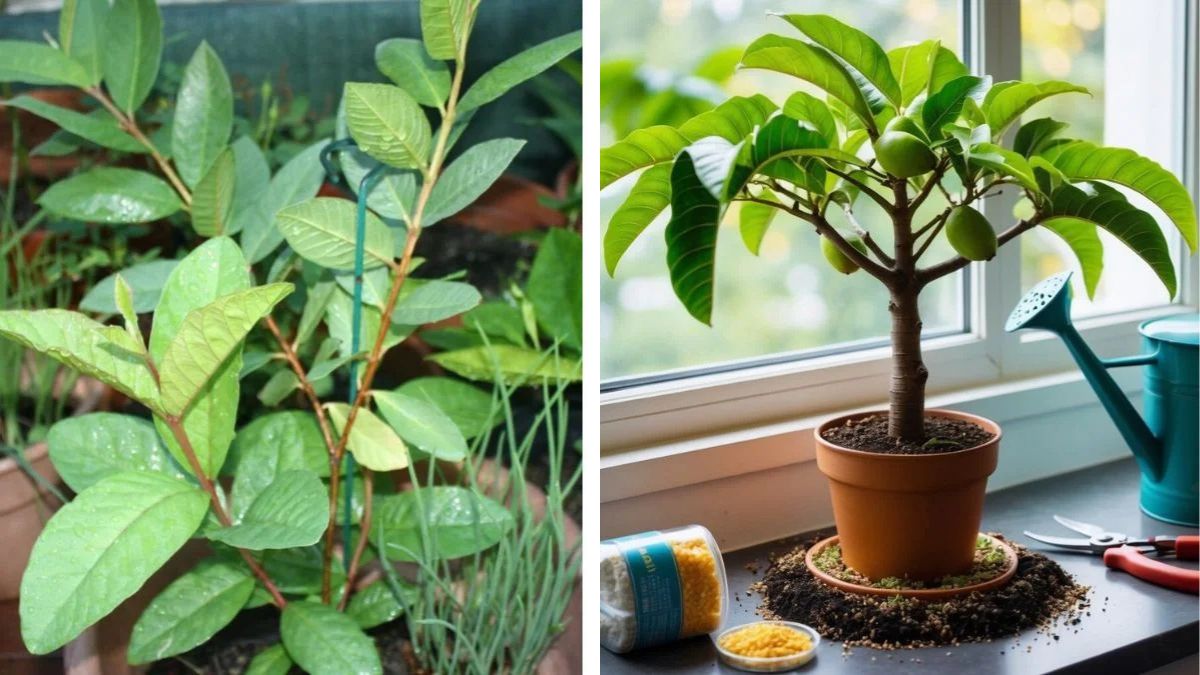
- Don’t toss carrot tops—turn them into a pesto.
- Save tomato skins and peels for soups or broth.
- Replant green onion roots for an endless supply.
Compost the Rest
Whatever scraps you can’t cook, compost. Even a small compost bin or vermicompost system fits on a balcony and turns waste into nutrient-rich soil.
Preserve the Extras
When your tiny garden produces more than you can eat, preserve it. Dry herbs, freeze chopped greens, or pickle cucumbers for later use.
These practices ensure that your garden supports a truly zero-waste kitchen.
6. Tiny Garden Meal Plan: A Week of Fresh Veggie Dishes
Here’s how you might enjoy your homegrown produce throughout the week:
- Monday: Spinach and herb omelet with cherry tomatoes.
- Tuesday: Fresh garden salad with mint-lime dressing.
- Wednesday: Stir-fried peppers and beans with rice.
- Thursday: Tomato-basil pasta with garlic oil.
- Friday: Veggie wraps filled with lettuce, cucumbers, and pesto.
- Saturday: Zucchini fritters with carrot-top sauce.
- Sunday: Homemade pizza topped with mixed garden vegetables.
This plan keeps meals colorful, balanced, and full of variety—all from the smallest garden.
7. The Joy of Growing and Cooking Your Own Food
Tiny gardening teaches patience, creativity, and gratitude. Watching your first seeds sprout and later harvesting ingredients for dinner creates a connection that store-bought produce can never replace.
Cooking with what you’ve grown adds a sense of fulfillment—each dish becomes a celebration of your effort and care. Even if your harvest is modest, the satisfaction of self-reliance and freshness is immense.
Moreover, a small garden can become a powerful tool for mindful living. You’ll waste less, appreciate nature more, and eat with intention.
8. Getting Started: Tips for Beginners
If you’re ready to start your tiny garden journey, follow these simple steps:
- Begin with 3–4 plants that you love to eat.
- Use quality soil—it’s the foundation of healthy plants.
- Water consistently, but avoid overwatering.
- Harvest regularly to encourage growth.
- Learn as you go—experiment, observe, and adjust.
You don’t need perfection; you just need persistence. Over time, you’ll discover what works best in your unique space.
9. Final Thoughts: Small Garden, Big Change
Creating veggie meals from your tiny garden is more than an eco-friendly project—it’s a journey toward independence, sustainability, and health. Each seed planted represents a step toward reducing your carbon footprint and embracing a slower, more intentional way of living.
Even a handful of herbs or a bowl of fresh greens can remind you of nature’s abundance. You’ll eat better, waste less, and experience the deep satisfaction of turning sunlight, soil, and water into nourishing food.
So, start small—plant a few seeds, nurture them with care, and let your tiny garden grow into a source of inspiration, nourishment, and joy. After all, the size of your garden doesn’t determine the richness of your harvest; your passion does.