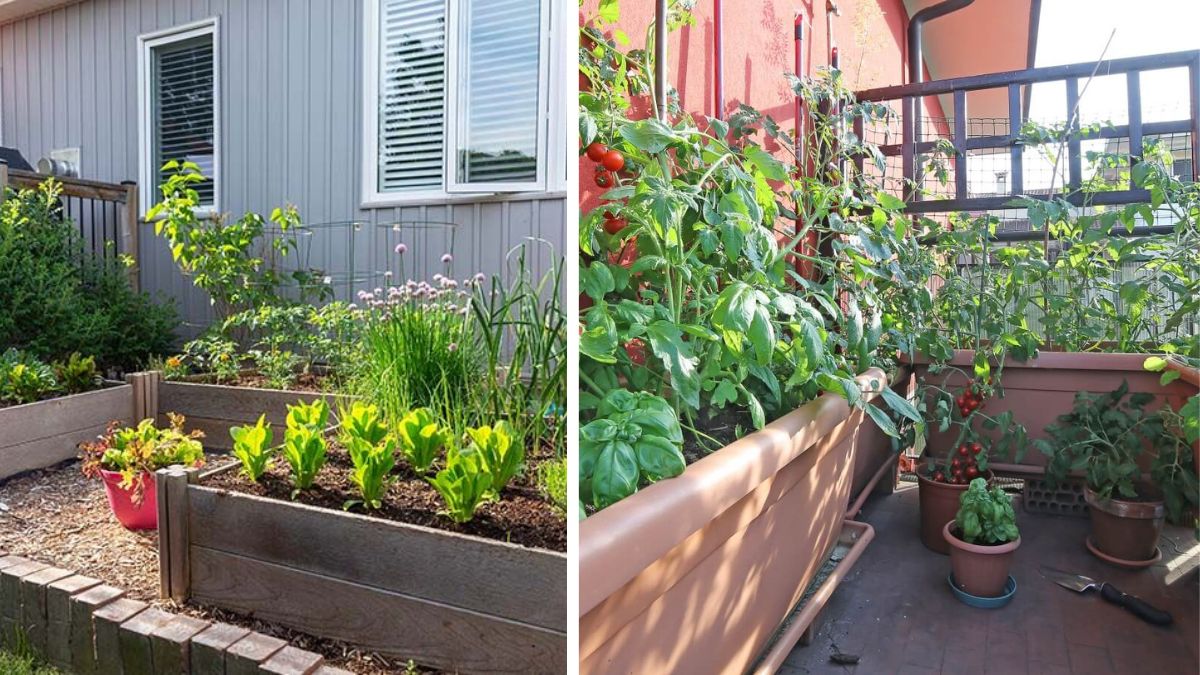
If you’re a veggie lover, there’s nothing more satisfying than stepping outside your door and harvesting fresh produce for your next meal. A backyard garden not only gives you access to nutritious, chemical-free vegetables, but it also offers a fun and relaxing way to connect with nature. Even if you’re short on space, time, or experience, there are plenty of simple garden projects that can turn your backyard into a mini paradise of greens, herbs, and colorful vegetables.
In this guide, we’ll explore easy backyard garden projects that anyone—from beginners to experienced green thumbs—can try. Each project is practical, low-cost, and designed to boost your veggie yield while making gardening a rewarding lifestyle habit.
1. Why Every Veggie Lover Should Start a Backyard Garden
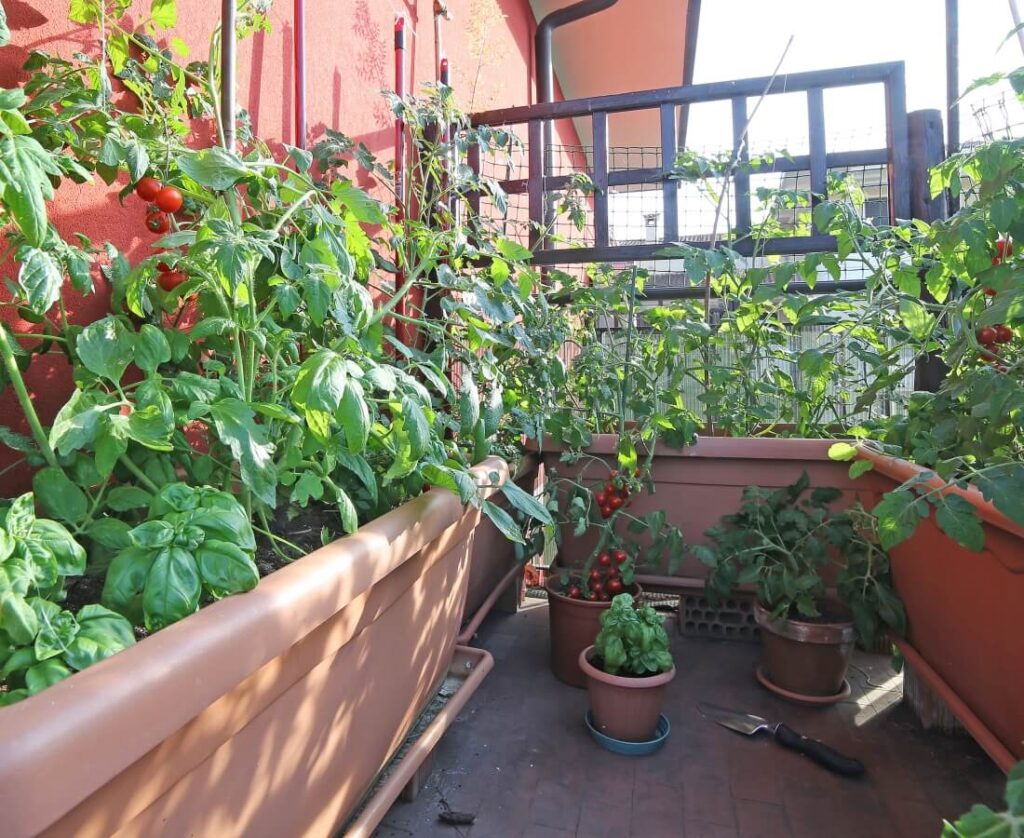
Starting a backyard vegetable garden is one of the best decisions for your health, wallet, and the planet. Freshly picked vegetables taste better and retain more nutrients than store-bought produce, which often travels long distances before reaching your plate. By growing your own, you reduce packaging waste, cut down on grocery bills, and control exactly what goes into your soil—making your meals healthier and more sustainable.
Plus, gardening is a form of stress relief. Digging, planting, and nurturing your veggies connect you to the natural world, grounding you in a way few other hobbies can. Whether you’re growing crunchy carrots, juicy tomatoes, or fragrant herbs, your backyard becomes a living pantry filled with life and color.
2. Preparing for Backyard Gardening Success
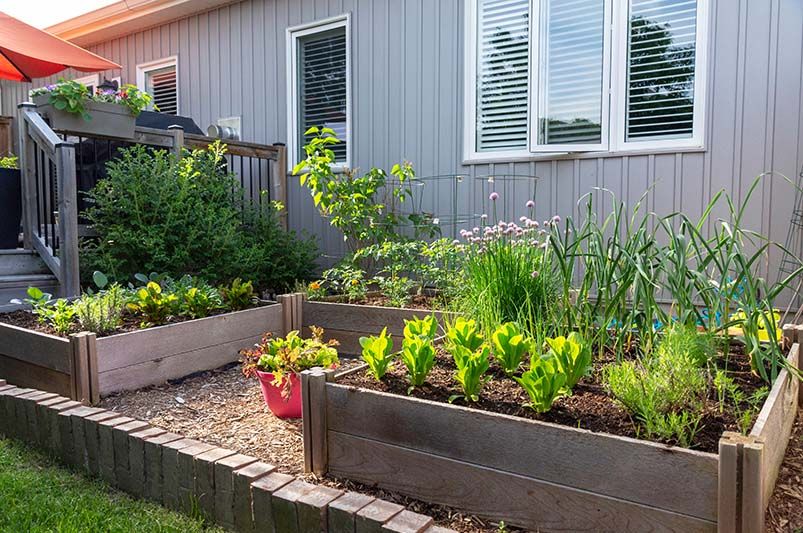
Before diving into projects, it’s essential to prepare your garden space properly. A little planning goes a long way in ensuring healthy plants and steady yields.
Choose the Right Spot
Most vegetables need at least 6 to 8 hours of sunlight daily. Choose an area that receives consistent sunlight, has good drainage, and is easily accessible for watering.
Test and Improve Your Soil
Healthy soil is the foundation of every great garden. Use a simple soil testing kit to check pH and nutrient levels. Ideally, your soil should be rich in organic matter and slightly loamy. Mix in compost, aged manure, or organic fertilizer to boost fertility and encourage strong root growth.
Start Small
If you’re new to gardening, don’t overwhelm yourself. Start with one or two raised beds, or a few containers, and focus on easy-to-grow vegetables like lettuce, radishes, tomatoes, spinach, or herbs. You can always expand once you gain confidence.
3. Easy Backyard Garden Projects to Try
Here are some simple, creative projects that make your backyard more productive—and more fun.
Project 1: Build a Raised Garden Bed
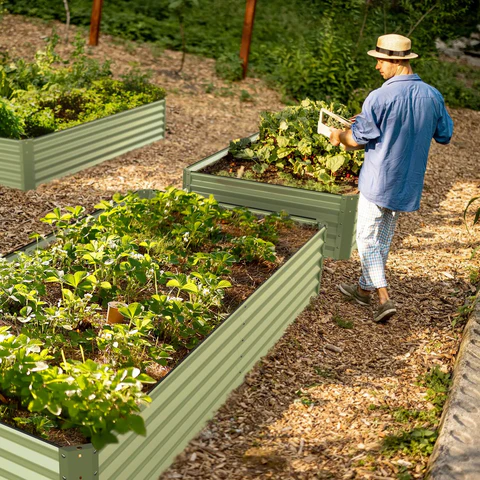
A raised bed is one of the most efficient ways to grow vegetables, especially if your backyard soil is rocky or poor in quality. It keeps the soil loose, drains well, and warms faster in spring—ideal for fast-growing plants.
How to Do It:
- Choose a sunny spot and mark a rectangle about 4×8 feet.
- Build a wooden frame using untreated cedar or pine boards.
- Fill the bed with a mix of compost, garden soil, and peat moss.
- Plant a variety of vegetables—tomatoes in the center, lettuce around the edges, and herbs in corners.
Bonus Tip: Add a drip irrigation system or soaker hose to save time on watering.
Project 2: Create a Vertical Veggie Wall
If you have limited ground space, go vertical! A vertical garden is perfect for growing climbing plants and herbs while adding a stunning green feature to your backyard.
How to Do It:
- Use an old wooden pallet, metal trellis, or wire rack.
- Line it with landscape fabric and fill with soil.
- Plant shallow-rooted veggies like lettuce, spinach, or strawberries in the pockets.
- Train climbing vegetables like peas, beans, or cucumbers to grow upward.
Why It Works: Vertical gardening maximizes your space, improves air circulation, and keeps pests away from your plants.
Project 3: Make a Kitchen Herb Spiral
Herb spirals are both beautiful and practical. This compact, spiral-shaped structure uses height and varying moisture levels to grow multiple herbs in a small area.
How to Do It:
- Arrange rocks or bricks in a spiral pattern, about 3 feet high at the center.
- Fill it with rich soil and compost.
- Plant sun-loving herbs like rosemary, thyme, and oregano on the top and moisture-loving herbs like parsley, cilantro, and mint toward the base.
Why It’s Great: You can access all your herbs easily, and it makes a stunning focal point in your backyard.
Project 4: Grow Veggies in Containers
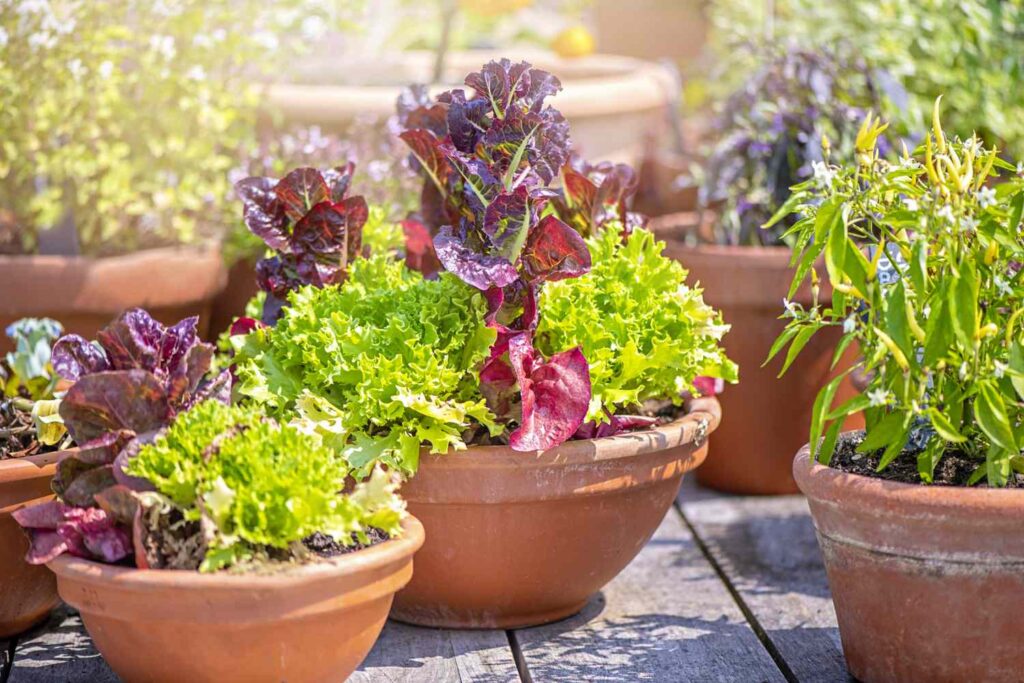
Container gardening is perfect for renters, small yards, or patios. You can grow almost any vegetable in a pot if it’s deep enough for the roots.
Top Container Crops:
- Tomatoes (in 5-gallon pots)
- Peppers
- Lettuce and spinach
- Carrots
- Herbs like basil and mint
Tips:
- Use lightweight pots with drainage holes.
- Choose a high-quality potting mix, not regular garden soil.
- Water more frequently since containers dry out faster.
Project 5: Build a Compost Bin
Composting is one of the easiest and most sustainable backyard projects for veggie lovers. It turns kitchen scraps and yard waste into nutrient-rich fertilizer for your garden.
How to Do It:
- Set up a simple bin using wooden pallets or plastic containers.
- Alternate green materials (fruit peels, coffee grounds, vegetable scraps) with brown materials (leaves, cardboard, straw).
- Keep the pile moist and turn it every few weeks.
In a few months, you’ll have rich compost to feed your plants—saving money and reducing household waste.
Project 6: Install a Rain Barrel
Water is essential for any garden, and collecting rainwater helps you conserve resources while lowering utility bills.
How to Do It:
- Place a rain barrel beneath your home’s gutter spout.
- Add a mesh screen on top to prevent mosquitoes and debris.
- Use the collected water for your vegetable beds during dry days.
Rainwater is chemical-free and great for plants, making it an eco-friendly garden addition.
Project 7: Set Up a Pollinator Zone
Pollinators like bees and butterflies are vital for vegetable production. Without them, fruiting plants like tomatoes, peppers, and squash won’t yield well.
How to Do It:
- Plant nectar-rich flowers like marigolds, lavender, and zinnias near your vegetable beds.
- Avoid pesticides that harm bees.
- Include a small water dish with pebbles for pollinators to drink safely.
This mini ecosystem supports biodiversity and improves your harvest.
4. Choosing Easy and Productive Vegetables
When starting backyard garden projects, focus on veggies that give high yields with minimal care.
Best Choices for Beginners:
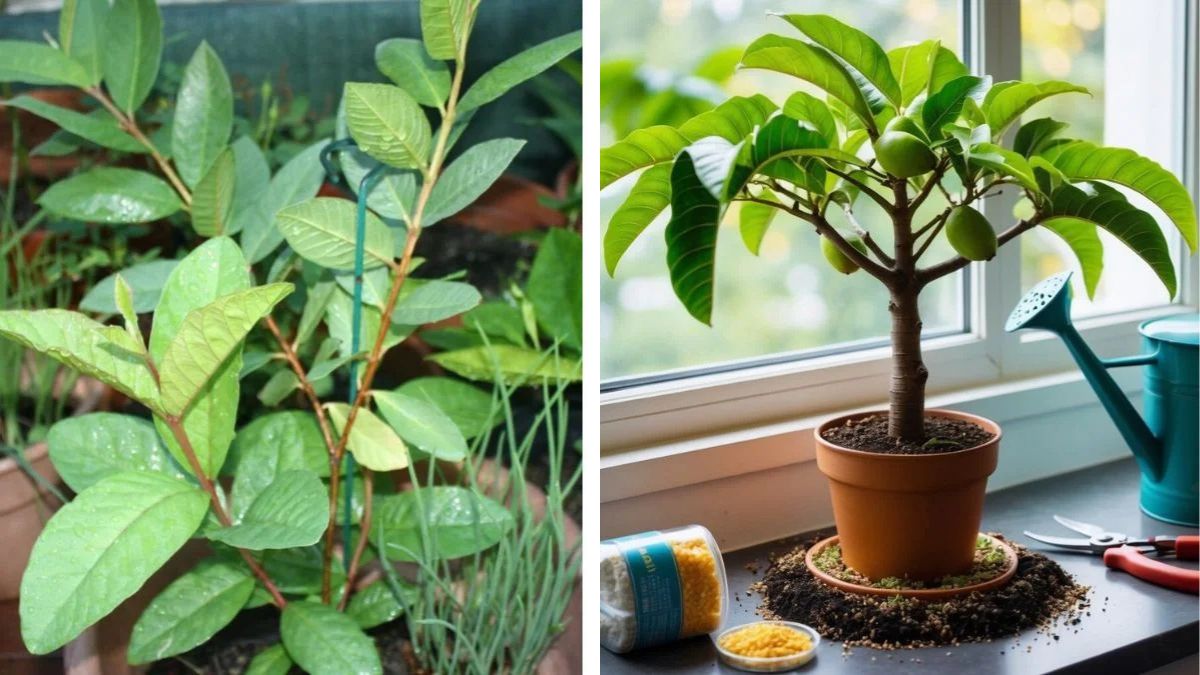
- Tomatoes: Easy to grow and perfect for sauces, salads, and sandwiches.
- Lettuce: Fast-growing and can be harvested multiple times.
- Zucchini: One plant produces plenty for stir-fries and soups.
- Beans: Rich in protein and improve soil nitrogen levels.
- Spinach and Kale: Great for smoothies and sautéed dishes.
- Herbs: Basil, mint, and parsley thrive with little maintenance.
By mixing quick growers (like lettuce) with long-season crops (like tomatoes), you’ll enjoy a steady harvest throughout the year.
5. Backyard-to-Kitchen: Cooking with Your Harvest
A veggie garden isn’t just about growing food—it’s about enjoying it. Here are a few easy vegetarian recipes that showcase your homegrown produce:
- Garden Veggie Salad: Combine freshly picked lettuce, tomatoes, cucumbers, and herbs with olive oil and lemon juice.
- Roasted Veggie Medley: Roast zucchini, carrots, and peppers with garlic and herbs for a wholesome side dish.
- Homemade Tomato Soup: Simmer garden-fresh tomatoes with basil, onions, and a dash of cream.
- Herb Pesto: Blend basil, parsley, olive oil, and nuts into a rich, aromatic sauce for pasta or bread.
Cooking with freshly harvested vegetables enhances flavor and adds a sense of pride to every meal.
6. Keep It Sustainable
As you enjoy your backyard garden, aim to keep your practices eco-friendly:
- Compost all organic waste.
- Use natural pest control like neem oil or companion planting (e.g., marigolds near tomatoes).
- Rotate crops yearly to prevent soil depletion.
- Collect rainwater and use mulch to conserve moisture.
Every small step contributes to a greener, more sustainable lifestyle that benefits both you and the environment.
7. The Joy of Backyard Gardening
Gardening is more than just growing food—it’s an act of creativity, care, and self-reliance. Each plant you nurture gives back in flavor, nutrition, and fulfillment. Whether you’re picking tomatoes for a summer salad or snipping herbs for a winter stew, your garden connects you to nature’s rhythm.
Even simple projects—like a raised bed, herb spiral, or compost bin—can transform your backyard into a lush, productive sanctuary. Over time, you’ll discover that the rewards of gardening extend far beyond food; they include peace, patience, and pride in knowing you grew your own.
8. Final Thoughts: Cultivate, Cook, and Celebrate
For veggie lovers, a backyard garden is both playground and pantry—a space where creativity meets sustainability. You don’t need acres of land or fancy tools; just a few simple projects and some enthusiasm. Start small, experiment, and watch your garden flourish.
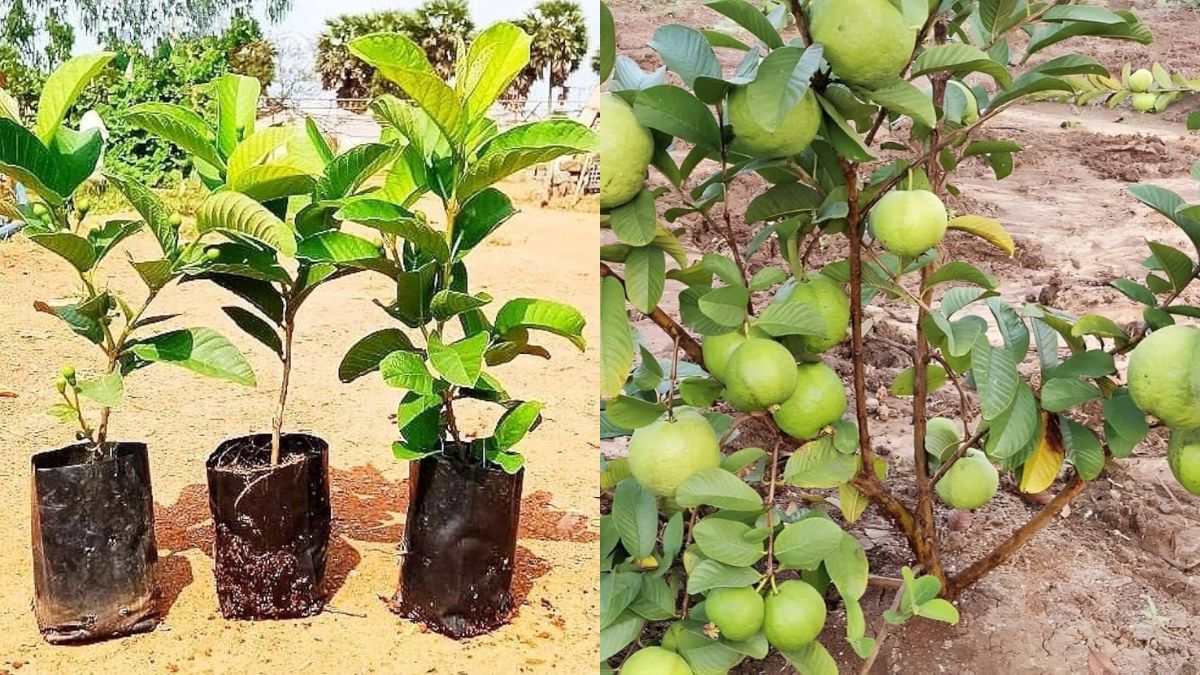
Soon, your backyard will become more than just outdoor space—it’ll be the heart of your plant-based lifestyle, where every seed you sow adds flavor to your meals and joy to your days.
So grab your gloves, dig in, and start creating the veggie garden of your dreams—one easy project at a time.