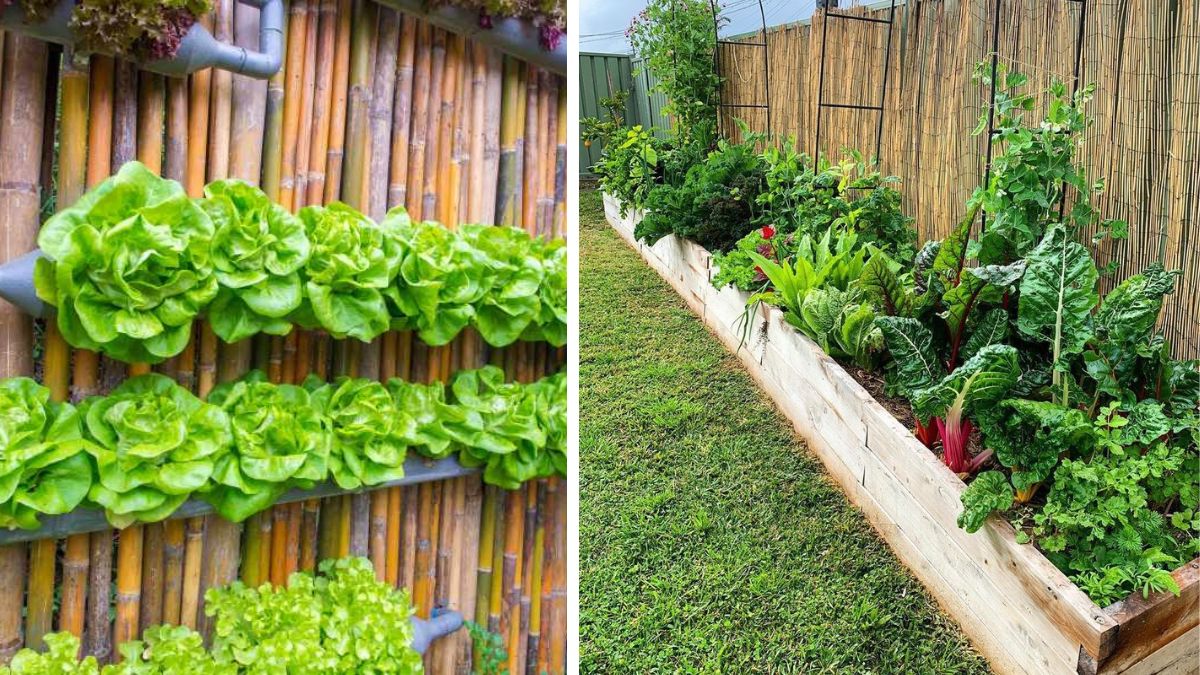
Adopting a vegetarian lifestyle is about more than just choosing plant-based meals—it’s a conscious step toward healthier living, environmental responsibility, and a deeper connection with nature. But what if you could take that commitment one step further by growing the very vegetables, herbs, and fruits that fill your plate? Backyard gardening is one of the most rewarding ways to support a vegetarian lifestyle. It brings freshness to your meals, reduces your carbon footprint, and offers a fulfilling sense of self-sufficiency.
No matter the size of your outdoor space, a backyard garden can provide a steady supply of nutrient-rich, chemical-free produce all year long. In this article, we’ll explore how backyard gardening complements a vegetarian diet, what to grow for balanced meals, and practical tips for cultivating a thriving home garden that supports both your health and the planet.
1. Why Backyard Gardening and Vegetarianism Go Hand in Hand
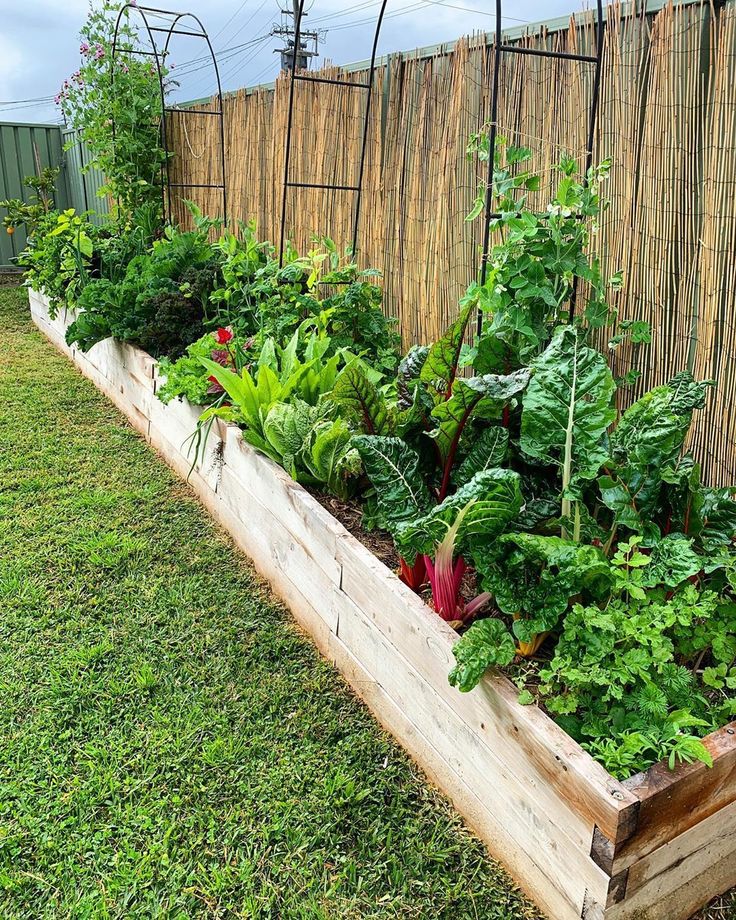
Vegetarianism and gardening share a common philosophy: sustainability, health, and mindfulness. When you grow your own food, you understand where your meals come from and appreciate the effort it takes to nurture them.
Here’s why backyard gardening perfectly supports a vegetarian lifestyle:
- Freshness and Nutrition: Homegrown produce is harvested at peak ripeness, meaning it’s packed with vitamins, antioxidants, and natural flavor.
- Eco-Friendliness: Reducing reliance on store-bought vegetables cuts down on transportation emissions, packaging waste, and chemical fertilizers.
- Cost-Effectiveness: Once established, a garden produces high yields for minimal investment—saving money while providing abundant food.
- Self-Sufficiency: Gardening fosters independence from industrial food systems and processed products.
- Mental and Physical Health: Spending time outdoors reduces stress, promotes mindfulness, and offers light physical exercise.
Together, gardening and vegetarianism create a balanced, sustainable lifestyle that nurtures both body and soul.
2. Planning Your Vegetarian-Friendly Backyard Garden
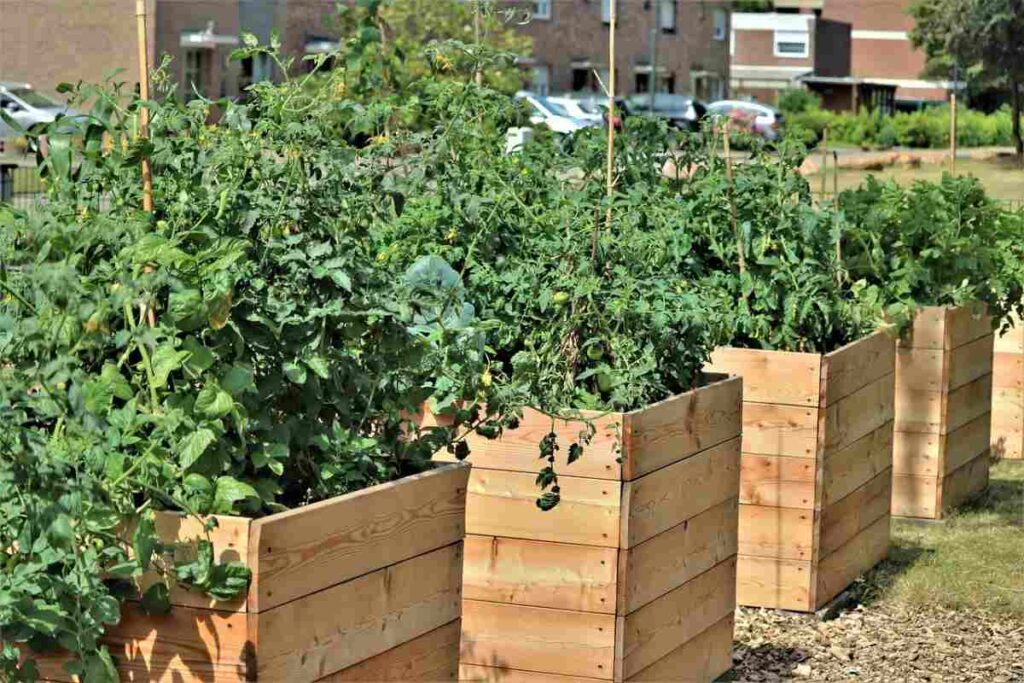
Every great garden starts with a plan. Before planting, take time to design your garden layout based on space, sunlight, and personal dietary preferences.
Assess Your Space
- Sunlight: Most vegetables need 6–8 hours of sunlight per day. Observe your backyard to find the brightest spots.
- Soil Quality: Healthy soil is the foundation of a successful garden. Test your soil for pH (6–7 is ideal for most crops) and add compost or organic matter to improve fertility.
- Water Source: Position your garden near a water source for easy irrigation.
Garden Layout Ideas
- Raised Beds: Perfect for organized planting and easy access.
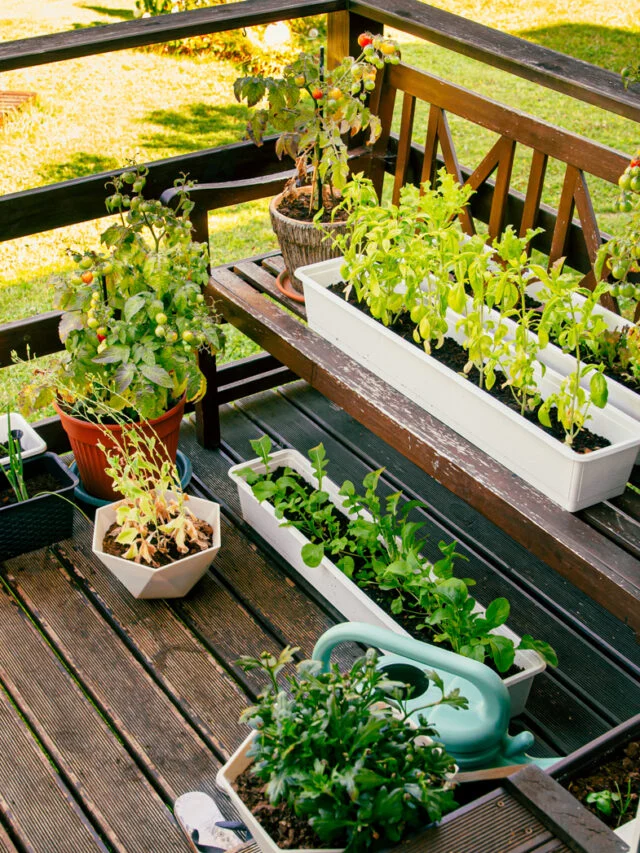
- Container Gardens: Ideal for smaller spaces or patios.
- Vertical Gardens: Use trellises or wall planters for climbing crops like beans or cucumbers.
- Companion Planting: Group plants that support each other—like tomatoes with basil, or lettuce under tall corn for shade.
Plan your garden according to how you cook. Think of your favorite vegetarian dishes—curries, stir-fries, salads, soups—and grow the vegetables and herbs that appear most often in your meals.
3. What to Grow: The Vegetarian’s Garden Essentials
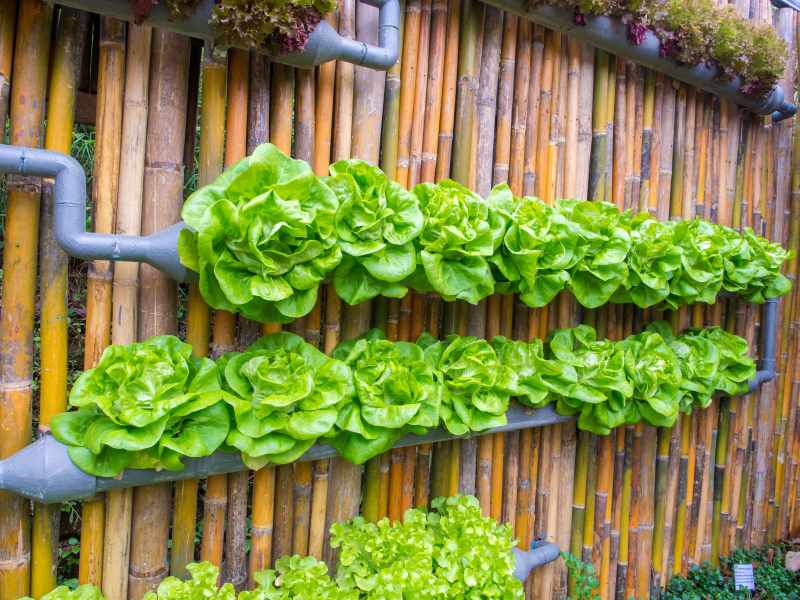
A vegetarian diet thrives on variety, color, and texture. Growing a mix of greens, root vegetables, legumes, and herbs ensures a balanced nutritional intake and endless meal options.
Leafy Greens
These fast-growing, nutrient-dense crops are perfect for salads, smoothies, and sautés:
- Spinach – rich in iron and calcium.
- Lettuce and Arugula – crisp and quick to grow.
- Kale and Swiss Chard – ideal for soups and stews.
Protein-Rich Crops
A vegetarian lifestyle requires reliable plant-based proteins:
- Beans and Lentils – grow bush or pole varieties for continuous harvests.
- Peas – easy to grow in cooler seasons and full of fiber.
- Soybeans (Edamame) – a powerhouse protein crop for snacking or stir-fries.
Root Vegetables
Hardy and versatile, they add substance to vegetarian meals:
- Carrots and Beets – for soups, stews, and salads.
- Radishes – grow quickly and can be pickled or roasted.
- Potatoes and Sweet Potatoes – excellent staples for hearty dishes.
Fruiting Vegetables
These colorful, vitamin-rich plants bring flavor and nutrition:
- Tomatoes – essential for sauces, soups, and sandwiches.
- Peppers – add spice and crunch.
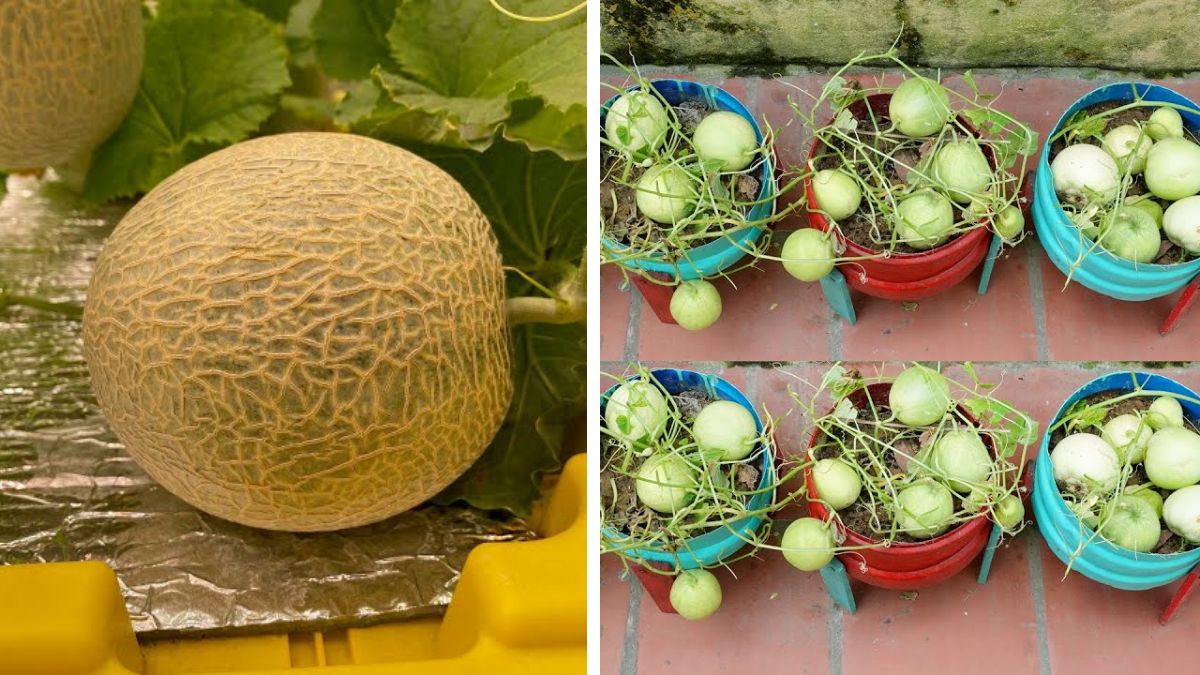
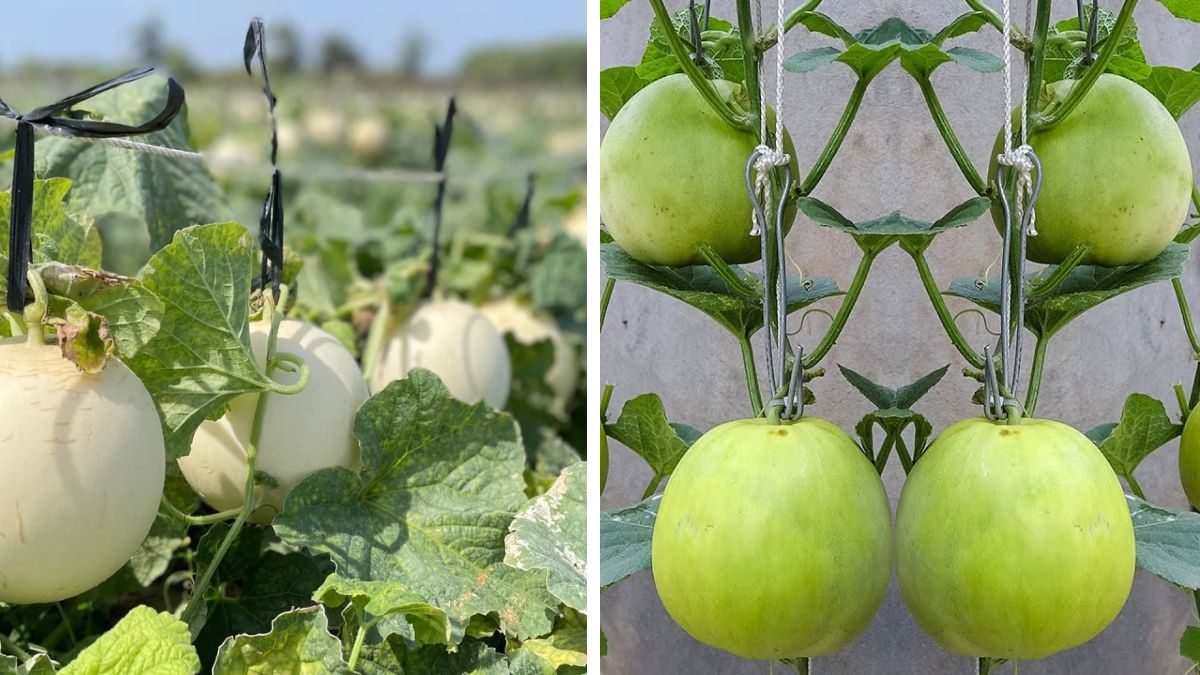
- Zucchini and Squash – abundant and versatile for grilling or baking.
- Cucumbers – refreshing additions to salads and pickles.
Herbs
Fresh herbs elevate vegetarian dishes with fragrance and taste:
- Basil – pairs beautifully with tomatoes and pasta.
- Cilantro and Parsley – for curries, dips, and garnishes.
- Thyme, Rosemary, and Oregano – perfect for roasted vegetables and soups.
A mix of annuals (tomatoes, beans) and perennials (chives, mint, rosemary) will keep your garden productive year after year.
4. Composting: The Heart of a Sustainable Garden
Vegetarianism encourages respect for the planet, and composting is one of the most effective ways to practice that philosophy. Composting turns kitchen waste—like fruit peels, vegetable scraps, and coffee grounds—into nutrient-rich fertilizer that feeds your plants naturally.
How to Start Composting:
- Choose a compost bin or dedicate a small area in your yard.
- Combine green materials (food scraps, grass clippings) with brown materials (dry leaves, cardboard).
- Keep it moist and turn it regularly to speed decomposition.
Within months, you’ll have dark, crumbly compost to mix into your garden beds—reducing waste while enriching your soil.
5. From Garden to Plate: Cooking Fresh Vegetarian Meals
A backyard garden transforms your cooking. Each harvest brings inspiration for fresh, plant-based recipes that are both nutritious and satisfying.
Simple Garden-Fresh Recipes
- Tomato and Basil Pasta: Toss homegrown tomatoes, garlic, and basil in olive oil for a vibrant meal.
- Veggie Stir-Fry: Combine bell peppers, beans, and zucchini with soy sauce and sesame for a quick dinner.
- Root Veggie Soup: Simmer carrots, potatoes, and herbs for a hearty, comforting bowl.
- Garden Salad: Mix lettuce, cucumbers, and cherry tomatoes with a lemon-herb dressing.
- Grilled Veggie Skewers: Thread peppers, zucchini, and mushrooms for smoky, summer flavor.
Cooking from your garden encourages seasonal eating—using what’s ripe and fresh instead of relying on processed or imported food. It also helps minimize food waste since you harvest only what you need.
6. Seasonal Gardening for Continuous Harvests
To keep your vegetarian meals diverse year-round, plan your garden for each season:
Spring
Plant fast-growing greens like spinach, lettuce, and peas. Start tomatoes, peppers, and herbs indoors for transplanting later.
Summer
This is the peak season for tomatoes, cucumbers, squash, and beans. Harvest regularly to encourage new growth.
Fall
Grow root vegetables like carrots and beets. Leafy greens thrive in cooler temperatures.
Winter
In mild climates, kale, broccoli, and garlic can survive the cold. Indoors, grow microgreens or herbs on sunny windowsills.
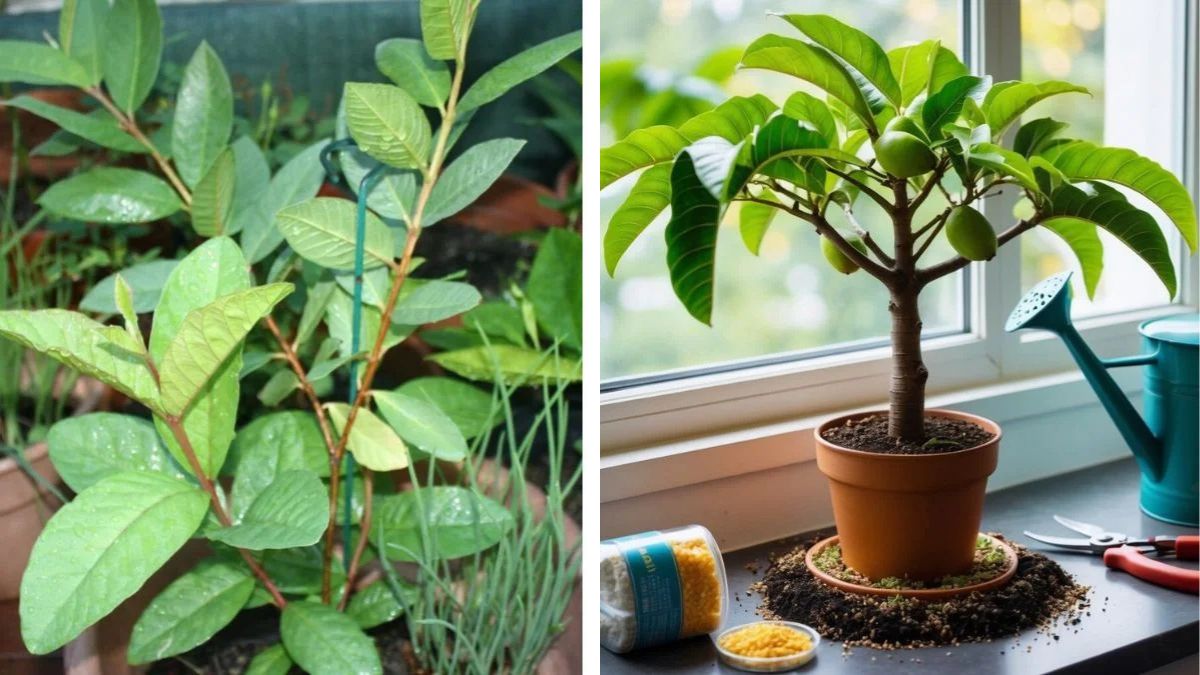
Seasonal gardening keeps your diet dynamic, colorful, and aligned with nature’s rhythm.
7. Sustainability Beyond the Garden
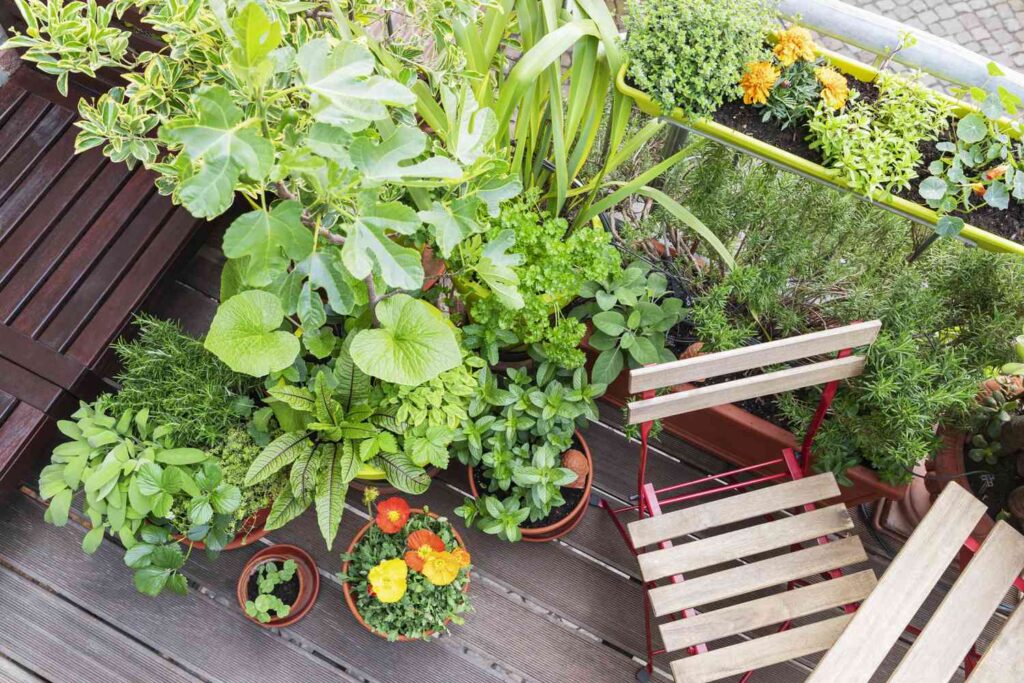
A vegetarian lifestyle and backyard gardening together foster an eco-conscious mindset. Here are ways to extend sustainability beyond your backyard:
- Collect rainwater for irrigation to conserve water.
- Avoid synthetic pesticides; use natural alternatives like neem oil or companion planting.
- Save seeds from your best plants for the next growing season.
- Reuse containers and garden tools to reduce plastic waste.
These practices create a cycle of renewal that mirrors the values of vegetarian living—gentle on the planet, nourishing to the self.
8. The Joy of Gardening for a Vegetarian Life
There’s something deeply fulfilling about walking into your backyard, harvesting fresh vegetables, and turning them into a wholesome meal. Every plant you nurture brings not only nutrition but also a sense of peace and gratitude.
Gardening teaches patience, care, and appreciation for life. For vegetarians, it’s an extension of their philosophy—living in harmony with nature and choosing compassion over consumption. It’s not just about food; it’s about reconnecting with the Earth and the cycles that sustain us.
Backyard gardening also strengthens community. Sharing your harvest with friends or neighbors spreads awareness about healthy eating and sustainable living. Each seed planted becomes part of a larger movement toward a more conscious world.
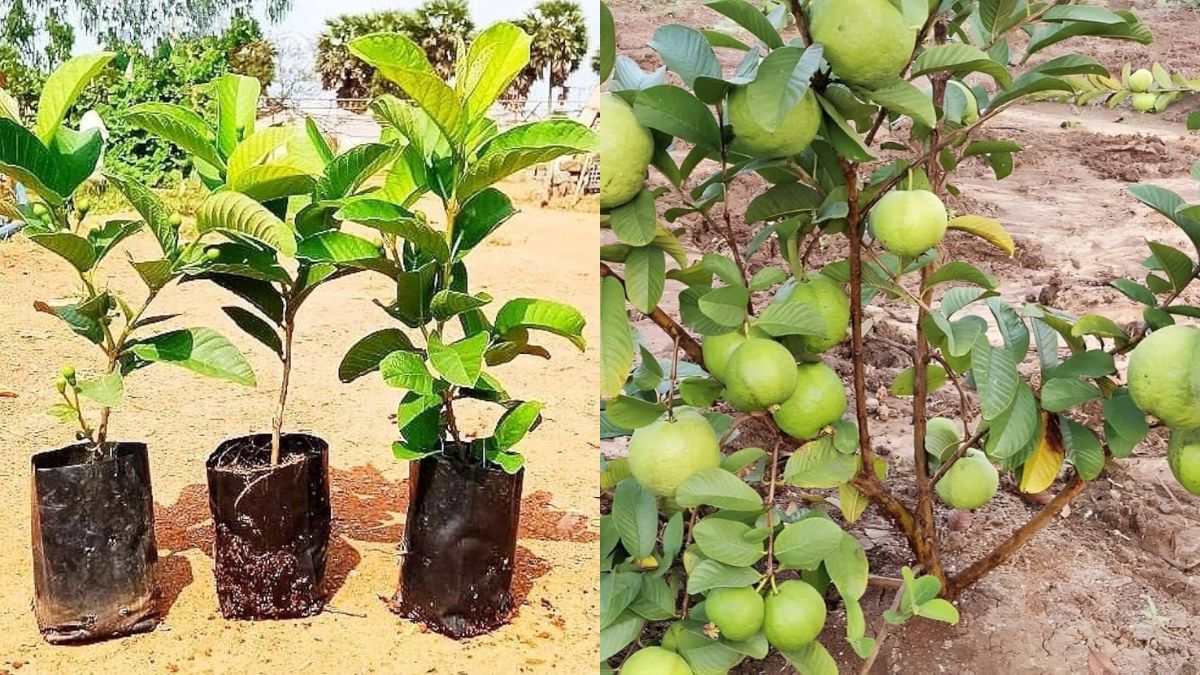
9. Final Thoughts: Cultivate Your Values, One Seed at a Time
A backyard garden is more than a food source—it’s a lifestyle companion for vegetarians. It brings the joy of growing your own food, the satisfaction of self-reliance, and the comfort of knowing that your meals are nourishing both your body and the planet.
No matter how small your space or how little experience you have, start with a few pots or raised beds. Grow what you love to eat, learn from your plants, and watch your garden—and your connection to nature—flourish.
By merging backyard gardening with a vegetarian lifestyle, you create a cycle of sustainability, wellness, and gratitude. Every meal becomes a celebration of life—grown by your hands, powered by the sun, and rooted in respect for the Earth.