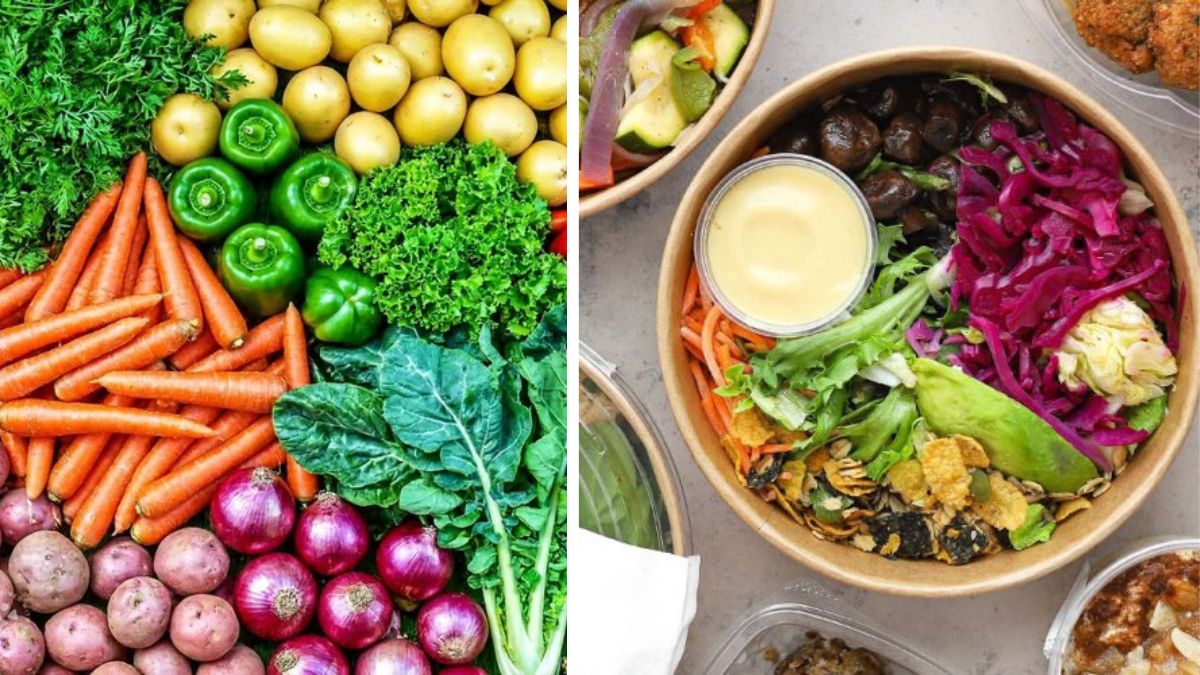
In an age when processed foods dominate grocery shelves and fast meals outpace slow cooking, there’s a growing movement to return to our roots — quite literally. Homegrown vegetables are redefining modern plant-based cooking, offering freshness, nutrition, and flavor that no packaged ingredient can match.
Plant-based diets have gained global popularity for promoting heart health, longevity, and sustainability. Yet, the true potential of a plant-based lifestyle emerges when the ingredients come straight from your garden. Homegrown vegetables bring unmatched freshness, chemical-free goodness, and superior nutrient value, turning everyday cooking into a holistic health practice.
This article explores the profound health benefits of homegrown veggies in plant-based cooking — how growing your own food enhances nutrition, sustainability, and emotional well-being, while transforming your relationship with what you eat.
Why Homegrown Matters: The Farm-to-Fork Advantage
Supermarket vegetables may look fresh, but their nutritional quality often diminishes by the time they reach your plate. Most commercial produce is harvested early, stored for days, and transported over long distances. During this process, vitamins such as C and B-complex degrade rapidly, and flavor compounds weaken.
Homegrown vegetables, on the other hand, travel mere seconds from garden to kitchen. You harvest them at their peak ripeness, ensuring the highest concentration of nutrients, enzymes, and natural sugars. The result? Food that not only tastes better but also nourishes you more deeply.
Here are key reasons why homegrown vegetables are superior:
- Maximum Freshness:
Vegetables lose up to 30–50% of vitamin C within a week of harvest. Picking produce minutes before cooking ensures the highest nutrient retention. - Chemical-Free Purity:
Growing your own means saying goodbye to synthetic pesticides, preservatives, and wax coatings — all of which can disrupt hormonal balance and gut health. - Richer in Antioxidants:
Studies show that organically grown vegetables often contain higher antioxidant levels, helping combat oxidative stress and inflammation. - Flavor and Aroma:
Freshly harvested herbs and vegetables possess stronger natural flavors, reducing the need for added salt, sugar, or fat in recipes.
Nutritional Power of Homegrown Vegetables
Every home garden can be a treasure chest of vitamins, minerals, and plant-based proteins. Let’s explore some common garden vegetables and the nutrients they provide for a balanced, plant-based diet:
- Spinach & Kale: Rich in iron, calcium, and magnesium — essential for bone and muscle health. Their chlorophyll content supports detoxification.
- Tomatoes: Loaded with lycopene, an antioxidant linked to heart health and reduced cancer risk. Cooking them enhances nutrient absorption.
- Carrots: High in beta-carotene, supporting eye health and skin vitality.
- Beans & Peas: Excellent sources of plant protein and fiber, aiding in digestion and muscle repair.
- Bell Peppers: Packed with vitamin C and carotenoids that strengthen immunity and reduce inflammation.
- Herbs (Basil, Mint, Coriander): Contain essential oils and phytonutrients that boost digestion, immunity, and mental clarity.
Growing these ingredients yourself allows you to cultivate a nutrient-dense, diverse diet — free from chemical residues and packed with vitality.
How Gardening Enhances the Nutritional Value of Food
Gardening doesn’t just produce food — it produces better food. When you control soil health, water quality, and growing conditions, you directly influence the nutrient profile of your harvest.
- Soil Quality: Home gardeners can enrich soil with compost and organic matter, creating a living ecosystem teeming with beneficial microbes. These microbes help plants absorb nutrients more effectively, leading to higher vitamin and mineral content.
- Timing the Harvest: Picking vegetables when fully mature ensures they’ve absorbed maximum nutrients from the soil.
- Biodiversity: Home gardens often include a mix of vegetables, herbs, and flowers, which promotes pollination and natural pest control, reducing the need for synthetic inputs.
This natural approach preserves nutrient density while enhancing flavor and freshness — the foundation of healthy, plant-based cooking.
Homegrown Veggies and the Plant-Based Diet
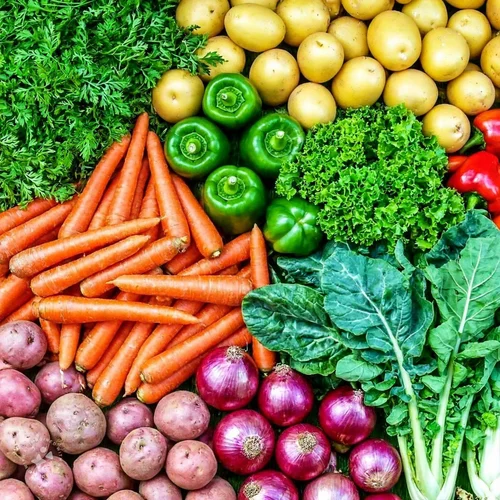
A plant-based diet focuses on whole, minimally processed foods derived from plants — including vegetables, fruits, grains, legumes, nuts, and seeds. Integrating homegrown produce into this diet makes it more wholesome, flavorful, and sustainable.
1. Supports Weight Management:
Fresh vegetables are low in calories but rich in fiber, keeping you full for longer and reducing overeating. Leafy greens, cucumbers, and tomatoes from your garden can form the base of filling salads and smoothies.
2. Improves Gut Health:
Fiber-rich vegetables like beans, carrots, and leafy greens feed beneficial gut bacteria. This supports digestion, reduces bloating, and enhances nutrient absorption.
3. Boosts Immunity:
Homegrown produce retains more vitamin C, zinc, and antioxidants — all vital for a strong immune system.
4. Reduces Chronic Disease Risk:
Plant-based diets rich in homegrown vegetables help regulate cholesterol, blood pressure, and blood sugar levels, reducing the risk of cardiovascular disease, obesity, and type 2 diabetes.
5. Enhances Emotional Well-Being:
The act of gardening itself reduces stress hormones and promotes relaxation. When combined with a nutrient-rich plant-based diet, it creates a powerful synergy for both mental and physical health.
From Garden to Plate: Culinary Creativity
Cooking with homegrown vegetables encourages you to experiment and eat more variety — a key aspect of balanced nutrition. Here are a few ways to incorporate your harvest into plant-based meals:
- Morning Smoothie Bowls: Blend spinach, kale, banana, and mint for a refreshing green breakfast.
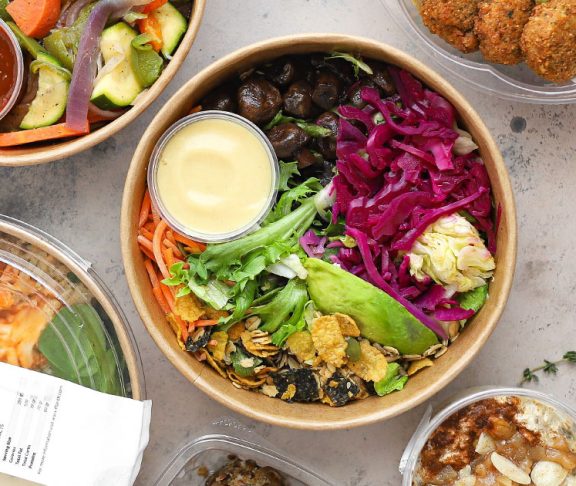
- Salad Bowls: Mix lettuce, cherry tomatoes, cucumbers, and bell peppers topped with homemade vinaigrette.
- Hearty Soups: Combine garden carrots, peas, and herbs for a comforting, nutrient-packed soup.
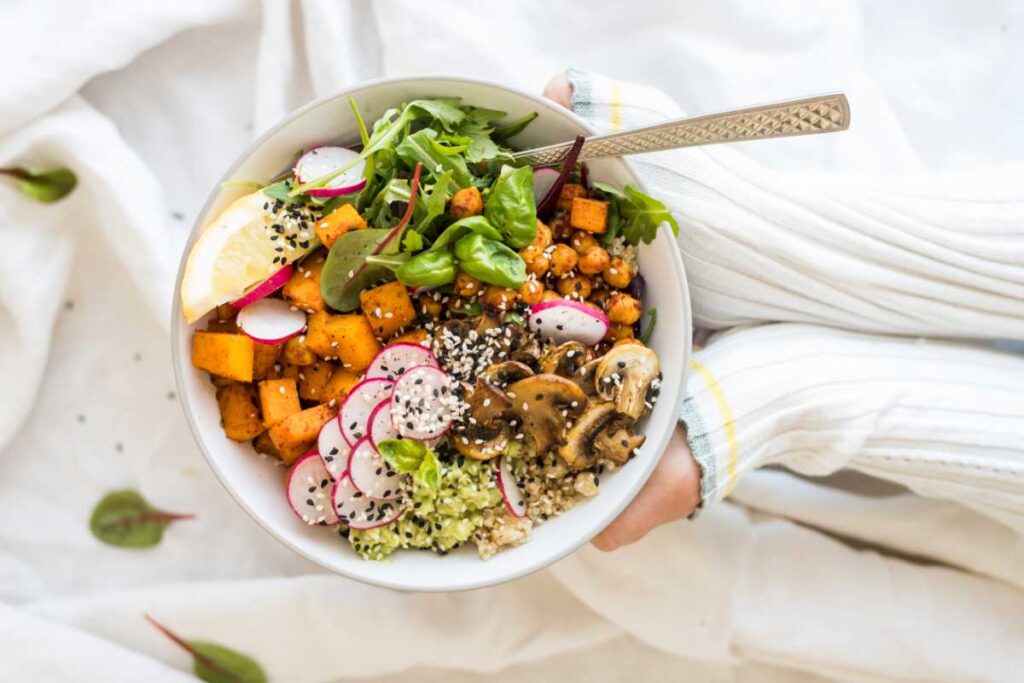
- Grain Bowls: Pair quinoa or brown rice with sautéed homegrown veggies and fresh herbs.
- Herbal Infusions: Brew fresh basil or mint leaves for digestion-boosting herbal teas.
Every meal becomes a creative expression of freshness — packed with flavor, texture, and nourishment.
Sustainability and Environmental Health
Growing your own vegetables is not only good for you — it’s good for the planet.
- Reduced Carbon Footprint: Localized food eliminates transport emissions and packaging waste.
- Water Conservation: Using rainwater and mulching helps maintain soil moisture naturally.
- Biodiversity: Home gardens attract pollinators like bees and butterflies, supporting local ecosystems.
- Waste Reduction: Composting kitchen scraps turns waste into nutrient-rich soil.
By cultivating your food, you actively participate in restoring ecological balance while promoting sustainable food systems.
The Emotional and Mental Benefits of Gardening
The health benefits of homegrown vegetables go beyond nutrition — they extend to your emotional well-being. Gardening acts as a form of mindful therapy, allowing you to slow down, breathe deeply, and connect with nature’s rhythms.
- Stress Reduction: Studies show that tending plants lowers cortisol (stress hormone) levels.
- Physical Activity: Gardening involves natural movement, improving flexibility and stamina.
- Mindfulness and Satisfaction: Watching a seed sprout and grow cultivates patience, gratitude, and a sense of accomplishment.
- Community Connection: Sharing seeds, produce, or gardening tips fosters social bonds and collective well-being.
In essence, growing food nurtures the gardener just as much as the garden itself.
Building a Balanced, Homegrown Plate
A truly healthy plant-based diet combines color, diversity, and creativity. Your garden provides this naturally:
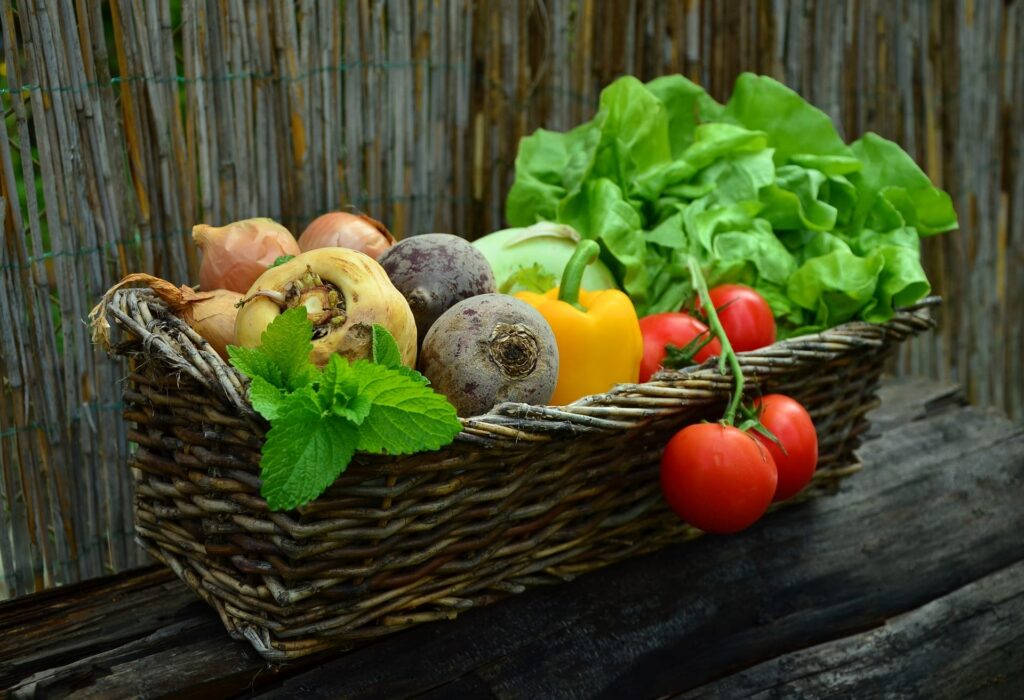
- Green (Detox & Energy): Spinach, kale, coriander
- Red (Heart Health): Tomatoes, red peppers, beets
- Orange (Eye & Skin Health): Carrots, pumpkin, sweet potatoes
- Purple (Antioxidants): Eggplant, purple cabbage, beans
- White (Immunity): Onions, garlic, cauliflower
Eating “the rainbow” from your garden ensures you receive a wide spectrum of nutrients essential for vitality.
Conclusion: Growing Health, One Meal at a Time
Homegrown vegetables redefine plant-based cooking by bridging the gap between nutrition, sustainability, and mindfulness. They nourish the body with pure, living nutrients and feed the spirit through the joy of cultivation.
When you harvest a tomato you’ve nurtured from seed or pick basil from your balcony for pasta, you participate in a timeless cycle — seed to soil, soil to plate, plate to health. This connection transforms cooking from routine to ritual, reminding us that health begins in the garden.
Incorporating homegrown vegetables into your plant-based meals means embracing freshness, creativity, and sustainability in one act. It’s a return to simplicity, a step toward wellness, and a commitment to living in harmony with the Earth.
So dig your hands into the soil, plant a few seeds, and watch your garden — and your health — flourish side by side. The more you grow, the more you glow — naturally, deliciously, and healthfully. 🌱