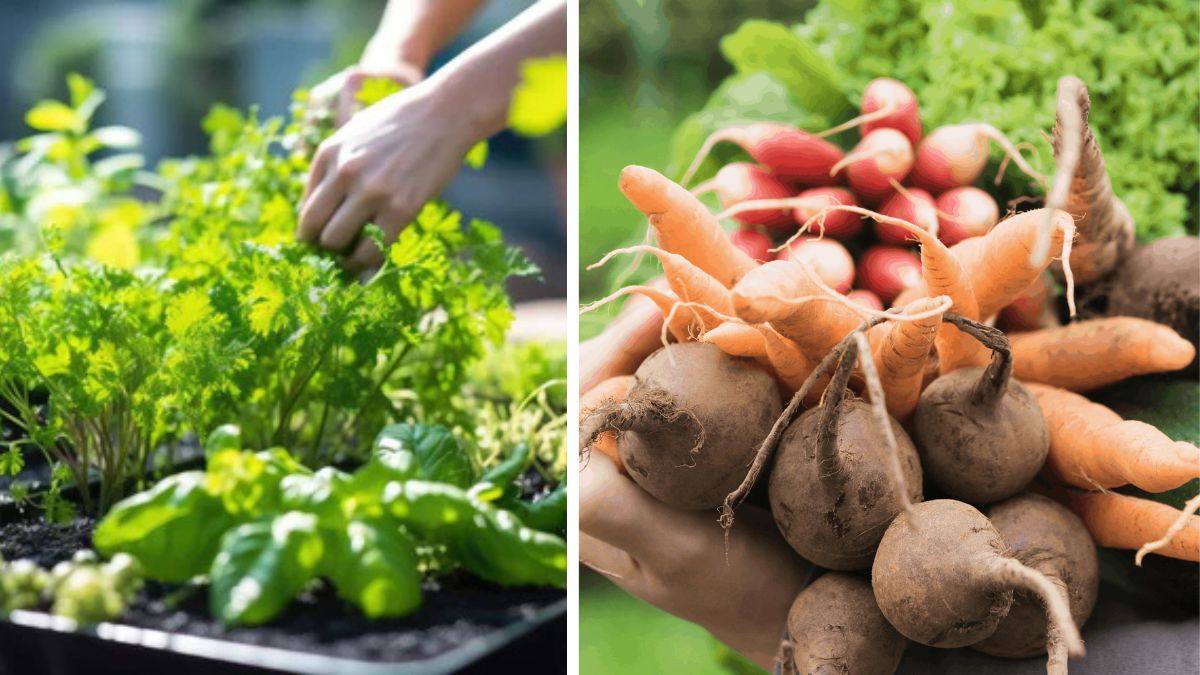
In today’s fast-paced world, many of us rely heavily on store-bought vegetables and pre-packaged foods. But there’s a simple, sustainable, and deeply satisfying alternative right outside your kitchen door — a kitchen garden. Starting your own kitchen garden means growing the food you eat most often — from leafy greens and herbs to vibrant tomatoes and crunchy peppers — all within reach.
A kitchen garden not only fills your plate with nutritious, chemical-free produce but also nurtures your connection with nature. Whether you have a spacious backyard or just a sunny balcony, cultivating your own fresh vegetables transforms your daily meals, boosts your health, and gives a sense of accomplishment that supermarket shopping never can.
Let’s explore how to start your kitchen garden, what to plant, and how it can power your journey toward nutritious, veggie-rich meals every day.
Why Grow Your Own Vegetables?
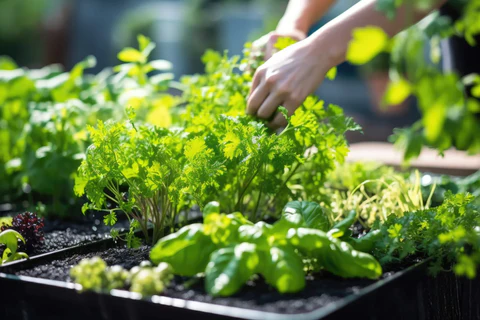
Growing your own food is more than a hobby — it’s a lifestyle shift that supports wellness, sustainability, and mindfulness. Here are a few compelling reasons to start your kitchen garden:

- Nutritional Benefits:
Homegrown vegetables are fresher and richer in nutrients compared to store-bought ones that lose vitamins during transport and storage. Leafy greens like spinach and kale, for instance, begin losing vitamin C within hours after harvest — so picking them from your own garden ensures maximum nutrition. - Chemical-Free Eating:
When you grow at home, you control what goes into your food. No harmful pesticides, synthetic fertilizers, or preservatives — just wholesome, natural produce. - Cost-Effective:
A packet of seeds costs less than a single trip to the grocery store but can yield months of harvest. Herbs like basil or mint can be grown year-round, saving money and reducing waste. - Sustainability:
A kitchen garden reduces your carbon footprint by cutting down on packaging waste and transportation emissions. - Mental Well-Being:
Gardening is therapeutic. Studies show it reduces stress, enhances mood, and fosters mindfulness — making it good for both your plate and your peace of mind.
Step 1: Planning Your Kitchen Garden
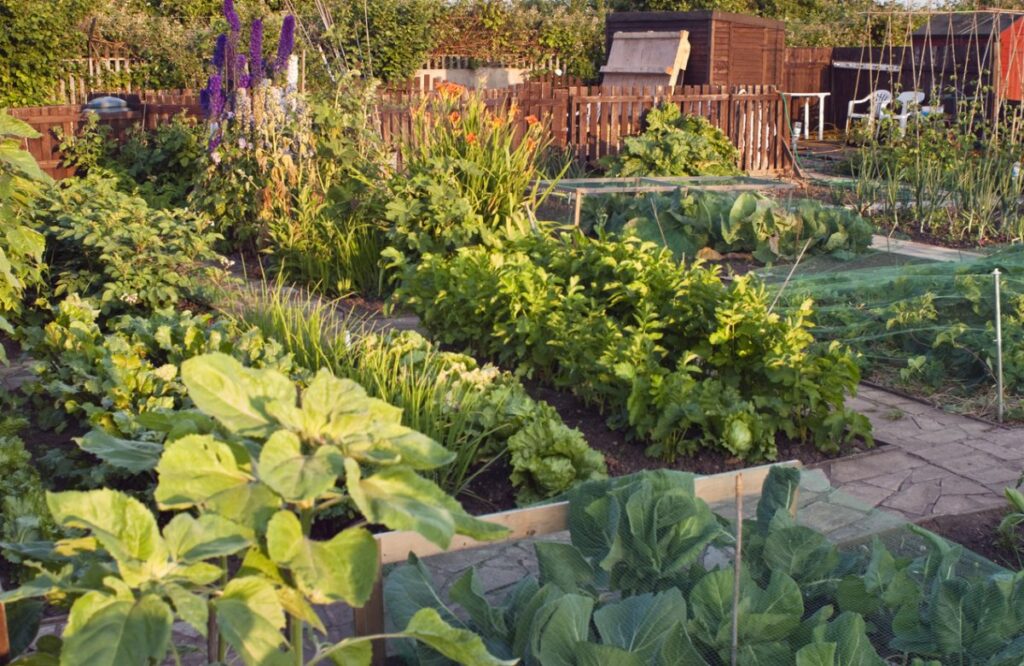
Before you get your hands dirty, a bit of planning goes a long way.
- Choose the Right Spot:
Most vegetables need at least 4–6 hours of sunlight daily. Choose a location that receives plenty of direct sunlight — a balcony, terrace, or sunny windowsill can work perfectly. - Consider Your Space:
- Small Spaces: Opt for vertical gardening using wall planters, railing pots, or hanging baskets.
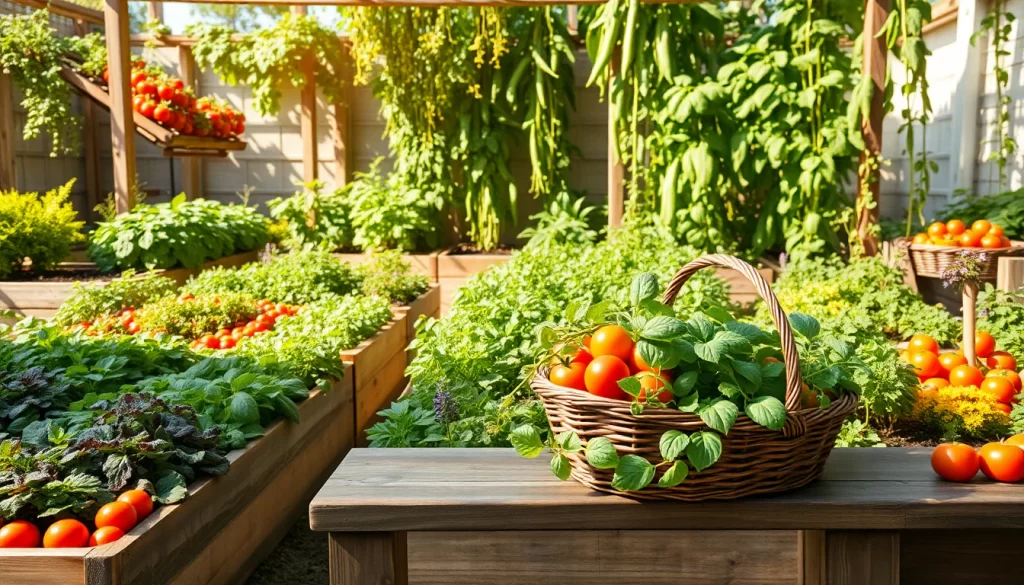
- Larger Yards: Use raised beds or ground plots to grow a mix of leafy and root vegetables.
- Decide What to Grow:
Start with vegetables and herbs you use frequently in your cooking. This ensures nothing goes to waste and keeps your kitchen stocked with the essentials. - Get the Right Tools:
Basic tools like a hand trowel, pruning shears, watering can, gloves, and compost are enough for beginners.
Step 2: Preparing the Soil
Healthy soil is the foundation of a thriving garden.
- Soil Composition:
Most vegetables grow best in loamy, well-drained soil rich in organic matter. You can mix garden soil, compost, and coco peat in equal parts for a balanced texture. - Composting:
Homemade compost made from kitchen scraps (vegetable peels, coffee grounds, eggshells) is an excellent, natural fertilizer. It enhances soil fertility and structure while reducing household waste. - Drainage:
Ensure your pots or beds have proper drainage holes to prevent root rot.
Step 3: Choosing Easy-to-Grow Vegetables
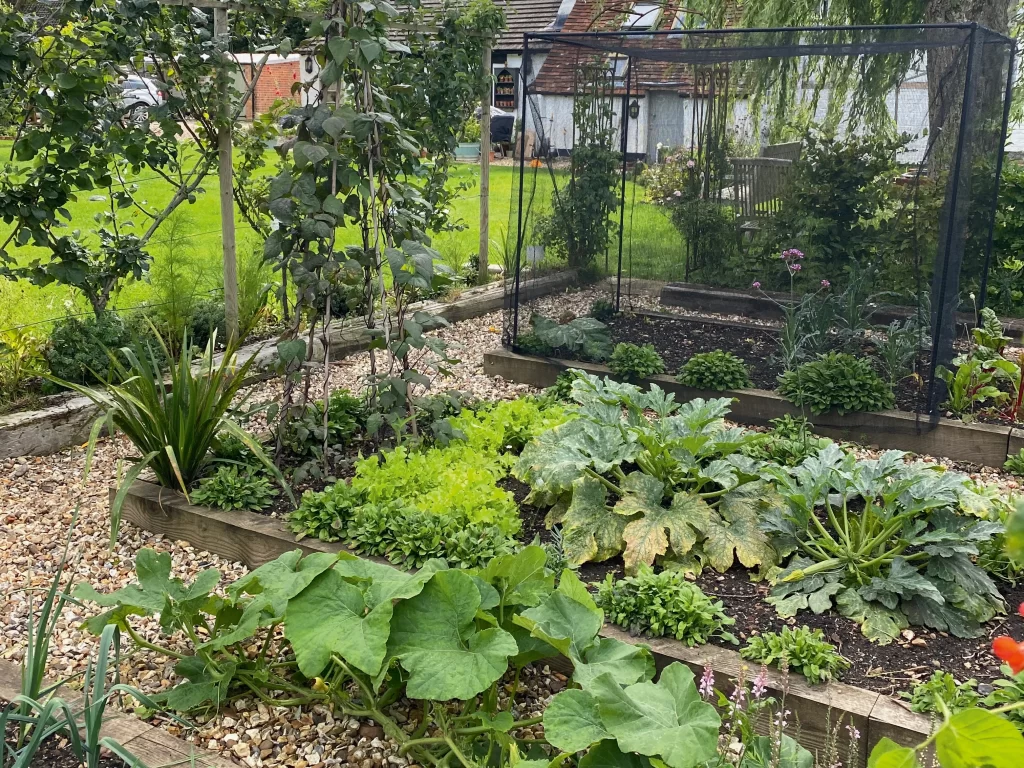
Starting with low-maintenance plants helps you learn the basics without feeling overwhelmed. Here are some ideal choices:
Leafy Greens:
- Spinach: Fast-growing and nutrient-dense, perfect for smoothies, curries, or stir-fries.
- Lettuce: Grows quickly and can be harvested leaf-by-leaf for continuous yield.
- Fenugreek (Methi): Great for Indian dishes, grows easily in shallow containers.
Root Vegetables:
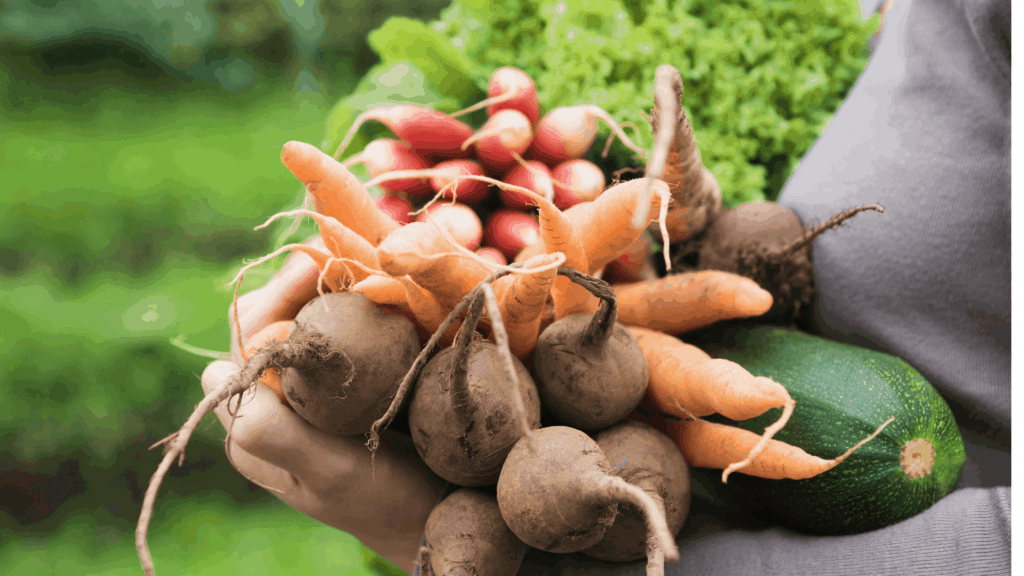
- Radish: Quick to mature (within 3–4 weeks).
- Carrots: Need loose soil and consistent watering.
Fruiting Vegetables:
- Tomatoes: A kitchen staple that thrives in warm, sunny conditions.
- Chilies: Compact plants with long harvest seasons.
- Cucumbers: Ideal for summer salads and refreshing snacks.
Herbs:
- Coriander: Adds freshness to any dish.
- Basil: Great for Italian and fusion cooking.
- Mint: Refreshing and easy to grow in partial shade.
These crops not only enrich your diet but also inspire creative, veggie-forward meal ideas right from your backyard.
Step 4: Watering and Sunlight Management
Consistent watering is crucial — but overwatering is one of the most common beginner mistakes.
- Water Early in the Morning: This allows plants to absorb moisture before the day heats up.
- Mulch: Cover the soil with dry leaves or straw to retain moisture and prevent weeds.
- Monitor Sunlight: Rotate pots occasionally so every plant gets balanced exposure.
Remember, different vegetables have different needs — leafy greens prefer moist soil, while herbs like rosemary and thyme prefer drier conditions.
Step 5: Organic Care and Pest Control
You don’t need harsh chemicals to keep your plants healthy. Natural remedies are safer and effective.
- Neem Oil Spray: Acts as a natural insect repellent.
- Soap Water Mix: Keeps aphids and mealybugs under control.
- Companion Planting: Some plants deter pests naturally — for instance, basil protects tomatoes from harmful insects, and marigolds repel nematodes.
Regular inspection and timely pruning also keep plants healthy and productive.
Step 6: Harvesting and Using Your Produce
The most rewarding part of gardening is harvest time!
- Harvest Frequently: Picking vegetables regularly encourages plants to produce more.
- Store Smartly: Use breathable containers or cloth bags to keep vegetables fresh longer.
- Cook Fresh: Incorporate your homegrown produce into everyday meals for maximum flavor and nutrition.
Creating Nutritious Veggie Meals from Your Garden
A kitchen garden transforms the way you cook and eat. Here are a few ideas to make the most of your harvest:
- Morning Smoothie Greens: Fresh spinach, mint, and kale blended with fruit make an energizing breakfast.
- Garden Stir-Fries: Mix bell peppers, carrots, and beans with tofu or paneer for a quick, protein-packed meal.
- Salad Bowls: Combine lettuce, cucumber, and cherry tomatoes with olive oil and lemon for a light lunch.
- Herb-Rich Soups: Basil, coriander, and parsley add depth and freshness to homemade soups.
- Homegrown Wraps and Rolls: Use lettuce leaves or spinach tortillas stuffed with sautéed veggies.
Cooking from your garden makes every dish more colorful, flavorful, and nutrient-dense — perfect for maintaining a balanced diet.
Step 7: Seasonal Gardening
Adapting to seasons ensures year-round harvests.
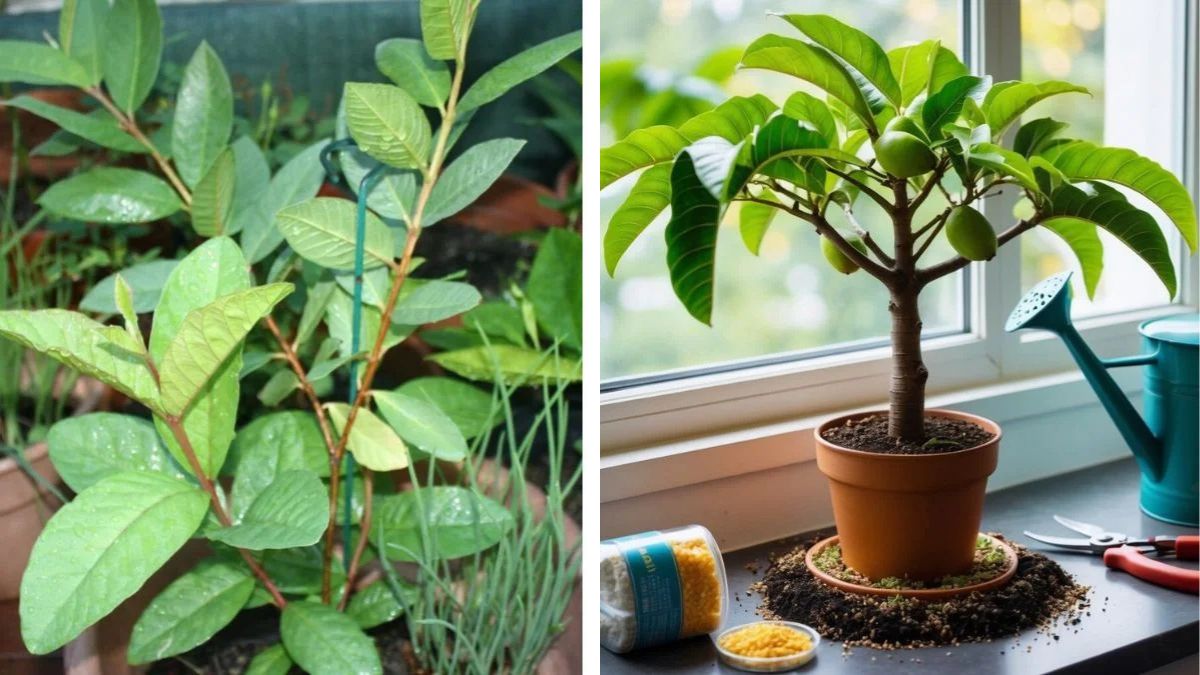
- Summer Crops: Tomatoes, cucumbers, okra, and chilies thrive in heat.
- Winter Crops: Spinach, carrots, peas, and cabbage prefer cooler temperatures.
- Monsoon Crops: Leafy greens, gourds, and herbs grow well in moist conditions.
Planning your garden seasonally keeps your meals varied and your garden productive.
Sustainability Tips for Long-Term Success
- Save Seeds: Collect seeds from your best plants for next season.
- Rotate Crops: Prevents nutrient depletion and reduces disease risk.
- Use Rainwater: Installing a small rainwater collection system helps conserve water.
- Compost Continuously: Feed your soil with organic matter regularly.
A well-managed kitchen garden becomes self-sustaining over time — providing food, compost, and seeds in a natural cycle.
Conclusion: From Garden to Table
Starting a kitchen garden isn’t just about growing food — it’s about cultivating health, sustainability, and joy. Each seed you plant grows into more than a vegetable; it becomes a step toward independence, nutrition, and mindfulness.
Imagine stepping outside your kitchen, picking crisp greens and fragrant herbs, and preparing a wholesome meal within minutes — no packaging, no chemicals, just pure, fresh goodness. Whether you live in an apartment or a house with a backyard, you can start small and grow big.
Your kitchen garden will nourish your body, delight your senses, and remind you daily that good food begins right at home — in your hands, your soil, and your care.