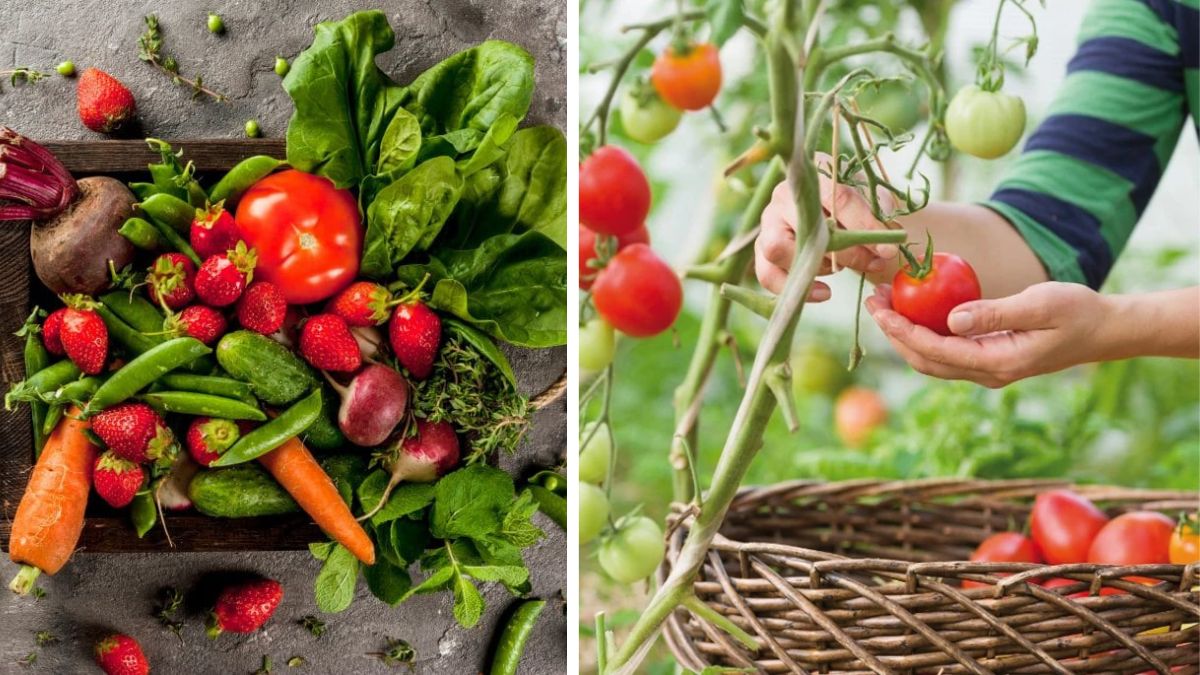
In a world that’s constantly rushing, filled with deadlines, screens, and packaged convenience, many of us are seeking balance — a way to nourish both body and mind naturally. The answer might be closer than we think: right in our backyard, on our balcony, or even on a sunny windowsill.
“Grow and Glow” isn’t just a catchy phrase — it’s a philosophy of wellness rooted in nature. Growing your own plant-based foods not only provides access to fresher, more nutritious produce but also cultivates a deeper sense of peace, purpose, and vitality. When you nurture a garden, it nurtures you in return.
This article explores how cultivating your own garden can ignite your plant-based wellness journey, enhance physical health, improve mental clarity, and reconnect you with the earth — helping you truly grow and glow from within.
The Connection Between Gardening and Wellness
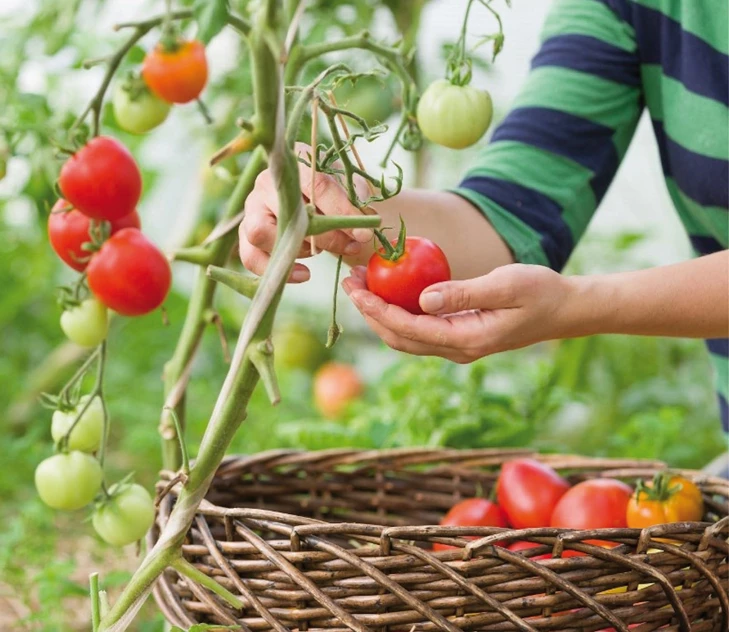
Wellness isn’t limited to diet or fitness — it’s a holistic balance of physical nourishment, emotional stability, and mental calm. Gardening is one of the few activities that naturally brings all these dimensions together.
When you grow your own vegetables, herbs, and fruits, you engage in a lifestyle that:
- Feeds your body with nutrient-rich, chemical-free food.
- Calms your mind through contact with nature and mindful activity.
- Elevates your mood by providing purpose and creative satisfaction.
Every seed you plant represents a small step toward better health — a tangible, living reminder that wellness begins with what you grow, cook, and consume.

The Science of Growing and Glowing
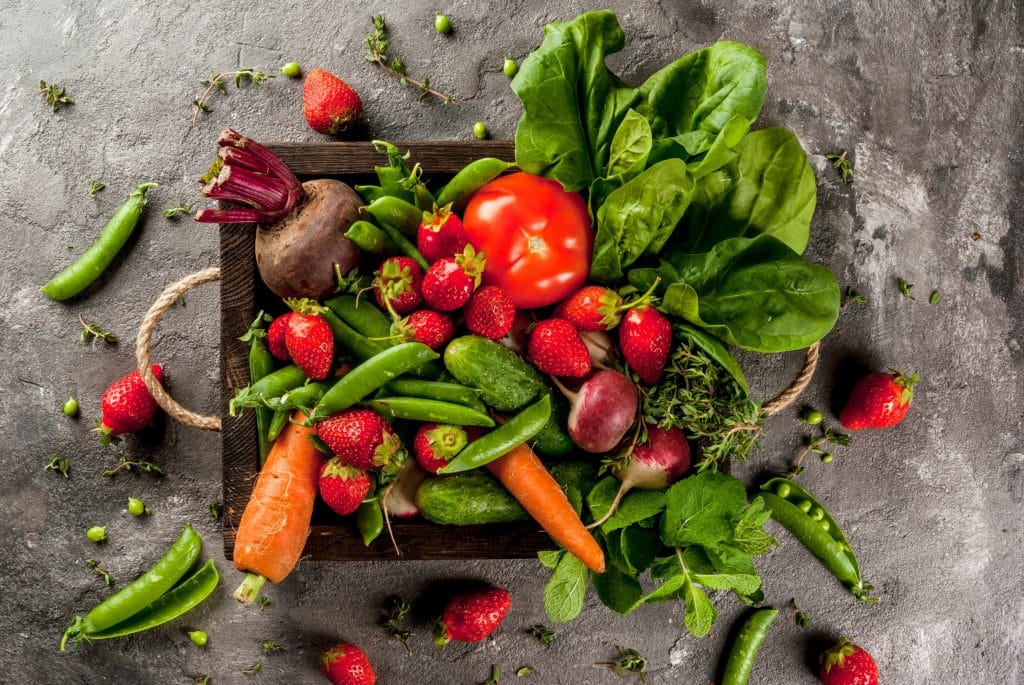
Modern research supports what gardeners have known for centuries — that working with plants is inherently therapeutic. Studies reveal that spending just 30 minutes gardening can lower cortisol levels, reduce anxiety, and increase serotonin — the hormone linked to happiness.
At the same time, the nutritional superiority of homegrown produce contributes directly to physical wellness:
- Higher Nutrient Retention: Vegetables start losing vitamins soon after harvest. Homegrown ones, eaten fresh, retain their full complement of vitamins A, C, K, and B-complex.
- Chemical-Free Living: When you skip pesticides and fertilizers, you avoid toxins that disrupt digestion and hormones.
- Antioxidant Power: Organically grown veggies often contain more antioxidants — compounds that slow aging and reduce inflammation.
In essence, gardening feeds your body with nutrients and your mind with calm — creating the foundation of what true wellness feels like.
Step 1: Starting Your Garden for Wellness
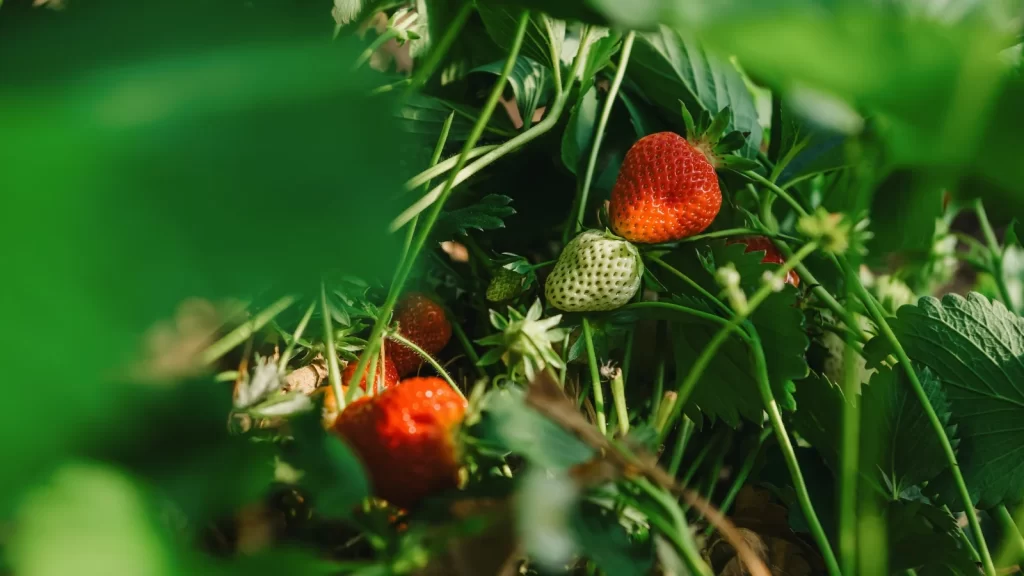
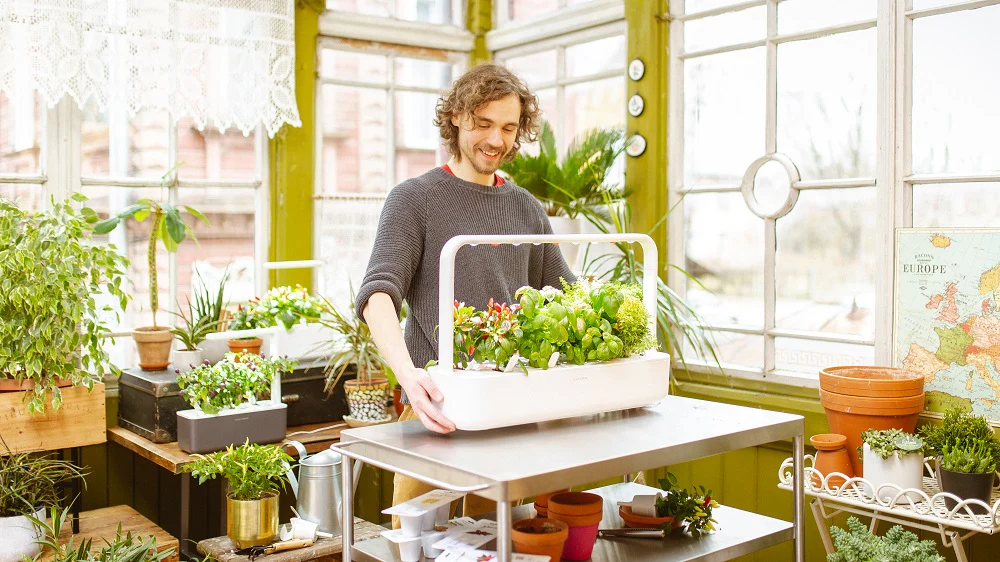
No matter your space — a backyard, terrace, or kitchen window — you can start growing your way to better health.
1. Choose the Right Space
Find a sunny area that receives at least 5–6 hours of sunlight daily. Even a few pots on a balcony or a vertical garden can yield abundant greens.
2. Begin with Wellness Crops
Focus on vegetables and herbs that support physical health and plant-based nutrition:
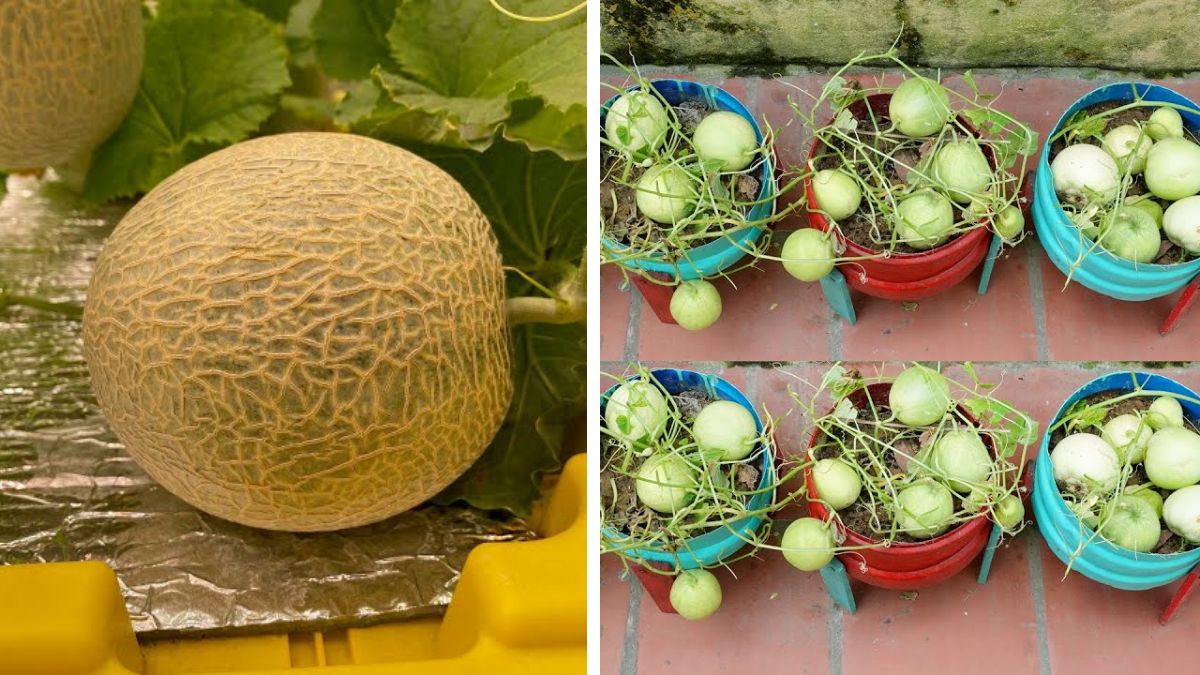
- Leafy Greens (Spinach, Kale, Fenugreek): Packed with iron, calcium, and detoxifying chlorophyll.
- Tomatoes and Peppers: High in antioxidants like lycopene and vitamin C for glowing skin and strong immunity.
- Carrots and Beets: Support heart health and natural energy levels.
- Herbs (Basil, Mint, Turmeric, Coriander): Add healing properties and flavor without calories.
3. Enrich Your Soil Naturally
Mix equal parts of garden soil, compost, and coco peat. This ensures nutrients, moisture, and airflow. Homemade compost from fruit peels and veggie scraps enriches soil without chemicals.
4. Water and Sunlight Balance
Water early in the morning to prevent evaporation. Most vegetables prefer slightly moist but not soggy soil. Rotate pots weekly to ensure even sunlight.
Step 2: Cultivating Mindful Nutrition
A key aspect of plant-based wellness is mindful eating — knowing where your food comes from, how it’s grown, and how it nourishes you. When you grow your own, mindfulness becomes second nature.
- You eat seasonally: Fresh, in-season produce supports your body’s natural rhythms.
- You eat consciously: Knowing the effort that goes into each leaf makes you waste less and appreciate more.
- You eat nutrient-rich: Freshly picked veggies retain their flavor and nutrition better than store-bought ones.
From crisp lettuce salads to herb-infused soups, every dish becomes a celebration of freshness and gratitude — the essence of mindful wellness.
Step 3: The Health Benefits of Homegrown Produce
Homegrown vegetables and herbs do more than fill your plate — they transform your health from the inside out.
1. Boosts Immunity
Fresh greens, herbs, and colorful veggies are rich in immune-supporting compounds. Spinach provides iron and magnesium, while tomatoes and peppers deliver vitamin C to ward off infections.
2. Enhances Skin and Hair Health
Your “glow” starts with your diet. Carrots, beets, and kale are loaded with beta-carotene, which converts to vitamin A — essential for clear skin. Antioxidants in herbs like basil and mint fight free radicals, giving you that natural radiance.
3. Supports Digestive Wellness
Leafy greens and fiber-rich vegetables like beans and peas promote gut health. A healthy gut not only aids digestion but also boosts mood and immunity.
4. Reduces Chronic Disease Risk
Plant-based diets rich in homegrown produce can reduce the risk of obesity, diabetes, and heart disease by lowering bad cholesterol and stabilizing blood sugar.
5. Strengthens Mental Health
Gardening has been shown to reduce symptoms of anxiety and depression. It provides physical activity, exposure to sunlight (vitamin D), and a sense of achievement — all key for emotional balance.
Step 4: Transforming Garden Harvests into Wellness Meals
Cooking with your own produce turns nutrition into art. Here are a few ideas to incorporate garden-fresh ingredients into a plant-based wellness routine:
- Morning Glow Smoothie: Blend homegrown spinach, banana, mint, and a squeeze of lemon for a refreshing, detoxifying drink.
- Green Buddha Bowl: Combine quinoa, kale, roasted carrots, and avocado topped with coriander-lime dressing.
- Herbal Soups: Use basil, coriander, or parsley to enhance flavor and healing properties.
- Fresh Veggie Wraps: Wrap lettuce leaves around grated beets, cucumbers, and chickpeas for a crunchy, low-calorie snack.
- Infused Water: Add basil or mint leaves to water for a hydrating, antioxidant-rich beverage.
Each meal becomes not just fuel but self-care — a sensory experience connecting your effort, nourishment, and joy.
Step 5: The Emotional Wellness of Gardening
Beyond nutrition, the act of gardening itself contributes immensely to overall well-being.
- Stress Relief: Digging, planting, and watering act as meditative practices that quiet the mind.
- Sense of Purpose: Watching plants grow provides daily motivation and satisfaction.
- Connection with Nature: In a digital world, tending to living things restores balance and mindfulness.
- Community Building: Sharing seeds, recipes, or harvests strengthens bonds with neighbors and family.
When you spend time with your garden, you slow down — and that stillness helps you reconnect with yourself. Your garden becomes your therapy, your sanctuary, and your teacher.
Step 6: Sustainability and the Cycle of Life
True wellness extends beyond personal health to include the planet’s well-being. A home garden promotes sustainability in many ways:
- Reduces Waste: Composting turns scraps into soil nutrients.
- Conserves Resources: Growing food locally cuts down transport emissions and packaging waste.
- Encourages Biodiversity: Herbs and flowers attract pollinators like bees and butterflies.
- Teaches Respect for Nature: You learn patience, gratitude, and the importance of balance in every ecosystem.
By aligning your personal wellness with environmental care, your “glow” radiates outward — nourishing both yourself and the earth.
Step 7: Building a Lifestyle Around Growth
Plant-based wellness is not a quick fix; it’s a lifestyle of growth and gratitude. Start small — with herbs on your kitchen windowsill or a few pots of leafy greens. As your confidence grows, so will your garden and your sense of well-being.
Consider keeping a “garden-to-table journal” — noting planting dates, harvest times, and new recipes you try. Over time, you’ll not only see your plants thrive but also witness your own transformation — healthier, calmer, and more in tune with nature.
Conclusion: Your Glow Begins in the Garden
“Grow and Glow” is more than a wellness trend — it’s a timeless truth. When you plant a seed, you plant the foundation of nourishment, mindfulness, and vitality. Each harvest becomes a reflection of your care and connection with the earth.
By growing your own vegetables and herbs, you infuse your meals with freshness and your life with purpose. You eat cleaner, live greener, and feel lighter — not just in body but in spirit.
Wellness doesn’t begin in a supplement bottle or a gym routine; it begins in the soil beneath your fingertips. When you nurture life, life nurtures you back — helping you grow stronger, live kinder, and glow brighter every day.
So grab a pot, sprinkle some seeds, and step into your garden. Your journey to radiant health starts right there — one leaf, one breath, one moment at a time. 🌿