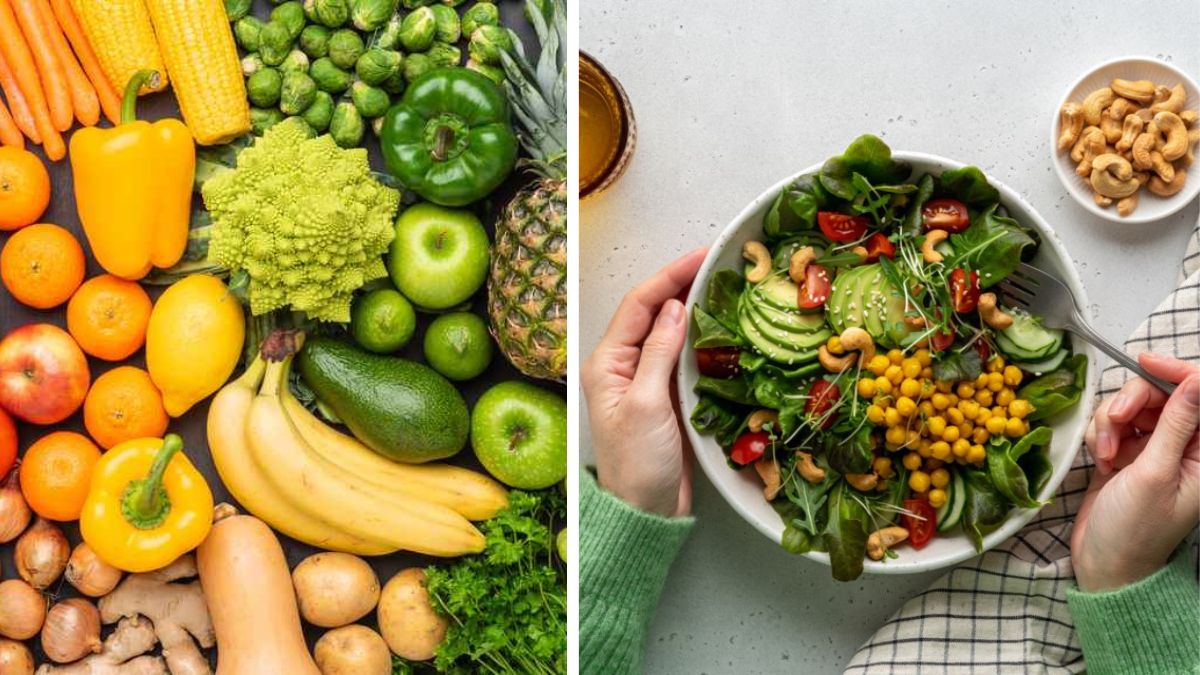
In the quest for a healthier lifestyle, many people turn to vegetarian diets for their proven benefits — from boosting heart health and improving digestion to reducing environmental impact. Yet, the true power of a vegetarian diet shines when you grow your own ingredients. Cultivating vegetables, fruits, and herbs at home gives you control over freshness, nutrition, and purity — and connects you directly with the source of your food.
By growing your own vegetarian ingredients, you not only fill your plate with nutrient-dense, chemical-free produce but also gain a deeper appreciation for what you eat. It’s a step toward sustainable living, mindful eating, and personal well-being — all rooted in the soil beneath your feet.
This article explores the health benefits, practical steps, and rewarding experiences of growing your own vegetarian ingredients, turning every meal into a fresh, homegrown celebration of health.
The Health Connection: Why Homegrown Ingredients Matter
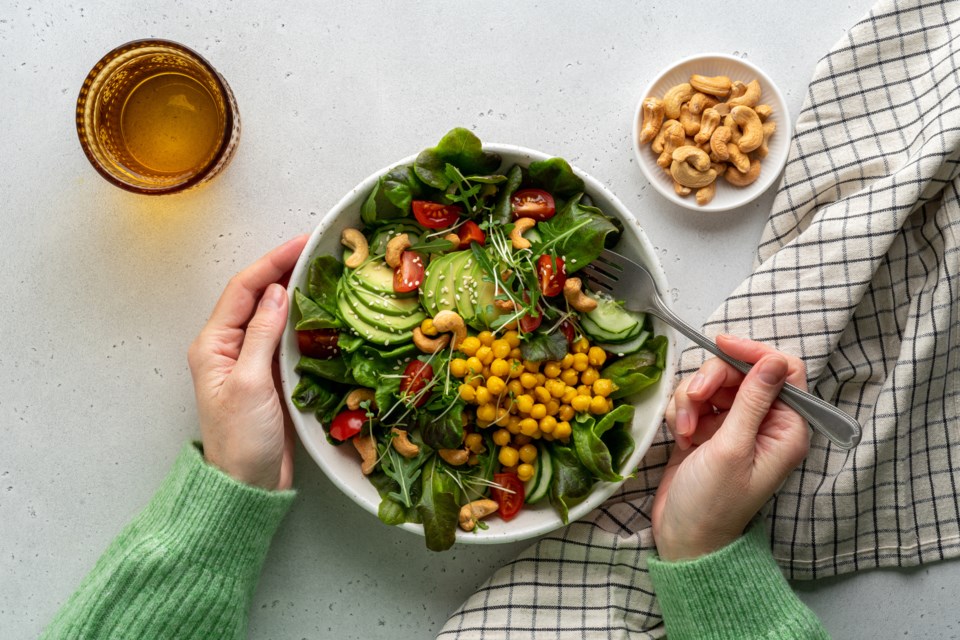
Store-bought vegetables often travel hundreds of miles before they reach your kitchen. During this time, their nutrient content — especially vitamins like C and B — gradually diminishes. Additionally, many are treated with preservatives and waxes to prolong shelf life.
Homegrown vegetables, on the other hand, are harvested at peak ripeness, meaning they’re packed with nutrients, enzymes, and antioxidants. You also avoid exposure to synthetic pesticides or fertilizers, keeping your food truly natural.
Here’s how growing your own vegetarian ingredients supports your health:
- Higher Nutrient Density:
Freshly harvested greens and vegetables retain more vitamins, minerals, and phytonutrients. For instance, homegrown spinach contains more iron and folate compared to older, transported produce. - Chemical-Free Living:
By using organic compost and natural pest control, you ensure your meals are free from harmful residues that can affect gut health and hormones. - Boosted Immunity and Digestion:
Fresh produce is rich in dietary fiber, which supports digestion, and antioxidants, which strengthen the immune system. - Mindful Eating Habits:
When you grow your food, you naturally appreciate it more. You eat seasonally, waste less, and savor every bite — all vital aspects of a healthy diet.
Step 1: Planning Your Homegrown Pantry
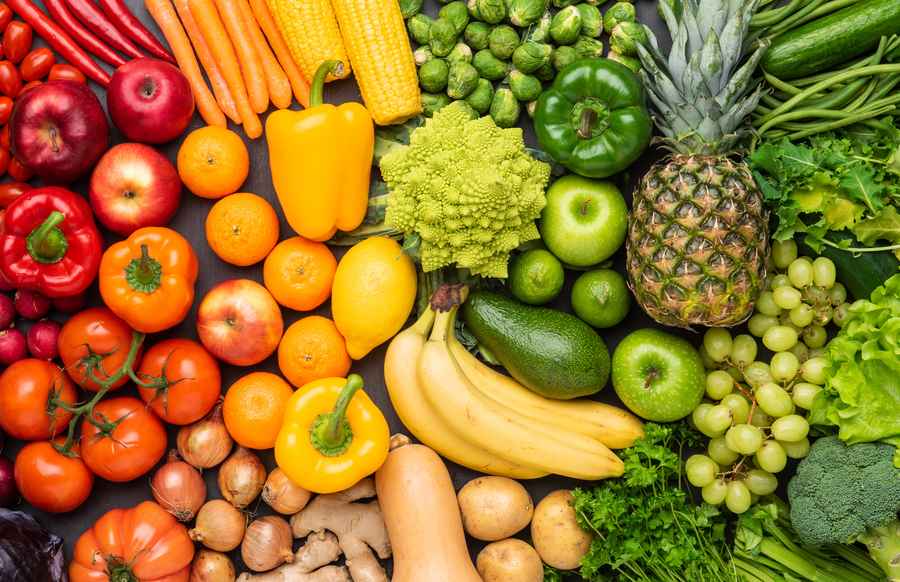
The first step to growing your own vegetarian ingredients is planning a garden that fits your space, lifestyle, and diet.
- Assess Your Space:
- Balcony or Terrace Garden: Ideal for container growing. Use vertical stands, railing pots, or hanging baskets for herbs and leafy greens.
- Backyard or Ground Space: Perfect for larger vegetables and root crops like carrots, beets, and potatoes.
- Decide What to Grow:
Think about what you eat most often. For vegetarian meals, the essentials include:- Leafy Greens: Spinach, lettuce, kale, and fenugreek.
- Fruiting Veggies: Tomatoes, bell peppers, cucumbers, and brinjals.
- Roots and Tubers: Carrots, radishes, onions, and sweet potatoes.
- Herbs: Coriander, mint, basil, oregano, and parsley for flavor and freshness.
- Get the Right Supplies:
You’ll need pots or grow bags, organic soil mix, compost, gardening tools, and seeds. Choose non-GMO and heirloom seeds for better yield and taste.
Step 2: Preparing Healthy Soil for Healthy Food
Healthy soil means healthy plants — and, ultimately, a healthier you.
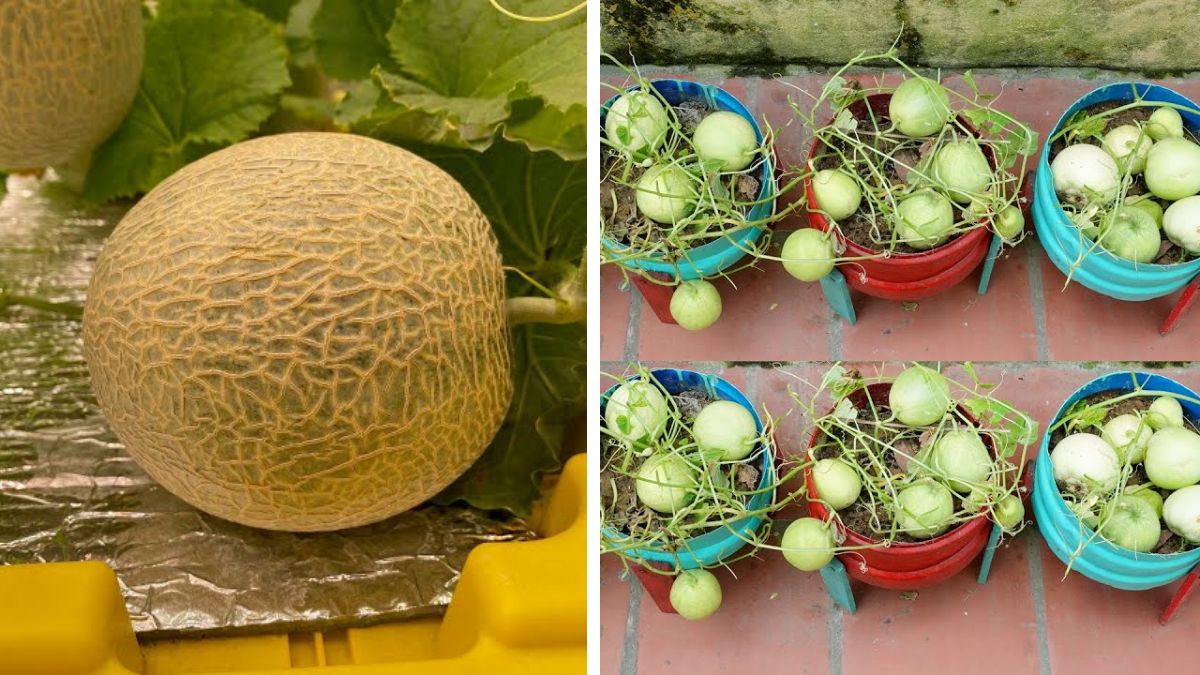
- Soil Composition: Mix garden soil, compost, and coco peat (or sand) in equal parts. This ensures moisture retention, drainage, and aeration.
- Composting: Start your own compost using kitchen scraps like fruit peels, coffee grounds, and eggshells. This reduces waste and creates a natural fertilizer full of nutrients.
- Microbial Balance: Add a handful of cow dung or vermicompost to promote beneficial soil microbes that enhance nutrient absorption in plants.
A thriving soil ecosystem feeds your plants with the minerals and vitamins that eventually nourish your body.
Step 3: Growing Easy and Nutritious Vegetarian Ingredients
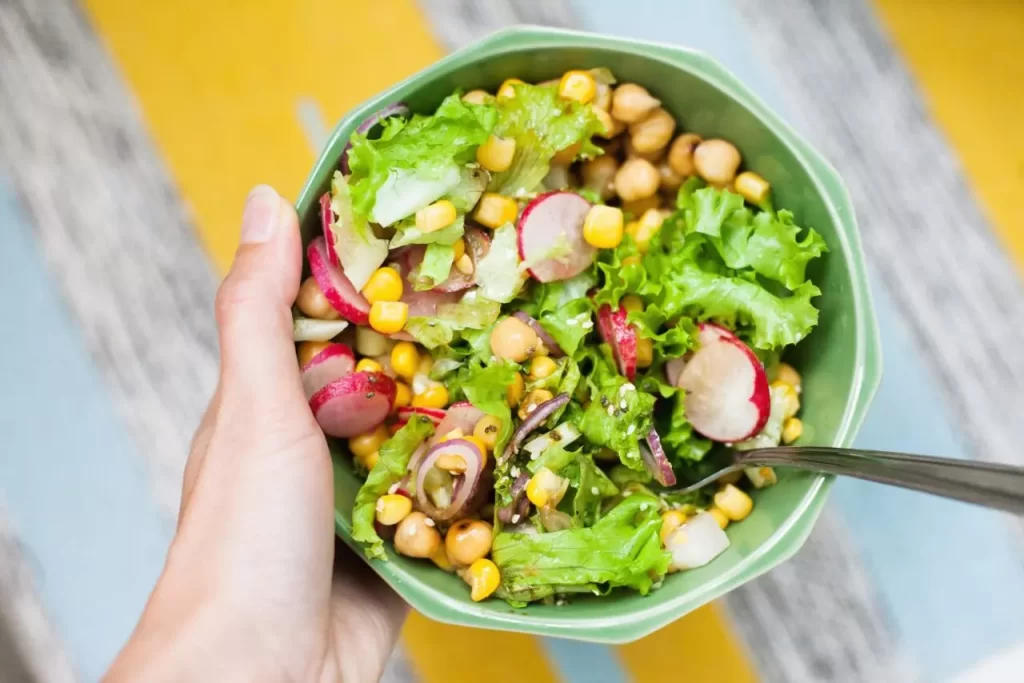
If you’re new to gardening, start with easy-to-grow vegetables that offer maximum nutrition and versatility in cooking.
1. Spinach (Palak):
- Why Grow It: A powerhouse of iron, calcium, and fiber.
- How to Grow: Sow seeds in moist, well-drained soil. Harvest young leaves for continuous growth.
- How to Eat: Add to smoothies, curries, stir-fries, or soups for instant nutrition.
2. Tomatoes:
- Why Grow It: Packed with lycopene, a powerful antioxidant.
- How to Grow: Needs plenty of sunlight. Water regularly and provide support with stakes or trellises.
- How to Eat: Use in sauces, salads, or roasted dishes.
3. Carrots:
- Why Grow It: Rich in beta-carotene and Vitamin A for healthy eyes and skin.
- How to Grow: Sow directly in loose soil; avoid compact soil for straight roots.
- How to Eat: Eat raw, juiced, or roasted with herbs.
4. Mint and Basil:
- Why Grow It: Herbs that aid digestion, enhance flavor, and provide antioxidants.
- How to Grow: Easy to grow in pots; keep them in partial sunlight.
- How to Eat: Add to chutneys, teas, salads, or pasta.
5. Beans and Peas:
- Why Grow It: Excellent vegetarian source of plant protein and fiber.
- How to Grow: Support with stakes or trellis; pick regularly to encourage new pods.
- How to Eat: Use in curries, stews, or as salad toppings.
Step 4: Nurturing Your Plants Organically
Your garden will thrive with simple, consistent care:
- Watering: Water early in the morning. Keep soil moist but not waterlogged.
- Sunlight: Most veggies need at least 6 hours of sunlight daily. Rotate pots for balanced exposure.
- Pest Control: Use neem oil spray or soap water to repel pests naturally. Plant marigolds nearby to keep insects away.
- Mulching: Cover soil with dried leaves or straw to retain moisture and reduce weeds.
By nurturing your plants naturally, you create food that nourishes you in the purest form — free from chemicals and full of life.
Step 5: Harvesting and Cooking Fresh
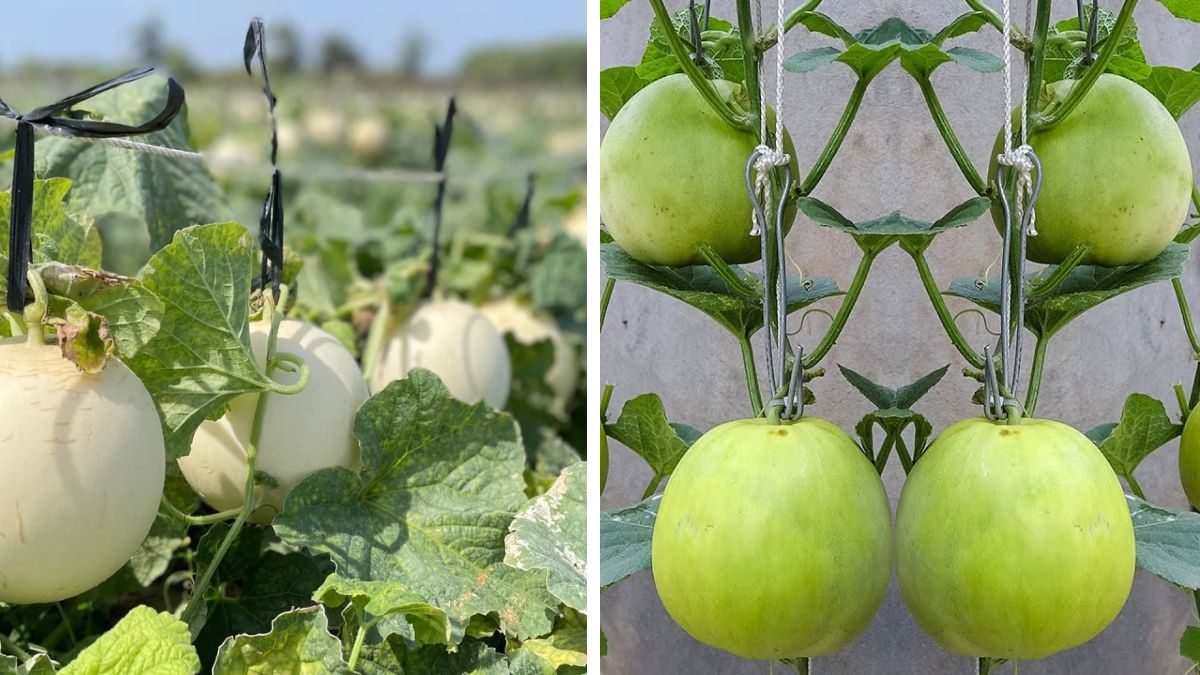
The joy of harvesting your own produce is unmatched. The vibrant colors, fresh fragrance, and crisp texture bring new energy to your kitchen.
- Harvest Timing:
- Pick greens early in the morning when they’re most hydrated.
- Harvest fruiting veggies like tomatoes or bell peppers when they’re firm and colorful.
- Cooking Tips:
- Use gentle cooking methods like steaming or sautéing to preserve nutrients.
- Incorporate fresh herbs at the end of cooking for the best aroma and taste.
- Create weekly meal plans that highlight your harvest — soups, salads, veggie wraps, or one-pot dishes.
- Storage:
Keep harvested produce in breathable containers or cloth bags in a cool, dry place. Avoid plastic wraps that trap moisture.
Eating Healthier with Your Homegrown Harvest
Your garden offers endless possibilities for wholesome, vegetarian meals:
- Morning Smoothie Bowls: Use spinach, mint, and bananas for a green start.
- Garden Salads: Combine lettuce, cucumbers, tomatoes, and herbs with olive oil and lemon.
- Hearty Veggie Curries: Mix homegrown beans, carrots, and peas for a protein-rich meal.
- Homemade Soups: A blend of herbs, tomatoes, and seasonal vegetables makes a comforting dinner.
- Herb-Infused Teas: Fresh mint or basil teas aid digestion and relaxation.
Eating what you grow transforms your diet naturally — fewer processed foods, more fiber, vitamins, and plant-based goodness.
Step 6: Sustainability and Self-Reliance
A home garden is not only about health — it’s about self-sufficiency and respect for the planet.
- Reduce Food Waste: Harvest what you need and compost leftovers.
- Save Seeds: Collect seeds from your best plants for next season.
- Crop Rotation: Change what you grow each season to maintain soil fertility.
- Use Rainwater: Collect and use rainwater for sustainable irrigation.
Each step contributes to a circular, eco-friendly food system that benefits your body and the Earth.
Emotional and Mental Health Benefits
Beyond nutrition, gardening provides a deep sense of peace and purpose. Digging, planting, and nurturing plants reduces stress, increases mindfulness, and brings daily joy. It’s nature’s therapy — where every leaf and flower reflects your care and patience.
Spending time outdoors also improves vitamin D levels, supports mental clarity, and encourages gentle physical activity — all important aspects of a healthy lifestyle.
Conclusion: A Healthier You, Rooted in Your Garden
Growing your own vegetarian ingredients is one of the most powerful choices you can make for your health, your wallet, and the environment. Each seed you plant becomes a promise — of freshness, nourishment, and a cleaner way of living.
Imagine preparing a meal with vibrant greens, juicy tomatoes, and fragrant herbs you grew yourself. Every bite tastes of effort, care, and nature’s abundance. In that simple act, you’re not just eating — you’re living healthier, more sustainably, and more joyfully.
You don’t need acres of land to begin — just curiosity, a few pots, and a handful of seeds. Start small, nurture daily, and watch your garden — and your health — flourish together.
Your body will thank you, your meals will glow with freshness, and your heart will feel the quiet satisfaction of knowing: the healthiest food you’ll ever eat is the one you grow yourself. 🌱