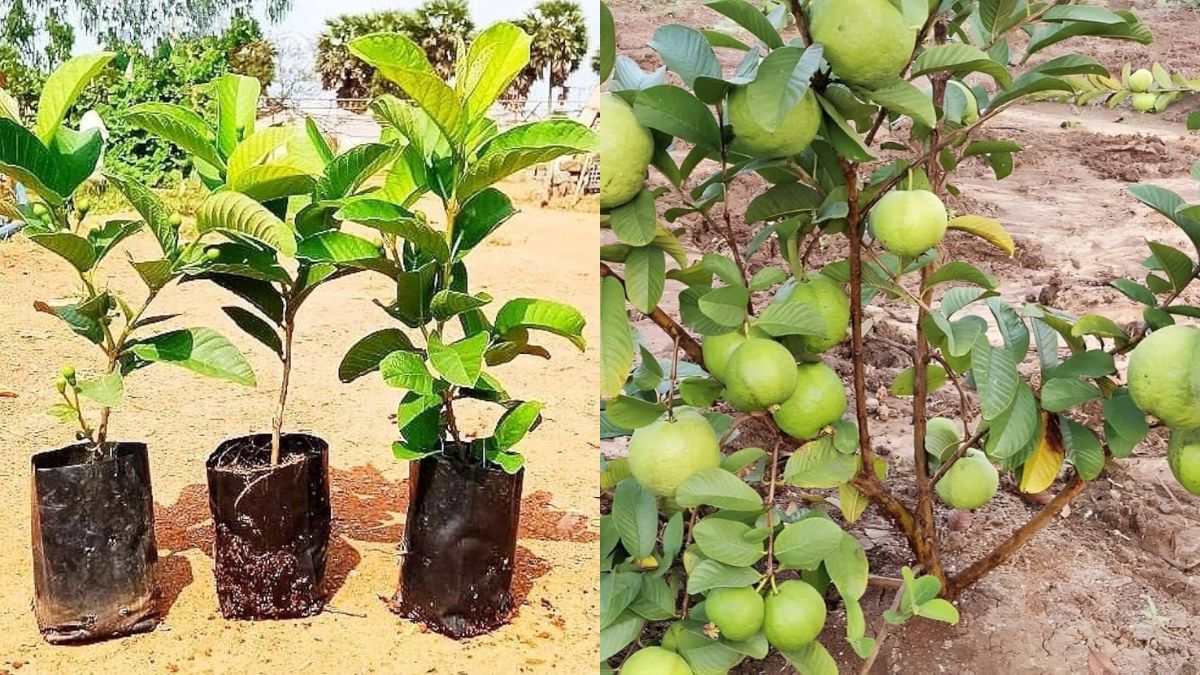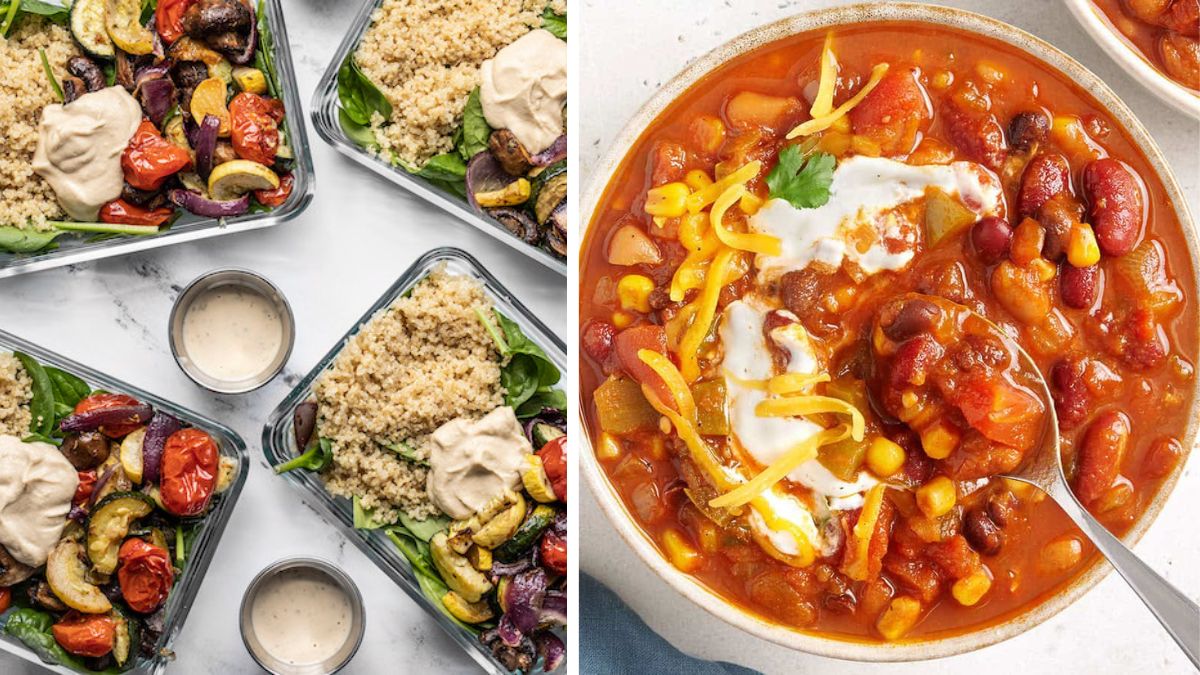
Imagine opening your fridge to see rows of vibrant, prepped meals—all made with ingredients you grew yourself. From crisp greens and juicy tomatoes to fragrant herbs and colorful root vegetables, a homegrown meal prep system not only saves time but also boosts your nutrition and connection to your food. Growing your own ingredients means you control what goes into your body: no pesticides, no long-distance shipping—just pure, fresh flavor from your garden to your plate.
This article will show you how to grow, harvest, and prep your own vegetables for easy, healthy vegetarian meals, turning your backyard (or even a balcony) into a personal produce aisle.
1. Why Homegrown Meal Prep Makes Sense
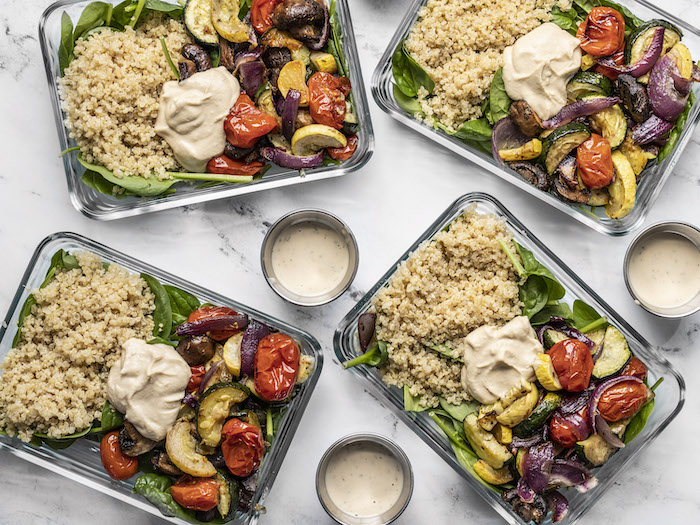
Meal prep is all about convenience, balance, and consistency—but when you combine it with home gardening, it becomes a full-circle wellness routine. Here’s why:
- Freshness = Flavor. Homegrown veggies are picked at peak ripeness, giving you richer taste and better nutrition.
- Saves Money. Once your garden is established, you’ll spend less on weekly groceries.
- Zero Waste. You harvest only what you need, and compost the rest—sustainable and smart.
- Health Boost. You’ll naturally eat more fiber, vitamins, and minerals when fresh veggies are always available.
- Satisfaction. There’s pride and peace in cooking with ingredients you grew with your own hands.
Homegrown meal prep isn’t just about saving time—it’s about cultivating a lifestyle of wellness and self-reliance.
2. Planning a Garden for Meal Prep Success
To make your garden truly work for meal prep, think about what you cook most often and plan your crops around those dishes. Choose versatile vegetables that can be used in salads, stir-fries, soups, and grain bowls.
Garden Planning Tips:
- Choose fast growers like lettuce, spinach, and radishes for continuous harvests.
- Mix long-term crops (like tomatoes or peppers) with quick ones for a steady supply.
- Dedicate sections of your garden to “meal categories” — leafy greens, roots, herbs, and fruits.
- Plant successively every 2–3 weeks to avoid harvest overloads and ensure fresh produce all season.
Even small gardens or balcony containers can yield a surprising amount when properly planned.
3. The Best Homegrown Ingredients for Meal Prep

A good veggie meal prep routine needs color, nutrition, and variety. Here are the top homegrown heroes for every category of your weekly meals:
A. Leafy Greens: The Meal Prep Foundation
Greens are the base for salads, wraps, and bowls. They grow quickly and can be harvested repeatedly.
- Lettuce: Perfect for salads and wraps; grows fast and stays tender.
- Spinach: Ideal for smoothies, sautés, and pasta dishes.
- Kale: A nutrient powerhouse; great for roasted chips or hearty salads.
- Swiss Chard: Adds color and mild flavor to stir-fries and grain bowls.
- Arugula: Peppery and bright, pairs well with citrus or grains.
Tip: Harvest outer leaves regularly to keep plants producing new growth.
B. Colorful Veggies: Add Crunch, Sweetness, and Variety
These vegetables bring flavor and visual appeal to meal-prepped lunches and dinners.
- Tomatoes: Use fresh in salads or roast and store for sauces. Cherry varieties are perfect for snacking or tossing into bowls.
- Bell Peppers: Slice raw for wraps, or roast them for pasta and burrito bowls.
- Cucumbers: Crisp and hydrating—great for salads or homemade pickles.
- Carrots: Perfect for snacking, roasting, or spiralizing into veggie noodles.
- Zucchini: Shred into fritters or slice for grilling and stir-fries.
- Beets: Roast for earthy sweetness and use in salads or grain bowls.
Tip: Roast a big tray of mixed vegetables on Sunday—they’ll keep for 4–5 days and work in multiple meals.
C. Protein-Rich Garden Crops
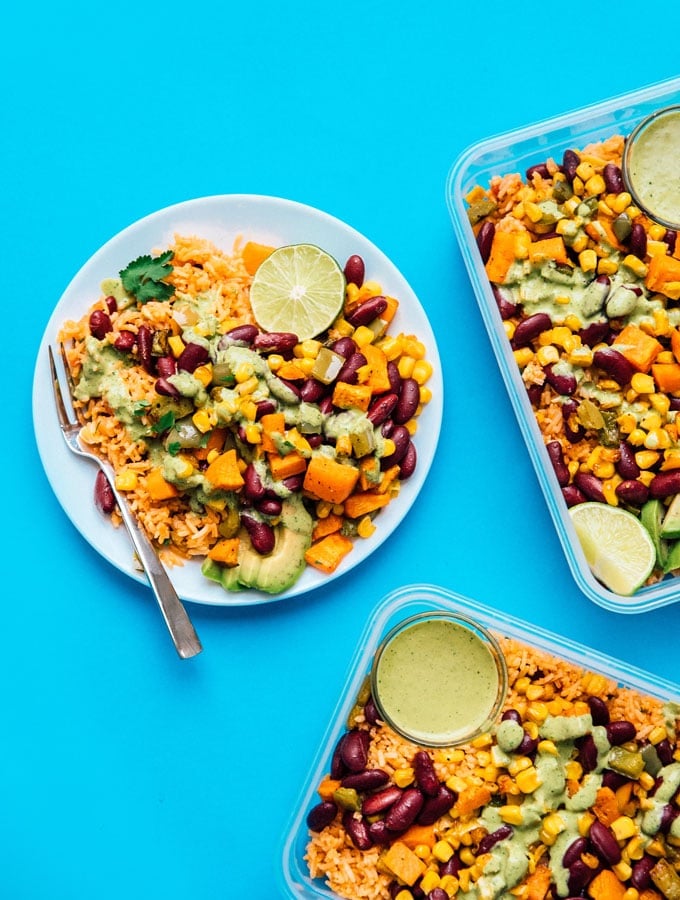
Plant-based proteins add substance to vegetarian meal prep.
- Beans: Grow bush or pole beans—steam, sauté, or add to curries.
- Peas: Sugar snap and snow peas thrive in cool weather and add crunch.
- Edamame: High in protein; steam and season for quick lunches.
You can complement your harvest with pantry staples like quinoa, lentils, or tofu for balanced, protein-rich meals.
D. Herbs: The Flavor Boosters
Herbs elevate simple meals with freshness and aroma, and they’re the easiest plants to grow—indoors or out.
- Basil: Perfect for sauces, soups, or salad toppings.
- Cilantro: Great for tacos, rice bowls, or dressings.
- Parsley: Freshens up soups, tabbouleh, and pasta.
- Mint: Adds coolness to smoothies and summer salads.
- Rosemary and Thyme: Ideal for roasted veggies and soups.
Tip: Freeze herbs in olive oil in ice cube trays—perfect for instant flavor in your cooked dishes.
4. Harvesting for Meal Prep Timing
Harvesting is all about timing—pick veggies when they’re at their flavor peak and store them correctly for the week ahead.
- Morning Harvests: Pick greens early when crisp and hydrated.
- Weekly Schedule: Choose one or two days for big harvests and meal prep.
- Storage Tips:
- Wash and dry greens thoroughly; store in airtight containers with paper towels.
- Roast or blanch hard vegetables before storing to extend shelf life.
- Keep herbs in small jars of water in the fridge or freeze them for later use.
Properly handled, your garden produce can stay fresh for up to a week—perfect for a consistent meal prep routine.
5. Easy Meal Prep Ideas Using Homegrown Produce
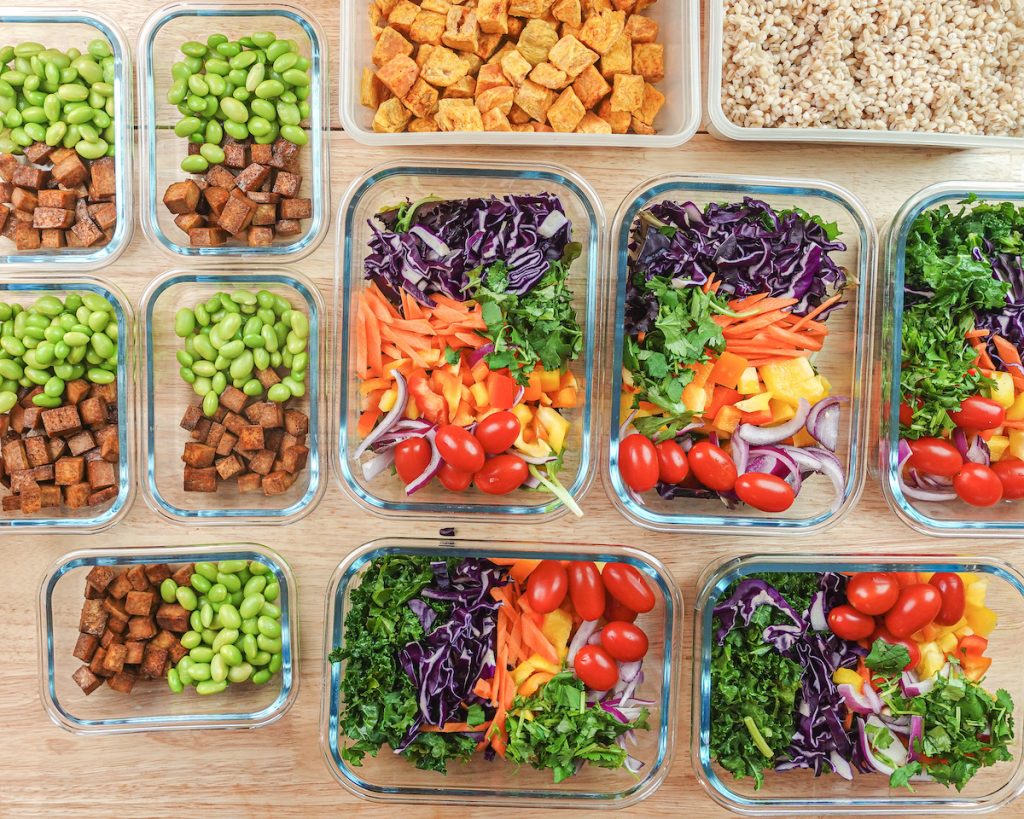
Here are a few healthy and delicious vegetarian meal prep combinations using your homegrown harvest:
1. Mediterranean Veggie Bowl
- Base: Cooked quinoa or couscous
- Toppings: Roasted tomatoes, bell peppers, cucumber, and olives
- Protein: Chickpeas or white beans
- Flavor: Lemon-tahini dressing and fresh parsley
2. Rainbow Garden Salad Jars
Layer your homegrown produce in mason jars for grab-and-go lunches:
- Bottom: Dressing
- Middle: Carrots, cucumbers, and beans
- Top: Lettuce, spinach, and herbs
Shake and enjoy whenever you need a fresh meal.
3. Roasted Veggie Power Bowls
- Base: Brown rice or farro
- Veggies: Roasted beets, zucchini, and carrots
- Topping: Kale chips and basil pesto drizzle
4. Garden Stir-Fry Prep
Sauté bell peppers, beans, zucchini, and leafy greens. Store with cooked rice or noodles for quick reheating during the week.
5. Mason Jar Smoothie Packs
Freeze spinach, kale, and mint with chopped fruit. In the morning, blend with yogurt or plant milk for a nutrient-packed breakfast.
6. Sustainable Gardening for Ongoing Meal Prep
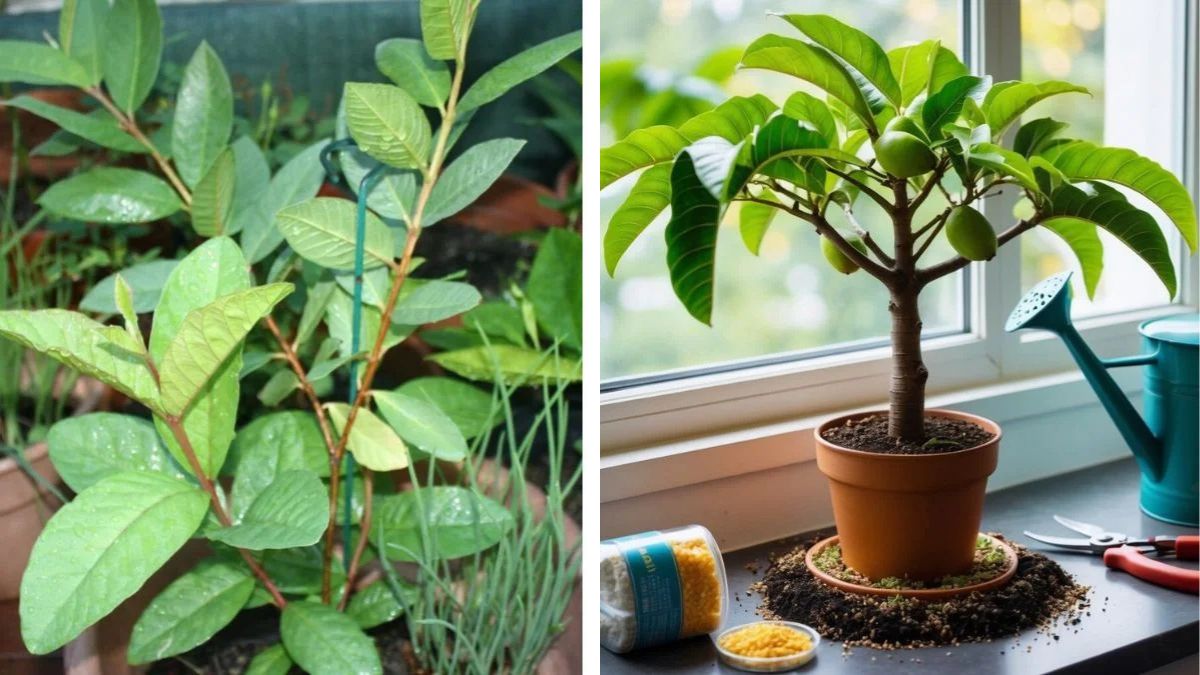
To keep your garden thriving throughout the year, adopt sustainable practices:
- Composting: Turn food scraps into natural fertilizer.
- Crop Rotation: Prevent nutrient depletion by rotating plant families each season.
- Water Wisely: Use mulch and drip irrigation to retain moisture.
- Seed Saving: Collect seeds from your healthiest plants for next season.
- Pollinator Support: Plant marigolds, lavender, or zinnias to attract bees and butterflies.
These practices ensure that your garden continues to yield fresh produce while supporting the environment.
7. The Art of Efficient Meal Prep
Pairing gardening with meal prep is a rhythm—plant, harvest, cook, repeat. Here’s how to streamline it:
- Batch cook grains and legumes at the start of the week.
- Roast or steam veggies right after harvest.
- Store meals in clear containers for easy organization.
- Mix and match components—a few core ingredients can create a variety of dishes.
Example: Roasted zucchini and peppers can be used in pasta, wraps, or bowls simply by changing the sauce or grain base.
8. The Reward: Freshness, Balance, and Connection
When you grow what you eat, your meals become more than just food—they become an experience. Homegrown meal prep nurtures not only your body but also your connection to nature. Each seed planted is a step toward mindfulness, sustainability, and better health.
You’ll notice a transformation:
- Your food tastes fresher and more vibrant.
- Your diet naturally becomes cleaner and more plant-focused.
- You waste less, save more, and enjoy cooking again.
From soil to storage containers, your effort translates into nourishment that’s deeply personal and profoundly satisfying.
Conclusion: Cultivate, Cook, and Care
“Homegrown Ingredients for Healthy Veggie Meal Prep” is more than a garden-to-table concept—it’s a lifestyle of care and consciousness. By growing your own vegetables and preparing them ahead, you create a system of nourishment that saves time, minimizes waste, and maximizes flavor.
So, start small—plant a few pots of greens and herbs. Watch them flourish, harvest with pride, and let every bite remind you that health begins in the soil beneath your hands. Your garden doesn’t just feed you—it grounds you, energizes you, and keeps your week full of color, freshness, and balance.