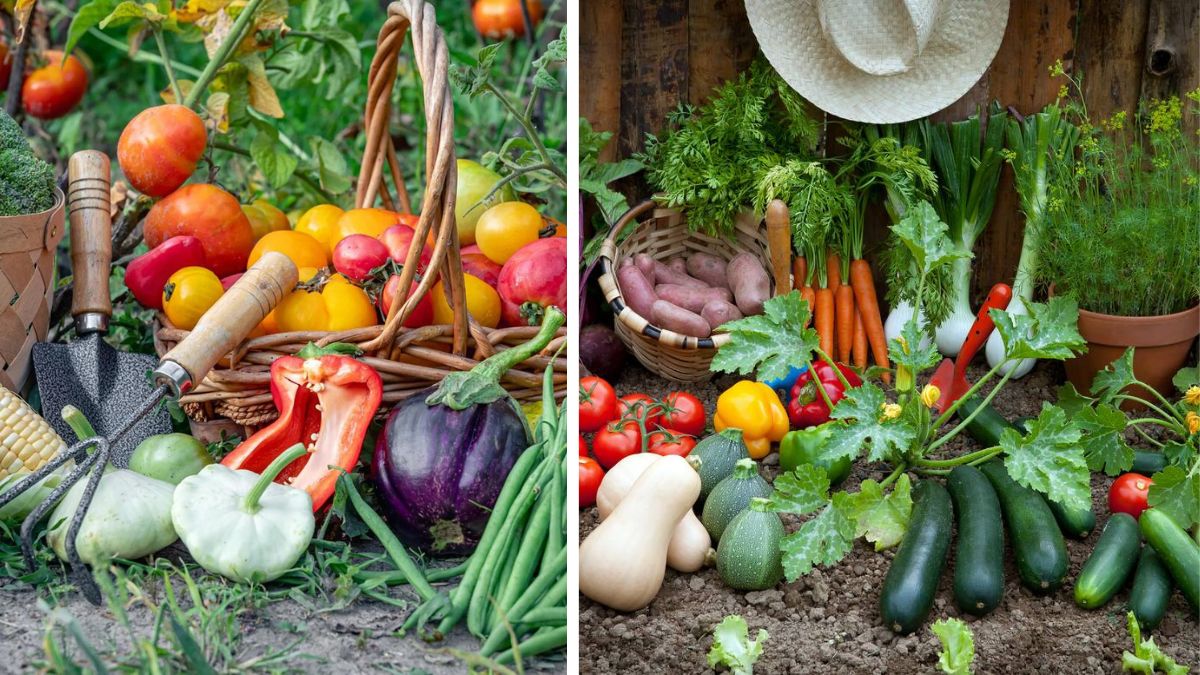
Winter might seem like a season of rest for the garden, but beneath the surface, a different kind of magic happens. While frosty mornings and shorter days send many plants into dormancy, root vegetables quietly thrive underground, storing up flavor and nutrients. Growing root veggies in winter not only keeps your garden productive year-round but also fills your kitchen with hearty, vitamin-rich ingredients perfect for warming soups, stews, and roasts.
This article explores how to cultivate a thriving winter garden filled with carrots, beets, radishes, turnips, and other root crops. With the right techniques, soil care, and timing, you can enjoy crisp, flavorful harvests even when snow dusts the ground.
1. Why Grow Root Vegetables in Winter?
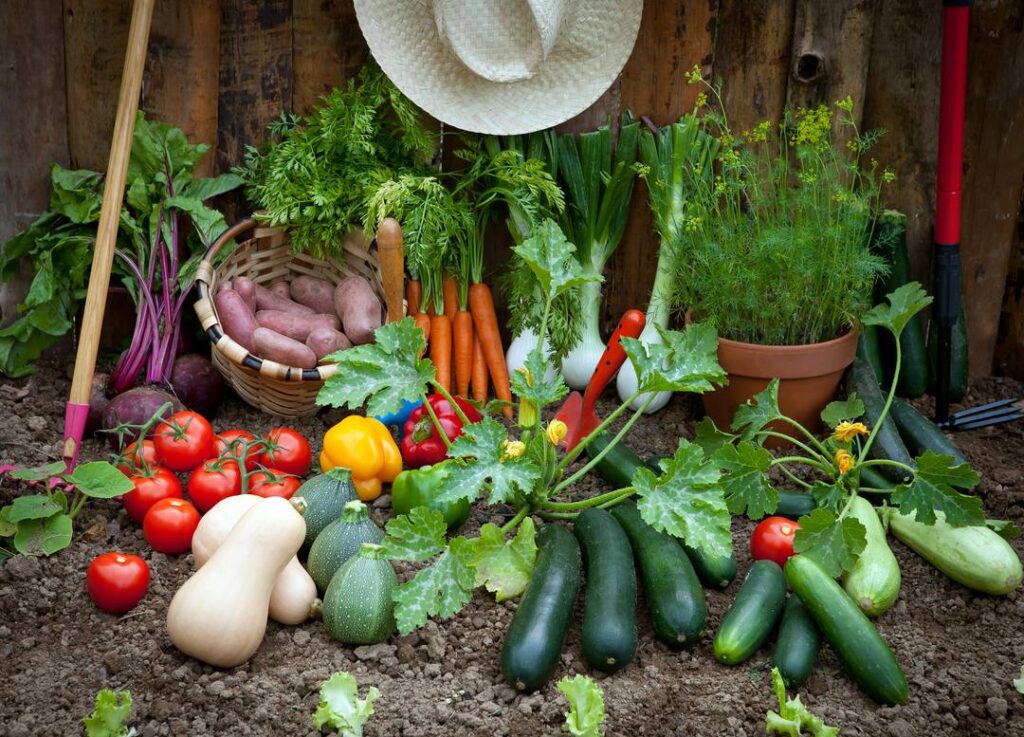
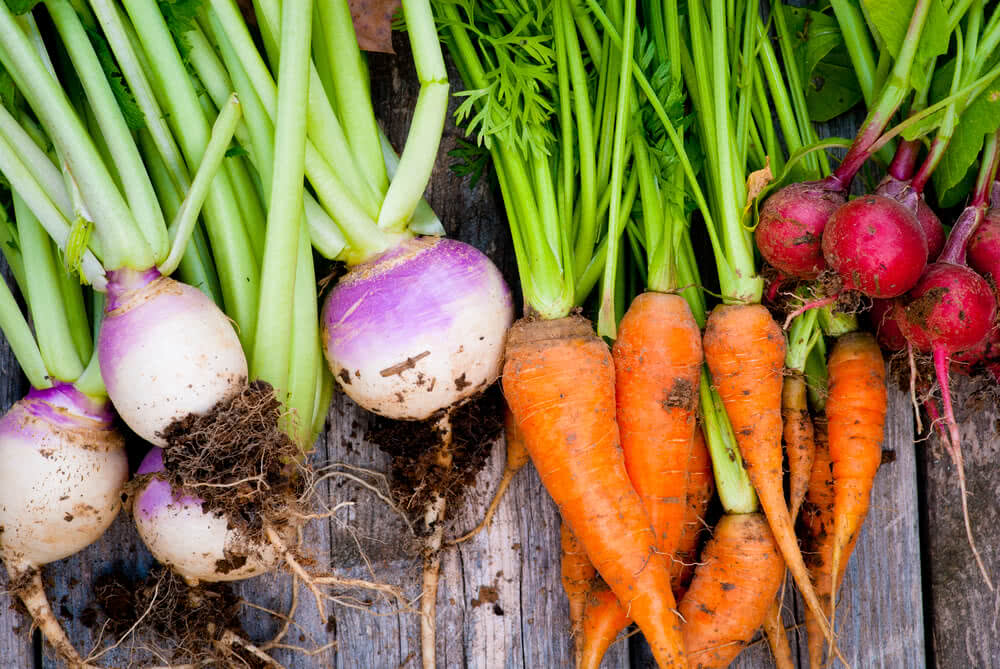
Root vegetables are nature’s answer to the chill — hardy, resilient, and perfectly adapted to cooler temperatures. Unlike delicate leafy greens or summer crops, roots such as carrots, beets, and parsnips actually develop deeper sweetness when grown in cold soil. The drop in temperature causes them to convert starches into sugars, resulting in a richer, smoother flavor.
Other benefits of winter gardening include:
- Extended harvest season: You can enjoy fresh produce well past summer.
- Low pest pressure: Cold weather deters many common garden pests.
- Improved soil health: Growing winter crops prevents erosion and keeps soil biologically active.
For gardeners who crave year-round harvests, root veggies are the ideal cold-weather crop.
2. Choosing the Right Root Vegetables for Winter
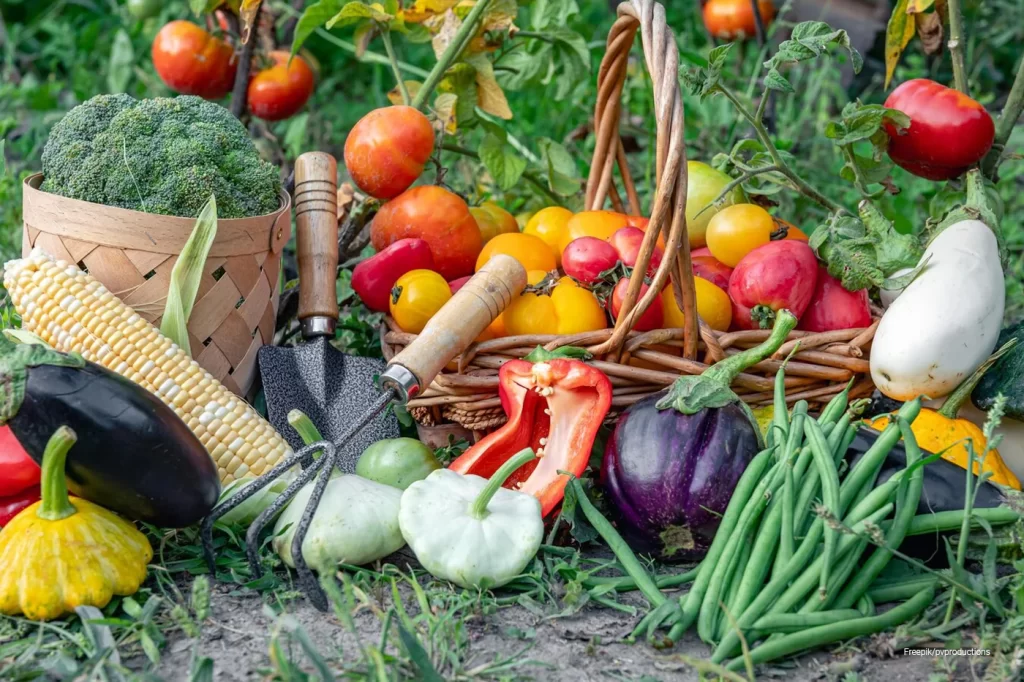
Not all root vegetables perform equally well in cold weather. Select varieties specifically bred for winter hardiness and slow growth.
Here are the best root crops for your winter garden:
a. Carrots
Carrots love cool weather. When grown in fall and left to mature through winter, they become sweet and tender.
- Best varieties: ‘Napoli’, ‘Autumn King’, and ‘Merida’.
- Harvest tip: Leave carrots in the ground and cover with mulch; they’ll stay crisp until you’re ready to pull them.
b. Beets
Beets tolerate light frost and store well in cold soil. Both the roots and greens are edible.
- Best varieties: ‘Detroit Dark Red’, ‘Cylindra’, and ‘Chioggia’.
- Bonus: Beet greens can be harvested continuously even in cooler weather.
c. Radishes
Fast-growing and hardy, radishes are perfect for quick winter harvests.
- Best varieties: ‘Daikon’, ‘Watermelon’, and ‘French Breakfast’.
- Tip: Plant successively every few weeks for a continuous crop.
d. Turnips
Turnips mature quickly and develop a mild, nutty flavor when grown in cool temperatures.
- Best varieties: ‘Hakurei’ and ‘Purple Top White Globe’.
- Soil preference: Loose and well-drained for smooth, round roots.
e. Parsnips
Parsnips take longer to mature but reward patience with their rich, nutty sweetness.
- Best varieties: ‘Gladiator’ and ‘Javelin’.
- Harvest tip: Wait until after a few frosts to bring out their natural sugars.
f. Rutabagas
A close relative of turnips, rutabagas are excellent for hearty winter dishes.
- Best varieties: ‘Laurentian’ and ‘American Purple Top’.
Together, these crops form the backbone of a productive winter root garden.
3. Preparing the Soil for Cold-Season Planting
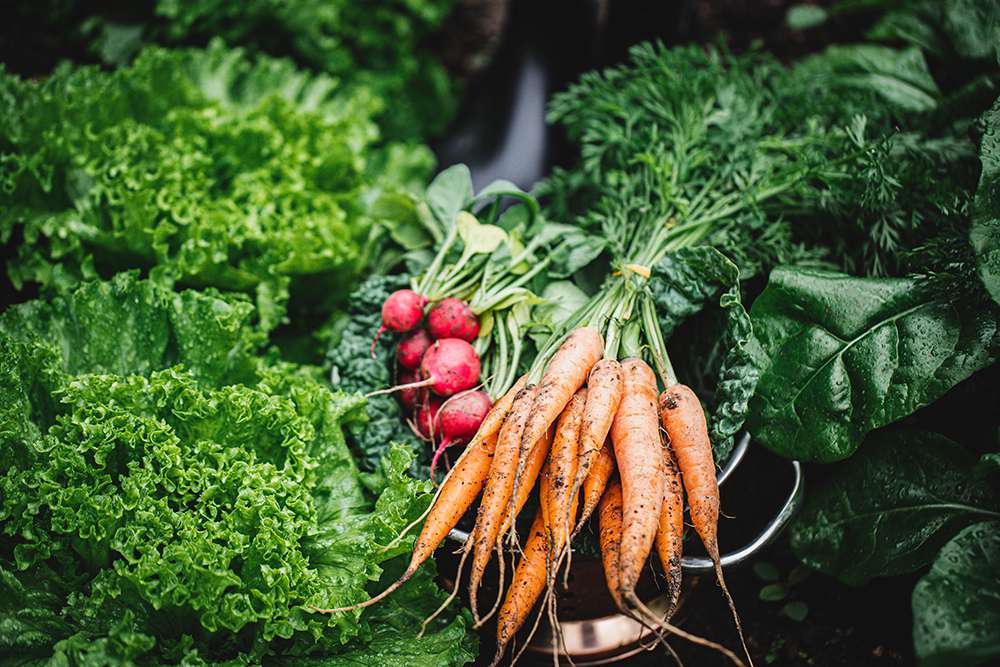
Healthy soil is the secret to successful root vegetable gardening — especially in winter. Because root crops grow underground, they need soft, loose, and nutrient-rich soil that allows roots to expand easily.
Step 1: Clear and Aerate
Remove leftover summer plants and debris. Loosen the soil to at least 10–12 inches deep using a garden fork. This ensures roots won’t grow misshapen or stunted.
Step 2: Add Organic Matter
Mix in compost or well-rotted manure to improve fertility and drainage. Avoid fresh manure — it can cause root deformities and excessive foliage growth.
Step 3: Adjust Soil pH
Root vegetables prefer slightly acidic to neutral soil (pH 6.0–7.0). Use lime if your soil is too acidic.
Step 4: Create Raised Beds
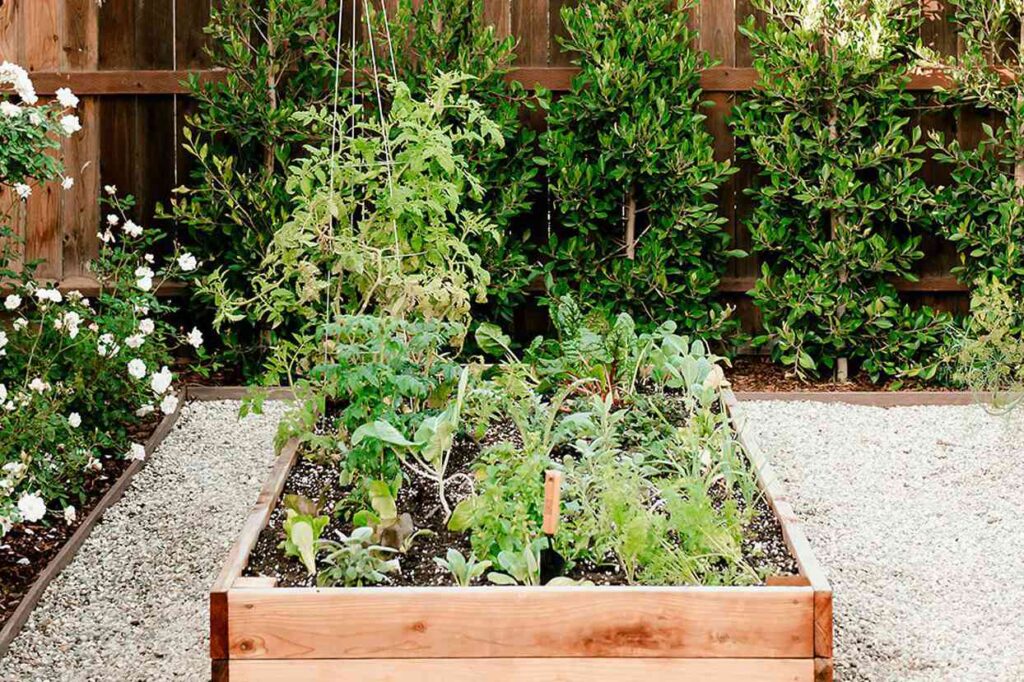
In cold or wet regions, raised beds improve drainage and prevent roots from rotting during heavy winter rains.
4. Timing Your Planting for Winter Success
Timing is everything when growing root vegetables in cold seasons. Plant too early, and they might mature before the temperature cools; too late, and they won’t establish before frost.
- Early Fall (September–October): Direct sow carrots, beets, turnips, and radishes so they mature as temperatures drop.
- Late Fall (November): Sow hardy varieties of radishes and beets under cloches or cold frames for protection.
- Mid-Winter (December–January): In mild climates, plant quick-maturing crops like radishes or baby carrots in protected beds or tunnels.
Tip: Aim for crops to be halfway mature by the time frost hits — they’ll continue to grow slowly and sweeten naturally through winter.
5. Protecting Your Crops from Frost and Cold
Root vegetables are resilient, but consistent freezing can damage leaves and stunt growth. To keep them thriving:
a. Mulching
Cover the soil with a thick layer (3–6 inches) of straw, leaves, or wood chips. Mulch acts as an insulator, keeping the soil temperature stable and preventing roots from freezing solid.
b. Row Covers and Cold Frames
Lightweight fabric row covers shield plants from frost while allowing sunlight and moisture to reach them.
For extra protection, use cold frames — mini greenhouses made of wood and glass or plastic that trap warmth during the day.
c. Wind Barriers
Plant winter crops near fences or hedges to reduce wind chill and prevent soil moisture loss.
d. Water Wisely
Even in cold weather, soil moisture matters. Water on warmer days, and do it early in the day so moisture doesn’t freeze overnight.
6. Maintaining Winter Crops
Winter gardens require less maintenance than summer ones, but consistency is key.
- Weeding: Pull weeds early before they compete for nutrients.
- Thinning: Space seedlings properly (2–3 inches apart for carrots and beets) to allow room for root expansion.
- Fertilizing: Midway through growth, side-dress with compost or organic fertilizer to encourage healthy roots.
Pro tip: Avoid nitrogen-heavy fertilizers — they promote leafy growth at the expense of the edible roots.
7. Harvesting and Storing Winter Root Vegetables
a. Harvesting
Root veggies can be harvested gradually throughout winter. Pull only what you need; leaving them in the ground under mulch acts as natural cold storage.
When harvesting:
- Loosen soil gently with a fork to avoid snapping roots.
- Shake off excess dirt but avoid washing until ready to use (moisture can cause spoilage).
b. Storing Indoors
If your ground freezes deeply, harvest before a hard freeze and store roots in a cool, dark, and humid space — such as a cellar, basement, or insulated garage.
Storage Tips:
- Place roots in boxes filled with damp sand or sawdust to maintain humidity.
- Keep temperatures around 32–40°F (0–4°C).
- Check regularly for mold or soft spots.
Carrots, beets, and turnips can last 3–5 months when stored properly.
8. Companion Planting for Winter Root Gardens
Companion planting helps improve soil, deter pests, and maximize space.
- Garlic and Onions: Repel aphids and other root pests.
- Spinach and Kale: Grow well beside carrots and beets, offering shade to smaller seedlings.
- Herbs like Parsley and Dill: Attract beneficial insects and enhance garden biodiversity.
Avoid planting root crops in the same soil year after year — rotate your beds to prevent nutrient depletion and disease buildup.
9. Troubleshooting Common Winter Challenges
Even the hardiest gardeners face challenges. Here’s how to address them:
- Frost-Heaved Roots: When repeated freeze-thaw cycles push roots upward, add extra mulch.
- Pests (like slugs or rodents): Use copper tape around raised beds and keep mulch tidy.
- Poor Germination: Soil may be too cold; start seeds indoors or under protection.
- Cracked Roots: Irregular watering or dry spells can cause splitting — keep soil evenly moist.
10. Turning Your Winter Harvest into Comfort Food
Once you’ve harvested your bounty, the kitchen becomes an extension of your garden. Root vegetables are culinary chameleons — perfect for roasting, pureeing, or adding to soups and stews.
Winter Recipe Inspiration:
- Honey-Roasted Carrots and Beets: A sweet and earthy side dish.
- Creamy Turnip and Potato Soup: Comfort in a bowl on cold evenings.
- Beet and Goat Cheese Salad: Vibrant color and flavor, even in midwinter.
These dishes remind us that winter produce can be just as bright and satisfying as summer’s abundance.
11. Conclusion: Cultivating Resilience and Reward
Winter gardening teaches patience and perseverance — values mirrored in the slow, steady growth of root vegetables beneath the frost. With careful planning, insulation, and a little creativity, your garden can stay alive and productive even through the coldest months.
From sweet carrots to hearty parsnips, each root grown in winter carries the quiet resilience of the season. And when you pull those colorful treasures from the cold earth, you’re rewarded not just with food, but with the satisfaction of defying the dormant season and cultivating life year-round.
So bundle up, grab your garden fork, and let your winter garden work its quiet wonders underground — proving that even in the stillness of winter, growth never truly stops.