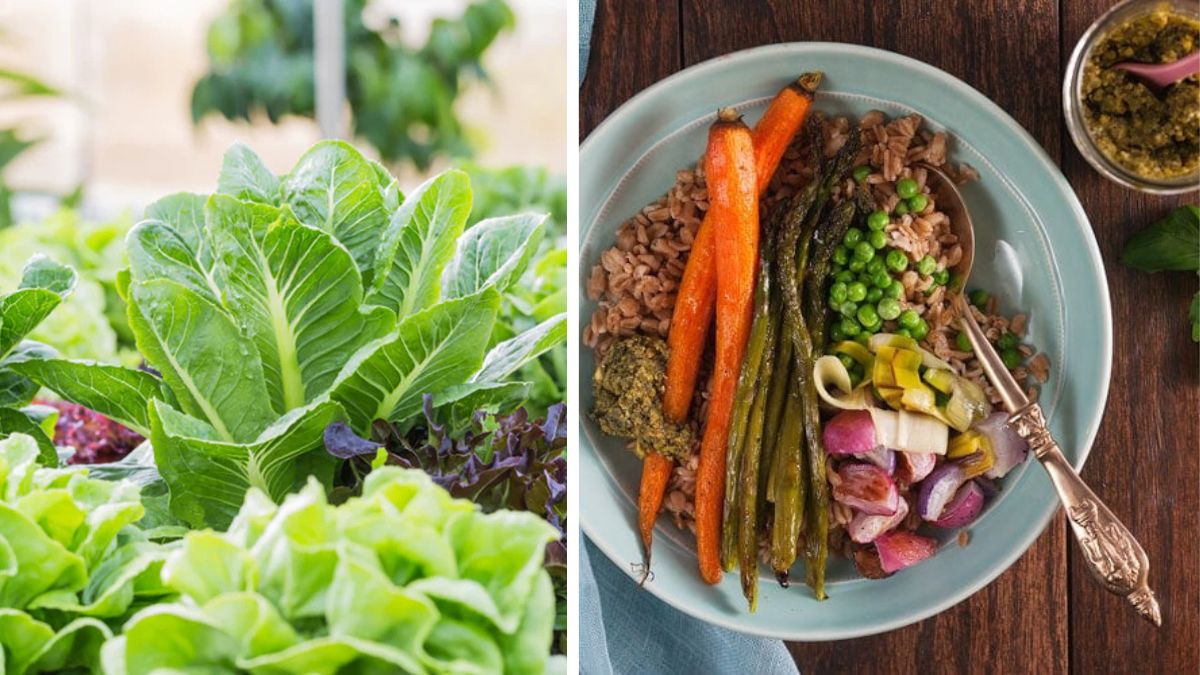
There’s something magical about spring — the season when gardens awaken and plates burst with color and flavor. After months of winter’s stillness, the air fills with freshness, and so can your kitchen. If you love building hearty yet healthy veggie bowls, spring is the perfect time to grow your own ingredients. From crisp greens to vibrant root veggies and aromatic herbs, a homegrown spring garden can become your ultimate source for fresh, nutrient-packed meals.
This guide explores exactly what to grow in spring for delicious, versatile veggie bowls — the kind that nourish your body and delight your senses.
1. The Appeal of the Veggie Bowl
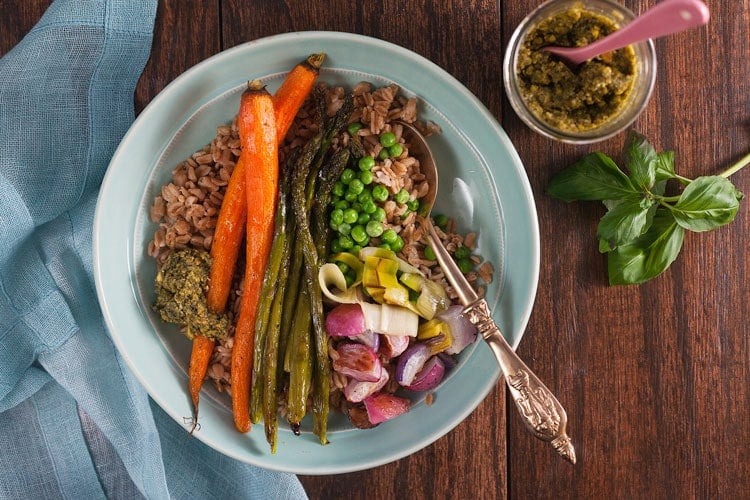
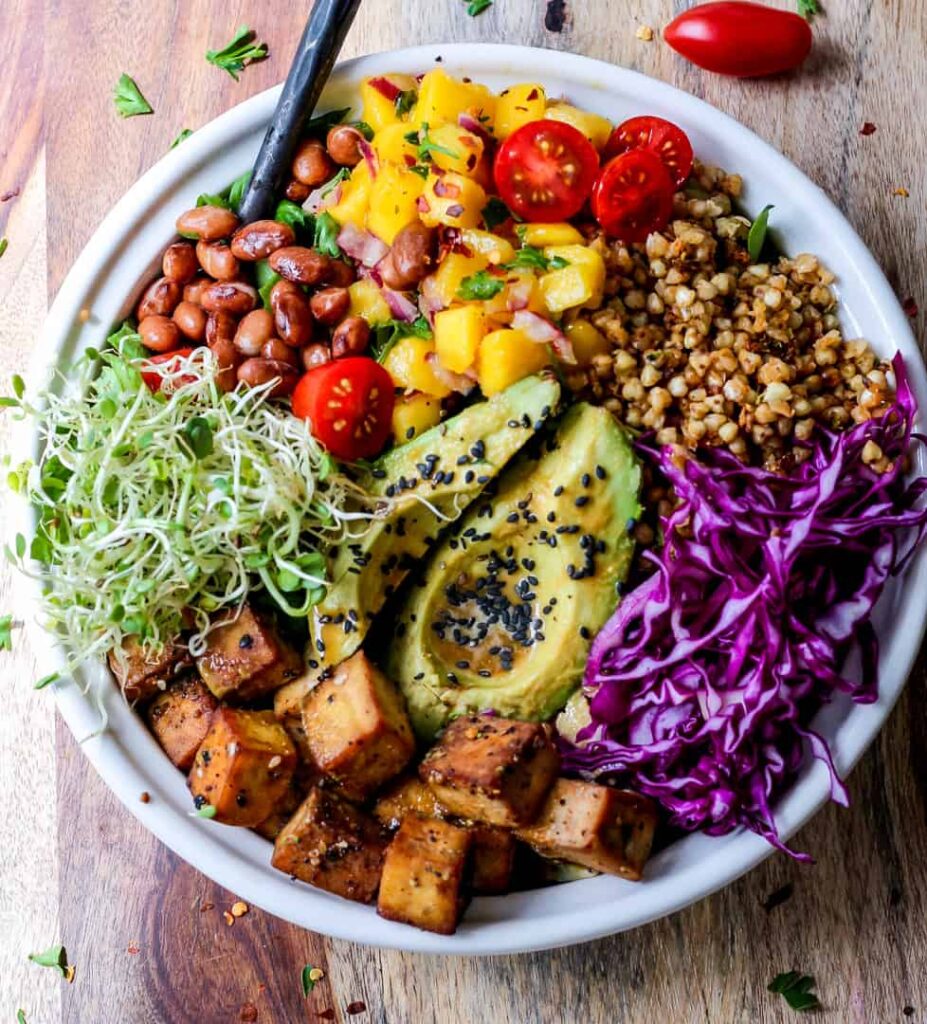
Before digging into the soil, let’s look at why veggie bowls have become a mealtime favorite. They’re colorful, customizable, and packed with nutrients. A typical bowl combines a grain base (like quinoa, rice, or couscous) with an array of roasted, raw, or steamed vegetables — often topped with a creamy dressing or a sprinkle of seeds.
What makes them even better? When the ingredients come straight from your garden. Fresh-picked veggies aren’t just more flavorful; they’re loaded with higher vitamin and mineral content since they’re eaten soon after harvest. Growing your own ingredients means you control what goes into your body — no pesticides, no plastic packaging, just pure, seasonal goodness.
2. Understanding the Spring Growing Season
Spring is a transitional season, ideal for cool-weather crops that thrive before summer’s heat sets in. The soil is workable again, rains are frequent, and sunlight gently intensifies — creating a perfect environment for tender greens, crisp roots, and quick-growing herbs.
The key to a productive spring veggie bowl garden is timing. Start planting as soon as the soil is warm enough (around 45–55°F or 7–13°C), depending on your region. Early-spring crops can be direct-seeded into the ground, while late-spring varieties can be started indoors and transplanted once frost danger passes.
3. Must-Grow Greens for Spring Veggie Bowls
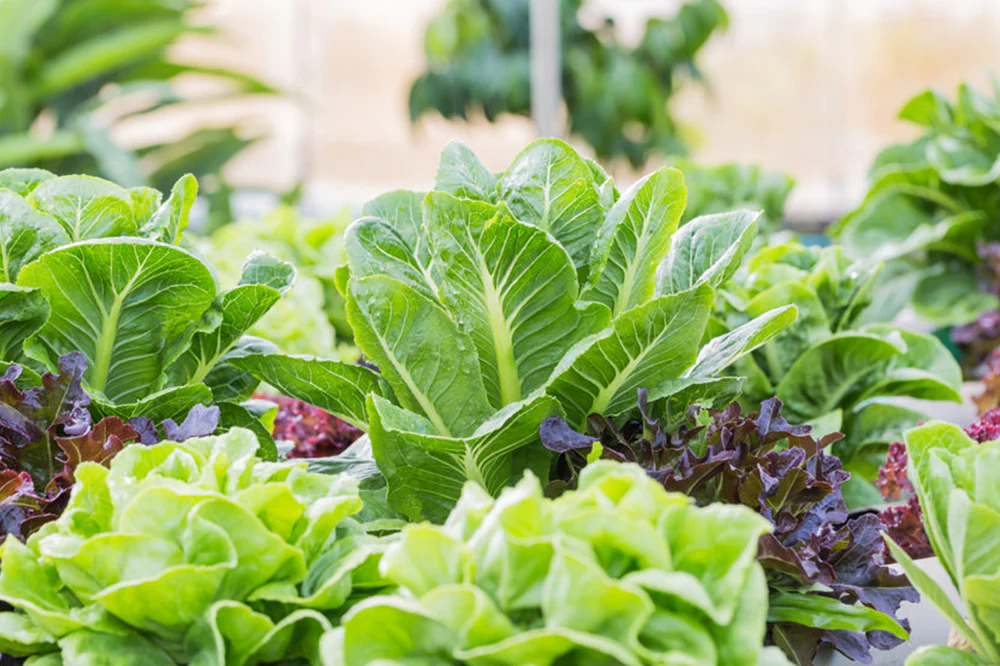
Greens are the foundation of most veggie bowls, providing color, crunch, and nutrients. Spring is their time to shine.
a. Spinach
A spring classic, spinach grows fast and thrives in cool weather. Sow seeds directly in early spring and harvest tender leaves in 4–6 weeks. Its mild, earthy flavor pairs perfectly with citrus dressings or creamy tahini sauces.
Tip: Keep harvesting the outer leaves to encourage continuous growth.
b. Kale
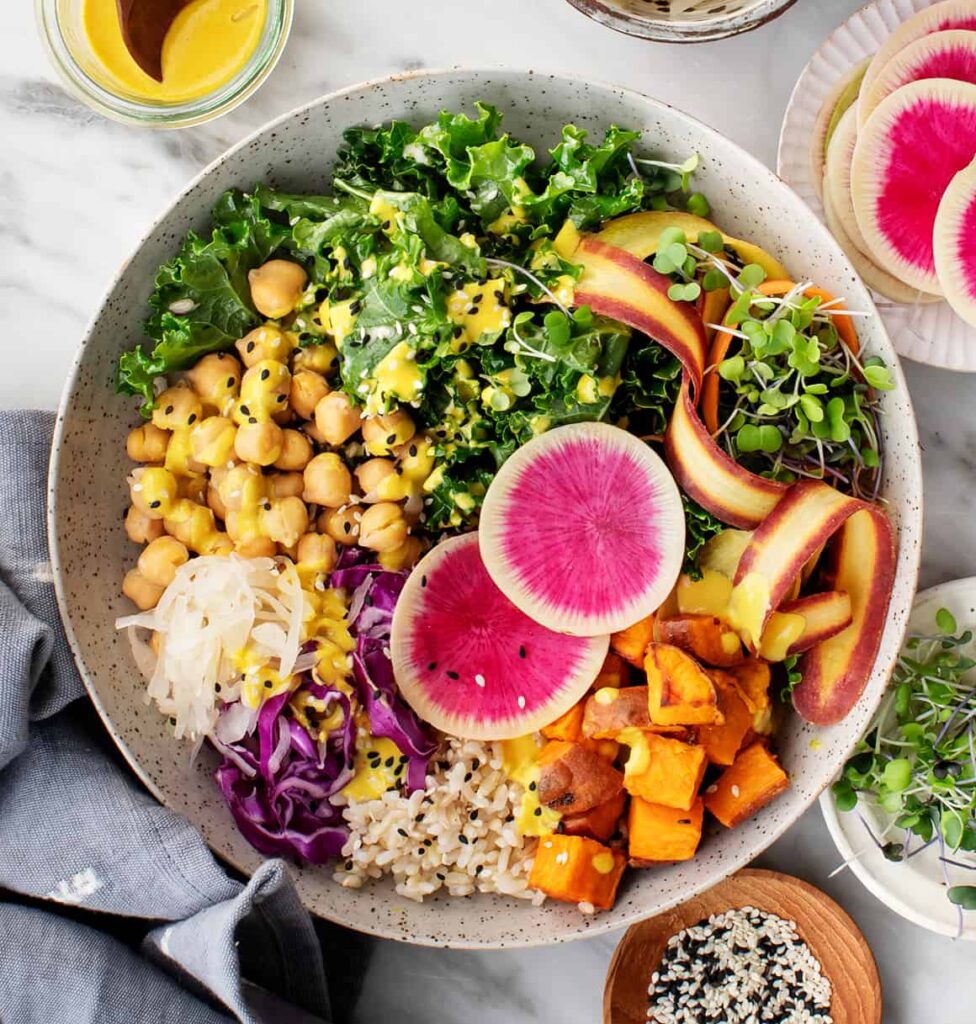
Baby kale is perfect for veggie bowls — slightly peppery and full of antioxidants. Plant early, as it can tolerate light frost. Pair it with roasted chickpeas, sweet potatoes, and a drizzle of lemon vinaigrette.
Varieties to try: Lacinato (Dinosaur) kale or Red Russian kale for a colorful touch.
c. Lettuce and Arugula
These leafy greens thrive in cool, moist soil. Choose loose-leaf lettuces for cut-and-come-again harvests. Arugula adds a peppery punch to balance sweeter bowl elements like roasted carrots or beets.
Pro tip: Mix varieties in one bed for texture and flavor diversity.
4. Root Vegetables: The Bowl’s Heart and Heft
Root veggies add natural sweetness, color, and fiber — essential for making veggie bowls feel satisfying.
a. Carrots
Bright, crunchy, and naturally sweet, carrots thrive in the soft spring soil. Opt for shorter varieties like ‘Nantes’ or ‘Paris Market’ if your soil is heavy. Roast them with olive oil and herbs for a caramelized bowl topping.
b. Radishes
A fast-growing superstar — radishes can go from seed to harvest in just three weeks. Their crisp texture and mild spice add contrast to soft grains and creamy dressings.
Bonus: Try watermelon or French breakfast radishes for a gourmet twist.
c. Beets
Both the roots and greens are edible, making beets a two-for-one crop. Roast them for a rich, earthy sweetness or slice them raw for crunch. Golden and Chioggia (candy-striped) varieties brighten up any bowl visually.
5. Spring Herbs: The Secret Flavor Boosters
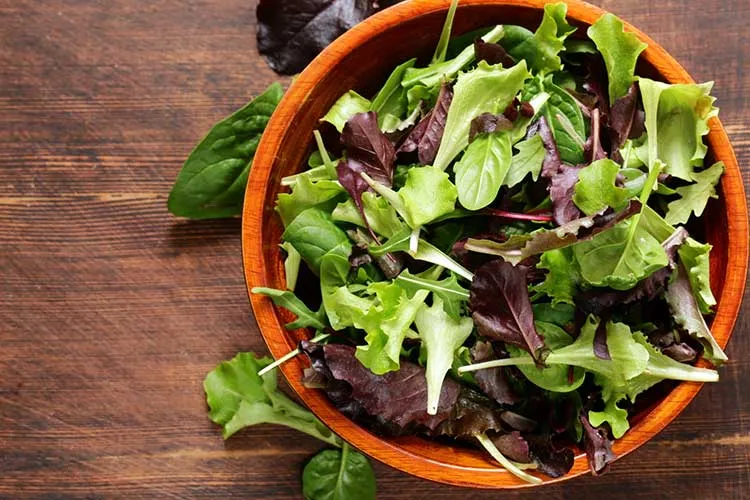
No veggie bowl is complete without herbs. They elevate every bite and provide aromatic depth.
a. Parsley
Flat-leaf parsley adds freshness to almost any mix. Grow it from seed in early spring; it loves the cool air and partial shade. Chop it finely to sprinkle over grains or blend it into green goddess dressing.
b. Cilantro
Cilantro thrives in spring but bolts quickly in heat. Sow it every few weeks for a steady supply. It’s the star of zesty avocado dressings or lime-tahini sauces that bring brightness to your bowls.
c. Mint and Chives
Mint offers cool, refreshing undertones, while chives add subtle onion flavor. Both are perennial, meaning they’ll return year after year with minimal effort.
6. Crisp Veggies for Crunch and Color
Adding raw or lightly blanched vegetables enhances both texture and nutrition in veggie bowls.
a. Snap Peas
Snap peas love cool weather and add crisp sweetness. Train them on a trellis to save space. Enjoy them raw for crunch or quickly stir-fried for a tender-crisp bite.
b. Broccoli and Cauliflower
These brassicas enjoy mild spring temperatures. Harvest young florets or use tender leaves and stems in grain bowls for a rustic, homegrown look.
c. Green Onions
Perfect for garnishing or mixing into bowls, green onions grow quickly and can be snipped multiple times. Their mild bite balances creamy or nutty bowl dressings.
7. Grains and Legumes to Grow (Optional Additions)
While vegetables take center stage, adding homegrown grains or legumes makes your veggie bowls heartier.
a. Quinoa (for warm climates)
Quinoa thrives in well-drained soil and full sun. Though not traditional in all gardens, it’s a rewarding crop for those wanting a protein-rich base for their bowls.
b. Lentils
Lentils are nitrogen-fixing plants, meaning they enrich your soil while producing nutritious, high-protein seeds. They’re perfect in Mediterranean or Indian-inspired veggie bowls.
8. Building the Perfect Fresh Veggie Bowl
Once your garden starts producing, it’s time to bring your harvest to the table. Here’s how to compose a spring veggie bowl that’s balanced and beautiful:
- Start with a base – quinoa, brown rice, or farro.
- Add your greens – a mix of spinach, kale, or lettuce.
- Layer in veggies – roasted beets, shredded carrots, snap peas, and radishes.
- Top with protein – chickpeas, lentils, or tofu.
- Finish with flavor – chopped herbs, seeds, nuts, and a vibrant dressing.
Sample Bowl Idea:
“Spring Glow Bowl” — quinoa base, baby kale, roasted carrots and beets, snap peas, chickpeas, a sprinkle of parsley, and a lemon-tahini dressing.
9. Companion Planting and Space Tips
To maximize your spring harvest:
- Interplant fast and slow growers. For instance, sow radishes among carrots; radishes mature first, leaving space for carrots to grow.
- Use vertical space. Grow peas or beans on trellises.
- Succession plant. Sow new crops every two weeks to keep your veggie bowl ingredients coming all season.
Raised beds or container gardens also work beautifully for spring crops, especially for urban gardeners.
10. From Garden to Table: Sustainability and Satisfaction
Growing your own spring veggies connects you to the earth and your food. It reduces waste, cuts grocery costs, and lets you eat seasonally — a cornerstone of sustainable living. Plus, tending your garden can be deeply therapeutic, grounding you after a long day.
The satisfaction of harvesting greens for dinner straight from your backyard (or balcony!) is unmatched. Every bite tells the story of your care, patience, and creativity.
Conclusion: A Season of Growth and Freshness
Spring is more than just a season; it’s an invitation — to grow, to nourish, and to enjoy the vibrant flavors of nature. Whether you have a sprawling garden or a small patio setup, you can cultivate the key ingredients for colorful, healthy veggie bowls.
By planting spinach, kale, radishes, herbs, and peas this spring, you’re not just growing vegetables — you’re growing meals that embody freshness, balance, and the joy of homegrown living. So grab your gloves, sow those seeds, and get ready to taste the best of spring in every bite.