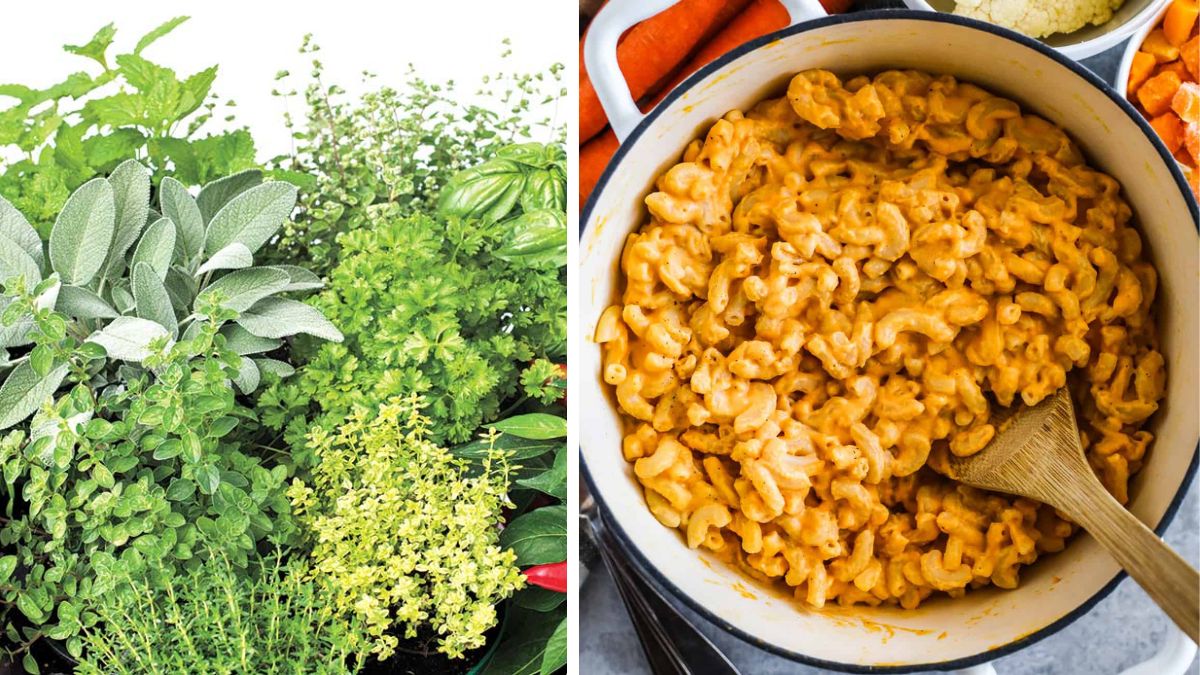
Mac and cheese is the undisputed comfort food champion—creamy, cheesy, and soul-satisfying. But what if you could take this beloved classic to a whole new level by growing your own ingredients? Imagine harvesting golden carrots, tender broccoli florets, or even fragrant herbs right from your backyard to stir into that bubbling pot of cheesy goodness. Growing your own ingredients for a veggie-loaded mac and cheese not only elevates the flavor and nutrition but also makes every bite more rewarding.
In this guide, we’ll explore how to grow the essential vegetables, herbs, and even the complementary ingredients you need to craft the perfect homemade mac and cheese—with a wholesome garden twist.
1. Building the Foundation: Setting Up Your Mac and Cheese Garden
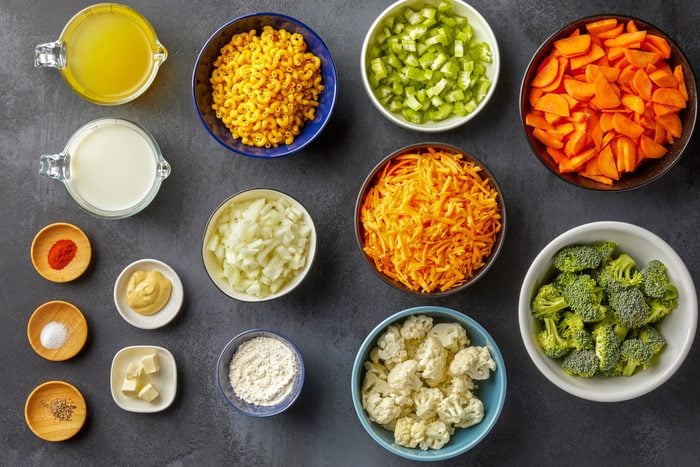
Before you get your hands dirty, think of your garden as your kitchen pantry—organized, diverse, and full of potential. You’ll want a mix of veggies that complement mac and cheese’s creamy texture, plus herbs to enhance its aroma.
Ideal Growing Conditions:
- Sunlight: Most veggies and herbs need at least 6–8 hours of direct sunlight daily.
- Soil: Use loamy, well-drained soil rich in organic matter. Mix in compost to improve texture and nutrients.
- Water: Keep soil consistently moist but never soggy. A drip irrigation system works well for steady hydration.
- Spacing: Plan rows or raised beds depending on your space. Companion planting (e.g., basil with tomatoes, carrots with lettuce) helps optimize growth and deter pests naturally.
2. Star Vegetables to Grow for Mac and Cheese
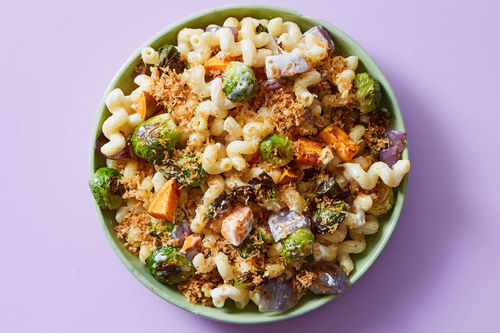
Adding vegetables to mac and cheese not only boosts its nutritional value but also adds texture, color, and depth of flavor. Here are the top veggies to grow:
A. Broccoli – The Classic Add-On
Broccoli adds a pop of green and a subtle earthy flavor that pairs perfectly with cheese.
How to Grow:
- Planting: Sow seeds or transplants in early spring or fall.
- Soil Needs: Rich, slightly acidic soil (pH 6.0–6.8).
- Care: Water deeply once a week; avoid wetting the heads directly.
- Harvesting: Cut the main head when compact and green; side shoots will continue to grow after.
Pro Tip: Roast freshly harvested florets before mixing into mac and cheese for a smoky depth.
B. Cauliflower – The Creamy Substitute

Cauliflower mimics the texture of pasta and cheese sauce when blended—making it a top choice for a lighter mac.
How to Grow:
- Timing: Plant in cool weather (spring or early fall).
- Soil: Moist, well-drained soil enriched with compost.
- Care: Keep consistent moisture and mulch around the base.
- Harvesting: Pick when heads are firm and white.
Garden Bonus: Cauliflower leaves can also be sautéed as a side dish.
C. Carrots – For Color and Sweetness
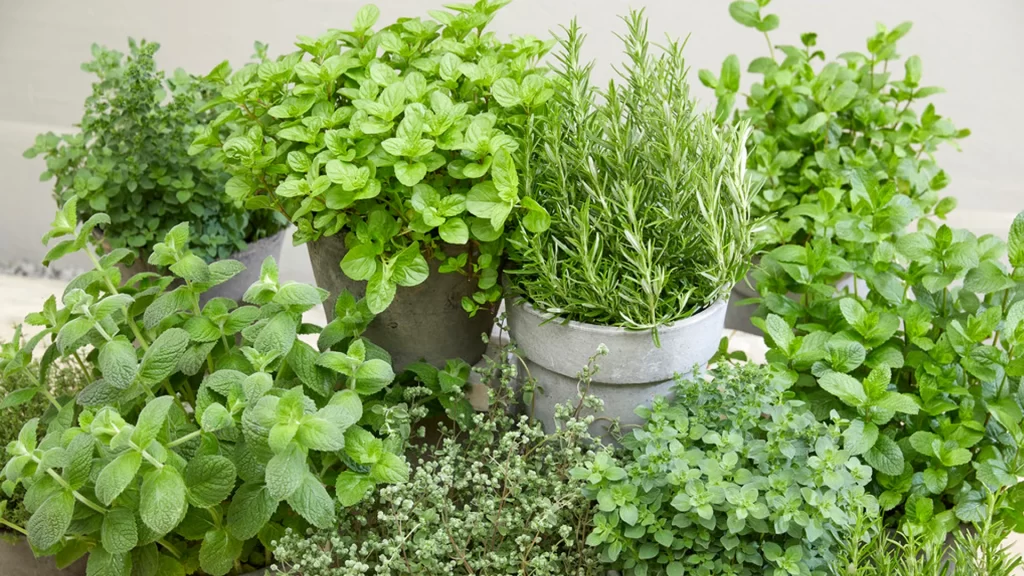
Grated carrots add natural sweetness and a burst of orange that complements the cheese.
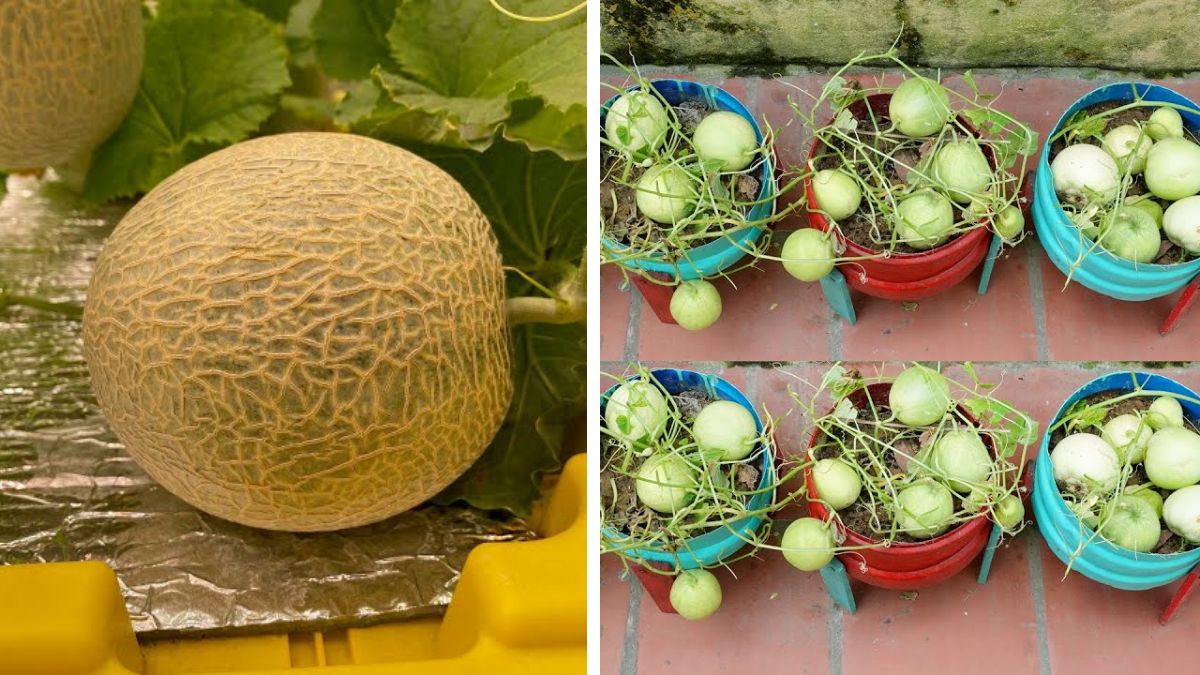
How to Grow:
- Planting: Direct sow seeds into loose, stone-free soil.
- Watering: Keep soil moist until germination (10–14 days).
- Harvest: When roots reach ¾ inch in diameter, typically 60–70 days after sowing.
Kitchen Tip: Steam and puree carrots to blend into your cheese sauce for a golden hue and extra vitamins.
D. Spinach – The Nutrient Booster
Spinach adds a delicate, savory note and enriches your mac and cheese with iron and antioxidants.
How to Grow:
- Planting: Sow seeds directly in early spring or fall.
- Conditions: Partial shade works fine; keep soil moist.
- Harvesting: Pick young leaves frequently to encourage new growth.
Serving Idea: Stir wilted spinach into your mac and cheese just before serving—it blends beautifully with melted cheese.
E. Peas – The Sweet Pop
Fresh peas bring a burst of sweetness and a beautiful green contrast to cheesy pasta.
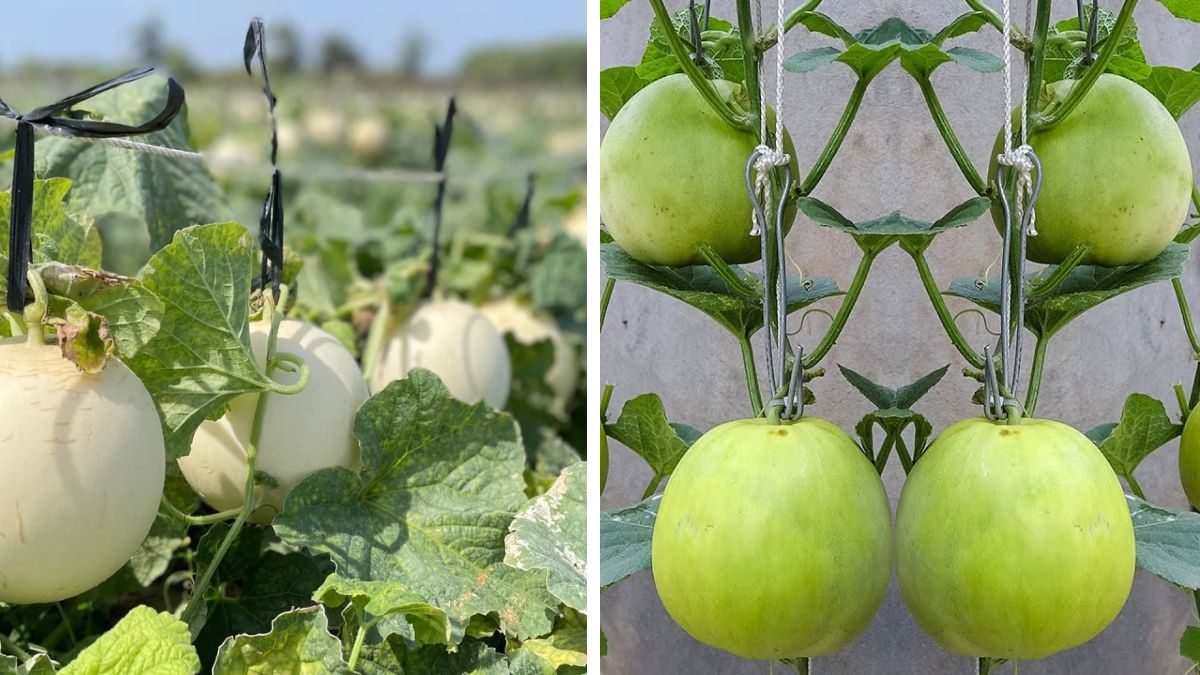
How to Grow:
- Timing: Plant in early spring; peas thrive in cool temperatures.
- Support: Use trellises for climbing varieties.
- Harvesting: Pick pods when they’re plump but before they harden.
Kitchen Tip: Toss fresh peas into your mac and cheese right before serving for freshness and crunch.
3. Herbs and Seasonings from Your Garden
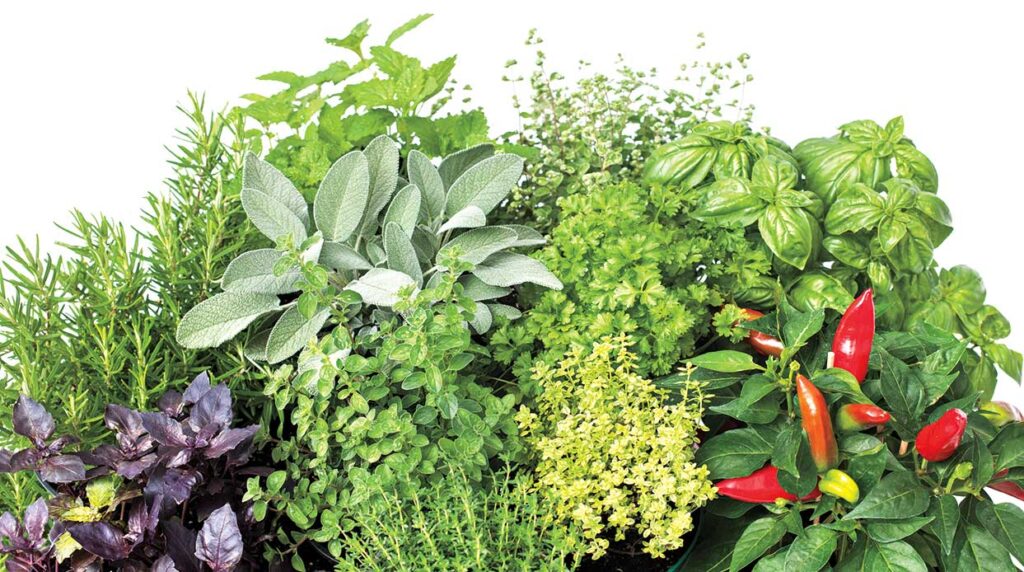
Herbs can transform your mac and cheese from simple to gourmet. Growing them ensures you always have fresh, aromatic seasonings at your fingertips.
A. Basil – The Fragrant Finisher
Adds a light sweetness and peppery aroma. Perfect in summer versions of mac and cheese.
Grow in: Full sun, warm soil, and well-drained containers or beds.
B. Thyme – The Earthy Enhancer
Its subtle, woody flavor pairs wonderfully with aged cheddar or Gruyère.
Grow in: Full sun, with minimal watering—thyme thrives on neglect.
C. Parsley – The Bright Balancer
Fresh parsley cuts through richness and adds color.
Grow in: Moist, fertile soil; partial sun is fine.
D. Chives – The Mild Onion Note
Sprinkle chopped chives on top for color and flavor.
Grow in: Small pots or garden borders with well-drained soil.
4. Beyond Veggies: Growing Complementary Ingredients
A. Garlic – For Subtle Depth
Garlic brings warmth and umami, elevating your cheese sauce.
Plant cloves in fall, about 2 inches deep, and harvest in summer once tops dry.
B. Onions – The Savory Sweetener
Caramelized onions mixed into mac and cheese add a gourmet twist.
Grow from sets or seeds, and ensure full sun and regular watering.
C. Tomatoes – For a Baked Mac Twist
Cherry tomatoes roasted on top of your mac and cheese add color and tang.
Grow in: Full sun with sturdy supports; water regularly and prune suckers.
5. Growing for Cheese Complements (Bonus Section)
While you can’t grow cheese (unless you’re raising dairy animals!), you can grow herbs for infused butters and oils that elevate your mac and cheese.
- Herb-Infused Oil: Grow rosemary, basil, and thyme. Dry them and steep in olive oil for 1–2 weeks. Drizzle over baked mac for a gourmet finish.
- Herb Butter: Mix finely chopped herbs with homemade or store butter for spreading or topping.
6. Sustainability Tips for Your Mac and Cheese Garden
- Compost Everything: Turn veggie scraps and cheese rinds into compost for next season.
- Water Smart: Collect rainwater to irrigate plants naturally.
- Natural Pest Control: Use neem oil or companion planting (e.g., marigolds with broccoli) to deter insects.
- Crop Rotation: Alternate between leafy greens and root vegetables to maintain soil fertility.
7. From Garden to Table: The Perfect Veggie Mac and Cheese Recipe
Once your garden is thriving, it’s time to harvest and enjoy! Here’s a simple way to bring it all together:
Ingredients (All Garden-Fresh):
- 2 cups cooked pasta (homemade optional)
- 1 cup steamed broccoli florets
- ½ cup roasted cauliflower
- ½ cup grated carrots
- 1 cup fresh spinach
- ½ cup peas
- 2 cloves garlic (minced)
- 1 cup milk
- 1½ cups shredded cheddar (or mix of cheeses)
- 1 tbsp butter infused with thyme or parsley
Steps:
- Sauté garlic and butter until fragrant.
- Stir in milk and cheese until melted and creamy.
- Add your steamed and roasted veggies.
- Mix with cooked pasta.
- Garnish with chopped herbs and a drizzle of herb-infused oil.
Every forkful becomes a celebration of your garden’s bounty—creamy, colorful, and comforting.
Conclusion: Growing Comfort from the Ground Up
A bowl of mac and cheese feels even better when you’ve grown the ingredients yourself. It’s not just about flavor—it’s about connection: to your food, your garden, and the simple joys of nurturing something from seed to supper. With a bit of planning, patience, and love, your backyard can become the source of your favorite comfort dish.
So, roll up your sleeves, plant those seeds, and get ready to harvest happiness—one creamy, veggie-filled bite at a time.