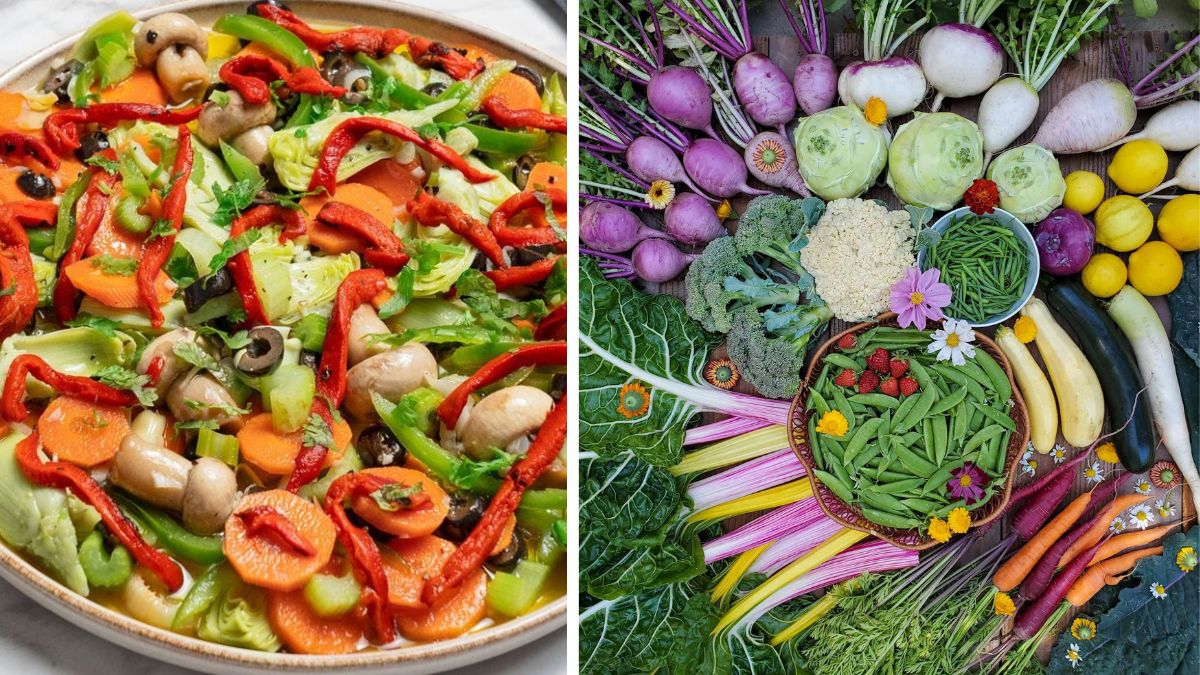
When the air turns crisp, the days grow shorter, and frost paints the edges of your garden, there’s nothing quite like a bowl of comfort food to warm your spirit. Whether it’s a steaming pot of vegetable stew, creamy mashed potatoes, or a bubbling casserole, these cozy dishes have one thing in common — they taste even better when made with homegrown vegetables.
Growing your own ingredients adds a layer of satisfaction that store-bought produce simply can’t match. You’re not just cooking; you’re crafting comfort straight from the soil. This guide explores how to grow, harvest, and cook the perfect vegetables that bring warmth and nourishment to chilly days.
1. The Meaning of Comfort Food — and Why Homegrown Matters
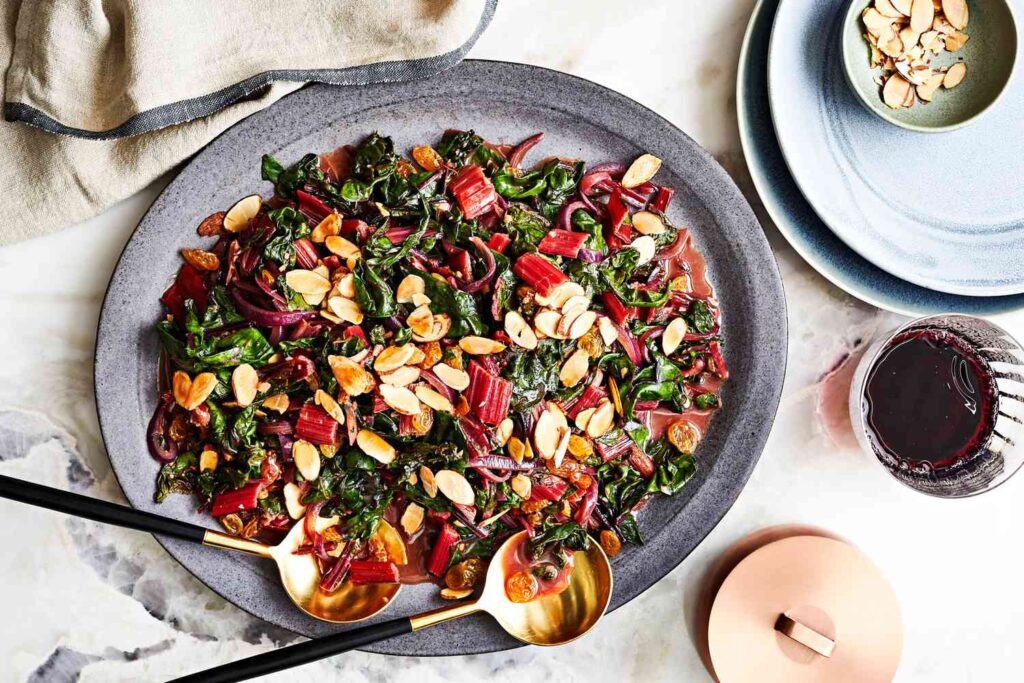
Comfort food isn’t just about taste; it’s about emotion. It evokes memories of family dinners, lazy Sundays, and moments when food feels like a hug in a bowl. But the essence of comfort food — freshness, wholesomeness, and warmth — begins long before the stove.
When you grow your own vegetables, you control every aspect of their journey — the soil they’re rooted in, the care they receive, and the moment they’re harvested. The result? Produce that’s fresher, richer in nutrients, and bursting with natural flavor.
Imagine preparing a hearty vegetable soup with carrots you pulled that morning or roasted potatoes dug up just before dinner. That’s not just cooking — that’s cultivating comfort from the ground up.
2. The Best Comfort Food Veggies to Grow at Home

Cold-weather comfort dishes often revolve around a few star vegetables. These crops thrive in cool conditions and store well, making them perfect for autumn and winter cooking.
1. Potatoes: The Pillar of Hearty Meals
Why They’re Essential: Potatoes are the backbone of comfort cuisine — from creamy mashed potatoes to golden-roasted wedges and stews that stick to your ribs.
How to Grow:

- Planting Time: Early spring or late summer (for a fall harvest).
- Soil: Loose, rich, well-drained soil with plenty of compost.
- Sunlight: Full sun, at least 6 hours per day.
- Watering: Steady moisture, especially during tuber formation.
- Harvest Tip: When the foliage yellows and dies back, your potatoes are ready.
Culinary Tip: Boil, mash, or roast them with rosemary and garlic for an irresistible winter side dish.
2. Carrots: Sweet Roots for Soups and Stews

Why They’re Essential: Carrots bring color, sweetness, and texture to comfort dishes. Their earthy flavor deepens when cooked, making them ideal for slow-cooked meals.
How to Grow:
- Planting Time: Early spring or fall for sweeter roots.
- Soil: Loose, sandy, and stone-free.
- Sunlight: Full sun.
- Watering: Keep soil consistently moist to avoid splitting.
- Harvest Tip: Pick when ¾ inch thick for tenderness.
Culinary Tip: Add them to creamy soups, casseroles, or honey-glazed side dishes for natural sweetness and color.
3. Onions: The Foundation of Flavor
Why They’re Essential: Onions are the silent heroes of comfort food — forming the aromatic base of almost every warm dish.
How to Grow:
- Planting Time: Early spring or fall.
- Soil: Fertile and well-drained with compost mixed in.
- Sunlight: Full sun.
- Watering: Regular but moderate.
- Harvest Tip: Wait until the tops flop over and turn yellow before pulling.
Culinary Tip: Slowly caramelize onions to add depth to soups, gravies, or even grilled cheese sandwiches. Their sweetness transforms any dish into cozy perfection.
4. Cabbage: The Cool-Weather Champion
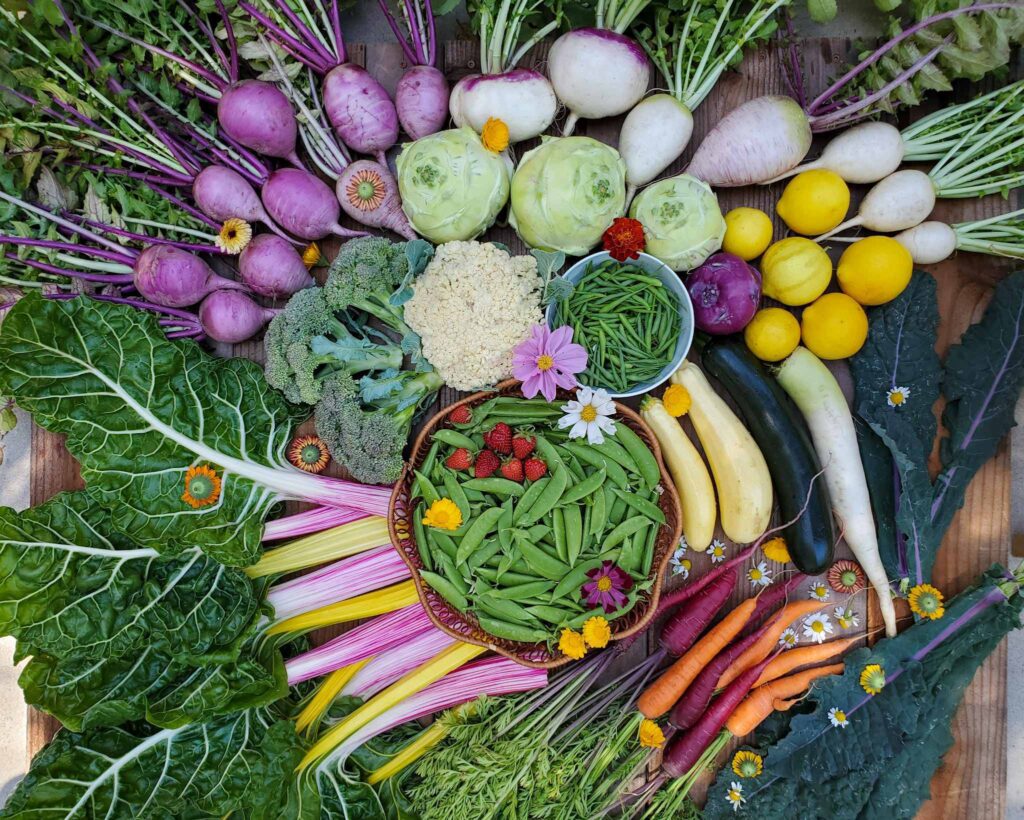
Why It’s Essential: Cabbage thrives in cold weather and adds crunch, flavor, and nutrition to hearty winter dishes.
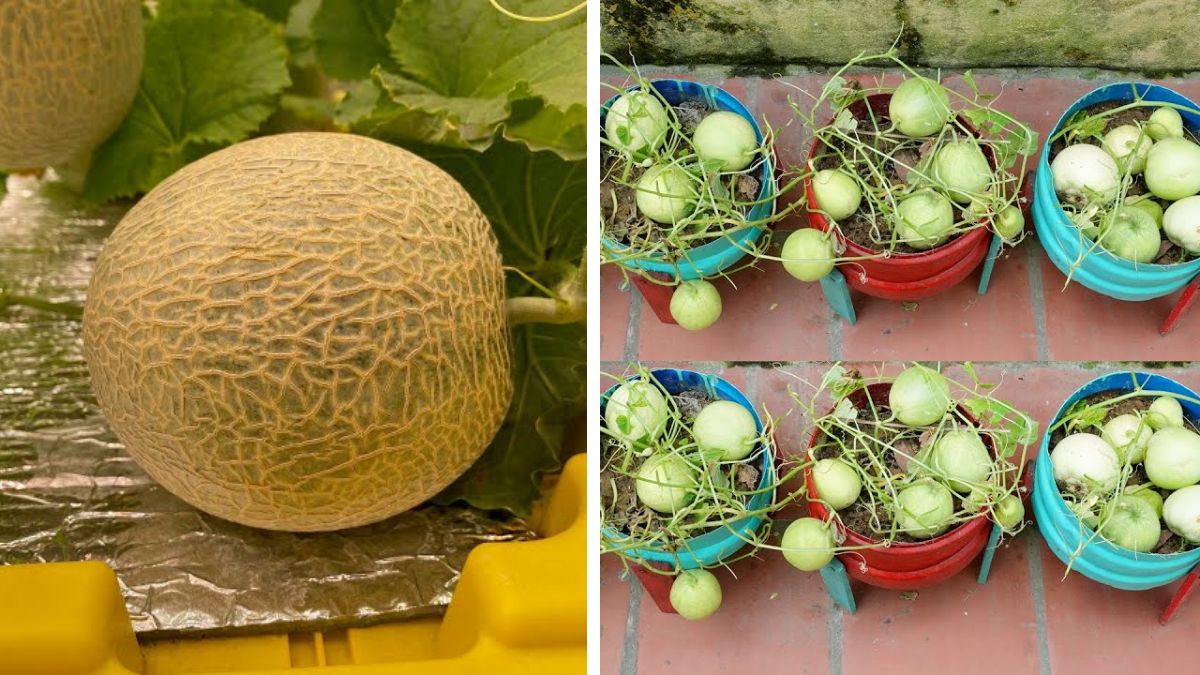
How to Grow:
- Planting Time: Late summer for fall harvest.
- Soil: Rich in organic matter with good drainage.
- Sunlight: Full sun to partial shade.
- Watering: Keep evenly moist to avoid bitterness.
- Harvest Tip: Cut when heads are firm and compact.
Culinary Tip: Try it in soups, stir-fries, or baked casseroles — or ferment it into homemade sauerkraut for gut-warming health benefits.
5. Spinach and Kale: The Leafy Lifesavers

Why They’re Essential: These greens are packed with iron, vitamins, and earthy flavor. They thrive in cold conditions and can survive light frost — making them perfect for late-harvest gardens.
How to Grow:
- Planting Time: Early spring or autumn.
- Soil: Fertile, well-drained, and moist.
- Sunlight: Full sun to partial shade.
- Watering: Keep soil damp; mulch helps retain moisture.
- Harvest Tip: Pick outer leaves regularly to encourage regrowth.
Culinary Tip: Use them in creamy soups, pasta bakes, or sautéed with garlic and olive oil for a simple, warming side.
6. Peas: A Sweet Touch of Green
Why They’re Essential: Peas add freshness and sweetness to otherwise heavy comfort foods. They pair beautifully with creamy sauces or savory pies.
How to Grow:
- Planting Time: Early spring or fall.
- Soil: Rich, well-draining, with compost added.
- Sunlight: 6–8 hours of light per day.
- Watering: Keep consistently moist, especially during flowering.
- Harvest Tip: Pick pods when plump and tender.
Culinary Tip: Toss peas into creamy risotto, vegetable pot pies, or stews for bursts of garden-fresh flavor.
7. Herbs: The Secret to Soulful Flavor
Why They’re Essential: Fresh herbs like thyme, rosemary, and parsley elevate comfort dishes with warmth and aroma.
How to Grow:
- Thyme: Loves full sun and dry soil; perfect for stews and roasted veggies.
- Rosemary: Hardy and aromatic — adds depth to roasted potatoes or breads.
- Parsley: Grows easily in cool weather; great for garnishing soups and sauces.
Culinary Tip: Add herbs at the end of cooking for a burst of freshness, or infuse them early for deeper flavor.
3. Designing Your “Comfort Food” Garden
You don’t need acres of farmland to grow a comfort food garden. Even small spaces can produce abundant yields if you plan smartly.
Raised Beds: Great for root vegetables like carrots, potatoes, and onions. They provide good drainage and prevent soil compaction.
Containers: Perfect for herbs, spinach, and kale — easy to move and maintain.
Companion Planting: Combine crops that support each other’s growth — onions repel pests that attack carrots, while peas enrich the soil for neighboring plants.
Mulching: Keeps soil warm, conserves moisture, and extends your growing season into cooler months.
Tip: Use cold frames or row covers to protect your veggies during unexpected frosts — extending your harvest into late winter.
4. From Garden to Table: Turning Your Harvest into Comfort Food
Once your garden rewards you with a bounty, the fun begins — transforming those homegrown ingredients into warm, nourishing dishes.
Creamy Garden Vegetable Soup
Combine carrots, potatoes, onions, and peas in a vegetable broth. Add milk or cream, a sprig of thyme, and simmer until velvety. This soul-warming soup is perfect with crusty bread on a chilly evening.
Kale and Potato Casserole
Layer thinly sliced potatoes with sautéed kale, garlic, and onions. Pour over a mixture of milk and cheese, then bake until bubbling and golden. It’s the kind of dish that feels like a blanket in food form.
Rustic Veggie Stew
Chunky carrots, onions, cabbage, and potatoes simmered with herbs in a thick broth — hearty, healthy, and deeply satisfying. Pair with freshly baked bread for a complete winter meal.
Spinach and Cheese Stuffed Pastries
Wrap spinach, onions, and herbs in flaky pastry sheets and bake until golden brown. They’re perfect for cold afternoons or as a comforting snack with tea.
5. The Emotional and Environmental Rewards
Growing your own comfort food ingredients is more than just practical — it’s emotionally fulfilling. You connect with the rhythm of the seasons, learn patience, and appreciate the simple joys of nurturing life.
On cold days, the satisfaction of eating what you’ve grown is profound. It’s sustainable living at its most personal — reducing food miles, cutting waste, and cultivating gratitude for every meal.
Your backyard becomes not just a garden, but a living pantry that reflects care, effort, and love. Every bite of soup or spoonful of stew becomes a reminder: warmth isn’t just found in food — it’s grown in the soil of your own hands.
6. Final Harvest: The Heart of Homegrown Comfort
“Homegrown Veggies for Comfort Food on a Cold Day” isn’t just a thesis topic — it’s a lifestyle philosophy. It’s about slowing down, reconnecting with nature, and finding comfort in what you create.
Each vegetable — from the humble potato to the sweet pea — tells a story of growth, care, and nourishment. Together, they form the foundation of the meals that warm our bodies and hearts through winter’s chill.
So, as the temperature drops and you crave something cozy, step outside, harvest your garden’s treasures, and cook up something beautiful. Because the true essence of comfort food is not just in how it tastes — it’s in knowing it came from your own backyard. 🌿🥣