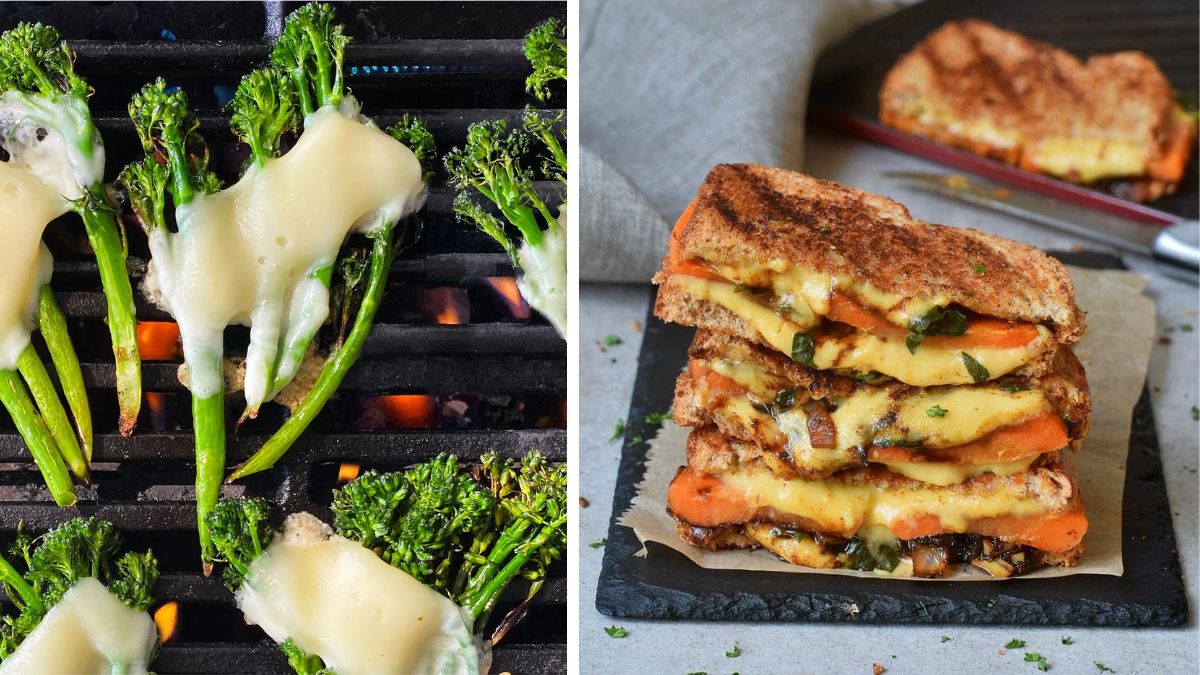
Few comfort foods rival the humble grilled cheese sandwich. That perfect crunch, the molten cheese, and the buttery golden crust make it an instant classic. But what if you could take that timeless bite to the next level — by growing your own vegetables to complement and elevate it? Imagine pairing your creamy cheddar with homegrown tomatoes, caramelized onions, roasted peppers, or even a touch of garden-fresh spinach. “Grilled Cheese with a Twist” isn’t just about upgrading your sandwich — it’s about cultivating flavor from the soil up.
This article explores how to grow key vegetables that can transform your grilled cheese into a gourmet delight — from choosing the right seeds to harvesting the perfect produce. Let’s dive into how your backyard can become the secret ingredient to your next cheesy masterpiece.
1. The Vision: Why Grow for a Grilled Cheese Garden?

Grilled cheese has always been about simplicity, but its magic lies in customization. Whether you prefer a spicy kick or a veggie-loaded stack, adding fresh ingredients can make every bite more vibrant. Growing your own veggies ensures not only superior taste but also sustainability and self-reliance.
When you harvest your ingredients minutes before cooking, you’re experiencing freshness that no store can replicate. Plus, home gardening connects you to the rhythms of nature — and makes every meal a celebration of your effort.
A “Grilled Cheese Garden” focuses on easy-to-grow, flavorful vegetables that pair beautifully with melted cheese. Think of it as cultivating layers of taste: sweetness from bell peppers, acidity from tomatoes, and leafy goodness from spinach or basil.
2. Star Ingredients: What to Grow

Here’s a guide to some of the best vegetables (and herbs) that enhance a grilled cheese sandwich — with detailed growing tips for each.
Tomatoes: The Juicy Classic
Why They Work: Tomatoes bring brightness and a tangy-sweet balance to cheese’s richness. Varieties like Roma, Cherry, or Brandywine are excellent for roasting, slicing, or layering.
How to Grow:
- Planting Time: Start seeds indoors 6–8 weeks before the last frost or buy seedlings for easier planting.
- Soil: Use nutrient-rich, well-draining soil with compost.
- Sunlight: Full sun, at least 6–8 hours daily.
- Watering: Keep soil consistently moist but not soggy.
- Harvest Tip: Pick when the fruits are firm and fully colored.
Pro Tip: For a gourmet twist, roast homegrown cherry tomatoes with olive oil and herbs — they add a caramelized sweetness that pairs beautifully with sharp cheddar or mozzarella.
Bell Peppers: Sweet and Colorful Crunch

Why They Work: Bell peppers add crunch, color, and mild sweetness to balance melted cheese. You can roast them for smoky depth or sauté for a softer bite.
How to Grow:
- Planting Time: Late spring, once frost risk is gone.
- Soil: Warm, well-drained soil enriched with compost.
- Sunlight: 6–8 hours of full sun daily.
- Watering: Keep soil evenly moist; avoid overwatering.
- Harvest Tip: Pick when the peppers turn bright red, orange, or yellow for the sweetest flavor.
Pro Tip: Grow red and yellow varieties for natural sweetness. Add thin roasted slices into your grilled cheese for a rainbow of color and flavor.
Spinach: The Leafy Boost
Why It Works: Spinach brings earthy, slightly bitter notes that cut through the richness of cheese. Plus, it’s packed with nutrients.
How to Grow:
- Planting Time: Early spring or fall; it prefers cooler weather.
- Soil: Moist, fertile, and well-drained.
- Sunlight: Partial shade to full sun.
- Watering: Water regularly; mulch to retain moisture.
- Harvest Tip: Pick outer leaves when 3–4 inches long to encourage regrowth.
Pro Tip: Sauté spinach with a touch of garlic and olive oil before adding to your grilled cheese. It pairs beautifully with feta or mozzarella.
Onions: Sweet, Caramelized Perfection
Why They Work: Caramelized onions introduce a deep, savory sweetness that contrasts cheese’s saltiness — a gourmet touch that feels restaurant-worthy.
How to Grow:
- Planting Time: Late winter or early spring.
- Soil: Loose, well-drained soil rich in organic matter.
- Sunlight: Full sun.
- Watering: Moderate but consistent moisture.
- Harvest Tip: Pull onions when tops fall over and start to yellow.
Pro Tip: Red onions or Walla Walla sweet onions caramelize beautifully. Add them to a grilled cheese with Gruyère or Swiss for a rich, umami-packed sandwich.
Basil: The Fragrant Finisher
Why It Works: Basil’s aromatic, peppery flavor enhances nearly any grilled cheese. Whether used fresh or as homemade pesto, it adds brightness.
How to Grow:
- Planting Time: Warm months after frost.
- Soil: Well-draining soil with organic compost.
- Sunlight: Full sun, 6–8 hours a day.
- Watering: Keep soil moist, not waterlogged.
- Harvest Tip: Pinch leaves often to encourage bushy growth.
Pro Tip: Layer fresh basil leaves with mozzarella and tomato for a Caprese-inspired grilled cheese. Drizzle with balsamic glaze for extra flair.
3. Creating the Perfect Garden Space
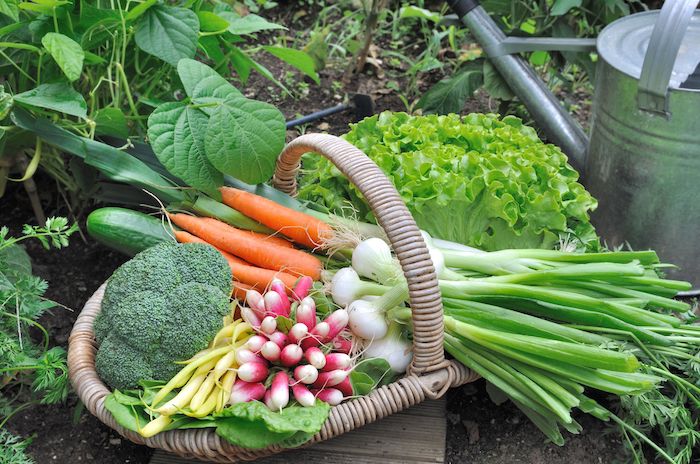
You don’t need a massive backyard to grow your own grilled cheese veggies — even a balcony or small patio can work wonders.
Container Gardening: Use pots or raised beds for tomatoes, peppers, and basil. Choose containers with good drainage and fill them with nutrient-rich potting soil.
Companion Planting: Basil and tomatoes make great neighbors — they naturally repel pests and boost each other’s flavor. Spinach and onions can grow nearby without competition.
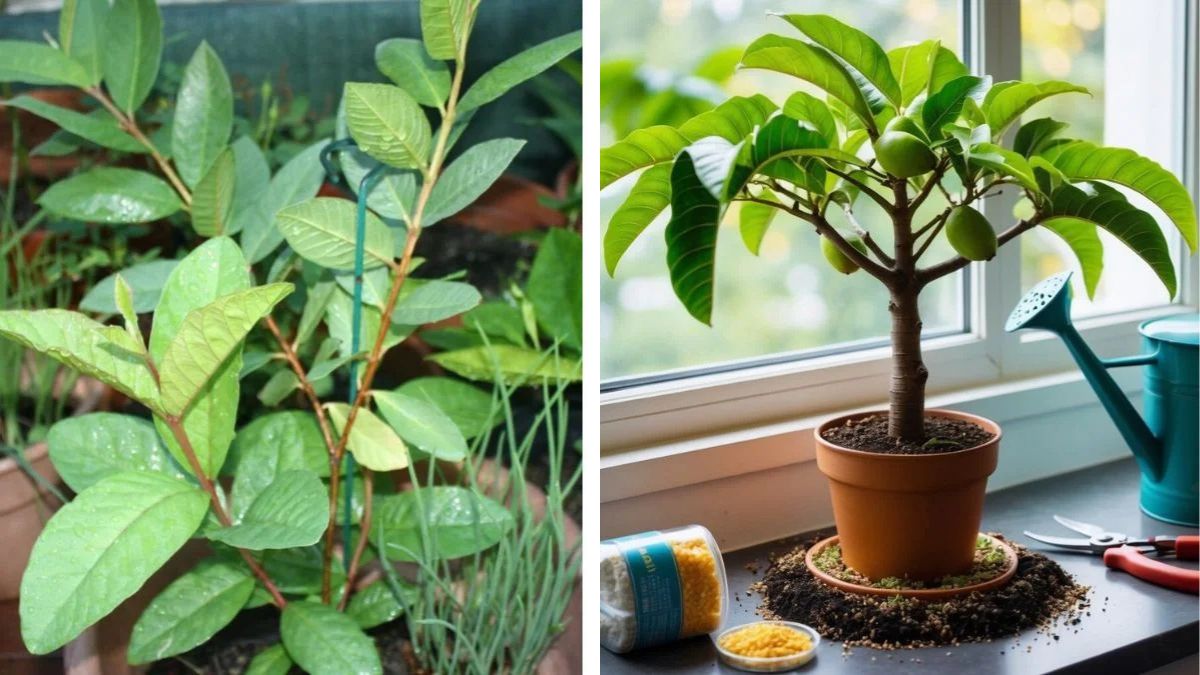
Organic Practices: Use compost, natural fertilizers, and mulch to feed the soil. Avoid chemical pesticides; instead, try neem oil or companion herbs like marigold to deter insects.
Watering Schedule: A drip irrigation system or consistent hand-watering in the morning helps maintain moisture without overdoing it.
4. From Garden to Grill: Bringing It All Together
Now that you’ve grown your veggies, it’s time to craft your ultimate grilled cheese with a homegrown twist.
Here’s how you can combine flavors:
- Classic Garden Melt: Tomato, basil, and mozzarella between sourdough slices. Add a drizzle of olive oil and sea salt before grilling.
- Spicy Veggie Crunch: Roasted red peppers, caramelized onions, and cheddar on multigrain bread. Add chili flakes or jalapeños for a fiery touch.
- Green Goddess Grilled Cheese: Spinach, pesto, and provolone layered with a touch of garlic butter.
- Sweet & Savory Fusion: Grilled onions, yellow bell peppers, and Swiss cheese, finished with a drizzle of honey or balsamic glaze.
Cooking Tip: Grill your sandwich on a cast-iron skillet or panini press for even browning. Use a mix of butter and olive oil for that signature golden crust.
5. The Eco and Emotional Benefits
Beyond taste, growing your own veggies connects you to your food in a meaningful way. You reduce your carbon footprint, minimize packaging waste, and ensure everything on your plate is pesticide-free.
Tending a garden also improves mindfulness and reduces stress. Watching a tomato ripen or basil flourish gives you a sense of accomplishment that carries straight to your kitchen.
And when you take that first bite of your homegrown grilled cheese masterpiece — buttery, cheesy, and bursting with your garden’s freshness — you’ll know the effort was worth every leaf, sprout, and seed.
6. Final Bite: Growing Flavor, One Sandwich at a Time
“Grow Your Own Veggies for Grilled Cheese with a Twist” is more than a catchy idea — it’s a lifestyle rooted in freshness, creativity, and sustainability. Your garden becomes your pantry, and your sandwiches become edible art.
By cultivating simple crops like tomatoes, spinach, basil, peppers, and onions, you’re not just making food — you’re crafting flavor from the ground up. So, pull on your gardening gloves, plant those seeds, and get ready to flip your best grilled cheese yet — one that’s delicious, nutritious, and uniquely yours.