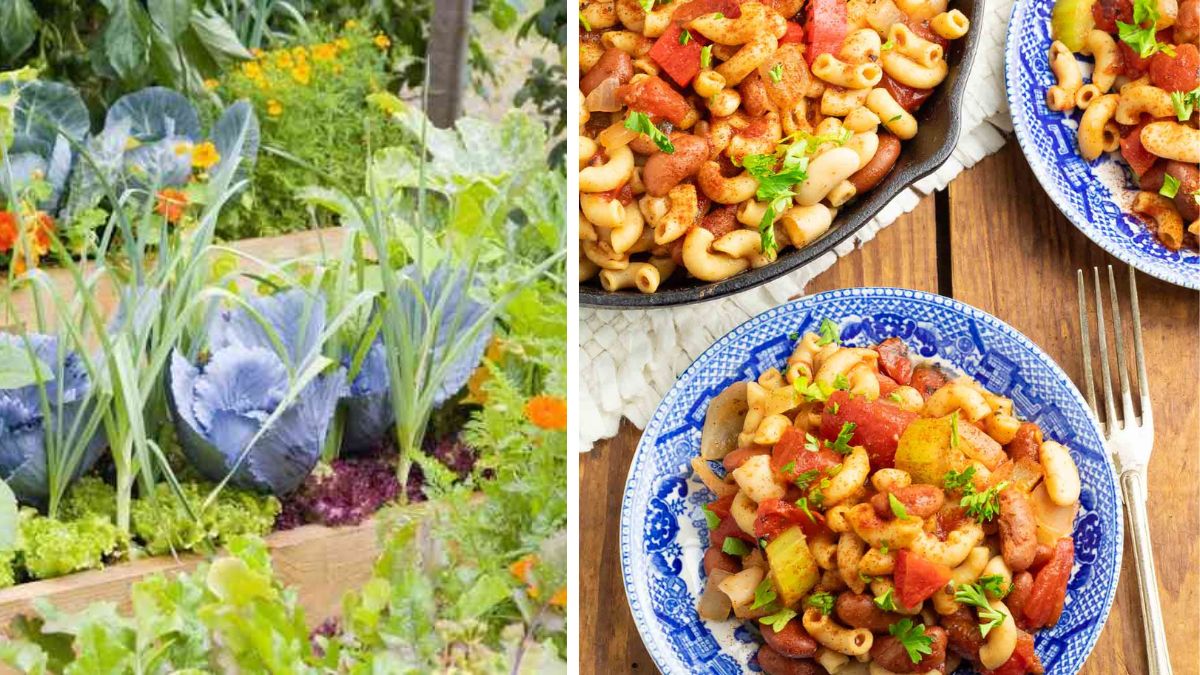
Few dishes capture the spirit of hearty home cooking quite like chili mac. A perfect blend of comfort and flavor, it combines the zesty warmth of chili with the creamy indulgence of macaroni and cheese. But what if the secret to the best chili mac wasn’t just in the kitchen — but in your garden?
Imagine a bowl filled with homegrown tomatoes, beans, peppers, onions, and herbs, each one nurtured by your care and harvested at its peak. The result isn’t just a meal — it’s a story of patience, connection, and the pure joy of turning your garden’s bounty into a heartwarming dish.
This article explores how to grow the key ingredients for chili mac, care for them from seed to harvest, and finally, transform them into a comforting bowl of homemade goodness.
1. The Essence of Garden-to-Table Cooking
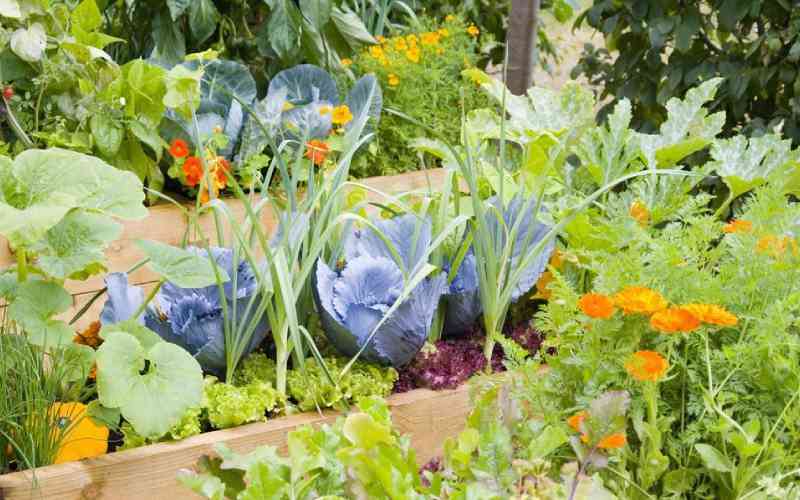
“Garden-to-table” isn’t just a food trend — it’s a return to authenticity. It means understanding where your food comes from, growing it with intention, and savoring it at its freshest.
For a dish like chili mac — rich, bold, and full of layers — garden-grown ingredients make all the difference. Fresh vegetables add sweetness, depth, and texture that canned or store-bought alternatives simply can’t match.
Home gardening also brings benefits beyond taste:
- Sustainability: Reduces packaging and transport emissions.
- Nutrition: Fresher vegetables retain more vitamins and antioxidants.
- Mindfulness: Gardening connects you to nature and the rhythm of the seasons.
So, before we simmer that pot of chili mac, let’s get our hands in the soil.
2. The Star Ingredients for Garden-Grown Chili Mac

The beauty of chili mac is that it’s flexible — you can make it spicy or mild, vegetarian or meat-based. But no matter your version, these veggies form the heart of the dish.
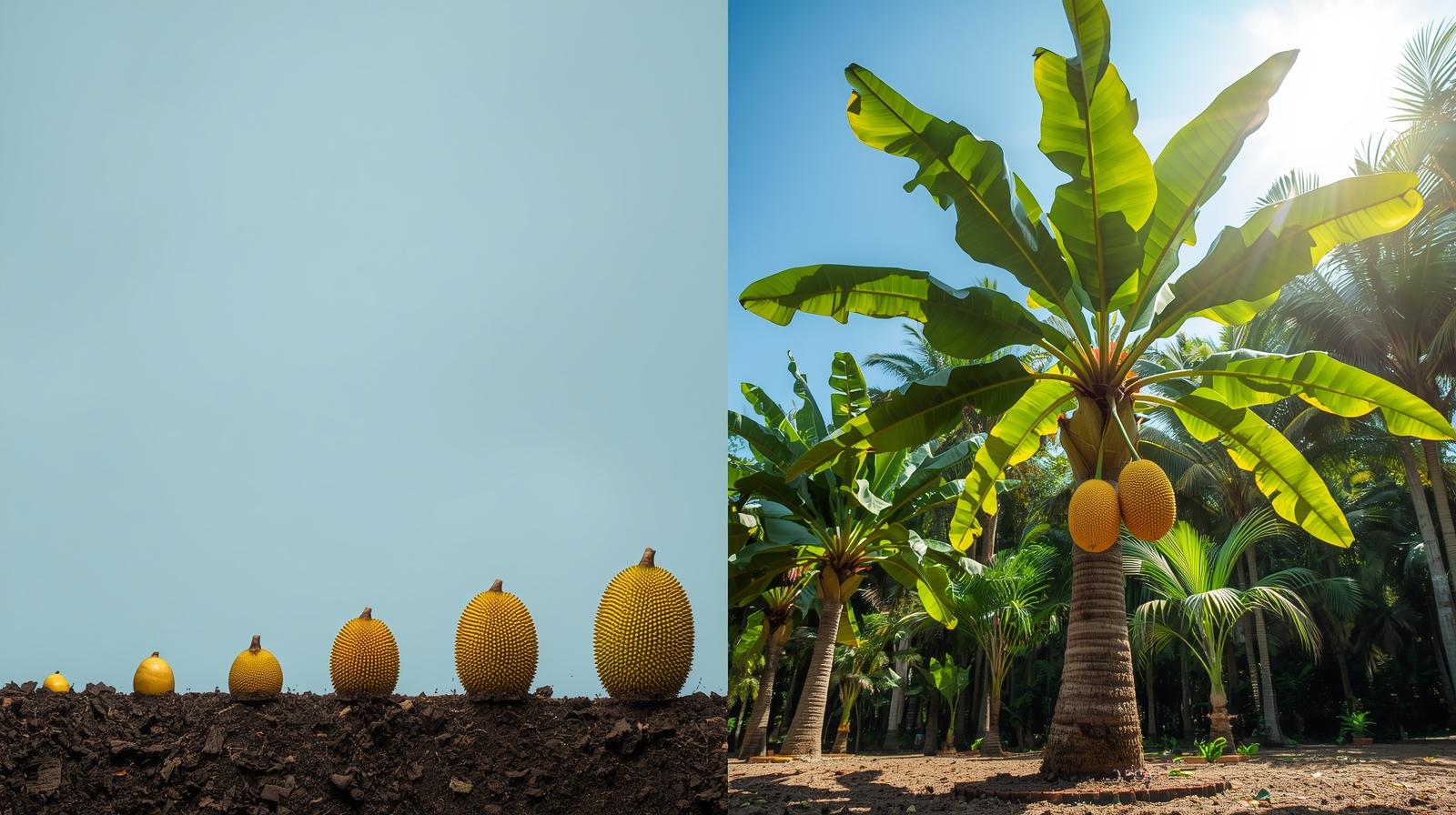
Let’s look at how to grow each one successfully at home.
1. Tomatoes: The Saucy Foundation
Why They Matter: Tomatoes are the base of your chili. Their acidity and sweetness balance the richness of cheese and pasta, forming that iconic tangy-smooth sauce.
How to Grow:
- Planting Time: Start seeds indoors 6–8 weeks before the last frost. Transplant outdoors once soil warms.
- Soil: Rich, loamy, and well-drained with compost.
- Sunlight: Full sun, at least 6–8 hours daily.
- Watering: Deep watering 2–3 times per week. Avoid wetting leaves to prevent disease.
- Harvest Tip: Pick when fruits are fully colored and slightly soft.
Pro Tip: Grow Roma or San Marzano tomatoes for thicker, meatier sauces — perfect for chili mac bases.
2. Beans: The Protein Powerhouse

Why They Matter: Beans give chili mac its heartiness and texture. Whether black beans, kidney beans, or pinto beans, they add plant-based protein and a creamy bite.
How to Grow:
- Planting Time: Late spring, when soil is warm.
- Soil: Fertile, loose soil rich in compost.
- Sunlight: 6–8 hours daily.
- Watering: Keep soil evenly moist but not soggy.
- Harvest Tip: Pick pods when firm but not tough. For dried beans, let pods mature and dry on the plant.
Pro Tip: Bush beans work well in small gardens, while pole beans save space by growing vertically.
3. Bell Peppers: The Sweet and Spicy Touch
Why They Matter: Bell peppers and chili peppers bring both sweetness and heat to chili mac. Their bright flavor complements the rich tomato base and cheese.
How to Grow:
- Planting Time: Late spring, after frost risk passes.
- Soil: Warm, well-draining soil with organic matter.
- Sunlight: Full sun.
- Watering: Deep water once or twice weekly.
- Harvest Tip: Harvest green peppers for mild flavor, or let them ripen to red, orange, or yellow for sweetness.
Pro Tip: Grow both sweet bell peppers and a mild chili variety like jalapeño or Anaheim for a balanced kick.
4. Onions and Garlic: The Flavor Builders
Why They Matter: These aromatics form the backbone of any chili. They add savory depth and help tie all the ingredients together.
How to Grow:
- Onions:
- Planting Time: Early spring.
- Soil: Fertile, loose, and well-drained.
- Sunlight: Full sun.
- Watering: Moderate but consistent.
- Harvest Tip: Pull when tops fall over and dry slightly.
- Garlic:
- Planting Time: Fall, before the first frost.
- Soil: Loose, rich soil with compost.
- Sunlight: 6+ hours daily.
- Harvest Tip: Harvest in mid-summer when the lower leaves turn brown.
Pro Tip: Roast your homegrown garlic before adding it — it gives chili mac a buttery, caramelized undertone.
5. Herbs and Seasonings: The Flavor Elevators

Why They Matter: Fresh herbs elevate your chili mac from simple to spectacular. Oregano, basil, and thyme add complexity, while cilantro offers freshness for garnish.
How to Grow:
- Oregano & Thyme: Thrive in sunny, dry soil; perfect for seasoning your chili.
- Basil: Prefers warm weather and moist, well-drained soil.
- Cilantro: Grows best in cooler temperatures with partial shade.
Pro Tip: Dry extra herbs for winter use. Crumble them into your chili during simmering for deeper flavor.
3. Designing Your Chili Mac Garden
A “Chili Mac Garden” can thrive even in small spaces. You don’t need a huge backyard — just sunlight, good soil, and consistent care.
Layout Ideas:
- Raised Beds: Perfect for tomatoes, beans, and peppers — easy drainage and pest control.
- Container Gardening: Great for herbs and smaller pepper plants.
- Vertical Trellises: Use for climbing beans to save space.
Companion Planting:
- Tomatoes love basil and onions nearby.
- Peppers thrive next to carrots and marigolds (which repel pests).
- Avoid planting beans near onions or garlic — they can stunt each other’s growth.
Organic Practices:
Compost your kitchen scraps, mulch your beds, and use neem oil or insecticidal soap for pest management. Healthy soil equals flavorful veggies — and a better chili mac.
4. From Garden to Kitchen: Crafting Your Chili Mac
Once your harvest is ready, it’s time to turn it into a comforting, crowd-pleasing dish.
Step 1: The Chili Base
Ingredients:
- 3–4 homegrown tomatoes (or 2 cups diced)
- 1–2 homegrown onions, chopped
- 2 cloves homegrown garlic, minced
- 1 cup cooked homegrown beans
- 1–2 homegrown bell peppers (or one bell + one chili for heat)
- Olive oil, salt, pepper, oregano, and chili powder to taste
Instructions:
- Heat olive oil in a pot. Sauté onions and garlic until fragrant.
- Add diced peppers and cook until soft.
- Stir in tomatoes and cook until they release their juices.
- Add beans, herbs, and chili powder. Simmer 20–30 minutes until thick and flavorful.
Optional: Add corn or zucchini from your garden for extra color and sweetness.
Step 2: The Macaroni Magic
Ingredients:
- 2 cups cooked macaroni
- 1 cup shredded cheese (cheddar or mozzarella)
- A splash of milk or cream
Instructions:
- Cook pasta al dente.
- Mix with a bit of cheese and milk for a creamy texture.
- Fold the pasta into your chili base and stir until evenly coated.
Optional: For a baked version, top with cheese and bake until golden and bubbly.
Step 3: The Garden Garnish
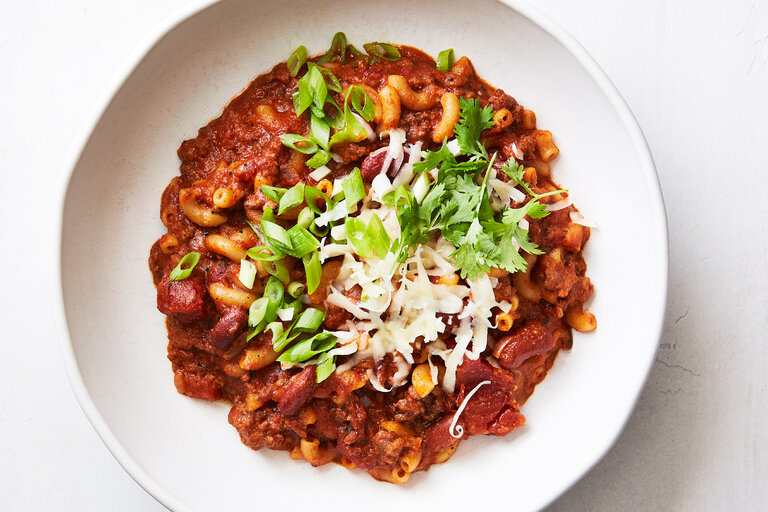
Top your chili mac with fresh cilantro or parsley from your herb garden. Add a sprinkle of diced green onions or roasted cherry tomatoes for an extra layer of freshness.
5. The Emotional and Environmental Benefits
A bowl of garden-to-table chili mac warms you twice — first when you grow it, and again when you eat it. You’ve nurtured every ingredient from seed to harvest, turning gardening into a culinary journey.
Beyond personal satisfaction, this practice promotes:
- Sustainability: Fewer chemicals, zero packaging, and minimal carbon footprint.
- Well-being: Gardening reduces stress and fosters mindfulness.
- Nutrition: Homegrown vegetables are fresher and richer in flavor and vitamins.
You’re not just cooking — you’re practicing sustainable living with every meal.
6. The Final Bite: Homegrown Flavor, Heartwarming Results
“Garden-to-Table Chili Mac: Grow and Cook at Home” is more than a thesis title — it’s a celebration of how simple, everyday ingredients can become extraordinary when grown with care.
Each bite carries the story of your garden: the tomatoes ripened in sunlight, the beans climbing their trellis, the peppers glowing like jewels in the soil. When combined in your kitchen, they create a dish that’s as nourishing to the soul as it is to the body.
So this season, plant your ingredients, nurture your garden, and cook your chili mac with pride. Because the best comfort food doesn’t come from a package — it grows in your backyard, blooms in your kitchen, and warms your heart on even the coldest day. 🌱🍅🫛🍝