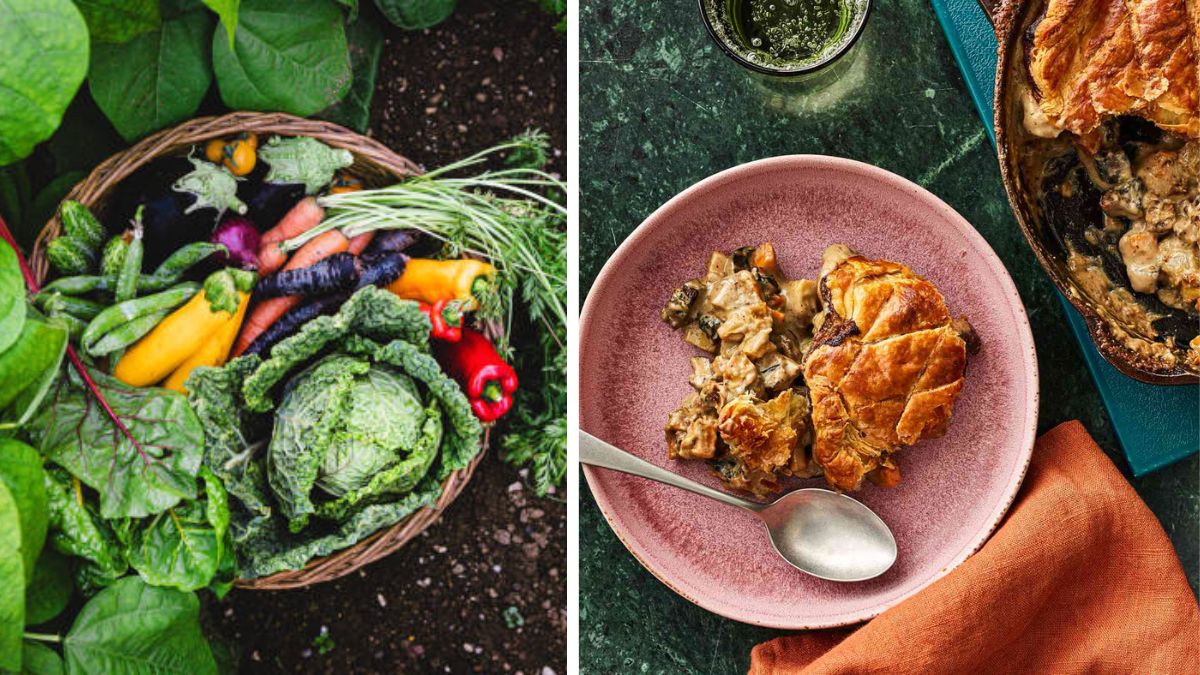
There’s something deeply comforting about a golden, flaky veggie pot pie — bubbling with creamy sauce and bursting with colorful vegetables beneath its crust. It’s a dish that feels like home, warmth, and care all baked into one bite. But what if your veggie pot pie didn’t start in the kitchen — what if it began in your backyard?
Growing your own vegetables for a homemade pot pie isn’t just rewarding; it’s the secret to freshness and flavor. When you pull carrots from the soil, snip peas straight from the vine, or pick fragrant herbs moments before cooking, your pot pie transforms from a meal into a story — one that’s fresh, sustainable, and utterly delicious.
This guide explores how to grow, harvest, and use backyard veggies that will make your next veggie pot pie taste garden-fresh and gourmet.
1. Why Grow for a Veggie Pot Pie?
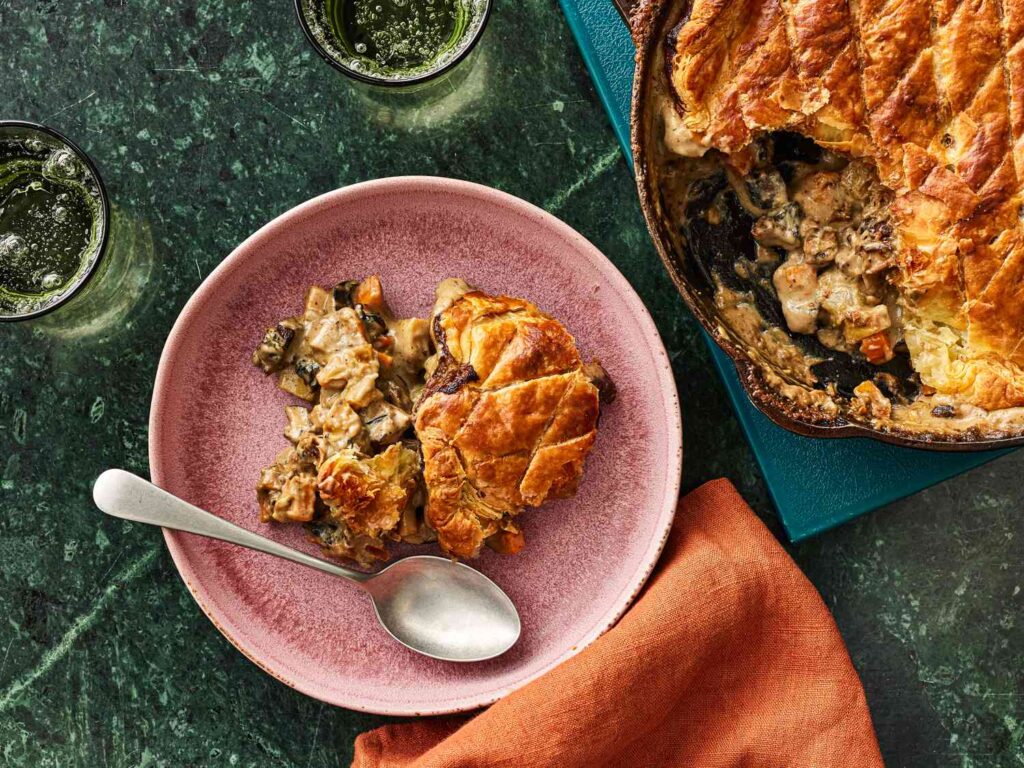
The veggie pot pie is a true comfort classic — creamy filling, hearty texture, and savory satisfaction in every forkful. But its flavor depends on one thing: the quality of the vegetables inside. Store-bought veggies may be convenient, but they often lack the sweetness, crunch, and aroma that only fresh-picked produce delivers.
By cultivating your own pot pie garden, you can:
- Ensure maximum freshness and nutrition.
- Reduce food waste by harvesting only what you need.
- Cut grocery costs while enjoying organic, pesticide-free ingredients.
- Bring variety — experiment with heirloom carrots, rainbow chard, or purple potatoes to make your pie colorful and unique.
A backyard veggie garden doesn’t have to be large. Even a few raised beds or containers can provide all the core ingredients needed for a hearty pot pie.
2. The Star Veggies for Your Pot Pie Garden

Let’s explore the key vegetables that make a pot pie shine — and how to grow them successfully in your own backyard.
Carrots: The Sweet Core of Comfort
Why They Work: Carrots add color, subtle sweetness, and texture to your filling. Their natural sugars caramelize beautifully when cooked, balancing the creamy sauce.
How to Grow:
- Planting Time: Early spring or fall. Carrots prefer cool weather.
- Soil: Loose, sandy soil with good drainage — no rocks or clumps.
- Sunlight: Full sun (6–8 hours daily).
- Watering: Keep soil evenly moist, but avoid waterlogging.
- Harvest Tip: Harvest when roots are about ¾ inch thick. Smaller carrots are often sweeter.
Pro Tip: Grow varieties like Nantes or Chantenay for a tender, flavorful bite in your pie.
Peas: The Pop of Freshness
Why They Work: Peas add a burst of sweetness and a pop of color. They pair perfectly with the creamy sauce and earthy vegetables inside your pot pie.
How to Grow:
- Planting Time: Early spring or fall; peas love cooler temperatures.
- Soil: Rich, well-drained soil with compost added.
- Sunlight: At least 6 hours of sun.
- Watering: Moderate watering; keep soil moist during flowering.
- Harvest Tip: Pick pods when they are plump but still tender.
Pro Tip: Try growing sugar snap or English shelling peas for a classic pot pie flavor. Trellis them for easy harvesting and healthy growth.
Potatoes: The Creamy Foundation

Why They Work: Potatoes add substance and heartiness to the filling. They absorb flavors and provide that comforting, soft texture that defines a good pot pie.
How to Grow:
- Planting Time: Early spring, once soil is workable.
- Soil: Loose, rich, and well-drained.
- Sunlight: Full sun, at least 6 hours daily.
- Watering: Consistent moisture, especially when tubers are forming.
- Harvest Tip: Wait until the plant’s foliage yellows before harvesting.
Pro Tip: Yukon Gold potatoes are perfect for pot pies — creamy, buttery, and ideal for thick sauces.
Onions: The Flavor Base
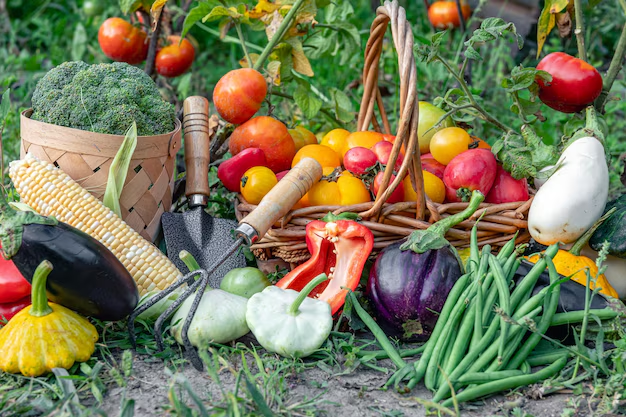
Why They Work: Onions form the aromatic base of any pot pie filling. Their mild sweetness deepens the flavor of your sauce.
How to Grow:
- Planting Time: Early spring or fall.
- Soil: Loose, rich soil with compost.
- Sunlight: Full sun.
- Watering: Regular, even watering — onions dislike drought.
- Harvest Tip: Pull bulbs when tops fall over naturally.
Pro Tip: Yellow onions or shallots are best for a rich, mellow taste. Caramelize them for deeper flavor before mixing them into your filling.
Celery: The Aromatic Crunch
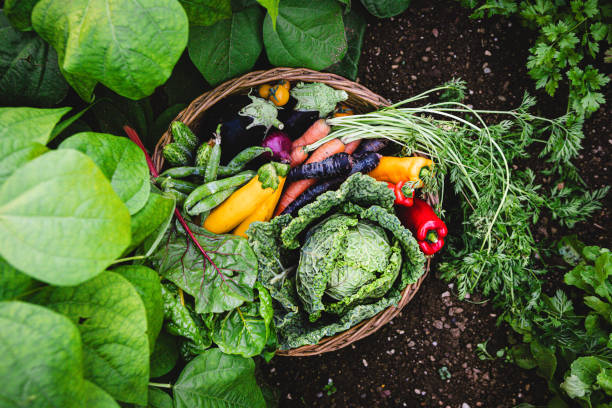
Why It Works: Celery adds crunch, aroma, and balance to the creamy richness of the pie. It’s often overlooked but essential.
How to Grow:
- Planting Time: Late spring after frost.
- Soil: Moist, fertile, and well-drained.
- Sunlight: Full sun to partial shade.
- Watering: Frequent and consistent — celery needs steady moisture.
- Harvest Tip: Harvest stalks when they’re about 12 inches tall.
Pro Tip: Pair celery with onions and carrots — the classic “mirepoix” trio — to form the flavor base of your pot pie filling.
Green Beans: The Textural Contrast
Why They Work: Green beans add texture and a light, vegetal flavor that balances heavier ingredients like potatoes or cream.
How to Grow:
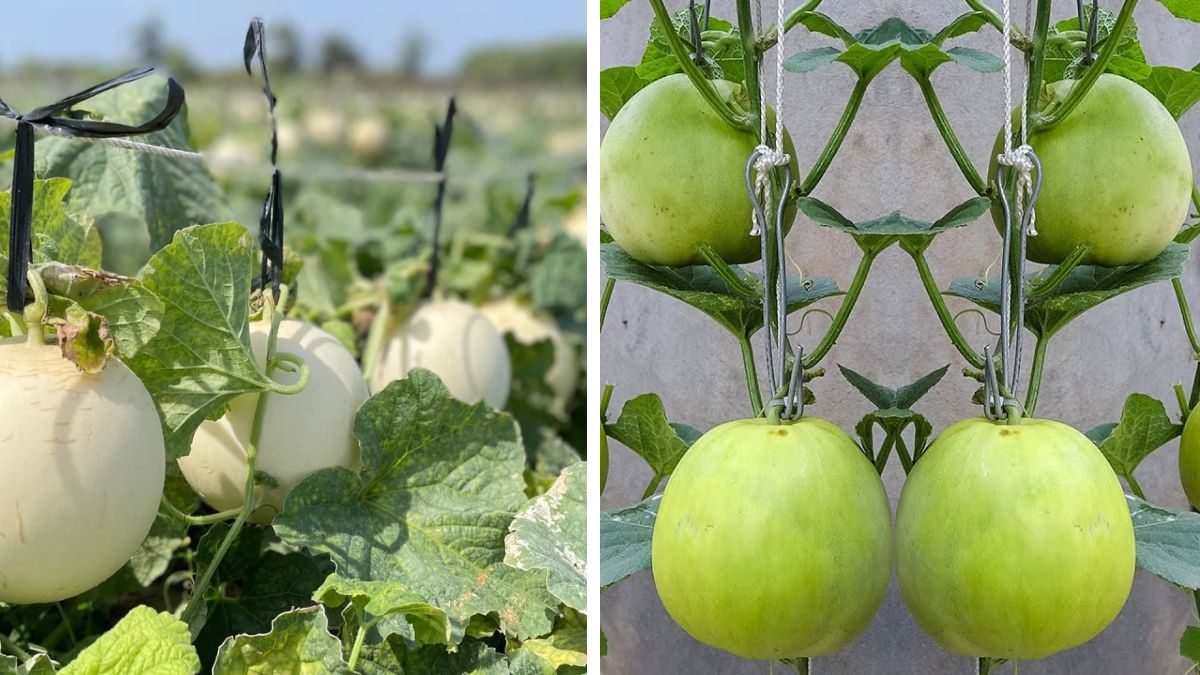
- Planting Time: Late spring after frost.
- Soil: Loose, well-drained soil enriched with compost.
- Sunlight: Full sun.
- Watering: Regular watering, about 1 inch per week.
- Harvest Tip: Pick beans when they are firm and about 4–5 inches long.
Pro Tip: Bush beans are easy to grow and harvest in small gardens. Blanch them before adding to your filling to preserve their crunch and color.
Herbs: The Secret to Irresistible Flavor
Why They Work: Herbs bring aroma and complexity to your dish. Fresh thyme, parsley, and rosemary elevate a basic filling to gourmet status.
How to Grow:
- Thyme: Loves full sun and dry soil. Snip stems regularly to encourage growth.
- Parsley: Grows well in partial shade; keep soil moist.
- Rosemary: Prefers sunlight and slightly dry soil; perfect for a Mediterranean flavor twist.
Pro Tip: Add fresh herbs at the end of cooking your filling to preserve their aroma and brightness.
3. Creating the Perfect Pot Pie Garden
You don’t need acres of land — even a small backyard, balcony, or patio can host a thriving pot pie garden.
Raised Beds: Ideal for root crops like carrots and potatoes. They offer great drainage and prevent soil compaction.
Containers: Perfect for peas, herbs, and beans. Choose deep pots with good drainage holes.
Companion Planting: Pair carrots and onions (they repel pests for each other), or peas and potatoes (peas fix nitrogen, improving soil fertility).
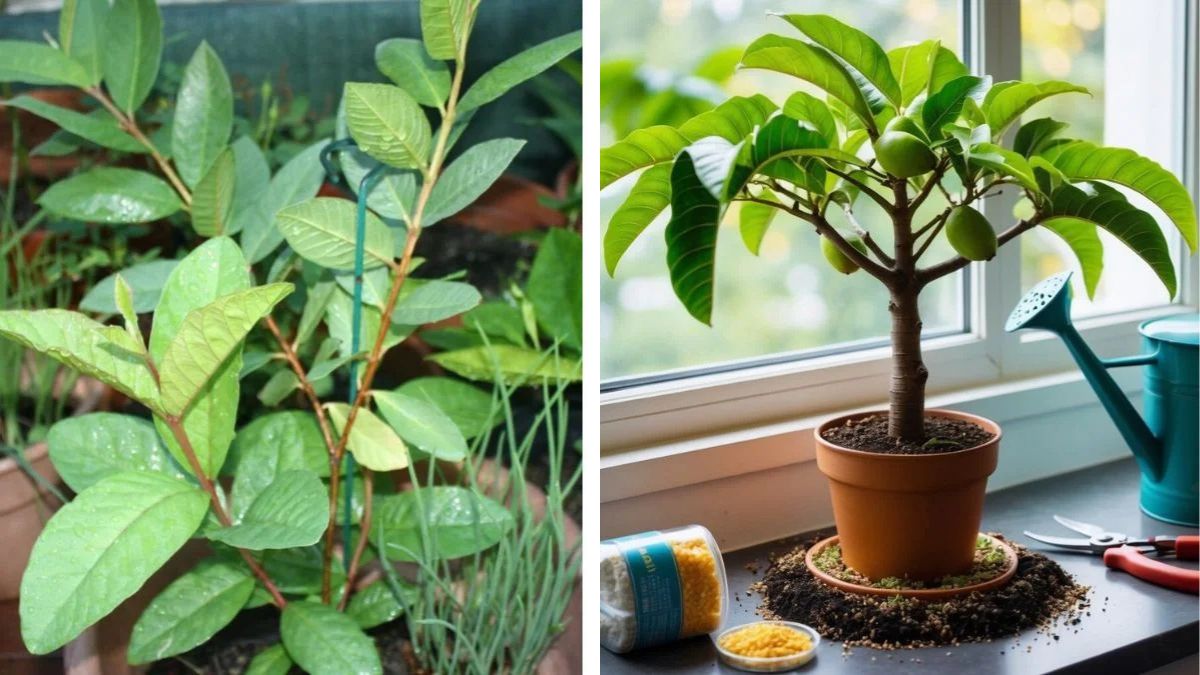
Soil Health: Mix compost, aged manure, and organic fertilizer to feed your plants naturally. Rotate crops yearly to avoid soil depletion.
Pest Control: Use natural deterrents like neem oil, marigolds, and ladybugs instead of harsh chemicals.
4. From Garden to Oven: Making Your Homegrown Pot Pie
Once your vegetables are ready, it’s time to transform them into a cozy pot pie.
Filling Base:
Sauté onions, carrots, and celery in butter until soft. Add peas, potatoes, and green beans. Stir in flour to thicken, then pour in vegetable broth and milk for a creamy sauce.
Seasoning:
Add thyme, parsley, salt, and black pepper. For a rustic touch, add a splash of white wine or a dash of nutmeg.
Crust:
Use homemade pie dough or puff pastry. Pour the filling into a dish, top with crust, and brush with egg wash for shine.
Bake:
Bake at 375°F (190°C) for 25–30 minutes or until golden brown and bubbling. Let cool for 10 minutes before serving.
Taste the Magic:
Every bite of your pot pie now tells the story of your garden — sweet peas you planted in spring, the carrots you pulled with your own hands, and the herbs you tended under morning sunlight.
5. The Benefits Beyond the Plate
Growing your own pot pie ingredients brings more than flavor — it brings fulfillment. You’re reconnecting with nature, reducing your environmental footprint, and fostering healthier eating habits.
Freshly grown produce contains more vitamins and minerals, and gardening itself promotes physical activity and mindfulness. Sharing a homemade pot pie with family or friends also deepens bonds and creates cherished memories around the table.
6. Final Crust: A Slice of Homegrown Happiness
“Backyard Veggies for Veggie Pot Pie” isn’t just a thesis — it’s a philosophy of living simply, sustainably, and deliciously. With a little soil, sunlight, and patience, your garden becomes an extension of your kitchen.
From the earthy sweetness of carrots to the herb-kissed aroma of thyme, every element you grow transforms your cooking — and your connection to food. So roll up your sleeves, plant those seeds, and prepare to bake a pot pie that’s not just comfort food — it’s your food, from your own backyard.