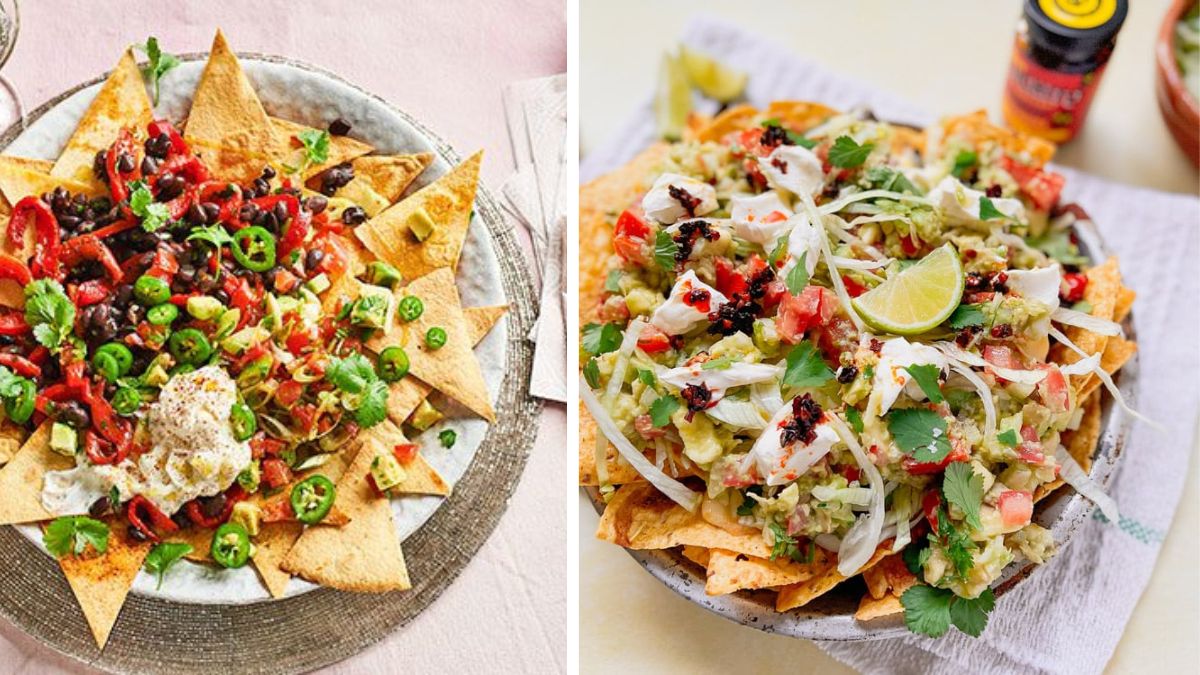
There’s something irresistibly satisfying about a big plate of veggie nachos—colorful, flavorful, and completely customizable. But imagine if those vibrant toppings didn’t come from a grocery store shelf, but straight from your own backyard garden. From crisp peppers to juicy tomatoes and zesty herbs, homegrown ingredients can transform your nachos into a fresh, flavorful, and sustainable delight. Gardening for nacho toppings not only enhances the taste of your favorite snack but also connects you to the joy of growing food with your own hands. Let’s dive into how you can turn your backyard into a nacho-lover’s paradise—one veggie at a time.
1. The Joy of Growing Your Own Nacho Garden

When you grow your own vegetables, you’re not just planting seeds—you’re planting possibilities. A “nacho garden” is a fun and rewarding project that provides the freshest ingredients for one of the most crowd-pleasing dishes out there. The difference between store-bought and homegrown produce is instantly noticeable: sweeter tomatoes, crunchier peppers, and herbs bursting with aroma.
Not only that, but growing your own food promotes sustainability. You reduce packaging waste, lower your carbon footprint, and gain a sense of independence. Plus, even a small backyard—or balcony—can produce an abundance of fresh toppings if planned right.
2. Tomatoes: The Juicy Heart of Every Nacho Plate

No nacho is complete without the bright tang of tomatoes. Whether you prefer them diced, turned into salsa, or layered in chunks, tomatoes are a must.
Best varieties to grow:
- Cherry tomatoes for quick-growing, bite-sized bursts of flavor.
- Roma tomatoes for thick, meaty flesh ideal for salsa.
- Early Girl or Celebrity for reliable, high-yield crops.
Growing tips:
Tomatoes need full sun—at least 6–8 hours daily. Start seeds indoors about 6 weeks before your last frost date, then transplant them outside once the soil warms up. Keep the soil moist but not soggy, and support plants with cages or stakes as they grow.
Harvest tip: Pick tomatoes when they’re fully red and slightly soft to the touch. Fresh, sun-warmed tomatoes add unbeatable sweetness to your nachos.
3. Peppers: The Crunch and Kick You Crave
Peppers are the stars of nacho toppings—adding color, crunch, and flavor that range from sweet to fiery.
Best varieties for nachos:
- Bell peppers (green, red, yellow, orange) for sweetness and crunch.
- Jalapeños or Serranos for a mild to medium heat.
- Banana peppers for a tangy, pickled-style flavor.
Growing tips:
Peppers thrive in warm weather. Start seeds indoors or buy seedlings, and plant them in a sunny, well-drained spot once nights stay above 15°C (60°F). Water deeply but not too frequently; they prefer consistent moisture without soggy roots.
Harvest tip: Green peppers can be picked early, but letting them ripen to red or yellow will boost sweetness. Slice them raw for fresh nachos or roast them for smoky depth.
4. Onions: Bringing the Bite and Balance
Onions add that savory-sweet punch that ties all nacho flavors together. Whether diced raw for sharpness or caramelized for richness, onions are a homegrown staple.
Best varieties for home gardens:
- Red onions for color and mild sweetness.
- White onions for a sharper taste perfect for salsas.
- Green onions (scallions) for easy, fast-growing freshness.
Growing tips:
Onions prefer loose, fertile soil and plenty of sunlight. You can start from seeds, sets, or transplants. Keep them weed-free and water consistently. Scallions are particularly rewarding because they can be harvested just weeks after planting.
5. Beans and Corn: A Classic Nacho Duo
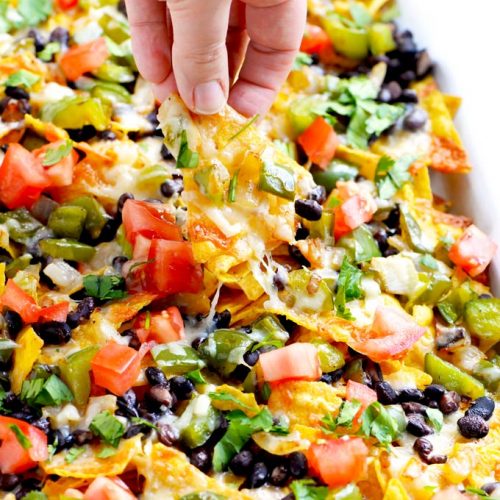
While you might not immediately think of growing corn and beans for nachos, they’re perfect for topping or mixing into veggie blends.
Sweet corn brings a pop of natural sweetness, especially when grilled. Black beans or pinto beans add protein, texture, and earthy flavor.
Growing tips for corn:
Plant corn in blocks rather than single rows for better pollination. They need full sun and rich soil. Keep them well-watered during tasseling and silking stages.
Growing tips for beans:
Bush beans are perfect for smaller gardens. Sow them directly into the ground after the last frost, and you’ll have harvest-ready pods in about 50–60 days.
6. Fresh Herbs: The Flavor Elevators
No nacho garden is complete without herbs that add zest and aroma. Herbs like cilantro, basil, and oregano enhance every bite with freshness.
Cilantro pairs beautifully with tomatoes and lime for salsa. Basil adds a unique twist if you’re creating Mediterranean-inspired nachos. Oregano brings that earthy, savory note common in Mexican cuisine.
Growing tips:
Herbs thrive in containers or small garden beds with good drainage. Most love sunlight, though cilantro prefers cooler weather. Regular trimming encourages bushy growth and constant fresh supply.
7. Bonus Crops: Avocados and Lettuce
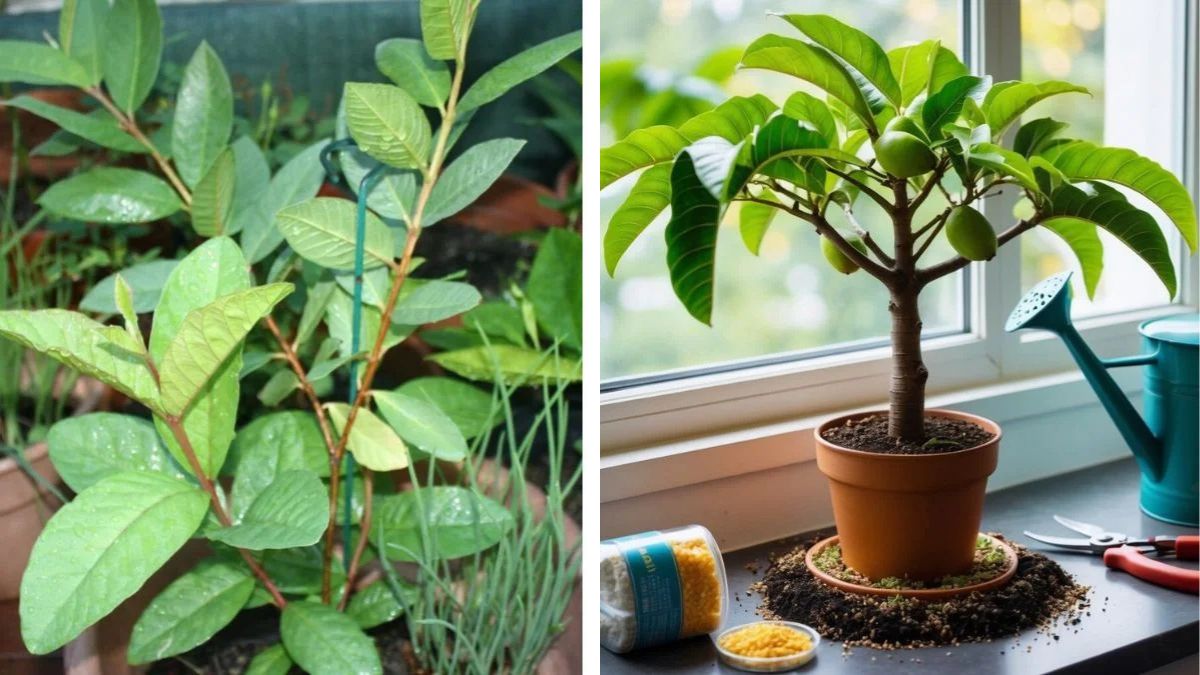
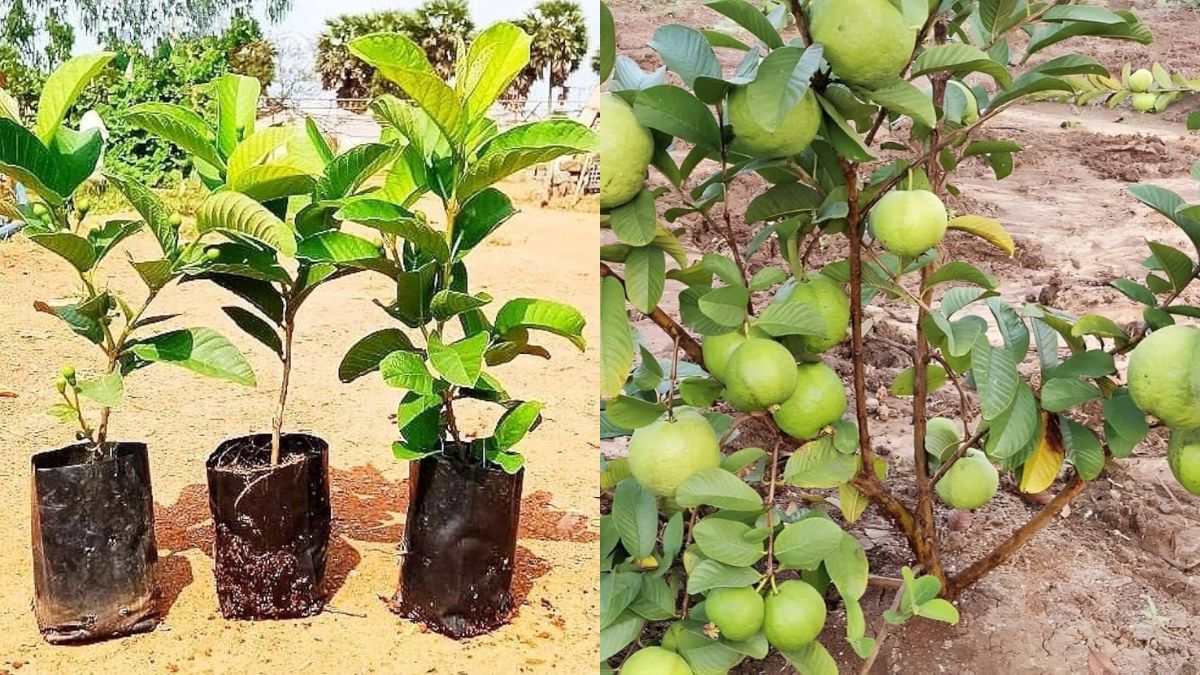
If your climate allows, try growing avocados—the ultimate topping for creamy guacamole. They need warm weather, lots of sun, and well-drained soil. Though they take patience to bear fruit, the reward is worth it.
Lettuce or microgreens can also be grown for extra texture. These crops are fast-growing and can be harvested continuously throughout the season.
8. Creating the Perfect Nacho Harvest Routine
To enjoy homegrown nachos year-round, stagger your planting. For example:
- Early spring: Start onions, tomatoes, and cilantro indoors.
- Late spring: Transplant peppers, beans, and corn.
- Summer: Harvest your first batches of tomatoes and peppers.
- Fall: Enjoy your bounty and dry herbs for winter use.
Store your harvest wisely—freeze diced peppers and tomatoes, dry herbs, and keep onions in a cool, dark place.
9. From Garden to Table: Crafting the Ultimate Veggie Nachos
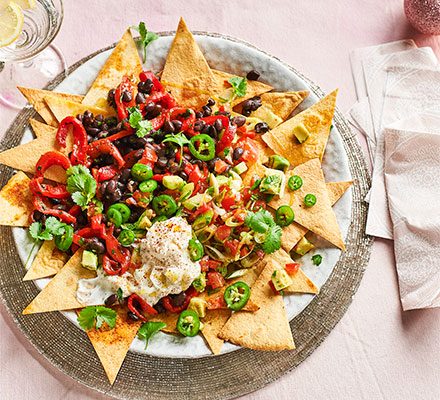
Once your backyard bounty is ready, it’s time to turn it into the nacho feast of your dreams.
How to assemble:
- Layer tortilla chips on a baking tray.
- Scatter on chopped homegrown peppers, onions, corn, and beans.
- Add diced or roasted tomatoes for juiciness.
- Sprinkle with cheese (or a vegan substitute) and bake until melted.
- Top with fresh herbs, avocado slices, and a drizzle of homemade salsa.
Every bite becomes a taste of your garden’s success—fresh, colorful, and filled with pride.
10. Why Homegrown Always Tastes Better

Homegrown veggies aren’t just fresher—they’re more nutritious and sustainable. Harvesting right before eating preserves vitamins and flavor that store-bought produce often loses in transit. Plus, gardening reduces waste, supports pollinators, and connects you with nature.
And perhaps best of all, your nacho nights will never be the same. Every crunch will remind you of sunny days spent nurturing your plants and watching them thrive.
Conclusion: Turn Your Backyard into a Nacho Paradise
Growing your own nacho toppings is an adventure filled with color, flavor, and satisfaction. You don’t need acres of land—just a few pots or a sunny corner can yield all the ingredients for an unforgettable plate of veggie nachos. From sweet corn to spicy jalapeños, your backyard can become the secret ingredient to every gathering.
So grab your gardening gloves, plant those seeds, and get ready to dig into the tastiest nachos you’ve ever had—fresh from your garden to your table. 🌶️🌽🍅