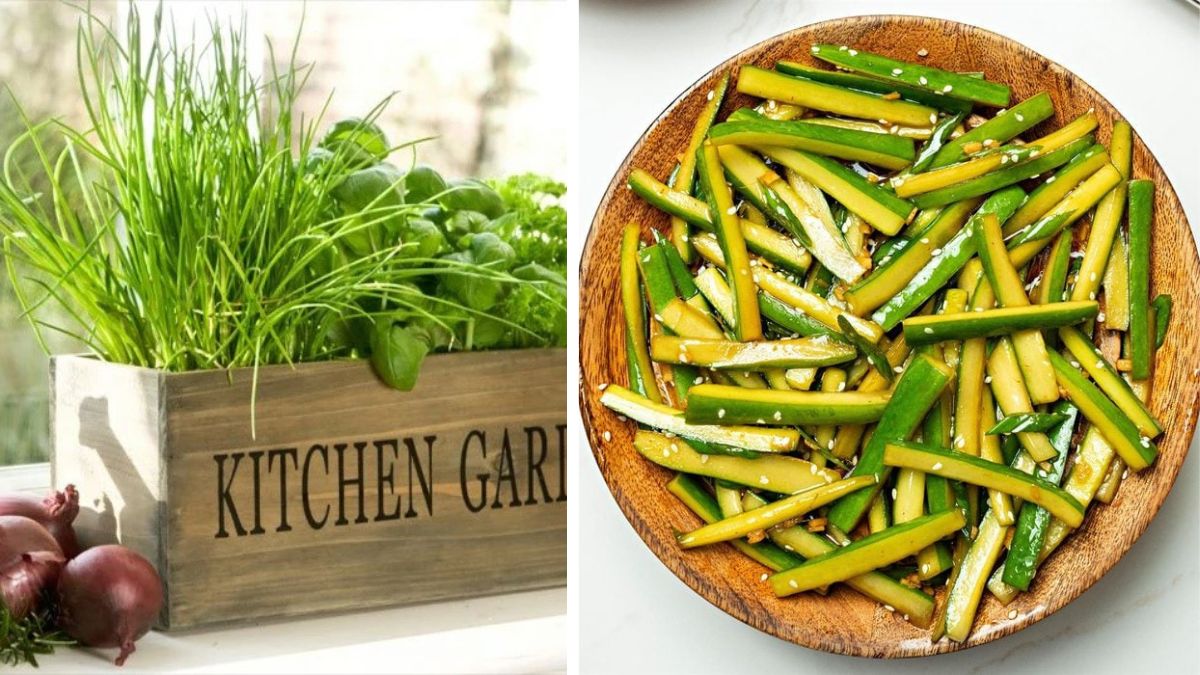
There’s a special kind of satisfaction that comes from cooking a meal made entirely with ingredients you’ve grown yourself. A kitchen garden — even a small one on a balcony or backyard — can yield an abundance of herbs, vegetables, and fruits that inspire countless home-cooked dishes. It’s not just about the freshness or the flavor; it’s about the connection between the earth and your table. Every harvest tells a story, and every recipe becomes more meaningful when it begins in your own soil.
In this guide, we’ll explore how to grow a variety of easy, productive plants and pair them with delicious recipes that make the most of their flavors. Whether you’re new to gardening or a seasoned grower looking for inspiration, these ideas will help you turn your garden harvest into mouthwatering meals — from refreshing salads to hearty pastas and soothing soups.
1. The Beauty of a Kitchen Garden
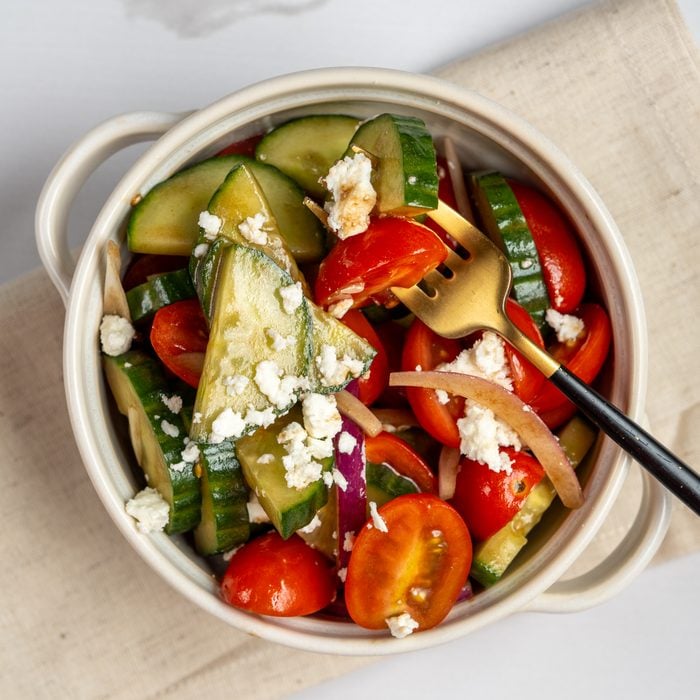
A kitchen garden is more than just a patch of green; it’s a living pantry. It provides fresh, pesticide-free produce right outside your door, helping you eat healthier, save money, and reduce waste. You can harvest only what you need, right when you need it — ensuring maximum flavor and nutrition.
The key to success is growing what you love to eat. Think about your favorite recipes, herbs you use often, and vegetables that thrive in your local climate. A well-planned kitchen garden can supply ingredients for a variety of cuisines, from Italian and Mediterranean to Asian and Indian-inspired dishes.
2. Start Small, Grow Smart
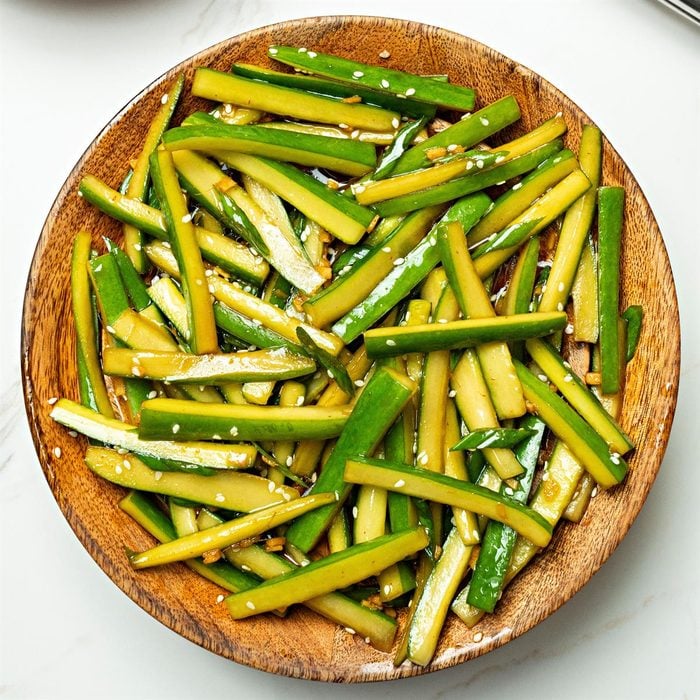
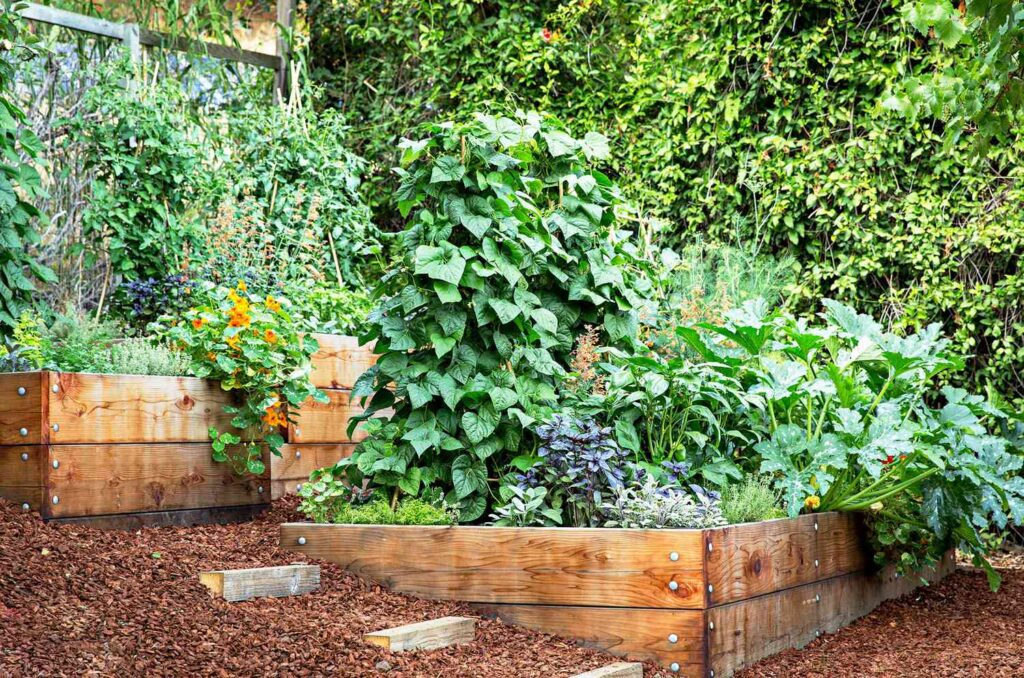
You don’t need acres of land to enjoy the benefits of a kitchen garden. A few pots on a sunny windowsill or a small raised bed can yield plenty of fresh ingredients.
Beginner-friendly plants include:
- Tomatoes: for sauces, salads, and sandwiches
- Lettuce & spinach: for wraps and salads
- Basil, parsley, mint, and cilantro: for flavoring everything from curries to pasta
- Bell peppers: for roasting, stir-fries, or stuffing
- Carrots and radishes: for snacking or pickling
Once you master these, expand to crops like zucchini, onions, or even strawberries for homemade desserts.

3. Tomatoes: The Star of Every Kitchen Garden

Tomatoes are the ultimate kitchen garden essential. They’re versatile, flavorful, and easy to grow in containers or garden beds.
How to grow:
Plant in sunny spots with well-drained soil. Water regularly, and support the plants with stakes or cages.
Harvest tip: Pick when they’re fully red and slightly soft to the touch.
What to cook:
- Fresh Tomato Bruschetta: Dice garden tomatoes, toss with basil, olive oil, garlic, and salt, then serve on toasted bread.
- Homemade Marinara Sauce: Simmer chopped tomatoes with onions, garlic, oregano, and olive oil for a rich sauce perfect for pasta or pizza.
- Caprese Salad: Layer tomato slices with mozzarella and fresh basil, drizzle with balsamic reduction — the taste of summer on a plate.
4. Leafy Greens: The Foundation of Healthy Meals
Greens like spinach, kale, lettuce, and arugula grow quickly and keep producing with regular harvesting. They’re perfect for salads, smoothies, and cooked dishes.
How to grow:
Plant seeds directly in moist, fertile soil. Water regularly and harvest outer leaves to encourage continuous growth.
What to cook:
- Garden Green Smoothie: Blend spinach, kale, banana, and yogurt for a refreshing, nutrient-rich drink.
- Warm Spinach Salad: Toss sautéed spinach with garlic, lemon, and a sprinkle of parmesan.
- Kale and Chickpea Stew: A hearty dish simmered with tomatoes, chickpeas, and fresh kale for comfort and flavor.
Leafy greens also grow quickly in cooler seasons, giving you fresh produce most of the year.
5. Fresh Herbs: Nature’s Flavor Boosters
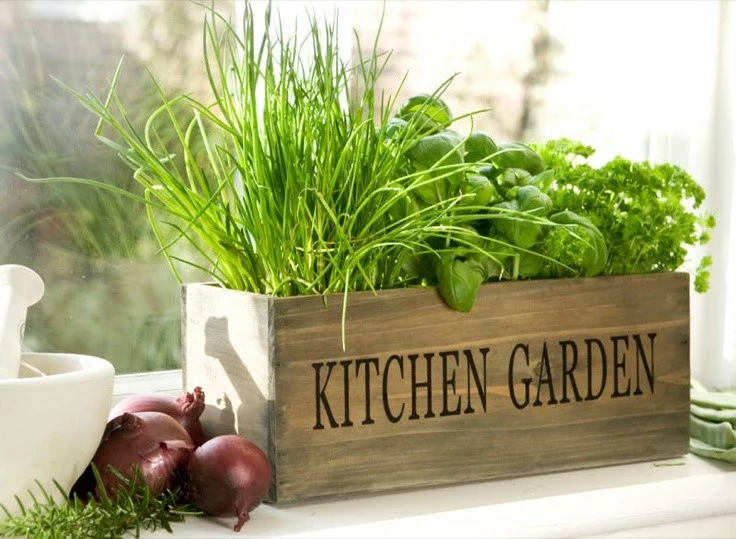
No kitchen garden is complete without herbs. They’re small, easy to grow, and instantly elevate your dishes.
Best herbs to grow: Basil, mint, oregano, parsley, thyme, rosemary, and cilantro.
How to grow:
Most herbs thrive in pots with plenty of sun and well-drained soil. Regularly prune to encourage new growth.
What to cook:
- Herb Butter: Mix softened butter with chopped parsley, thyme, and chives — perfect for spreading on bread or topping grilled vegetables.
- Mint Lemonade: Fresh mint leaves add cool, aromatic flavor to classic lemonade.
- Pesto Sauce: Blend basil, garlic, pine nuts, olive oil, and cheese for a garden-fresh sauce that pairs with pasta, sandwiches, or grilled veggies.
Fresh herbs can also be dried or frozen to preserve their flavor year-round.
6. Peppers and Zucchini: The Colorful Duo
Peppers and zucchini bring vibrant color and texture to your garden and your plate.
How to grow:
Both thrive in warm weather and sunny spots. Water deeply once or twice a week, and harvest regularly to encourage new fruit.
What to cook:
- Grilled Veggie Skewers: Alternate zucchini slices and bell peppers on skewers, brush with olive oil, and grill for a smoky-sweet side dish.
- Stuffed Bell Peppers: Fill halved peppers with cooked rice, beans, and herbs, then bake until tender.
- Zucchini Noodles (Zoodles): Spiralize zucchini for a low-carb pasta alternative, tossed with garlic, tomatoes, and basil.
Zucchini and peppers are also great for freezing or pickling to enjoy long after harvest season.
7. Root Vegetables: Sweet, Earthy, and Nourishing
Carrots, radishes, beets, and onions may grow underground, but they’re the secret to adding depth and sweetness to your dishes.
How to grow:
These crops prefer loose soil and plenty of sunlight. Keep the soil moist and harvest when roots are firm and mature.
What to cook:
- Roasted Root Medley: Toss carrots, beets, and onions with olive oil and rosemary, then roast until caramelized.
- Pickled Radishes: Slice radishes thin and pickle them in vinegar, sugar, and salt — a zesty topping for tacos and salads.
- Carrot Soup: Blend roasted carrots with ginger and vegetable broth for a creamy, comforting meal.
Root vegetables also store well, making them a practical crop for year-round cooking.
8. Culinary Herbs for Every Cuisine
Growing a diverse mix of herbs lets you explore global flavors right from your garden.
- Italian cooking: Basil, oregano, rosemary, thyme
- Asian dishes: Cilantro, lemongrass, Thai basil, mint
- Indian cuisine: Curry leaves, coriander, fenugreek, turmeric
- Mexican favorites: Cilantro, oregano, jalapeños, green onions
What to cook:
- Lemongrass Ramen: Add lemongrass and ginger to your veggie broth for bright, citrusy notes.
- Herbed Flatbread: Combine rosemary, thyme, and olive oil in a simple dough for fragrant, homemade bread.
- Cilantro Lime Rice: Fresh cilantro and lime juice turn plain rice into a zesty side dish.
9. Seasonal Cooking: Eating with Nature’s Rhythm
Part of the magic of a kitchen garden is learning to cook with the seasons.
- Spring: Spinach, lettuce, radishes, peas, herbs. Make fresh salads and light soups.
- Summer: Tomatoes, peppers, zucchini, basil. Perfect for pastas, grilled dishes, and cold gazpacho.
- Autumn: Carrots, kale, onions, beets. Great for stews, roasted platters, and curries.
- Winter: Hardy greens and stored roots. Try hearty soups, baked casseroles, or warm grain bowls.
Cooking seasonally keeps your meals diverse, affordable, and in tune with nature.
10. From Garden to Table: Creating Your Own Kitchen Garden Recipes
Once your garden is thriving, let creativity guide you. Combine ingredients intuitively — fresh tomatoes with basil, mint with cucumbers, or roasted peppers with thyme.
Here are some ideas for your own garden-to-table meals:
- Garden Veggie Pasta: Sauté garlic, tomatoes, zucchini, and spinach with olive oil; toss with noodles and fresh basil.
- Homegrown Veggie Pizza: Use your own tomatoes, bell peppers, onions, and herbs as toppings.
- Herb-Infused Soup: Simmer fresh herbs and root vegetables for a soothing, aromatic broth.
- Rainbow Salad Bowl: Combine lettuce, carrots, radishes, and herbs for a refreshing side dish.
Each dish becomes more than a meal — it’s an experience rooted in patience, care, and creativity.
Conclusion: The Taste of Homegrown Joy
Your kitchen garden is more than a source of food — it’s a source of pride, inspiration, and well-being. With every plant you nurture and every recipe you cook, you rediscover the beauty of simplicity and sustainability.
Cooking with what you grow reconnects you to the natural world and reminds you that great food doesn’t come from a store — it grows in your own backyard.
So plant those seeds, water them with care, and when harvest time comes, celebrate your efforts with delicious, homemade recipes straight from your garden to your plate. 🌿🍅🥕