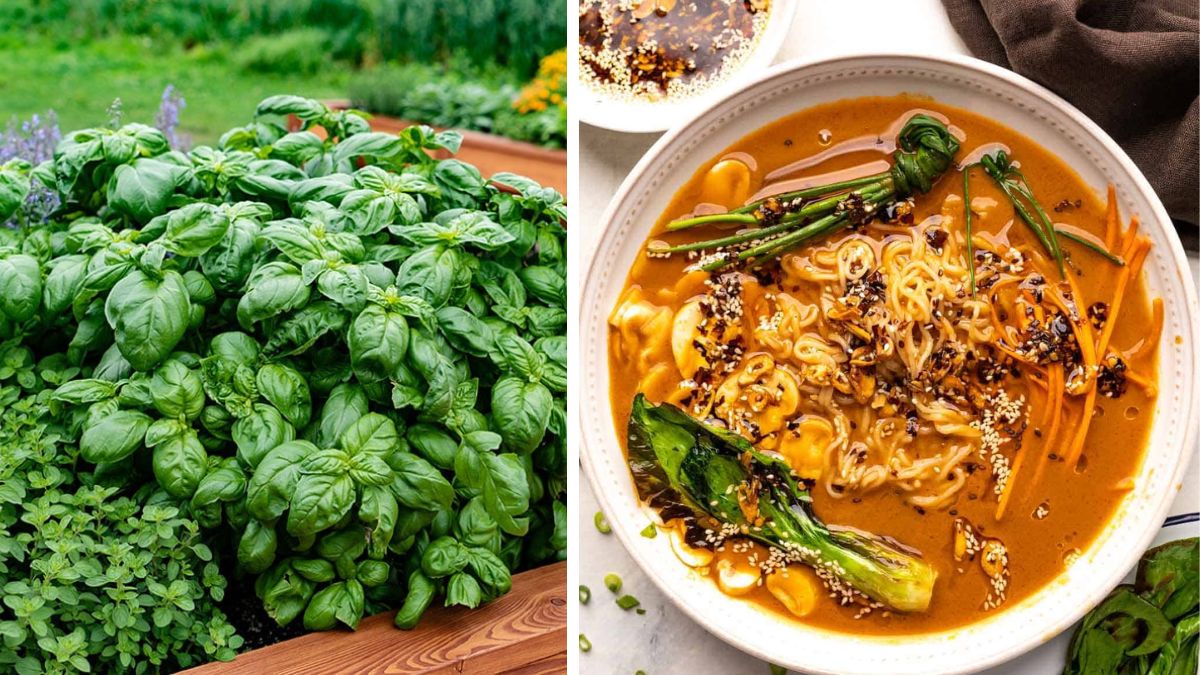
There’s nothing quite like a warm, flavorful bowl of ramen — especially when it’s made entirely with fresh ingredients from your own garden. Homemade veggie ramen is a comforting, colorful, and nourishing dish that perfectly combines crisp vegetables, aromatic herbs, and rich broth. But what makes it even more special is knowing that every bite contains something you’ve grown with your own hands.
Growing herbs and veggies for ramen isn’t just about convenience or saving money — it’s about crafting flavors from the soil up. From tender greens and crunchy toppings to fragrant herbs that infuse your broth with depth, your backyard can become your personal ramen pantry. Let’s explore how to grow the best ingredients to make every bowl taste garden-fresh, delicious, and authentic.
1. Why Grow Your Own Ramen Ingredients?

Store-bought vegetables and herbs can never match the freshness and vibrancy of homegrown produce. When you grow your own ramen ingredients, you control the quality, avoid pesticides, and harvest at the perfect time for peak flavor.
Beyond taste, gardening offers a fulfilling connection to your food. You’ll appreciate every slurp of broth more knowing the green onions came from your soil, the bok choy from your care, and the herbs from your sunlit pots.
Plus, ramen’s diversity makes it ideal for garden-to-table cooking — it’s endlessly adaptable. Whether you prefer earthy mushrooms, leafy greens, or spicy herbs, your backyard can provide everything you need to build layers of flavor.
2. Planning Your Ramen Garden
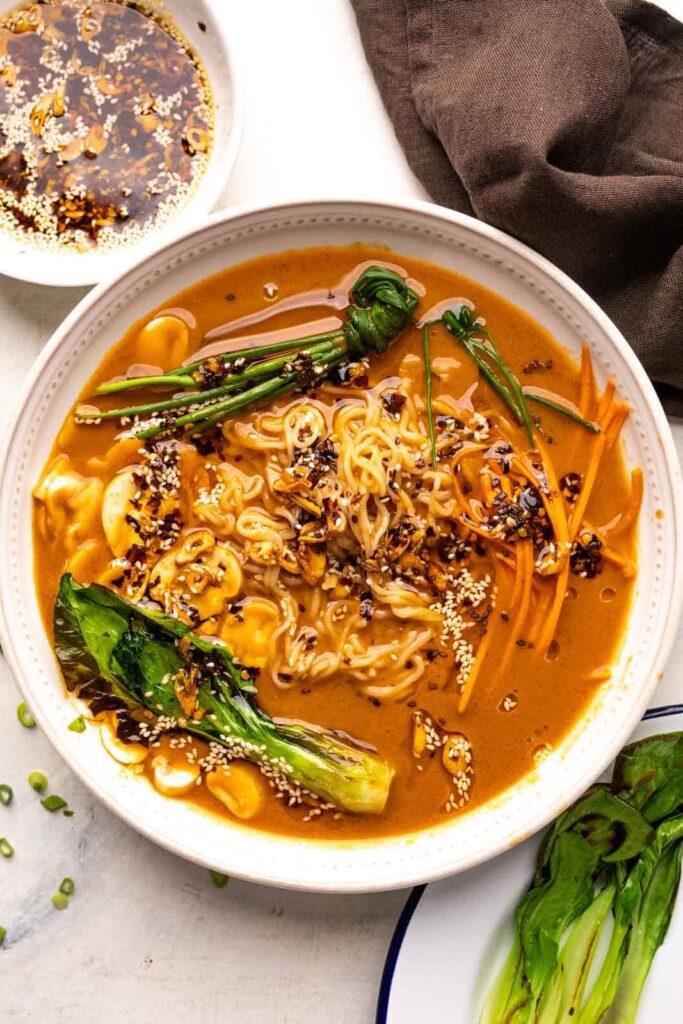
Before planting, take note of your available space and sunlight. Most ramen vegetables prefer 6–8 hours of sunlight and well-drained soil rich in compost. Raised beds or large containers work perfectly if you don’t have much ground space.
Consider growing your ingredients in stages — fast growers like green onions and herbs can be harvested continuously, while slow crops like carrots and cabbage will reward your patience with heartier textures.

Here’s a quick list of categories to plan your ramen garden:
- Base veggies: carrots, onions, and garlic for broth flavor.
- Leafy greens: bok choy, spinach, kale.
- Toppings: mushrooms, corn, bamboo shoots, and bean sprouts.
- Herbs and aromatics: green onions, cilantro, basil, and ginger.
3. Leafy Greens: The Soul of Veggie Ramen
Greens add freshness, texture, and nutrients to ramen. They’re easy to grow and thrive in cool or mild weather, making them perfect for spring and autumn planting.
a. Bok Choy
This tender Asian green is a ramen essential. It grows fast and can be harvested in just 40–50 days. Bok choy loves moist, rich soil and partial sun. Water regularly to keep leaves tender, and harvest outer leaves for continued growth.
b. Spinach
Spinach brings an earthy flavor and soft texture to ramen. Plant seeds directly in the ground and water evenly. It thrives in cooler weather, so spring and fall are ideal. You can harvest baby leaves for a mild taste or let them mature for deeper flavor.
c. Kale
Kale’s hearty texture holds up beautifully in hot broth. It prefers full sun and well-drained soil. Regular harvesting of outer leaves encourages new growth. The young leaves taste best in ramen — slightly sweet with a satisfying chew.
4. Root Vegetables: Building Broth Depth

Root vegetables are the secret to rich, flavorful ramen broth. They infuse sweetness, umami, and body without needing meat.
a. Carrots
Sweet and colorful, carrots add both flavor and visual appeal. Choose Nantes or Chantenay varieties for their sweetness. They grow best in loose, sandy soil and need consistent moisture. Harvest when they reach 6–8 inches long.
b. Onions and Garlic
These are your broth’s aromatic backbone. Start onion sets in early spring and garlic cloves in the fall for next year’s harvest. Both need plenty of sunlight and well-drained soil. Use caramelized onions or roasted garlic in your ramen for deep, savory notes.
c. Daikon Radish
Daikon adds a mild peppery flavor and refreshing crunch. It grows quickly, even in cooler temperatures. Sow seeds directly in soil and keep it moist. Slice raw daikon for a crisp topping or simmer it in broth for sweetness.
5. Mushrooms: The Umami Masters
Mushrooms give veggie ramen its signature savory depth. While not all mushrooms grow easily in backyard gardens, a few varieties are surprisingly simple to cultivate.
a. Shiitake Mushrooms
Grown on hardwood logs or sawdust blocks, shiitakes thrive in shaded, damp areas. They take time to establish but produce delicious, meaty caps for years.
b. Oyster Mushrooms
Perfect for beginners! They grow quickly on straw or coffee grounds indoors or in a shaded garden spot. Their velvety texture and delicate flavor pair perfectly with ramen broth.
Mushrooms don’t need sunlight but require humidity. Once you’ve harvested them, sauté lightly before adding them to your ramen for a burst of umami.
6. Aromatic Herbs: Fresh Flavor Powerhouses
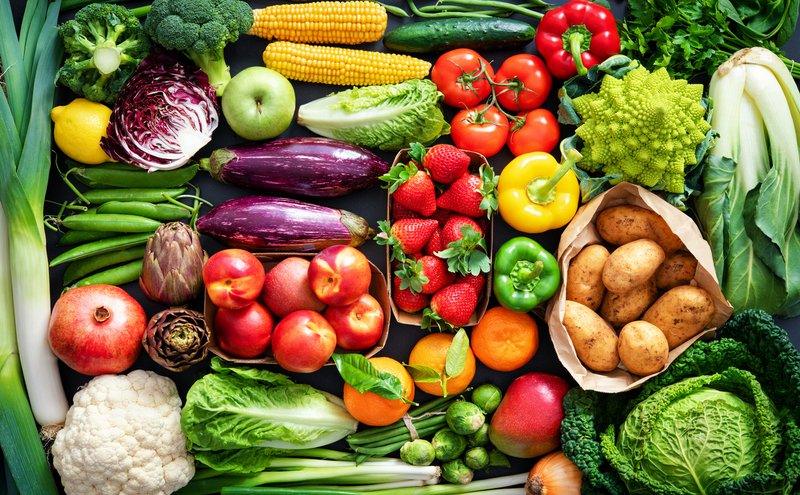
The right herbs transform ramen from simple soup to an aromatic masterpiece. They provide brightness, spice, and balance.
a. Green Onions (Scallions)
Perhaps the most iconic ramen garnish, scallions are easy and fast to grow. Plant sets or seeds in sunny soil with good drainage. Harvest when 6–8 inches tall, and cut just above the roots for regrowth.
b. Cilantro
This fresh herb adds citrusy brightness. Cilantro prefers cooler weather and partial shade. Sow seeds every few weeks for continuous harvests. Add it just before serving to preserve its delicate flavor.
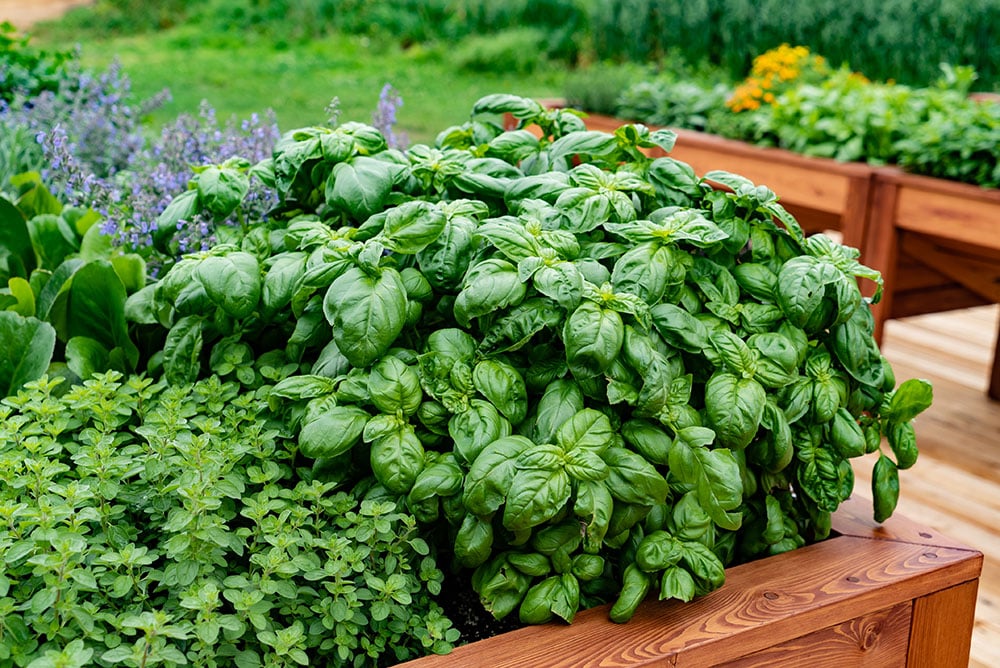
c. Thai Basil and Sweet Basil
For fusion-style ramen, basil offers a slightly spicy, clove-like aroma. Grow in warm, sunny spots and pinch the flowers to encourage leaf growth.
d. Ginger
While not technically an herb, ginger root is an essential aromatic for ramen broth. Plant a ginger rhizome in moist soil and partial shade. It takes several months to mature, but you can harvest small pieces as needed.
7. Extra Veggies for Texture and Color
Don’t forget the little touches that make ramen beautiful and satisfying.
a. Corn: Adds sweetness and crunch. Plant in full sun and water regularly during hot months.
b. Snow Peas: Quick to grow and perfect for early summer. The pods add crisp texture and bright flavor.
c. Bean Sprouts: Sprout mung beans or soybeans indoors for fresh, protein-rich toppings ready in just days.
These simple additions turn your ramen from good to gourmet.
8. Crafting a Garden-to-Bowl Ramen Routine
To enjoy homegrown ramen year-round, plan a staggered planting schedule.
- Early spring: Sow spinach, carrots, onions, and cilantro.
- Late spring: Add bok choy, basil, and mushrooms.
- Summer: Grow corn, peppers, and green onions.
- Fall: Plant kale, garlic, and daikon for cool-weather harvests.
Regularly compost your soil, use mulch to retain moisture, and practice crop rotation to keep plants healthy.
Harvest herbs early in the morning for the best flavor, and wash veggies gently before storage. You can dry or freeze extras for future ramen nights.
9. From Garden to Bowl: Assembling Your Veggie Ramen
Here’s how to transform your homegrown ingredients into a delicious, nourishing bowl:
- Prepare the broth: Simmer onions, garlic, carrots, ginger, and mushrooms in water or vegetable stock for 30–40 minutes. Add soy sauce or miso for umami depth.
- Cook noodles: Use ramen noodles or rice noodles and cook separately to prevent sogginess.
- Add veggies: Layer in bok choy, spinach, kale, corn, and daikon in the last few minutes of simmering.
- Garnish: Top with green onions, cilantro, basil, and a sprinkle of sesame seeds or chili oil.
Every spoonful becomes a celebration of your garden’s effort — a true harmony of flavors and freshness.
10. The Reward: Flavor, Wellness, and Sustainability
Homegrown ramen isn’t just tasty — it’s healthier and more sustainable. Your fresh vegetables retain more nutrients and antioxidants than store-bought ones, and your herbs carry stronger natural oils for richer flavor.
Beyond nutrition, you’ll find joy in cultivating a mindful relationship with your food. Each bowl of ramen becomes a reflection of your care for nature and your body.
And with less packaging waste and zero transport miles, your garden-grown ramen is a small but delicious step toward a greener planet.
Conclusion: The Ultimate Comfort Bowl, Fresh from Your Garden
Growing herbs and veggies for homemade ramen transforms a simple meal into a farm-to-bowl experience. It’s the perfect blend of creativity, flavor, and sustainability. From tender bok choy to fragrant basil, your backyard can supply everything you need to craft nourishing bowls that warm both body and soul.
So roll up your sleeves, plant those seeds, and get ready to enjoy the most flavorful ramen you’ve ever tasted — fresh, homegrown, and made with love. 🍜🌱