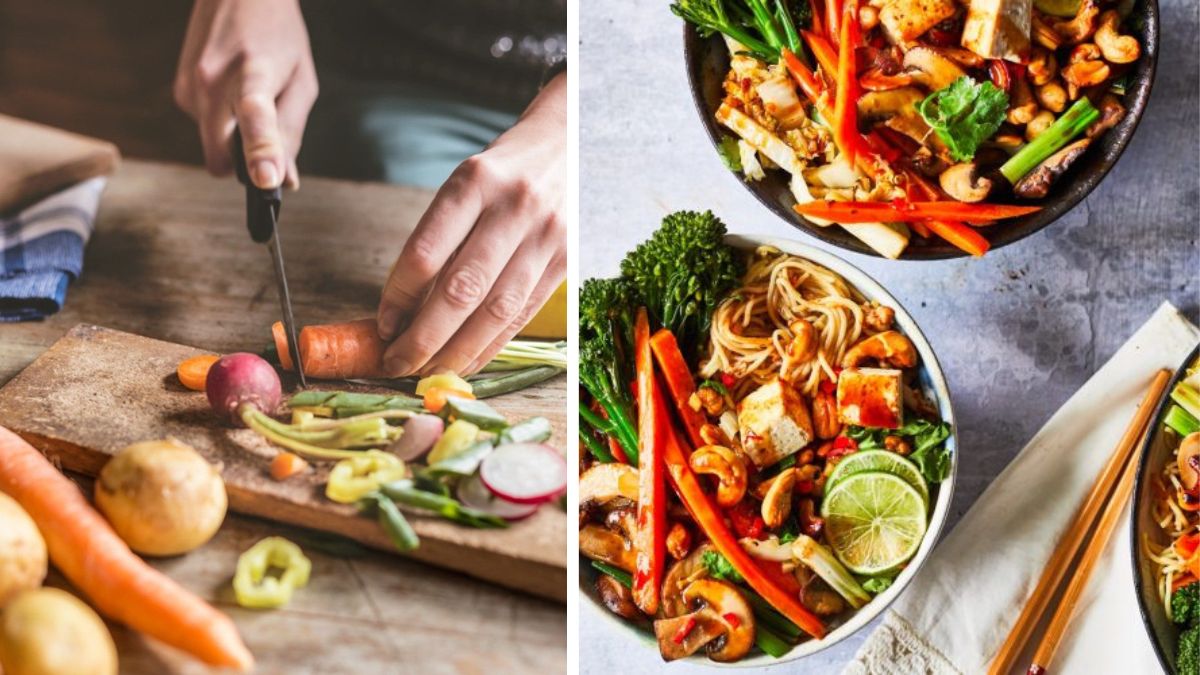
Few dishes capture freshness and flavor as perfectly as a vegetarian stir-fry — a sizzling medley of crisp vegetables, aromatic herbs, and savory sauces tossed together in a pan. Now imagine if every ingredient — from the crunchy bell peppers to the fragrant garlic — came straight from your own garden. Growing your own produce for stir-fry dishes not only enhances taste but also turns cooking into a joyful, sustainable experience.
Whether you’re an experienced gardener or a beginner eager to grow food that ends up on your plate, this guide will show you how to cultivate the perfect stir-fry garden. From planning and planting to harvesting and cooking, you’ll learn how to grow everything you need for colorful, delicious vegetarian meals — right from your backyard, balcony, or kitchen garden.
1. Why a Stir-Fry Garden?

A stir-fry garden is all about convenience and freshness. Instead of running to the store for wilted veggies, you can step outside and pick crisp, organic ingredients minutes before cooking. It’s a fulfilling and eco-friendly way to eat healthy.
Benefits include:
- Maximum Freshness: Vegetables harvested right before cooking retain the best flavor and nutrients.
- Sustainability: Reduces packaging waste and transportation emissions.
- Budget-Friendly: Fresh produce at your fingertips without weekly grocery costs.
- Customization: You can grow your favorite stir-fry ingredients — spicy, sweet, or leafy.
- Aromatic Appeal: The fragrance of homegrown herbs like garlic chives, basil, or Thai basil elevates every meal.
Your garden becomes your pantry, and your stir-fry becomes a celebration of what you’ve nurtured from seed to skillet.
2. Planning Your Stir-Fry Garden

Before planting, visualize your stir-fry bowl — what colors, textures, and flavors do you love most? A great stir-fry blends tender greens, crunchy veggies, and aromatic herbs.
Key considerations when planning:
- Sunlight: Choose a sunny spot (at least 6–8 hours of daily light).
- Soil: Well-drained, fertile soil enriched with compost or organic matter.
- Watering: Consistent moisture — stir-fry veggies grow fast and need steady hydration.
- Container-Friendly: Many stir-fry ingredients grow beautifully in pots if space is limited.
Group plants with similar growing needs together — for example, keep heat-loving plants like peppers and basil in one section, and cool-weather greens like bok choy and spinach in another.
3. Must-Grow Vegetables for the Ultimate Stir-Fry
Let’s explore the star ingredients that make your vegetarian stir-fry shine — and how to grow them.
1. Bell Peppers – Sweet and Colorful Crunch
Bell peppers add sweetness, color, and texture.
- Varieties: Try red, yellow, or orange peppers for vibrancy.
- Planting: Start seeds indoors 8–10 weeks before transplanting outdoors after frost.
- Soil Needs: Rich, well-drained soil with added compost.
- Watering: Deep watering 2–3 times weekly.
- Harvest: Pick when fruits are fully colored for peak flavor.
Pro Tip: Bell peppers thrive beside basil and onions — a natural pest-deterrent combination.
2. Broccoli – The Nutrient Powerhouse
Broccoli gives your stir-fry that satisfying crunch and earthy flavor.
- Planting: Best in cool weather (spring or fall).
- Soil: Fertile soil with compost and good drainage.
- Spacing: 18 inches apart to allow large heads to form.
- Harvest: Cut the main head before the buds open, and side shoots will continue to grow.
Culinary Use: Broccoli soaks up sauces beautifully, making it perfect for garlic or soy-based stir-fries.
3. Carrots – Sweet and Colorful Additions
Thinly sliced or julienned carrots add both sweetness and texture.
- Planting: Sow directly into soil about ¼ inch deep.
- Soil Type: Loose, sandy, and stone-free to avoid crooked roots.
- Watering: Keep soil moist but not soggy.
- Harvest: Around 60–75 days when carrots are finger-sized.
Choose varieties like ‘Nantes’ or ‘Little Finger’ for small, tender roots perfect for quick cooking.
4. Snow Peas and Snap Peas – Tender Green Perfection
These peas bring freshness and a satisfying crunch to stir-fries.
- Planting: Sow seeds directly in early spring or fall.
- Support: Grow on a trellis or bamboo frame for upward climbing.
- Watering: Regularly, especially during flowering.
- Harvest: Pick when pods are flat but full — daily picking encourages more growth.
Bonus Tip: Eat the pods raw in salads or toss them in the wok for a few seconds to retain their crispness.
5. Onions and Green Onions – The Flavor Base
No stir-fry is complete without the aromatic kick of onions.
- Planting: Grow from sets (small bulbs) or transplants.
- Light: Full sun.
- Soil: Rich, well-drained, and kept moist.
- Harvest: For green onions, pick when stalks reach pencil thickness. For bulb onions, harvest once tops begin to yellow and fall.
Green onions (scallions) grow fast — perfect for cutting fresh for your wok anytime.
6. Garlic – Aromatic and Essential
Garlic forms the flavorful backbone of most stir-fry sauces.
- Planting: Plant cloves in the fall, about 2 inches deep and 6 inches apart.
- Soil: Loose, well-drained, with added compost.
- Harvest: In early summer when leaves start to dry and turn brown.
You can also use garlic scapes (the curling flower stalks) for a milder, more delicate flavor.
7. Leafy Greens – Quick, Healthy, and Delicious
Leafy vegetables cook fast and soak up sauces beautifully.
- Bok Choy: Compact, crunchy, and perfect for stir-frying.
- Spinach: Thrives in cool weather and adds mild flavor.
- Swiss Chard: Vibrant and slightly earthy; a colorful substitute for kale.
Planting Tips:
- Sow seeds ½ inch deep.
- Water regularly to prevent bitterness.
- Harvest outer leaves to encourage continuous growth.
Cooking Tip: Add greens at the end of cooking so they stay bright and tender.
8. Zucchini – The Versatile Stir-Fry Veggie
Zucchini adds volume and softness to your dish.
- Planting: Direct sow after frost danger passes.
- Sunlight: At least 6 hours daily.
- Harvest: When fruits are 6–8 inches long for the best flavor.
Pro Tip: Zucchini pairs beautifully with soy sauce and sesame oil.
9. Herbs – The Secret Flavor Boosters

Herbs turn your garden stir-fry into a fragrant masterpiece.
- Basil (especially Thai basil): Adds a sweet, peppery aroma.
- Cilantro: Adds a fresh finish to spicy stir-fries.
- Parsley or Mint: Offers a cooling, refreshing note.
Growing Tips:
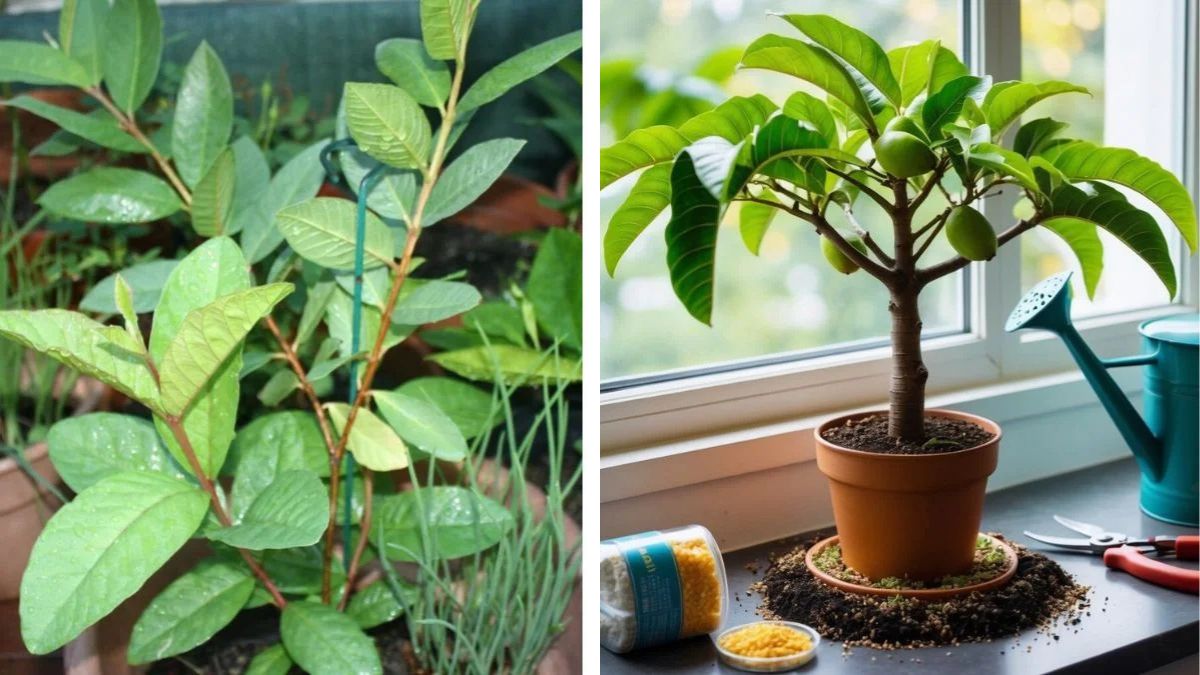
- Plant herbs near sunny windows or in containers.
- Trim regularly to prevent flowering.
- Water moderately — herbs dislike soggy soil.
4. Organic Gardening Tips for Healthier Produce
Since you’ll eat these veggies fresh, avoid synthetic chemicals. Use organic methods:
- Composting: Feed your soil with kitchen scraps and yard waste.
- Mulching: Retains soil moisture and reduces weeds.
- Natural Pest Control: Neem oil, companion planting, and beneficial insects like ladybugs keep pests away.
- Crop Rotation: Prevents soil depletion and disease buildup.
Your stir-fry garden will thrive naturally — without harmful residues.
5. Harvesting at Peak Flavor
Timing is everything. For the best texture and nutrition:
- Pick vegetables in the early morning when they’re hydrated and crisp.
- Harvest greens regularly to encourage regrowth.
- Use clean, sharp shears to prevent plant damage.
Keep freshly harvested produce in a cool place until you’re ready to cook — ideally the same day for the freshest stir-fry experience.
6. From Garden to Wok: Cooking Your Homegrown Stir-Fry
Now comes the most satisfying part — turning your harvest into a delicious meal.
Basic Stir-Fry Steps:
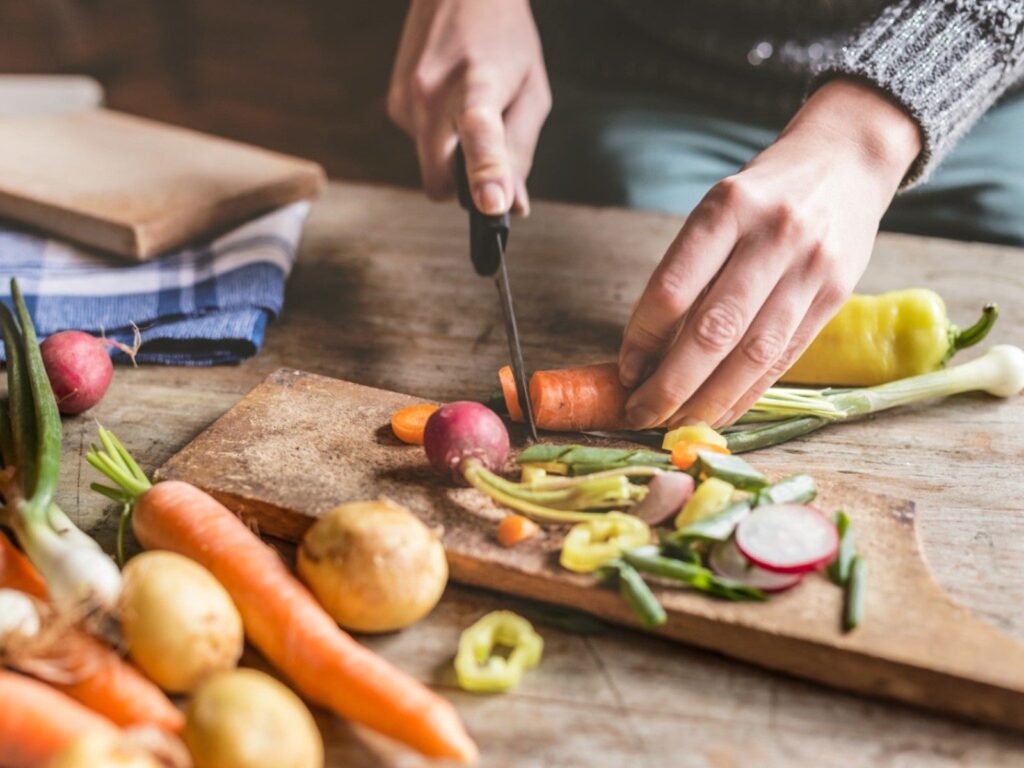
- Prep: Wash and chop your veggies into bite-sized pieces.
- Heat: Add oil (like sesame or peanut) to a hot wok or pan.
- Aromatics First: Start with garlic, onions, or ginger.
- Veggies Next: Add firm vegetables (carrots, broccoli) first, then softer ones (zucchini, peppers).
- Greens and Herbs Last: Toss in spinach or basil just before serving.
- Sauce: Combine soy sauce, rice vinegar, and a touch of honey or chili paste for flavor.
The result? A vibrant, nutrient-packed stir-fry bursting with freshness — straight from your own garden.
7. A Sustainable and Rewarding Lifestyle
Growing your own stir-fry ingredients is more than just gardening — it’s a lifestyle rooted in health, sustainability, and creativity. You’ll connect with the earth, reduce your environmental footprint, and enjoy meals that are as nourishing as they are flavorful.
From planting seeds to savoring your homemade meal, each step of the process is rewarding. You’ll eat cleaner, save money, and rediscover the joy of cooking with ingredients you’ve grown yourself.
Conclusion: Cultivate Freshness, Cook with Passion
Creating a “garden-to-table” stir-fry experience means embracing nature’s rhythm — planting, nurturing, and harvesting with purpose. With every seed you sow, you’re not just growing vegetables; you’re cultivating health, flavor, and self-sufficiency.
So roll up your sleeves, plant those peppers, onions, and greens, and prepare to fill your wok with homegrown magic. Your next vegetarian stir-fry won’t just taste amazing — it’ll tell a story of growth, care, and the delicious journey from garden to table.