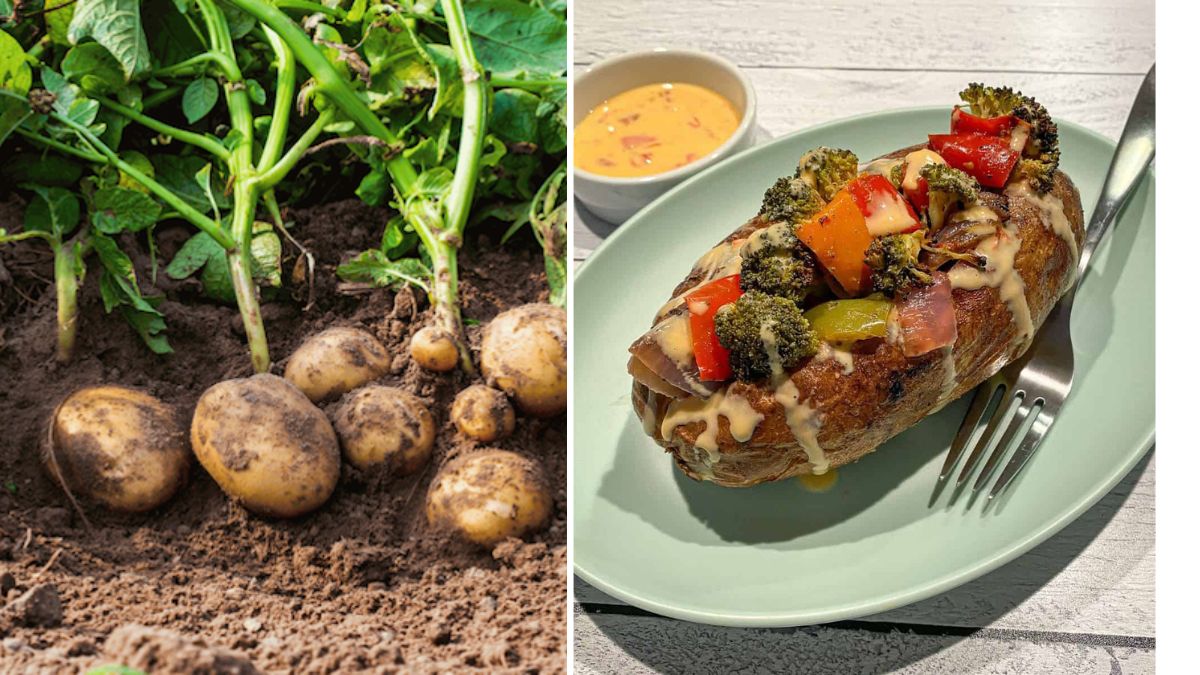
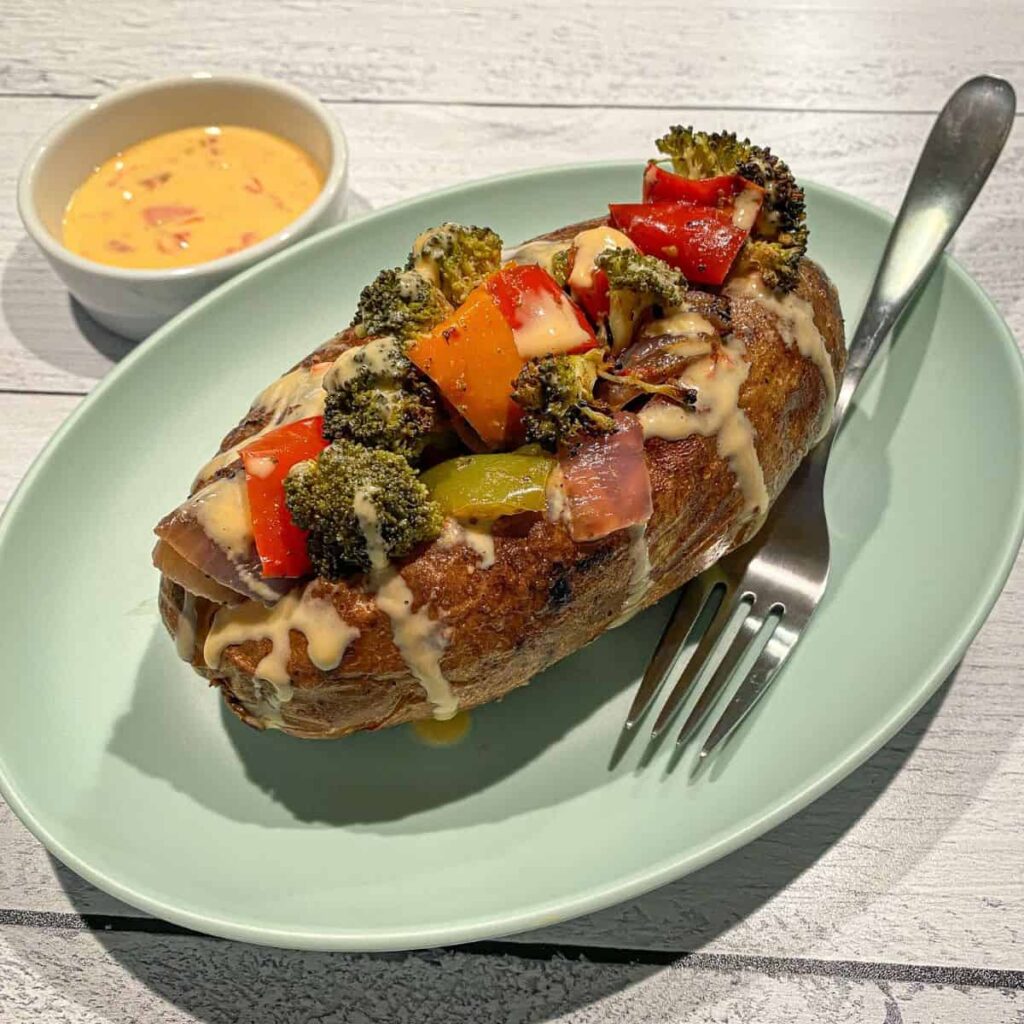
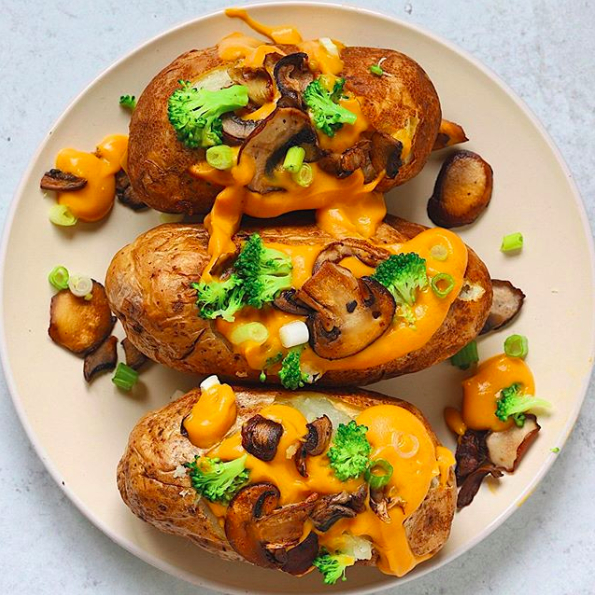
Few dishes deliver as much comfort as a perfectly baked potato piled high with flavorful toppings. Whether it’s melted cheese, roasted vegetables, or a dollop of sour cream (or vegan alternative), the humble potato transforms into a hearty, satisfying meal. But imagine taking that comfort food experience to the next level — by growing your own potatoes right in your backyard.
Homegrown potatoes not only taste fresher and creamier than store-bought ones but also give you full control over how they’re cultivated. You can grow them organically, enjoy better texture, and experience the pride of turning a simple tuber from your garden into a warm, loaded vegetarian baked potato masterpiece.
This guide will walk you through every step — from choosing the right potato varieties to planting, harvesting, and finally creating the perfect baked potato dish that celebrates your garden’s bounty.
1. Why Grow Potatoes for Vegetarian Baked Potatoes?
Potatoes are one of the easiest and most rewarding crops to grow. They thrive in a variety of climates, need relatively little care, and produce abundant yields. But beyond that, growing your own gives you access to varieties you won’t find in supermarkets — each with unique flavors and textures perfect for baking.
For vegetarian baked potatoes, texture is everything. You want a potato that’s fluffy inside but has a crispy, golden skin after baking. Homegrown potatoes deliver exactly that because you can harvest them at peak maturity and cook them fresh.
Moreover, potatoes are nutrient powerhouses. They’re packed with potassium, vitamin C, and fiber. When combined with healthy vegetarian toppings — think steamed broccoli, sautéed mushrooms, black beans, or vegan cheese — baked potatoes become a balanced meal rich in both taste and nutrition.
2. Choosing the Right Potato Varieties for Baking
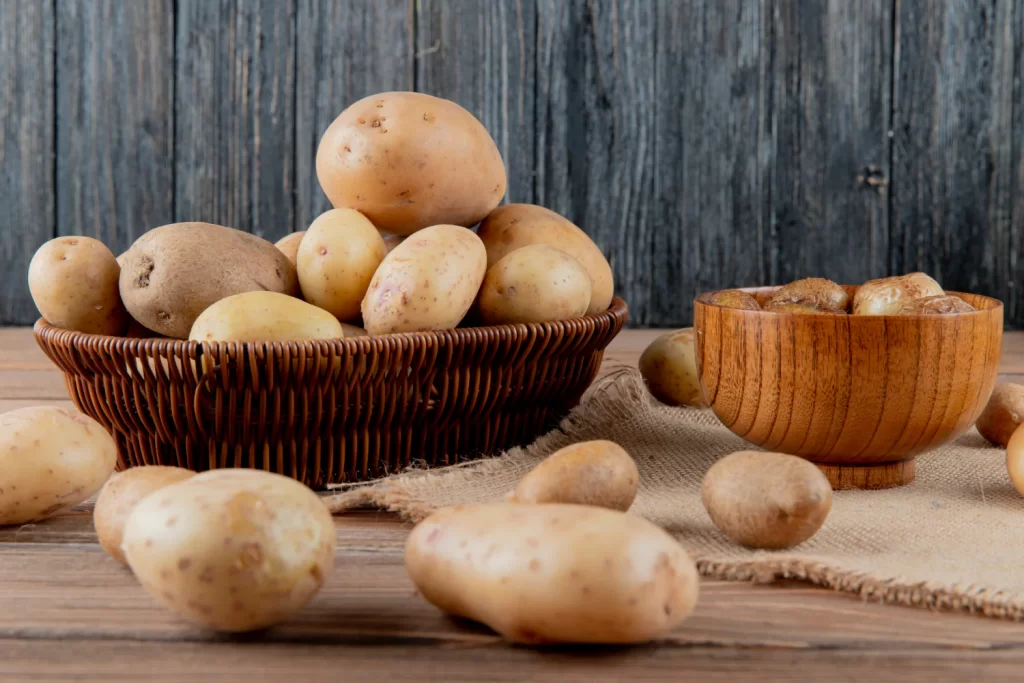
Not every potato is ideal for baking. For the best loaded baked potatoes, choose varieties with a high starch content and dry texture that bake into soft, fluffy interiors.
Here are the top choices:
- Russet Potatoes: The classic choice for baking — large, starchy, and light inside. Their thick skin crisps up beautifully in the oven.
- King Edward: Popular in the UK, these have a creamy texture perfect for baked dishes.
- Maris Piper: Great for fluffy interiors and crispy exteriors.
- Yukon Gold: Slightly waxy but with buttery flavor — ideal if you prefer a creamier baked potato.
- Kennebec: All-purpose with balanced moisture and starch, suitable for both baking and mashing.
Pro Tip: Choose certified seed potatoes from a trusted garden supplier rather than grocery store potatoes, which may be treated with chemicals to prevent sprouting.
3. Preparing the Soil for Success
Healthy soil is key to flavorful, high-quality potatoes. Potatoes grow best in loose, well-draining, nutrient-rich soil.
Soil Preparation Steps:
- Loosen the Soil: Dig 10–12 inches deep to allow tubers room to expand.
- Add Organic Matter: Mix in compost, leaf mold, or aged manure to enrich the soil.
- pH Level: Potatoes prefer slightly acidic soil — a pH between 5.0 and 6.5 helps prevent scab disease.
- Drainage: Avoid heavy clay soil. If your garden retains too much water, use raised beds or large containers.
Sunlight: Potatoes thrive in full sunlight, so choose a location that gets at least 6 hours of direct sun per day.
4. Pre-Sprouting (Chitting) Your Seed Potatoes
Before planting, “chitting” your seed potatoes encourages early growth and stronger plants.
How to chit potatoes:
- Place your seed potatoes in an egg carton or shallow tray, with the eyes (sprouting points) facing up.
- Keep them in a bright, cool place (around 60°F / 15°C) for 2–3 weeks.
- Wait until the sprouts grow about 1 inch long before planting.
This gives your potatoes a head start, leading to an earlier and more productive harvest.
5. Planting Your Potatoes
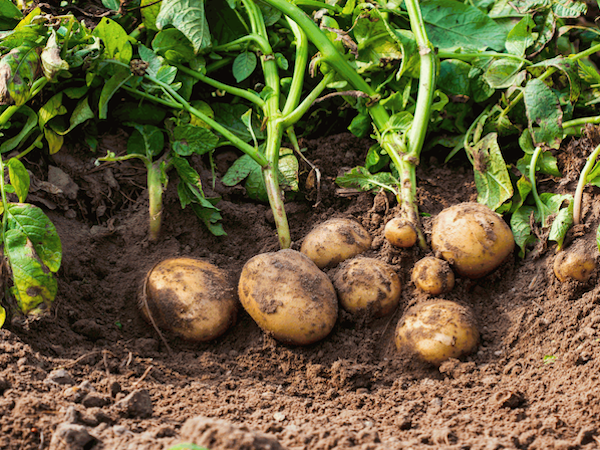
You can grow potatoes in garden beds, containers, or grow bags — making them ideal for both large yards and small balconies.
In-Ground Method:
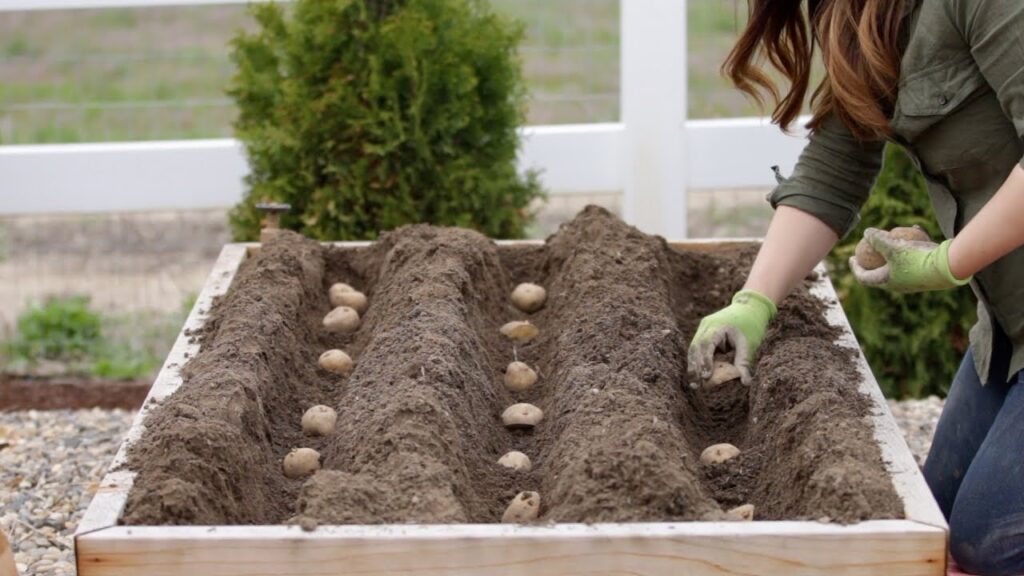
- Dig trenches 6–8 inches deep and 2–3 feet apart.
- Place seed potatoes 12 inches apart, sprouts facing up.
- Cover with 3–4 inches of soil.
- As plants grow, “hill” soil around the base every few weeks to cover developing tubers and prevent sunlight exposure (which causes greening).
Container or Grow Bag Method:
- Fill the bottom with 4 inches of potting mix.
- Add seed potatoes (2–3 per bag) and cover with soil.
- As shoots appear, keep adding soil until the container is nearly full.
6. Watering and Feeding
Potatoes love consistent moisture but not soggy soil.
- Watering: Keep the soil evenly moist, especially during flowering when tubers form. Avoid watering directly on the leaves.
- Feeding: Apply compost or organic fertilizer once or twice during the growing season. A balanced formula (like 10-10-10) works well.
- Mulching: Use straw or dried leaves to retain moisture and suppress weeds.
7. Pest and Disease Management
Common potato pests include:
- Colorado Potato Beetle: Handpick or spray with neem oil.
- Aphids: Spray with soapy water.
- Slugs: Use beer traps or crushed eggshell barriers.
Rotate crops each year and avoid planting potatoes in the same spot for at least 3 years to prevent disease buildup.
8. Harvesting Potatoes
Your potatoes are ready for harvest when the plants start to flower (for new potatoes) or when the foliage dies back completely (for mature potatoes).
Steps to Harvest:
- Gently dig around the plant base with a garden fork or your hands.
- Remove tubers carefully to avoid bruising.
- Allow them to dry in a cool, dark place for a few hours.
- Cure mature potatoes for 10–14 days to toughen their skins before storing.
Store them in a cool, dry, well-ventilated place away from sunlight to prevent sprouting.
9. Turning Your Harvest into Loaded Vegetarian Baked Potatoes
Now comes the best part — transforming your garden-fresh potatoes into a comforting, fully loaded vegetarian meal.
Step 1: Perfectly Bake Your Potatoes
- Preheat oven to 400°F (200°C).
- Wash potatoes thoroughly and pat dry.
- Rub each potato with olive oil and coarse salt.
- Pierce with a fork several times to release steam.
- Bake directly on the oven rack for 45–60 minutes until the skin is crisp and the inside feels tender.
Tip: You can also microwave them for 5 minutes, then finish baking for 25 minutes to save time.
10. Delicious Vegetarian Toppings for Loaded Baked Potatoes
The fun of a loaded baked potato lies in the toppings. With vegetarian options, the possibilities are endless — healthy, colorful, and bursting with flavor.
A. Classic Veggie Combo:
- Steamed broccoli florets
- Grated cheddar or vegan cheese
- Greek yogurt or sour cream
- Chopped chives
B. Tex-Mex Style:
- Black beans or pinto beans
- Corn kernels
- Salsa or pico de gallo
- Avocado slices or guacamole
- Jalapeño slices
C. Mediterranean Twist:
- Roasted cherry tomatoes
- Feta cheese or hummus
- Olives and arugula
- Drizzle of olive oil and lemon juice
D. Breakfast Potato Bowl:
- Sautéed spinach
- Mushrooms and bell peppers
- Poached or scrambled egg (or tofu scramble for vegan option)
E. Comfort Classic:
- Sautéed onions and garlic
- Spinach and melted mozzarella
- A sprinkle of herbs — thyme, rosemary, or basil
11. Creative Twists and Tips
- Stuff and Re-Bake: Scoop out the inside of baked potatoes, mix with cheese and veggies, refill the shells, and bake again for extra crispness.
- Sweet Heat: Add roasted sweet corn, chipotle mayo, and a squeeze of lime for a smoky-spicy flavor.
- Healthy Boost: Top with kale, chickpeas, and tahini drizzle for a power-packed vegan version.
12. Benefits of Growing and Cooking Your Own Potatoes
- Freshness and Flavor: Homegrown potatoes taste noticeably richer and creamier.
- Sustainability: Reduces packaging waste and carbon footprint.
- Healthier Meals: You control fertilizers and avoid chemicals.
- Therapeutic Gardening: Growing potatoes is calming and deeply rewarding.
13. Final Thoughts
Growing your own potatoes is more than a gardening project — it’s a journey from soil to supper. Each step, from planting seed potatoes to watching green shoots emerge, builds a connection with your food. And when you finally pull a golden, steaming baked potato from the oven — knowing it came from your own garden — every bite tastes better.
Loaded vegetarian baked potatoes are proof that simple ingredients, when grown and prepared with care, can create extraordinary comfort food. So grab some seed potatoes, get your hands a little dirty, and start cultivating your next favorite meal — one that begins in the garden and ends with a forkful of warm, flavorful satisfaction.