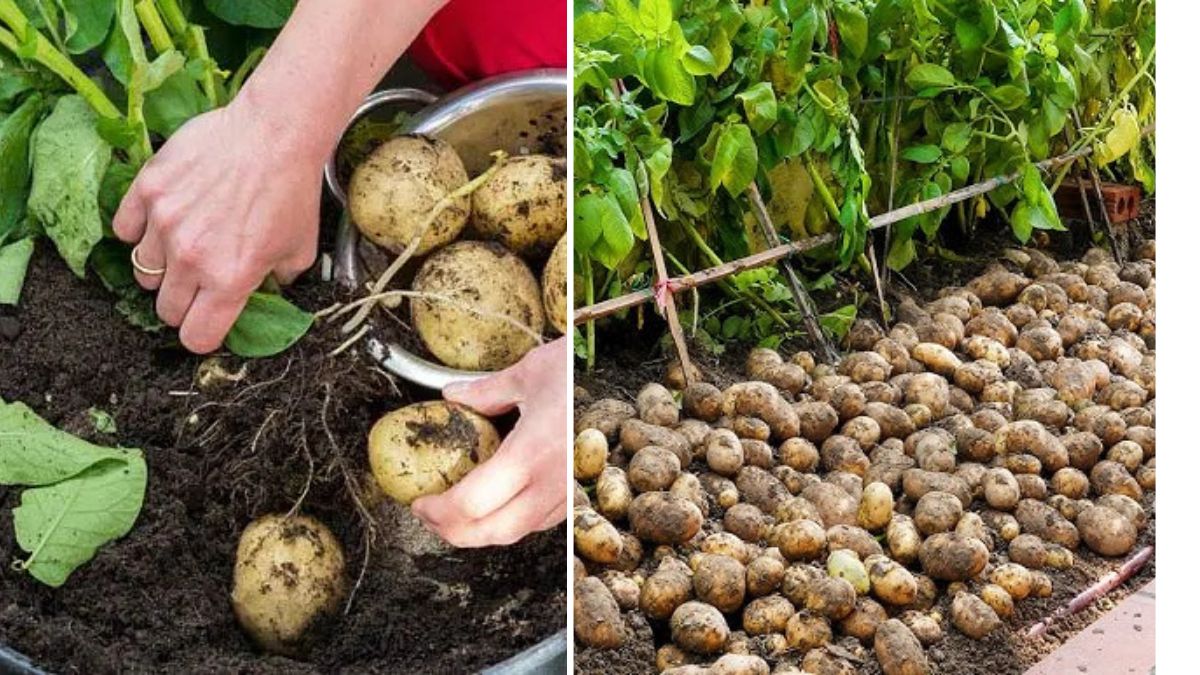
If you’ve ever savored creamy mashed potatoes, golden fries, or a hearty stew and thought, “I wish I could grow my own,” the good news is—you can! Potatoes are one of the easiest and most rewarding crops to cultivate right in your backyard. Whether you have a sprawling garden or just a few containers on a balcony, homegrown potatoes can elevate your homemade veggie dishes with unmatched freshness, flavor, and satisfaction.
This detailed guide will walk you through every step—from choosing seed potatoes to harvesting your crop—so you can enjoy a bountiful supply of this kitchen staple all year long.
Why Grow Potatoes at Home?
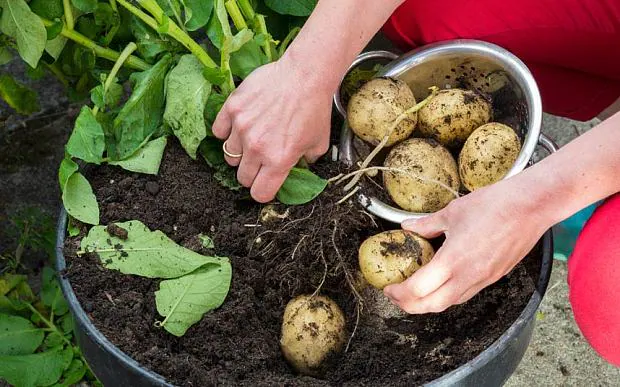
Before we dive into the how-to, let’s explore why growing your own potatoes is worth the effort:
- Unbeatable Flavor: Store-bought potatoes can’t match the taste and texture of freshly dug ones. They’re sweeter, creamier, and perfect for your homemade veggie dishes.
- Chemical-Free: You have full control over how your potatoes are grown, meaning no harmful pesticides or artificial fertilizers.
- Cost-Effective: A small patch or a few containers can yield several pounds of potatoes, saving you money in the long run.
- Sustainable Living: Growing your own produce reduces packaging waste and food miles.
- Fun and Family-Friendly: Potato growing is surprisingly simple, making it a great project for beginners and kids alike.
1. Choosing the Right Potato Variety
Different potato varieties suit different dishes, so consider how you plan to use them in your kitchen.
- Waxy Potatoes (New Potatoes): Great for salads and roasting. Varieties: Red Pontiac, Yukon Gold, Charlotte.
- Floury Potatoes: Best for mashing, baking, or fries. Varieties: Russet Burbank, King Edward, Maris Piper.
- All-Purpose Potatoes: Work well in most recipes. Varieties: Desiree, Kennebec, Norland.
When buying, always choose certified seed potatoes from a trusted supplier. These are disease-free and specifically bred for planting—not eating potatoes from the grocery store, which are often treated to prevent sprouting.
2. Preparing the Seed Potatoes
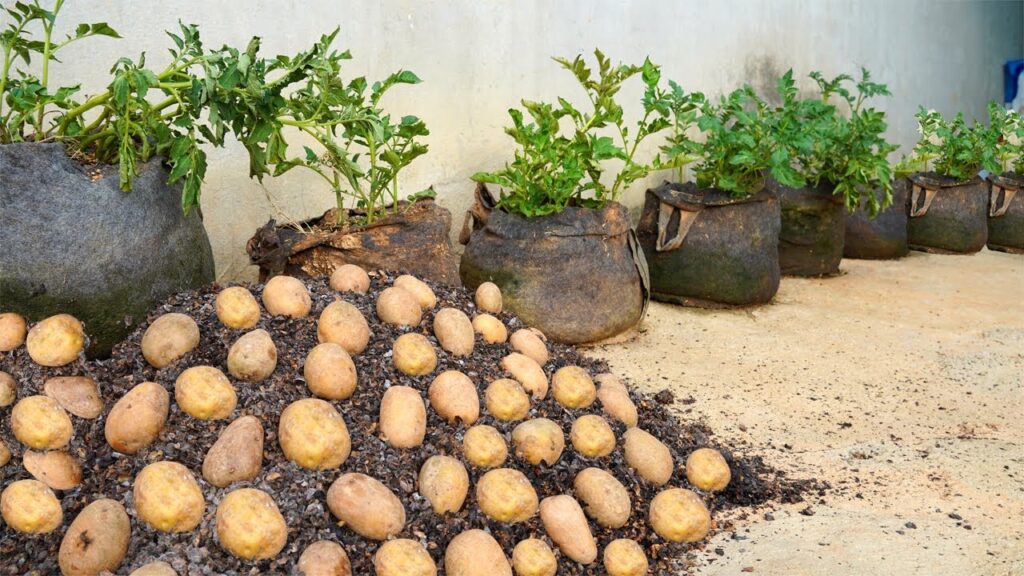
Two weeks before planting, “chit” your potatoes—a simple process to encourage strong sprouting.
How to chit:
- Place your seed potatoes in an egg carton or shallow tray with the eyes (small dimples) facing upward.
- Keep them in a cool, bright spot (about 60°F or 15°C).
- In 10–14 days, small green sprouts will emerge.
- Once the sprouts are about an inch long, they’re ready for planting.
This step gives your potatoes a head start and leads to quicker, stronger growth after planting.
3. Choosing the Perfect Planting Spot
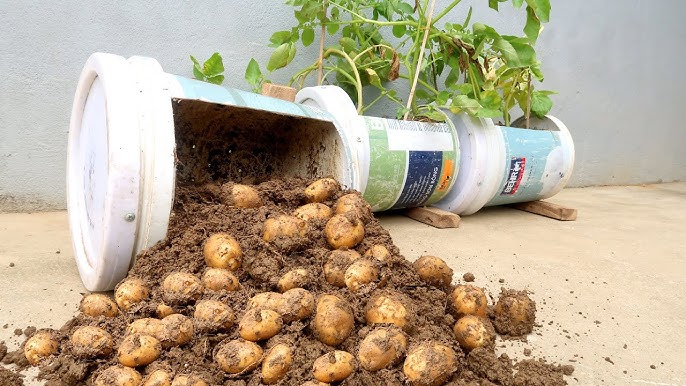
Potatoes thrive in full sun, needing at least 6 hours of sunlight daily. Select a site with well-draining, loose soil that’s rich in organic matter. Avoid compacted or soggy soil—it can cause rot and stunt growth.
If you’re limited on space, don’t worry! Potatoes grow beautifully in containers, grow bags, or raised beds.
Ideal soil conditions:
- pH level: Between 5.0 and 6.5 (slightly acidic)
- Add compost or well-rotted manure before planting to boost nutrients.
- Avoid adding lime or fresh manure just before planting—it can lead to disease.
4. Planting Potatoes in the Ground
Once the danger of frost has passed and the soil has warmed to about 50°F (10°C), it’s time to plant.
Steps:
- Dig trenches about 6–8 inches deep and 2–3 feet apart.
- Place your seed potatoes in the trench with the sprouts facing upward, spacing them 12 inches apart.
- Cover lightly with 4 inches of soil. As the plants grow, you’ll add more soil to form mounds (a process called “hilling”).
Tip: Don’t crowd the potatoes. Proper spacing ensures larger, healthier tubers and reduces the risk of disease.
5. Growing Potatoes in Containers or Bags
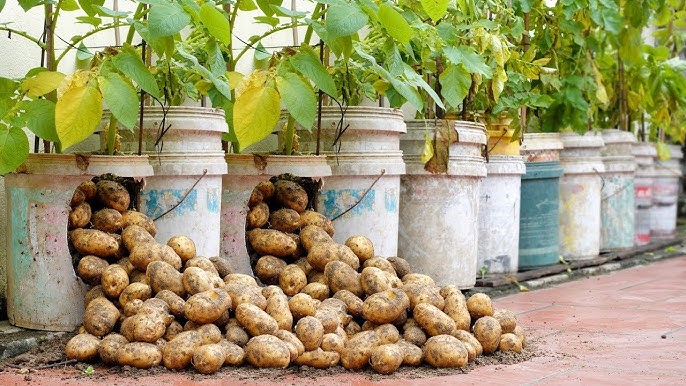
If you don’t have garden space, growing potatoes in containers is a fantastic alternative.
Here’s how:
- Choose a large pot or grow bag (at least 15–20 liters).
- Add 4 inches of compost-rich soil at the bottom.
- Place 2–3 seed potatoes on the surface, sprouts up.
- Cover with another 4 inches of soil.
- As the plants grow, keep adding soil until the container is nearly full, leaving just the top leaves visible.
Container potatoes need consistent moisture and nutrients but can produce a surprisingly abundant harvest with minimal space.
6. Watering and Feeding
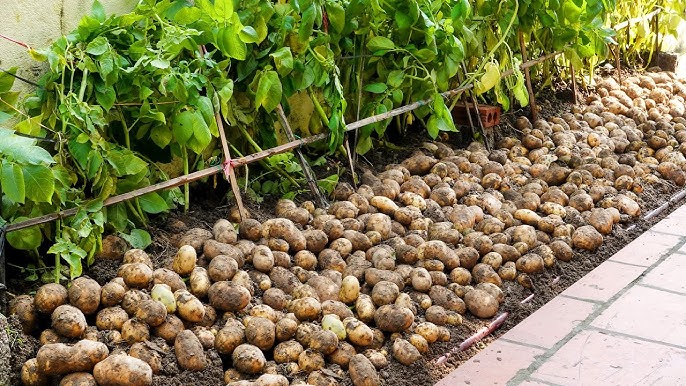
Potatoes are thirsty plants—especially during tuber formation.
Watering tips:
- Keep the soil consistently moist but not waterlogged.
- Water early in the morning or late in the evening to prevent evaporation.
- Avoid wetting the leaves excessively to reduce fungal diseases.
Feeding:
- Apply a balanced organic fertilizer or compost tea every 3–4 weeks.
- Once the plants begin to flower, stop fertilizing—this encourages tuber growth instead of leafy growth.
7. The Importance of “Hilling”
As your potato plants grow to about 8 inches tall, gently mound soil around the base of each plant, covering all but the top leaves.
Why it’s important:
- Protects developing tubers from sunlight (which turns them green and toxic).
- Encourages the plant to produce more potatoes along the buried stem.
- Helps retain moisture and suppress weeds.
Repeat the hilling process every 2–3 weeks or whenever the plants grow another few inches.
8. Managing Pests and Diseases
Even healthy potato plants can face challenges, but prevention and early action go a long way.
Common pests:
- Colorado Potato Beetles: Pick off adults and larvae by hand or use neem oil spray.
- Aphids: A strong water spray or insecticidal soap can control infestations.
- Wireworms: Rotate crops yearly to avoid buildup in the soil.
Common diseases:
- Blight: Avoid overhead watering, ensure good air circulation, and choose resistant varieties.
- Scab: Maintain slightly acidic soil and avoid adding fresh manure before planting.
Crop rotation is key—don’t plant potatoes (or other nightshades like tomatoes or peppers) in the same spot every year.
9. When and How to Harvest
Harvest time depends on the variety you planted:
- New potatoes (baby potatoes): Ready 8–10 weeks after planting, once plants start to flower. Gently dig up a few without disturbing the rest.
- Maincrop potatoes: Ready 18–20 weeks after planting, when the foliage starts yellowing and dying back.
Harvesting tips:
- Use a garden fork or your hands to carefully lift the plants.
- Let the tubers dry on the soil surface for a few hours before storing.
- Brush off loose dirt—don’t wash them if you plan to store long-term.
10. Storing Your Homegrown Potatoes
Proper storage ensures your potatoes last for months.
Do:
- Cure potatoes for 10–14 days in a dark, well-ventilated area (around 50°F or 10°C).
- Store in a cool, dark, dry place in breathable bags or boxes.
- Check regularly and remove any sprouting or rotting potatoes.
Don’t:
- Store in the refrigerator (it turns starches into sugar).
- Store near onions (they release gases that spoil potatoes faster).
11. Enjoying Your Harvest — From Garden to Table
Few joys compare to cooking with vegetables you’ve grown yourself. Homegrown potatoes transform every dish—whether you’re whipping up crispy fries, a creamy potato gratin, or comforting mashed potatoes.
Here are a few quick ideas to savor your harvest:
- Rustic Herb Roasted Potatoes: Toss with olive oil, rosemary, and garlic.
- Garden Potato Soup: Blend with leeks, carrots, and your favorite herbs.
- Homemade Veggie Patties: Mix mashed potatoes with peas, spices, and breadcrumbs.
- Crispy Hash Browns: Perfect for a weekend breakfast treat.
Each dish will carry the taste of your hard work and fresh soil — earthy, rich, and full of pride.
Final Thoughts: A Rewarding Journey from Soil to Supper
Growing potatoes in your backyard isn’t just about cultivating food—it’s about cultivating patience, joy, and a deeper connection to what you eat. These humble tubers reward even the smallest effort with generous yields and incredible versatility in the kitchen.
Whether you’re a beginner gardener or a seasoned green thumb, potatoes offer one of the most satisfying crops you can grow. So roll up your sleeves, grab a spade, and let your backyard be the start of your next delicious homemade veggie dish.
Your kitchen—and your taste buds—will thank you.