
In a season filled with injuries, inconsistency, and questions surrounding the Green Bay Packers’ offense, one storyline has stood out as a testament to heart, grit, and leadership — Josh Jacobs’ determination to play against the Arizona Cardinals. Despite battling both an illness and a calf strain, the All-Pro running back refused to sit out, convincing coaches to let him suit up and ultimately leading his team to a hard-fought 27–23 victory.
The moment was more than just about another regular-season win — it was about pride, resilience, and the undeniable spirit of a player who embodies what it means to be a competitor.
A True Game-Time Decision
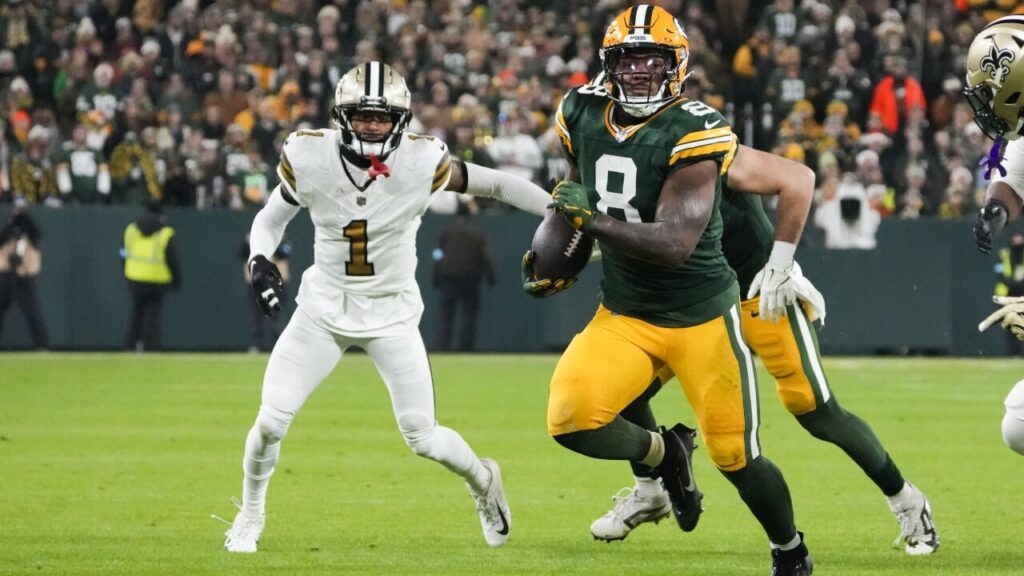
The weekend leading up to the Packers’ Week 7 matchup was clouded with uncertainty surrounding Jacobs’ availability. On Saturday night, ESPN’s Adam Schefter reported that Jacobs was a “true game-time decision,” citing both an illness and a calf strain. The Packers even elevated running back Pierre Strong Jr. from the practice squad — a move that hinted Jacobs might not play at all.
But as kickoff approached, Jacobs had other plans. He wasn’t ready to watch from the sidelines.
According to The Athletic’s Matt Schneidman, Jacobs revealed that the team didn’t want him to play. He had to lobby his way into the lineup. “They really didn’t want me to play,” Jacobs told reporters after the game, adding that he had to convince the coaching staff to let him on the field.
The compromise? A snap count. The coaches allowed Jacobs to play under a restriction of roughly 20 to 25 offensive plays. But for a player like Jacobs — known for his punishing running style and relentless drive — the limitation didn’t sit well.

Clashing with Coaches and Defying Limits
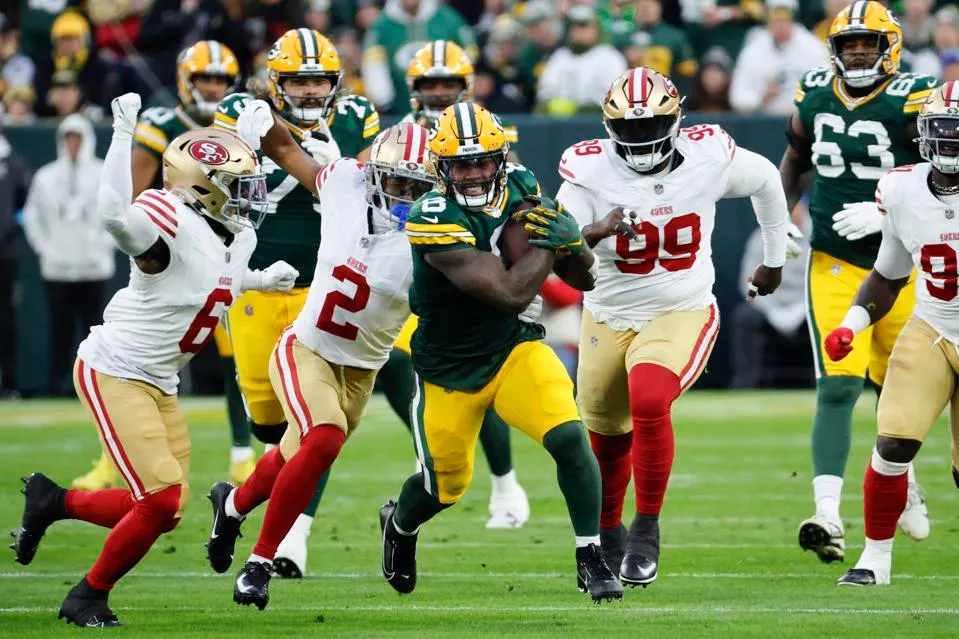
Jacobs’ intensity was on full display, even in limited action. Despite the restrictions, he made his presence felt early and often, eventually getting into it with the coaching staff on the sideline about his limited role. “He got into it” with coaches, Schneidman reported — a sign of Jacobs’ frustration with being held back when he knew he could contribute more.
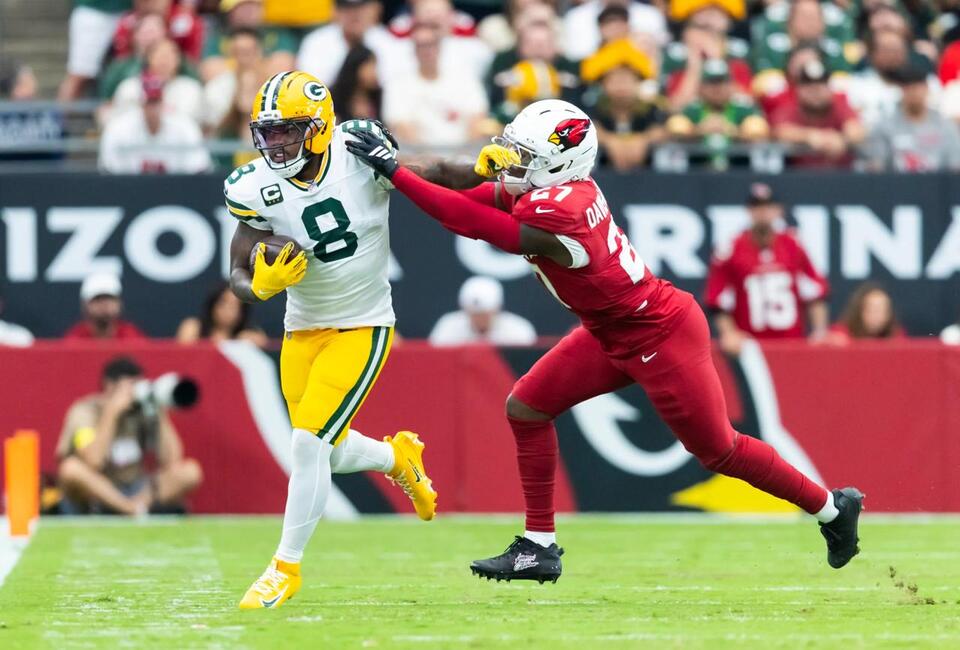
In the end, Jacobs played 31 offensive snaps, touching the ball 14 times and scoring two critical touchdowns — the difference between victory and defeat.
His performance wasn’t flashy by statistical standards, but it was gutsy, determined, and emblematic of what the Packers needed in that moment. He ran with force, absorbing hits on a tender calf and pushing through fatigue and pain. Every yard gained came with visible effort, every carry symbolic of his will to win.
A Game-Changing Impact
Green Bay’s 27–23 win over Arizona was far from a dominant showing, but it was one of those games that revealed character. The Packers’ offense had struggled to find rhythm for much of the afternoon. With Jordan Love facing constant pressure and the defense giving up long drives, Jacobs’ ability to sustain possessions and find the end zone proved crucial.
His two touchdowns didn’t just pad the stat sheet — they saved the Packers’ game. Without Jacobs, it’s entirely possible the Packers would have left Arizona with a disappointing loss.
After the game, head coach Matt LaFleur awarded Jacobs the game ball, recognizing his leadership and perseverance. Jacobs, in turn, gave an emotional speech to his teammates in the locker room — a raw and heartfelt moment that reflected the passion behind his play.

A Pattern of Grit: Playing Through Pain
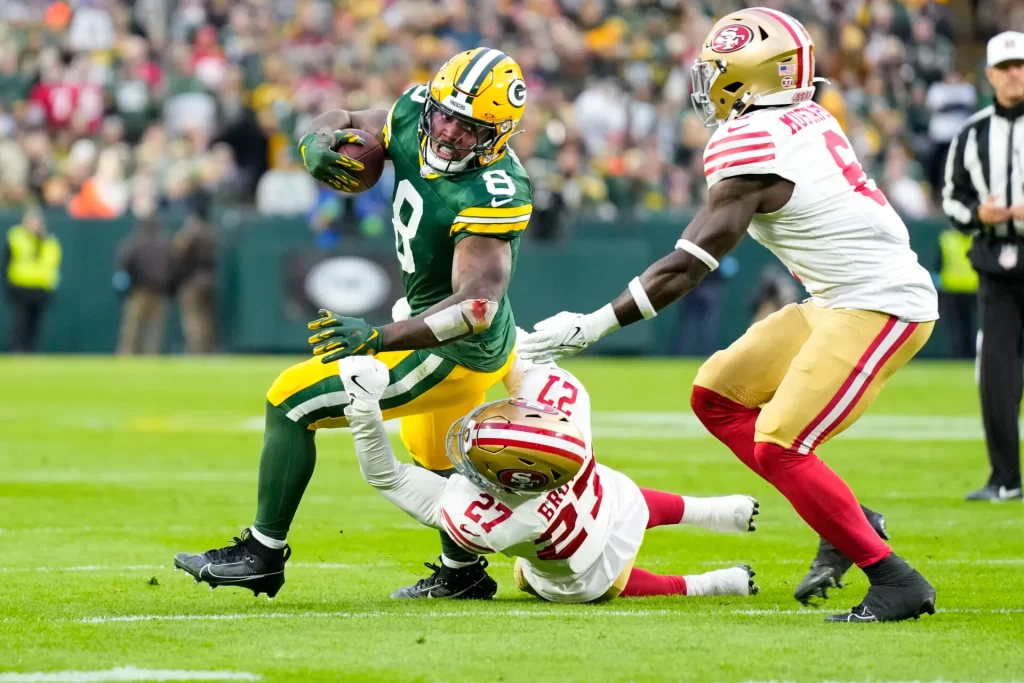
This wasn’t the first time Jacobs had played through significant discomfort this season. Just a week earlier, in Green Bay’s win over the Cincinnati Bengals, he played through an illness so severe that he was reportedly throwing up before and during the game.
Despite that, Jacobs put up 150 yards of offense, powering the Packers to another narrow win.
That back-to-back display of toughness has begun to redefine his early tenure in Green Bay. When the Packers traded for the veteran running back, fans expected production — but what they’ve received is something far greater: leadership by example.
It’s not just about numbers; it’s about setting a tone. In a locker room full of young talent, Jacobs has become the embodiment of resilience — the player who refuses to give in, even when every reason to sit out is justified.
Earning the Locker Room’s Respect
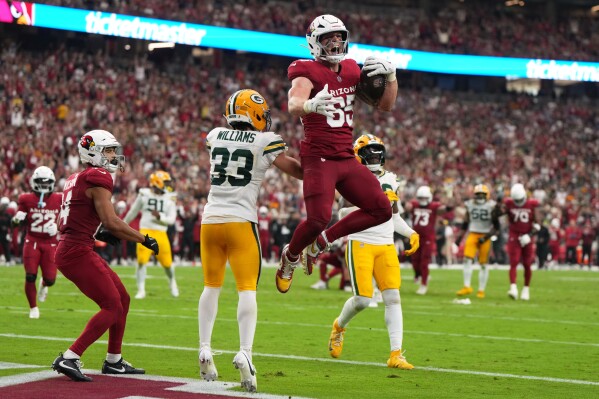
Teammates have taken notice. Even as Jacobs continues to recover, players have spoken about how his presence lifts the energy of the entire offense. His toughness doesn’t just impact the box score — it sets a standard.
Rookies and veterans alike have followed his lead, recognizing that effort and attitude often matter just as much as raw athleticism.

It’s moments like these that build locker room chemistry, something Green Bay has been working to rebuild since the post-Aaron Rodgers transition. In that sense, Jacobs’ decision to play through pain was as much about culture as it was about competition.
He’s showing his teammates — and perhaps reminding the organization — what commitment looks like.
LaFleur’s Perspective: Balancing Health and Heart
While Jacobs’ performance earned admiration, it also left the Packers’ coaching staff walking a fine line. Head coach Matt LaFleur has emphasized player safety and long-term health since his arrival in Green Bay. The staff’s initial reluctance to let Jacobs play was rooted in concern for his durability over a grueling 17-game season.
Injuries have already hit the Packers hard this year. The defensive line is depleted, key offensive linemen are nursing injuries, and kicker Brandon McManus is out with a quad issue. Losing Jacobs — their offensive cornerstone — would be devastating.
Still, LaFleur acknowledged after the game that sometimes, coaches have to trust a player’s instincts about their own body. And in this case, Jacobs proved that his conviction was well-placed.
What It Means Moving Forward
Jacobs’ gutsy showing against the Cardinals could become a defining moment for the Packers’ 2025 campaign. With the team hovering around the middle of the NFC pack, every win matters — and this one came largely because a player refused to let circumstance dictate outcome.

But it also raises questions about workload management moving forward. How long can Jacobs continue to play through injuries before it takes a toll? Will the Packers ease his load in practice to preserve his health for the playoff push?
For now, Jacobs’ determination is the kind of story that reminds fans why football is about more than just stats and strategies. It’s about human will — the fire to compete when everything says you shouldn’t.
A Symbol of What Green Bay Stands For
Josh Jacobs’ decision to fight his way onto the field might seem like a small chapter in a long NFL season, but it carries weight. It shows what the Packers’ locker room is made of — and what kind of identity they’re trying to forge in 2025.
He played not because it was easy, not because he was fully healthy, but because his team needed him.
In a league where players are often told to think long-term, Jacobs reminded everyone of the short-term sacrifices that make football special — the ones rooted in pride, team, and heart.
When the Packers look back at this season, Week 7 in Arizona may not stand out statistically. But for those inside the locker room, it’ll be remembered as the day their running back — sick, sore, and stubborn — willed them to victory.

And that’s what defines champions long before the playoffs begin.